Game-Changer or Gimmick? Analyzing AI-Driven Solutions for Detecting Undiagnosed Sleep Apnea
Sleep is an essential component of overall **health**, acting as a cornerstone for both physical and mental well-being. Yet, millions around the globe suffer from **sleep disorders** that can significantly impact their quality of life. Chief among these disorders is **sleep apnea**, a condition characterized by repeated interruptions in breathing during sleep. It not only prevents restorative sleep but can also lead to grave health concerns such as **hypertension**, **cardiovascular diseases**, and **diabetes**. Alarmingly, many individuals with sleep apnea remain undiagnosed, wandering through life without the necessary interventions that could dramatically improve their health and well-being.
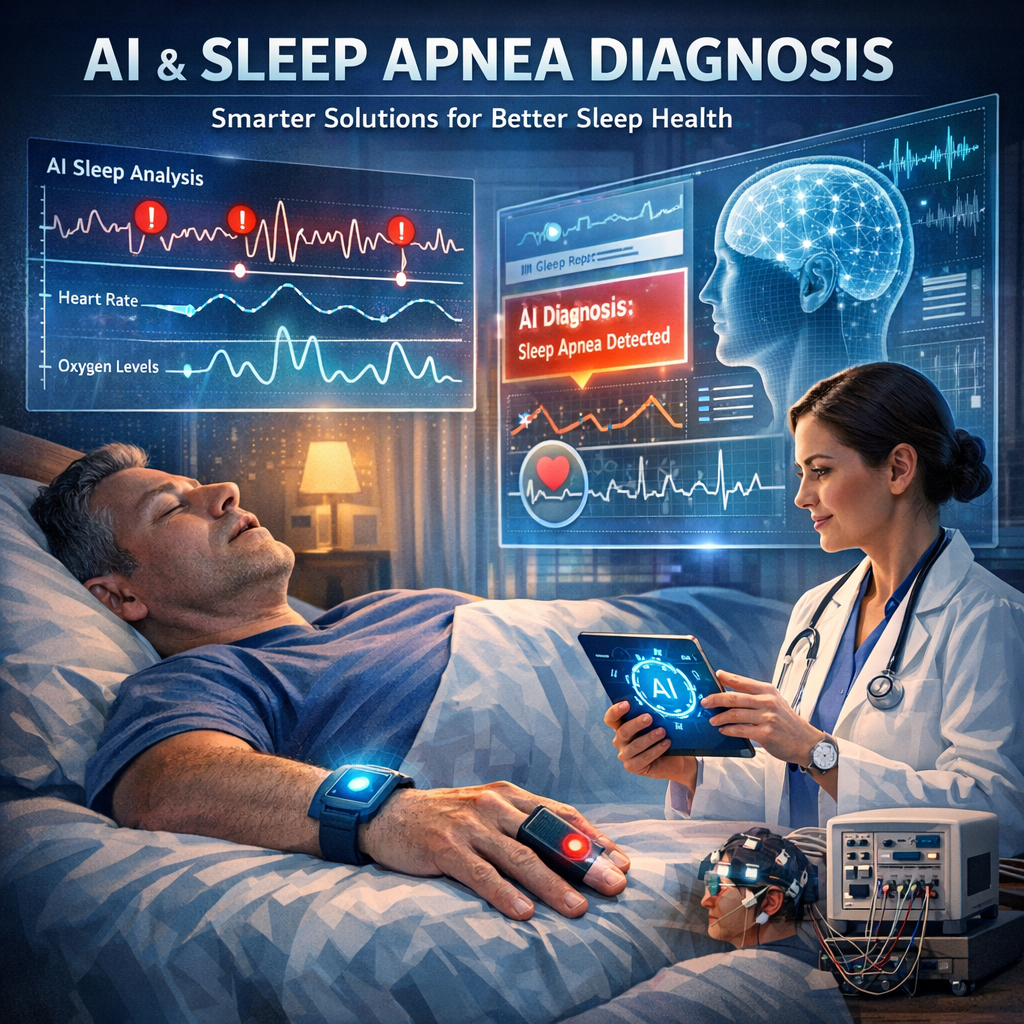
In recent years, the burgeoning field of **Artificial Intelligence (AI)** has begun to extend its branches into healthcare, promising innovation and efficiency in diagnosing and managing diseases. Particularly in the realm of **sleep medicine**, AI-driven solutions are appearing as potential game-changers for the detection of undiagnosed sleep apnea. These solutions often utilize **machine learning algorithms** and advanced data analytics to sift through vast amounts of data derived from devices like **wearable technologies** and home-based sleep monitors. The premise is to provide accessible, less intrusive, and cost-effective alternatives to traditional diagnostic approaches like **polysomnography**, which are typically conducted in a sleep lab and can be costly and cumbersome.
However, the question remains: are these AI-driven solutions truly a breakthrough in accessible healthcare, or merely a gimmick riding the wave of technological enthusiasm? To address this, it is crucial to evaluate how effectively these AI tools can identify cases of sleep apnea compared to established methods. This analysis needs to consider not only the technical accuracy of these solutions but also their real-world applicability, including accessibility, affordability, and ease of use for patients of all ages and demographics. As we stand at this crossroads, it is essential to critically assess the potential and limitations of AI in redefining how we approach the diagnosis and management of sleep disorders.
Professional or Medical Studies on AI and Sleep Apnea
Several studies have explored the application of AI in the realm of sleep apnea diagnosis. A study published in The Lancet Digital Health focused on using machine learning algorithms to analyze data from **polysomnography**, the standard for diagnosing sleep apnea. This study demonstrated that AI could match, and sometimes even surpass, the accuracy of human experts in identifying sleep apnea events from complex data sets.
Further research conducted by the **American Academy of Sleep Medicine** showcased the potential of AI in processing data collected from portable home sleep monitors. The results indicated that AI could provide comparable diagnostic outcomes to traditional sleep studies, with the added benefits of being more convenient and accessible for patients [American Academy of Sleep Medicine](https://aasm.org).
Moreover, a clinical trial conducted at a major sleep center investigated the efficacy of a novel AI-driven smartphone app designed to screen for **sleep apnea**. This app utilized sound analysis by picking up nocturnal breathing patterns and snoring, processes that the AI analyzed to predict the probability of sleep apnea. The preliminary results were promising, indicating an accuracy rate approaching that of in-lab sleep studies [JAMA Otolaryngology–Head & Neck Surgery](https://jamanetwork.com/journals/jamaotolaryngology).
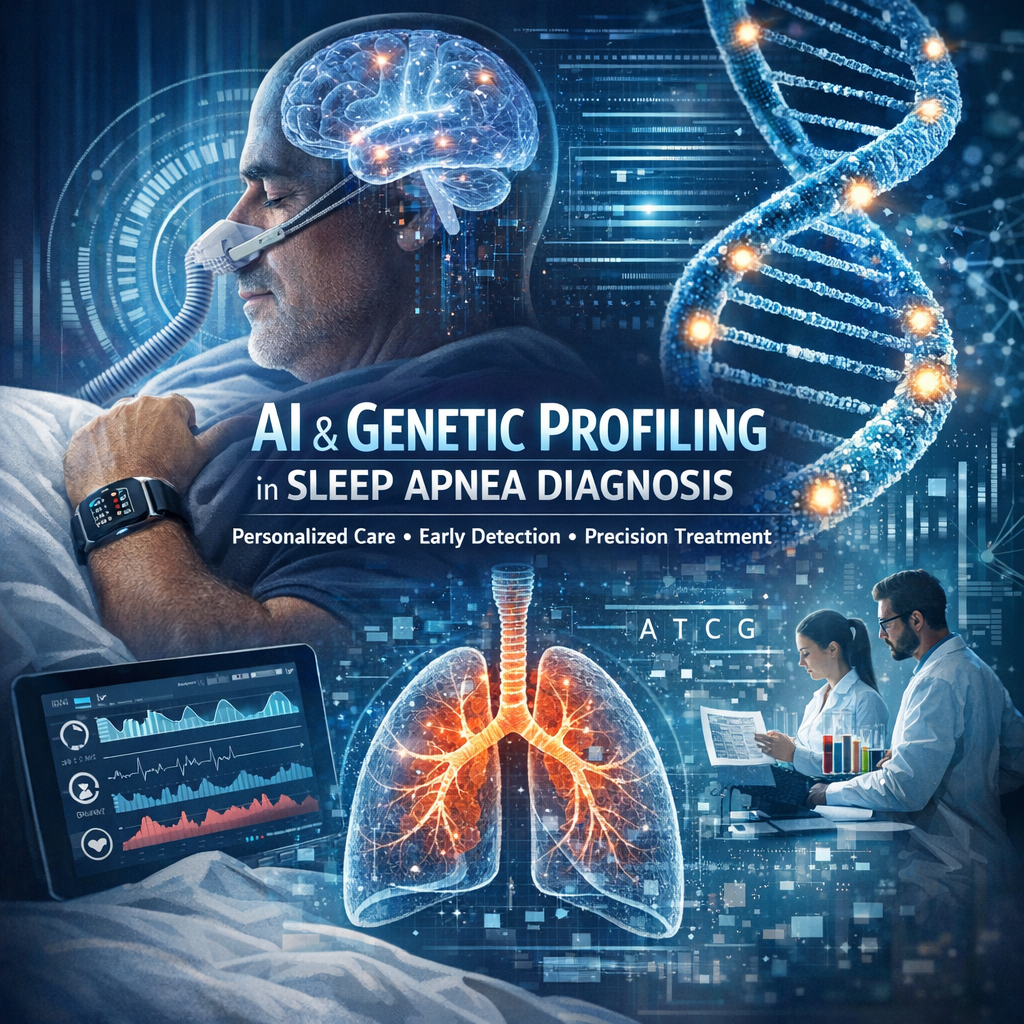
These studies collectively suggest that AI-driven solutions hold significant potential in democratizing healthcare by offering scalable and non-invasive diagnostic alternatives. They represent a shift toward personalized medicine, facilitating early detection and intervention which is crucial in preventing the long-term health implications associated with untreated sleep apnea.
Conclusion
As AI technology continues to evolve, its role in diagnosing sleep disorders like sleep apnea is becoming increasingly significant. AI-driven solutions are unveiling opportunities to identify undiagnosed conditions efficiently and with unprecedented ease, potentially transforming how we approach sleep health on a global scale. While the technology is promising, it still necessitates validation against stringent clinical standards to ensure its safety and efficacy.
Eventually, the integration of AI in sleep medicine could lead to more individualized and precise treatments, empowering individuals to reclaim their health and improve their quality of life. As with any technological innovation in healthcare, the balance between enthusiasm and skepticism must be maintained. By critically evaluating and rigorously testing these solutions, we can discern whether they are indeed game-changers in the battle against sleep disorders or if they fall short of their promise. Through careful consideration and validation, AI has the potential to reshape the sleep medicine landscape, leading us towards a future where sleep apnea no longer goes undiagnosed and untreated.
**Concise Summary:**
The article explores the potential of **AI-driven solutions** in detecting undiagnosed **sleep apnea**, a condition with significant health implications. While traditional approaches like **polysomnography** are effective, they can be costly and invasive. AI solutions, leveraging **machine learning** and **wearable technologies**, offer promising alternatives by enhancing accessibility, affordability, and accuracy. Various studies indicate AI’s potential to match human expertise in diagnosis, suggesting a shift towards personalized and democratized healthcare. However, the effectiveness and reliability of these innovations rely on rigorous validation and clinical standards to ensure they are not just technological gimmicks but genuine healthcare advancements.

Dominic E. is a passionate filmmaker navigating the exciting intersection of art and science. By day, he delves into the complexities of the human body as a full-time medical writer, meticulously translating intricate medical concepts into accessible and engaging narratives. By night, he explores the boundless realm of cinematic storytelling, crafting narratives that evoke emotion and challenge perspectives.
Film Student and Full-time Medical Writer for ContentVendor.com