The Untapped Market of Sleep-Linked Neurodegenerative Risk: How AI-Driven Diagnostics Could Transform Global Healthcare
In our fast-paced world, **sleep** often takes a backseat to deadlines, social engagements, and digital distractions. However, emerging research suggests that neglecting sleep may have far more serious consequences than just feeling groggy the next day. Sleep is a critical component of **neurological health**, and disturbances in sleep patterns are increasingly being linked to a range of **neurodegenerative conditions**, such as **Alzheimer’s disease** and **Parkinson’s disease**. Understanding and diagnosing these links could be crucial in staving off these debilitating conditions. Yet, despite this knowledge, the potential of leveraging sleep data to predict and manage neurodegenerative risk remains largely untapped in the global healthcare market.
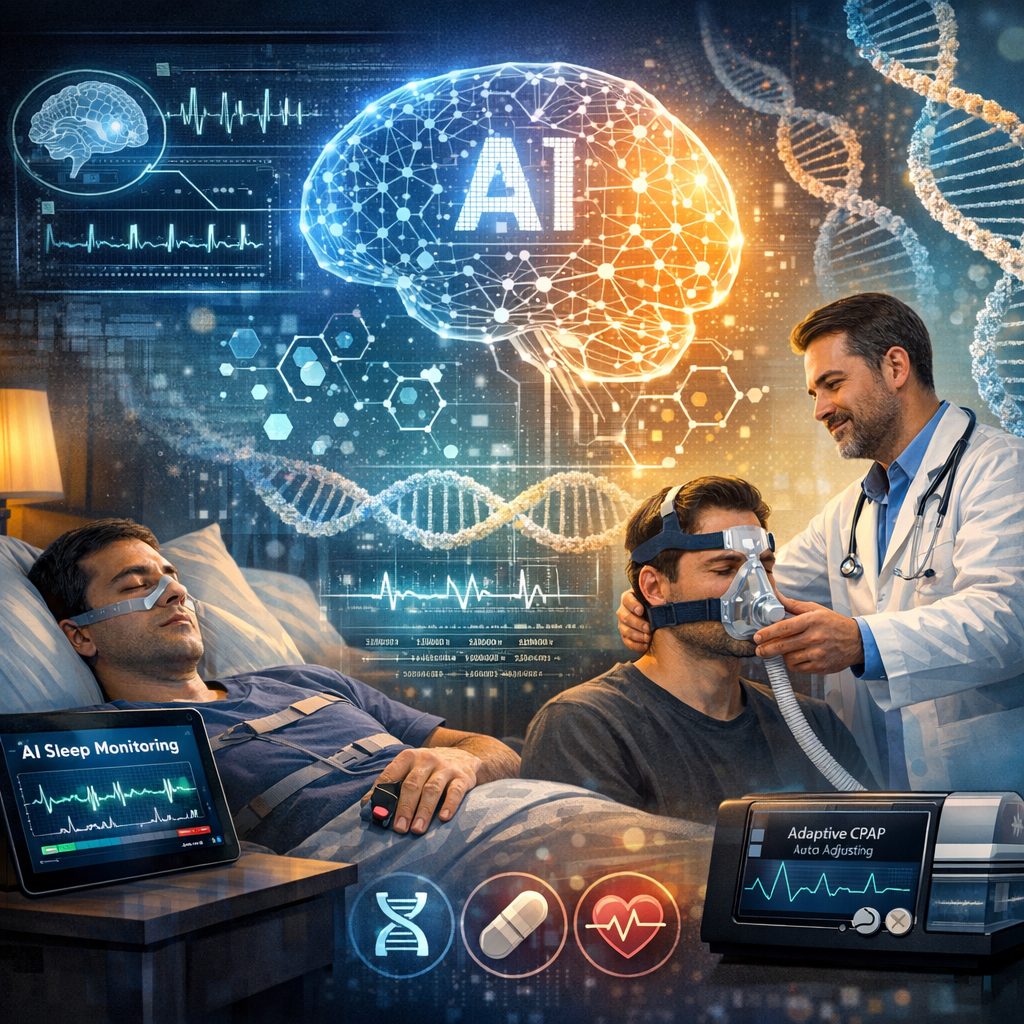
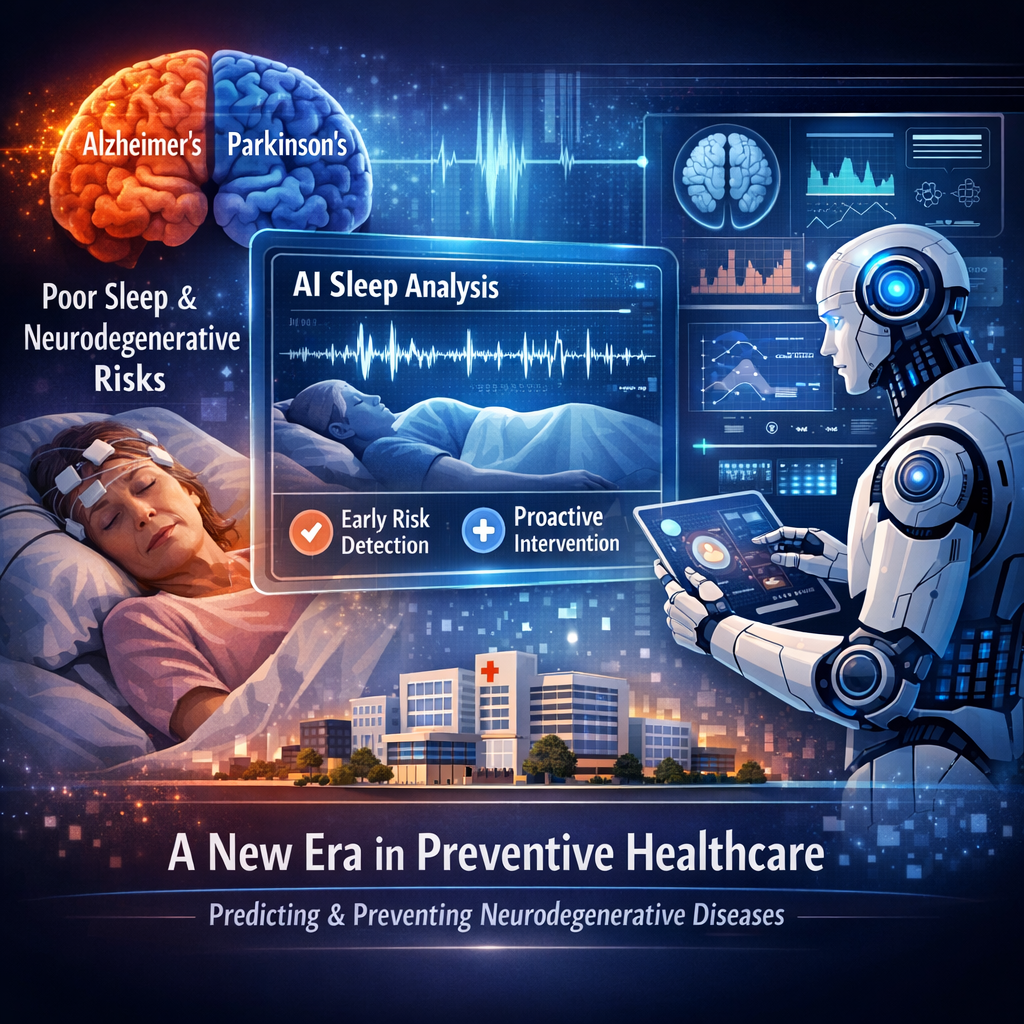
In recent years, the integration of **Artificial Intelligence (AI)** into medical diagnostics has shown promising potential to revolutionize healthcare. With the ability to analyze vast amounts of data quickly and accurately, AI algorithms can uncover patterns and correlations that might be overlooked by human researchers. This capability could be particularly beneficial in the realm of **sleep-linked neurodegenerative risks**. AI-driven diagnostics can analyze complex sleep data to identify early indicators of diseases, enabling proactive intervention before the onset of symptoms.
These AI systems often utilize **machine learning models** trained on extensive datasets, including sleep studies and patient histories. By identifying patterns within this data, AI can predict which individuals are at a higher risk of developing neurodegenerative disorders based on their sleep characteristics. Furthermore, AI tools can continuously learn and adapt, improving their accuracy over time. This makes them an invaluable asset in predicting and preventing disease, potentially providing a more precise approach than current methods.
The transformative potential of AI-driven sleep diagnostics is enormous, not only in terms of improved patient outcomes but also for the healthcare system at large. Early intervention can reduce the economic burden associated with managing neurodegenerative diseases, which encompass significant healthcare costs. As the global population ages, the incidence of these diseases is expected to rise, making it imperative to explore and invest in innovative diagnostic methods. The use of AI in understanding the link between sleep quality and neurodegenerative risk presents an untapped market and a burgeoning area for research and development in global healthcare.
Features: Exploring the Science Behind Sleep and Neurodegeneration
Several studies have highlighted the interplay between sleep and neurodegenerative conditions, offering fascinating insights into how improving sleep could mitigate disease risk. For instance, a study published in [Nature Reviews Neuroscience](https://www.nature.com/nrn/) underscored the connection between disrupted sleep and the accumulation of **beta-amyloid plaques** in the brain—a hallmark of Alzheimer’s disease. According to this research, poor sleep could accelerate the progression of Alzheimer’s by failing to clear these toxic proteins from the brain.
Additional research published in the [Journal of Neuroscience](https://www.jneurosci.org/) highlighted the role of the **glymphatic system**—a brain waste-clearance mechanism that functions optimally during sleep. This system is crucial for removing toxins that could otherwise contribute to neurodegeneration. Impairments in this system, often resulting from poor sleep quality, can result in increased risks for neurodegenerative disorders.
The current challenge, however, lies in accurately diagnosing these sleep-related risk factors before they manifest more overtly as cognitive decline or neurological symptoms. This is where AI-driven diagnostics step in. A paper in [IEEE Access](https://ieeexplore.ieee.org/Xplore/home.jsp) detailed how machine learning algorithms are being increasingly employed to analyze sleep patterns and extract meaningful data that human observation might miss. Sleep stages, such as **REM** and **deep sleep**, can be intensely monitored to identify abnormalities that may signal future neurodegenerative risks.
AI-driven platforms like [SleepScore Labs](https://www.sleepscore.com/) have already begun integrating AI into consumer markets, providing insights into sleep patterns and suggesting improvements that could benefit overall health. These platforms emphasize the burgeoning trend of applying AI in real-world health scenarios, creating an avenue for both preventive and predictive healthcare strategies.
Conclusion: Paving the Path Forward
The interplay between sleep disturbances and neurodegenerative diseases offers an uncharted opportunity to transform global healthcare. AI-driven diagnostics can lead to early identification and intervention strategies, which are crucial in managing diseases like Alzheimer’s and Parkinson’s effectively. By recognizing poor sleep patterns as significant risk factors, healthcare providers could develop personalized treatment plans long before neurodegenerative symptoms appear.
This forward-thinking approach not only promises enhanced individual health outcomes but also poses economic benefits by reducing the long-term burden on healthcare systems. With neurodegenerative diseases on the rise, age-linked ailments will increasingly strain current resources. Investing in AI to harness sleep data is not just a novel idea—it’s a necessary shift toward proactive healthcare. With continued advancements, the vision of AI-driven sleep health isn’t just a possibility; it’s an impending reality that could redefine our approach to neurodegenerative diseases globally.
—
**Concise Summary:** The integration of AI into sleep diagnostics offers significant potential for predicting and managing neurodegenerative diseases such as Alzheimer’s and Parkinson’s. By analyzing sleep patterns, AI can identify early risk indicators, enabling early intervention and potentially reducing the economic impact of these diseases. As sleep disturbances are increasingly linked to neurodegeneration, AI-driven diagnostics could transform global healthcare, paving the way for proactive, personalized treatment plans and better patient outcomes.

Dominic E. is a passionate filmmaker navigating the exciting intersection of art and science. By day, he delves into the complexities of the human body as a full-time medical writer, meticulously translating intricate medical concepts into accessible and engaging narratives. By night, he explores the boundless realm of cinematic storytelling, crafting narratives that evoke emotion and challenge perspectives.
Film Student and Full-time Medical Writer for ContentVendor.com