Harnessing Cutting-Edge Biometric Innovations to Revolutionize Sleep Disorder Diagnosis and Treatment
Introduction
In the increasingly fast-paced and digitally connected world of the 21st century, **sleep disorders** have become a significant health concern. A good night’s sleep is no longer just a luxury; it is an essential component of overall wellbeing. Disorders such as **insomnia, sleep apnea, narcolepsy**, and **restless leg syndrome** affect millions worldwide, causing myriad health issues, including cardiovascular problems, obesity, and mental health disorders. Understanding and treating these disorders effectively is crucial, and this is where modern technology, particularly **biometric innovations**, comes into play.
Traditional methods for diagnosing and treating sleep disorders often involve **polysomnography**—an overnight sleep study in a clinical setting. While effective, these tests can be costly, inconvenient, and stressful for some patients. They don’t always replicate a patient’s natural sleep environment, which can impact accuracy. Enter biometric innovations: non-invasive, state-of-the-art technologies with the potential to revolutionize sleep disorder diagnosis and treatment. These innovations are not only handy for clinical use but also extend their reach to consumer markets, allowing individuals to take charge of their sleep health.
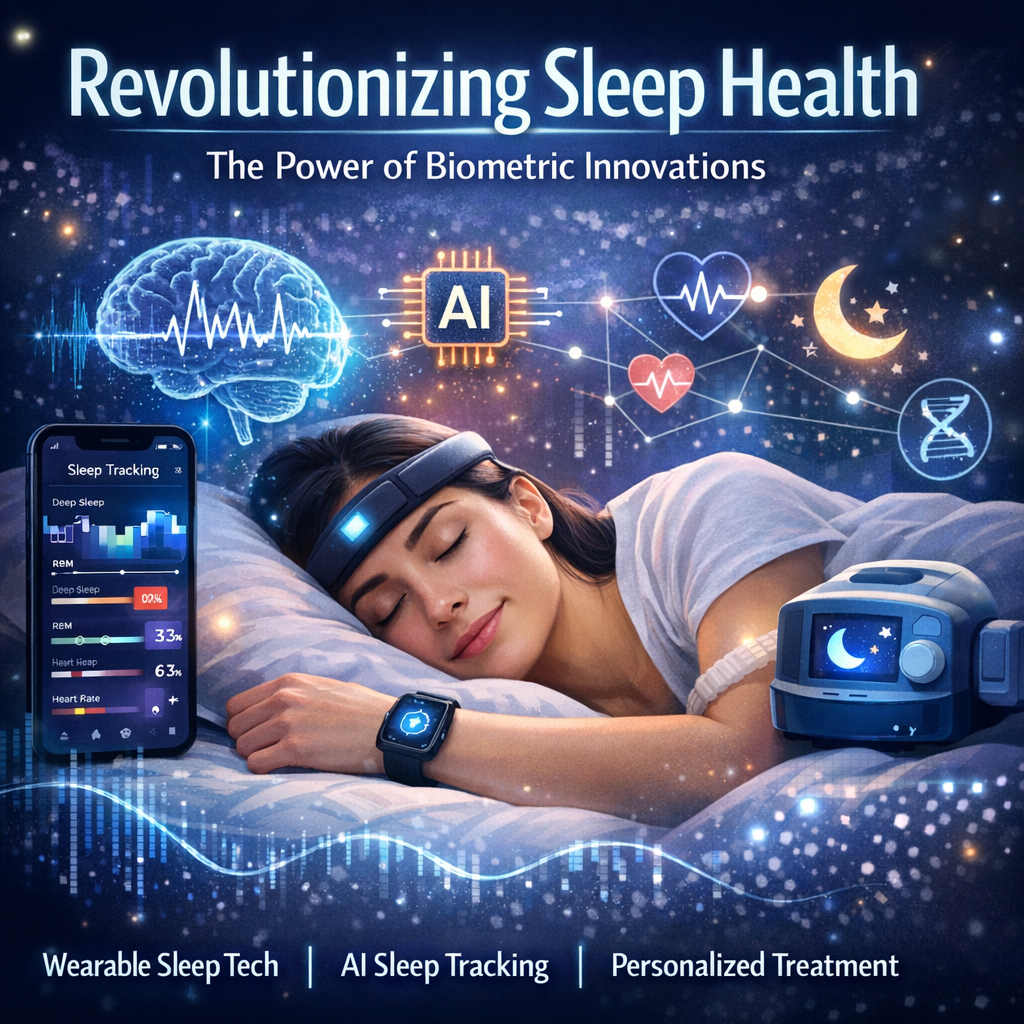
**Biometric technology** involves the use of devices that monitor and collect data on various physiological indicators, such as heart rate, breathing patterns, and body movements. These devices offer a more nuanced and continuous observation of sleep patterns than traditional methods. The advent of **wearable technology**, such as smartwatches and fitness trackers equipped with sensors capable of tracking sleep patterns in real time, has made it possible for people to monitor their sleep from the comfort of their homes. Coupled with AI-driven analytics, these devices can provide insights into sleep patterns, identify potential disorders, and even suggest personalized treatment plans.
Furthermore, apps utilizing biometric data to offer insights and tips on improving sleep quality are gaining popularity. These applications harness the power of **machine learning algorithms** to analyze collected data and provide users with actionable advice. This burgeoning field is propelling us toward a future where sleep disorders are identified earlier and managed more effectively through tailored, data-driven solutions. The fusion of biometric innovations with sleep medicine holds tremendous promise for transforming how we approach and treat sleep disorders moving forward.
Features
In recent years, several studies and trials have underscored the potential of biometric innovations in sleep disorder diagnosis and treatment. One landmark study conducted by the [Sleep and Neuroimaging Lab at Stanford University](https://med.stanford.edu/sleepdivision.html) explored the efficacy of wearable sleep trackers compared to traditional polysomnography. The study revealed that modern wearables, while not a complete substitute for clinical sleep studies, offer a highly accessible alternative that can accurately monitor sleep patterns over extended periods in a natural home environment. This continuous data collection is invaluable for identifying trends that may indicate underlying sleep disorders.
Another study published by the [National Institutes of Health](https://www.nih.gov/news-events/news-releases) highlighted the use of **mobile health (mHealth)** technologies, including smartphone apps and sensors, to create individualized sleep improvement programs. These programs are based on real-time data analytics, enabling healthcare providers to offer more customized treatment solutions. The study found that participants using mHealth solutions reported substantial improvements in sleep quality and daytime functioning.
The integration of **Artificial Intelligence (AI)** and machine learning in sleep tracking technologies represents another significant advancement. AI algorithms can process vast amounts of biometric data to identify subtle patterns and correlations that may escape human analysis. For instance, a [research project at MIT](https://news.mit.edu/topic/sleep) demonstrated how AI could predict the onset of sleep apnea by analyzing heart rate variability and breathing patterns captured by wearable devices. This predictive capability is groundbreaking, as early intervention can significantly improve patient outcomes.
Moreover, a study by the [American Academy of Sleep Medicine](https://aasm.org/) supports the role of biometric data in **behavioral therapy for insomnia**. By examining real-time data provided by wearable devices, therapists can track intervention efficacy and make necessary real-time adjustments, enhancing the overall success rate of **cognitive behavioral therapy for insomnia (CBT-I)**.
Conclusion
The fusion of biometric innovations with sleep medicine is paving the way for a new era of personalized sleep health. These advanced technologies offer the potential to transform sleep disorder diagnosis and treatment, making them more accessible, accurate, and effective. By leveraging non-invasive wearable devices, AI-driven insights, and individualized treatment plans, we are moving toward a future where sleep disorders can be managed proactively rather than reactively. From clinical settings to consumer markets, biometric innovations empower individuals to take charge of their sleep health and improve their quality of life. As these technologies continue to evolve and integrate seamlessly into daily life, the prospects for achieving better sleep health on a broad scale have never been more promising.
**References**
1. [Stanford University Sleep and Neuroimaging Lab](https://med.stanford.edu/sleepdivision.html)
2. [National Institutes of Health](https://www.nih.gov/news-events/news-releases)
3. [MIT News on Sleep Technology](https://news.mit.edu/topic/sleep)
4. [American Academy of Sleep Medicine](https://aasm.org/)
**Concise Summary**
Biometric innovations are revolutionizing the diagnosis and treatment of sleep disorders like insomnia and sleep apnea by offering accessible, non-invasive alternatives to traditional methods. Wearable technology and AI-driven analytics enable continuous sleep monitoring, providing insights into personalized treatment plans. Studies highlight the benefits of mobile health technologies and AI in improving sleep quality and predicting disorders. As these technologies evolve, they empower individuals to proactively manage sleep health, paving the way for more effective, data-driven solutions in both clinical and consumer settings.

Dominic E. is a passionate filmmaker navigating the exciting intersection of art and science. By day, he delves into the complexities of the human body as a full-time medical writer, meticulously translating intricate medical concepts into accessible and engaging narratives. By night, he explores the boundless realm of cinematic storytelling, crafting narratives that evoke emotion and challenge perspectives.
Film Student and Full-time Medical Writer for ContentVendor.com