Beyond CPAP: Revolutionary Breakthroughs in Sleep Apnea Diagnosis and Treatment You Haven’t Heard Of Yet
**Sleep apnea** is a prevalent disorder that disrupts sleep by causing intermittent breathing pauses. Traditionally, **Continuous Positive Airway Pressure (CPAP)** therapy has been the cornerstone of treatment. However, the discomfort associated with CPAP usage often leads to non-compliance, leaving patients searching for alternative solutions. The good news is that recent advancements in medical technology have provided new, innovative diagnostic and treatment options that promise to enhance the quality of life for people suffering from **sleep apnea**.
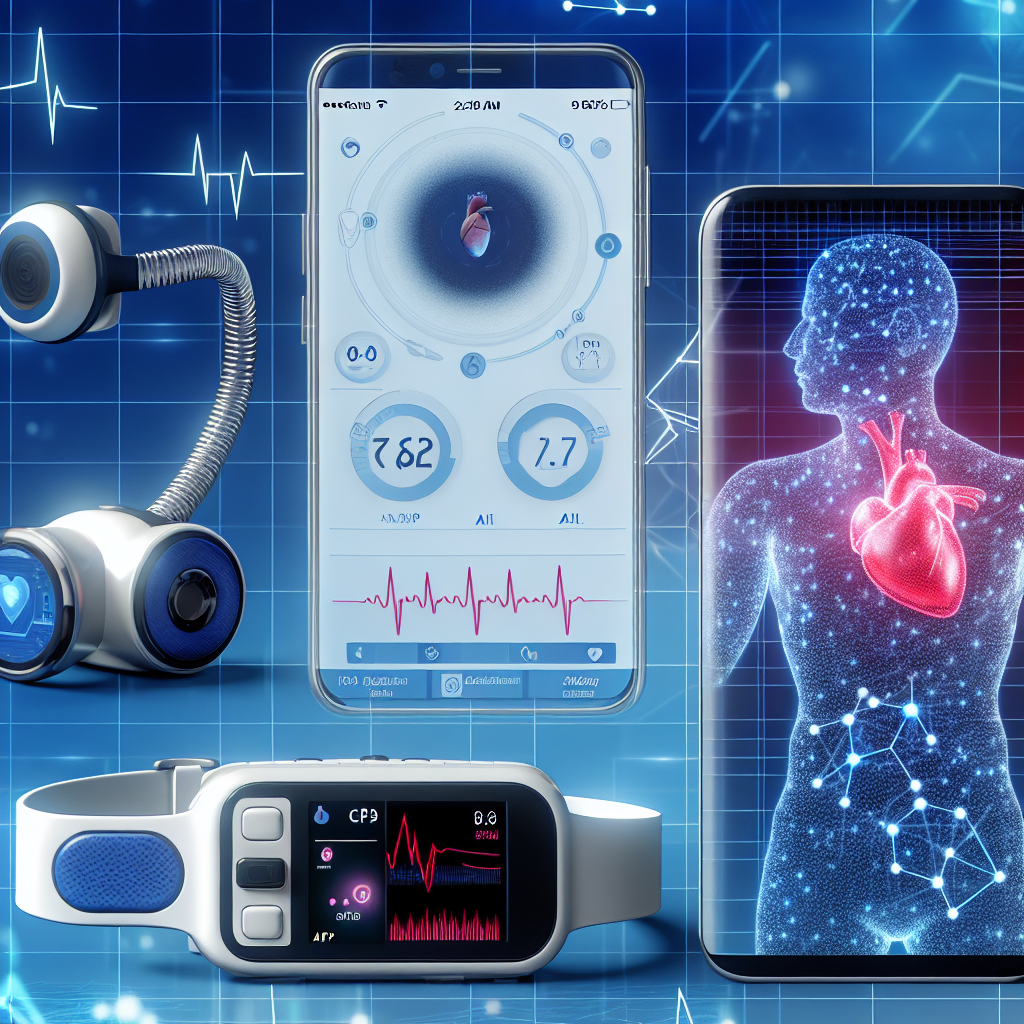
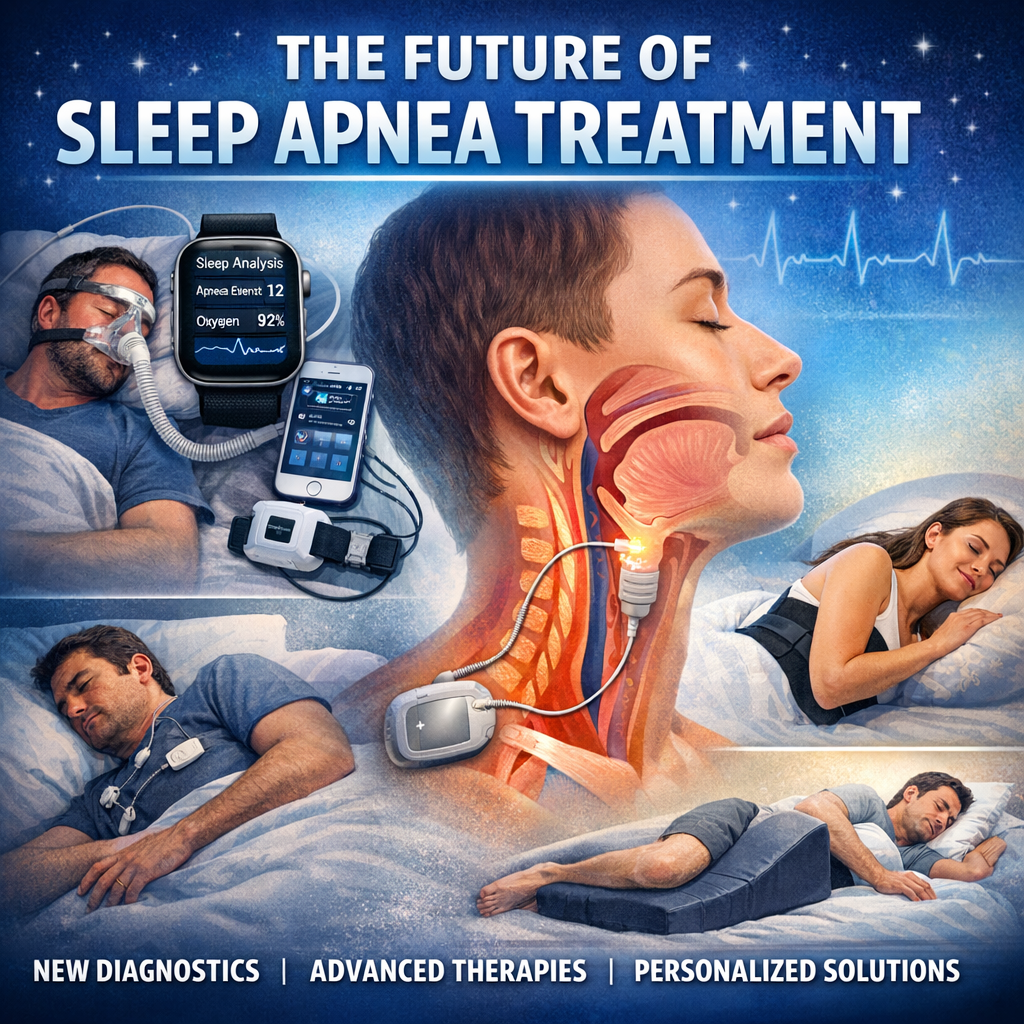
For years, diagnosing **sleep apnea** required an overnight stay at a sleep clinic, where patients were monitored extensively through polysomnography. While effective, this method is cumbersome and expensive. Innovations in **home sleep testing**, portable devices, and wearable technology have simplified the diagnosis, making it more accessible. These advancements have democratized **sleep apnea testing**, allowing individuals to discover their **sleep apnea status** within the comfort of their own homes. This transformation is further enhanced by mobile applications and smart devices that continuously monitor sleep patterns, offering an in-depth analysis of one’s sleep quality over extended periods.
Beyond diagnosis, several groundbreaking treatments have emerged. **Inspire therapy**, for instance, represents a significant leap forward. This device, implanted in a minimally invasive procedure, stimulates the hypoglossal nerve to prevent airway closure during sleep. Tailored for individuals who cannot tolerate **CPAP**, it is controlled via a remote, offering a much less intrusive experience. Research has shown that **Inspire therapy** significantly reduces sleep apnea events, enhancing both sleep quality and daytime alertness.
Furthermore, **positional therapy** has gained traction as a viable alternative. This method involves encouraging patients to sleep in positions that reduce airway obstruction. New wearable devices are designed to vibrate gently to encourage position changes without waking the sleeper. Combined with lifestyle interventions such as weight loss and dietary changes, **positional therapy** can be a comprehensive approach to managing **sleep apnea**.
Another futuristic approach includes **oro-myofunctional therapy**, which is not only non-invasive but also empowers patients through exercises designed to strengthen the muscles around the airway. Recent studies have shown promising results, indicating a marked improvement in reducing the severity of **sleep apnea** when these exercises are performed consistently.
Features: Innovative Studies on Sleep Apnea Treatments
The field of sleep medicine has seen numerous studies exploring these new treatments and their efficacy. For example, recent research published in the [American Journal of Respiratory and Critical Care Medicine](https://www.atsjournals.org/journal/ajrccm) has highlighted the role of hypoglossal nerve stimulation as facilitated by devices like **Inspire therapy**. The study demonstrated that patients experienced a 78% reduction in **apnea-hypopnea index (AHI)**, which is a significant measure of the severity of sleep apnea.
In terms of **positional therapy**, a trial published in the [Journal of Clinical Sleep Medicine](https://jcsm.aasm.org/) underscores its effectiveness for patients with **positional obstructive sleep apnea**. The study compared traditional CPAP therapy with positional devices and found similar improvements in sleep quality among patients using both methods, with the added benefit of increased comfort for those using **positional therapy**.
**Oro-myofunctional therapy** has also been supported by clinical studies. A 2015 meta-analysis from the [Cochrane Database of Systematic Reviews](https://www.cochranelibrary.com/) revealed that **myofunctional therapy** reduced AHI by 33% in adults and 62% in children, proving the approach as an effective non-invasive treatment alternative for **sleep apnea sufferers**.
Conclusion: Embracing the Future of Sleep Apnea Treatment
The landscape of **sleep apnea treatment** is swiftly evolving beyond CPAP, providing patients with alternatives that are not only effective but also more accessible and comfortable. These innovative methods, whether through technological advancements or lifestyle adaptations, present hope for those who have struggled with the traditional **CPAP approach**. The push towards personalized medicine means that treatment can be more closely tailored to individual needs, which is crucial for achieving optimal outcomes.
As research and technology continue to advance, the future holds promise for even more breakthrough solutions. Patients, medical practitioners, and researchers alike must stay informed about these developments to utilize the best available tools for combating **sleep apnea**. By embracing these changes, the pathway to healthier sleep is becoming clearer, ensuring that people can receive the quality care they deserve for a condition that affects millions globally. For anyone battling **sleep apnea**, now is an opportune moment to revisit your treatment plan and explore these emerging options to improve both health and overall quality of life.
**Concise Summary**: Recent advancements in **sleep apnea** treatment offer promising alternatives to traditional CPAP therapy. Innovations in **home sleep testing**, **Inspire therapy**, **positional therapy**, and **oro-myofunctional therapy** provide effective, less intrusive options for managing this condition. Enhanced diagnostic tools, such as portable devices and mobile applications, make **sleep apnea diagnosis** more accessible. Research highlights the effectiveness of these new treatments, with studies showing significant reductions in **apnea-hypopnea index (AHI)**. Embracing these cutting-edge solutions can improve health and quality of life, ushering in a new era for **sleep apnea sufferers**.

Dominic E. is a passionate filmmaker navigating the exciting intersection of art and science. By day, he delves into the complexities of the human body as a full-time medical writer, meticulously translating intricate medical concepts into accessible and engaging narratives. By night, he explores the boundless realm of cinematic storytelling, crafting narratives that evoke emotion and challenge perspectives.
Film Student and Full-time Medical Writer for ContentVendor.com