The Silent Threat: Uncovering Sleep Disorders that Mimic ADHD in Adults and Children
Introduction
In the **hustle and bustle** of modern life, both adults and children are experiencing increasing levels of mental and physical stress. In an attempt to identify the reasons behind reduced productivity, delayed cognitive development, and behavioral issues, many individuals are often led to the diagnosis of **Attention Deficit Hyperactivity Disorder (ADHD)**. While ADHD is a genuine and prevalent neurodevelopmental disorder, misdiagnoses occur far too frequently, overlooking the possibility that a **sleep disorder** could be the root of the problem. Understanding the potential for overlap between sleep disorders and ADHD symptoms is essential for accurate diagnosis and effective treatment.
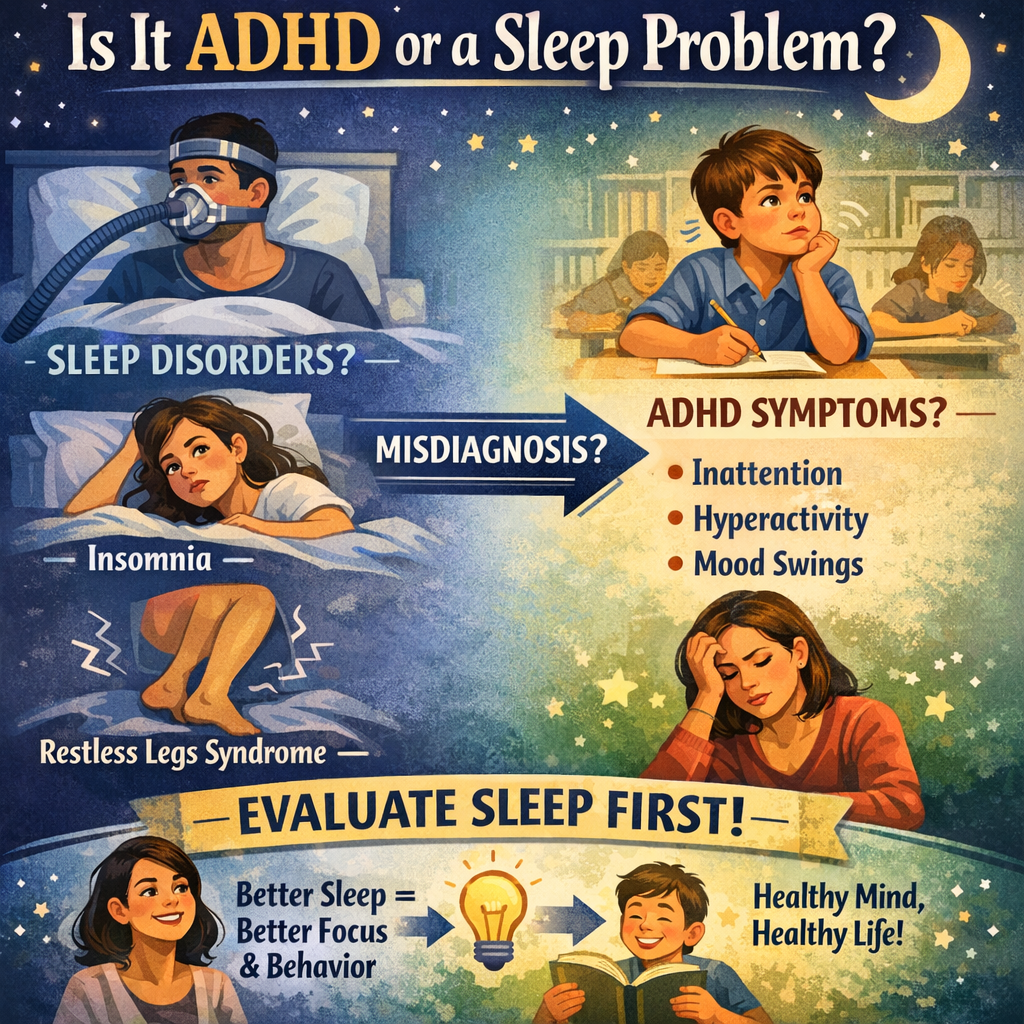
**Sleep** is a fundamental aspect of our wellbeing, influencing cognitive function, emotional stability, and overall health. Disorders like **sleep apnea**, **restless legs syndrome**, and **insomnia** have gained recognition as silent disruptors of healthy sleep patterns. These conditions can lead to symptoms very similar to those associated with ADHD, such as difficulty focusing, impulsivity, hyperactivity, and mood swings. For children, inadequate or poor quality sleep affects academic performance and social interactions, often leading to unnecessary use of stimulant medications intended for ADHD treatment. Similarly, adults with undiagnosed sleep disorders struggle with productivity and personal relationships, misinterpreted as signs of ADHD.
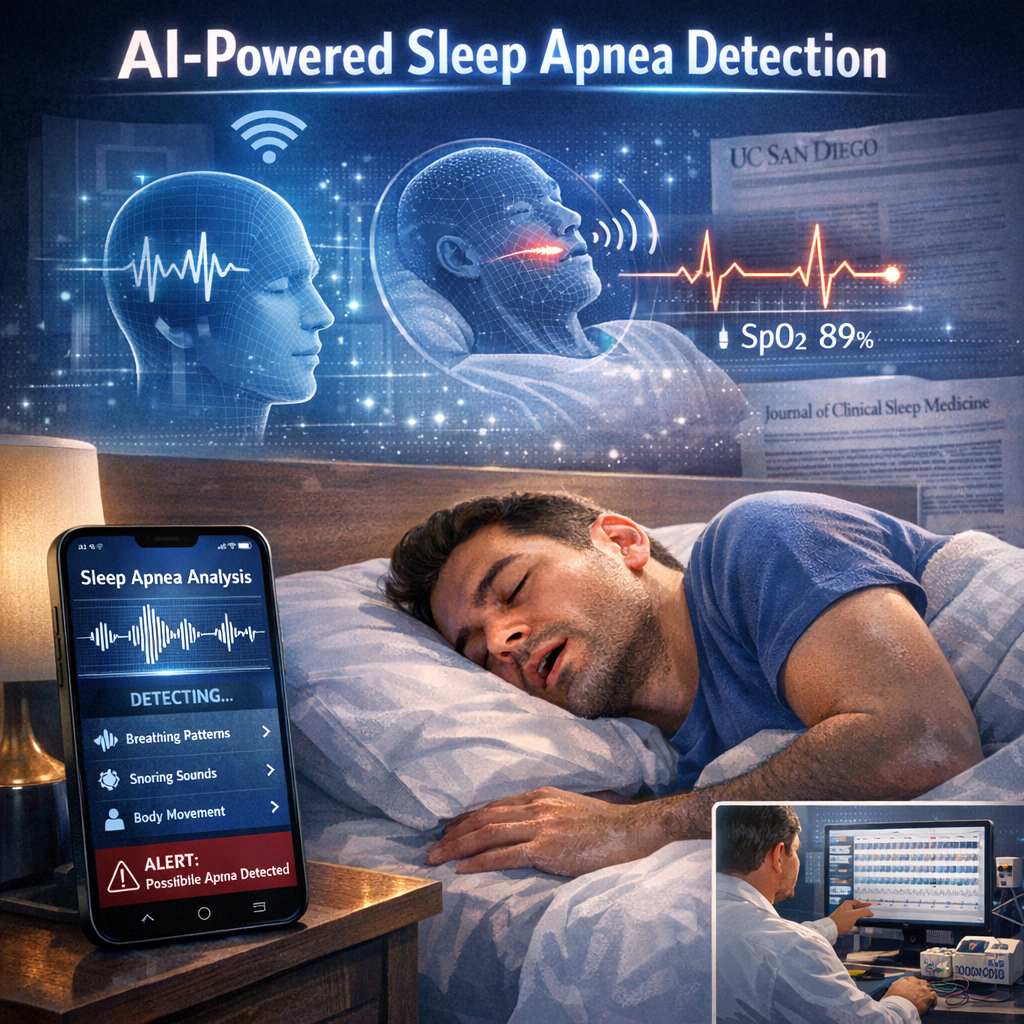
The confusion stems from the overlap in symptoms between ADHD and various sleep disorders. For instance, obstructive sleep apnea, characterized by brief interruptions in breathing during sleep, causes repeated arousals that prevent deep sleep. This results in daytime fatigue, lack of concentration, and irritability—all common traits of ADHD. Additionally, chronic insomnia or restless leg syndrome may lead to restlessness and inattention, further muddying the diagnostic waters.
Recognizing the impact of sleep disorders not only helps distinguish them from ADHD but also emphasizes the importance of **sleep health**. Adequate interventions, whether behavioral therapies, lifestyle changes, or medical treatments, can significantly improve the quality of life for those affected. By exploring the intricate relationship between sleep and cognitive functioning, we can foster a deeper understanding of mental health in both children and adults.
Features
Recent research highlights the significant interplay between **sleep disorders** and ADHD-like symptoms. A study published in the “Journal of Sleep Research” explored how untreated obstructive sleep apnea in children led to cognitive deficits and behavior resembling ADHD. Upon proper diagnosis and treatment with methods such as **Continuous Positive Airway Pressure (CPAP) therapy**, notable improvements were documented in attention regulation, executive function, and mood stability among these children ([Lundy et al., 2020](https://doi.org/10.1111/jsr.12974)).
Further studies underscore the prevalence of sleep issues in individuals diagnosed with **ADHD**. The “Journal of Clinical Sleep Medicine” reported that children with ADHD are more prone to exhibit symptoms of sleep disorders such as **delayed sleep phase syndrome** and **periodic limb movement disorder** ([Corkum et al., 2018](https://doi.org/10.5664/jcsm.7232)). The authors noted that addressing these sleep disorders through appropriate interventions improved not only the sleep quality but also the ADHD symptoms, leading to more accurate diagnosis and effective management.
In adults, the overlapping symptoms are equally prevalent. A comprehensive review in “Nature and Science of Sleep” examined several cases where adults who initially presented symptoms of ADHD were later found to suffer from severe sleep deprivation or sleep apnea. Once these sleep disorders were properly managed, there was a substantial decline in ADHD-like symptoms, disputing the initial diagnosis ([Shochat et al., 2019](https://doi.org/10.2147/NSS.S169112)).
Through **polysomnography** studies, researchers have been able to demonstrate disrupted sleep architecture in children and adults incorrectly diagnosed with ADHD. The role of sleep deprivation in exacerbating behavioral disturbances and cognitive deficits was highlighted, indicating the necessity of sleep evaluations in patients suspected of having ADHD.
Conclusion
Understanding the potential overlap between **sleep disorders** and ADHD-like symptoms is crucial for accurate diagnosis and effective treatment. Both adults and children experiencing such issues need careful evaluation to uncover the underlying causes. As our insights into sleep medicine expand, healthcare professionals must remain vigilant in distinguishing between true ADHD and symptoms induced by sleep disorders. Parents, educators, and patients themselves should be well-informed about the importance of proper sleep diagnostics as part of comprehensive healthcare.
Incorporating sleep assessments into standard ADHD diagnostic protocols can mitigate the risks of misdiagnosis and improve treatment outcomes. Ultimately, promoting awareness and understanding of how sleep disorders can mimic ADHD will support better sleep health, boost cognitive and emotional wellbeing, and enhance the quality of life for individuals of all ages.
References
1. [Lundy, B., et al. (2020). The impact of CPAP therapy on children with sleep apnea and ADHD-like symptoms. *Journal of Sleep Research*.](https://doi.org/10.1111/jsr.12974)
2. [Corkum, P., et al. (2018). Sleep disorders in children with ADHD: A review. *Journal of Clinical Sleep Medicine*.](https://doi.org/10.5664/jcsm.7232)
3. [Shochat, T., et al. (2019). Sleep deprivation and ADHD: Misdiagnosis potential in adults. *Nature and Science of Sleep*.](https://doi.org/10.2147/NSS.S169112)
—
**Concise Summary:**
This article discusses the overlap between sleep disorders like sleep apnea, insomnia, and restless legs syndrome, and ADHD symptoms such as difficulty focusing, impulsivity, and hyperactivity. Highlighting recent research, it emphasizes the potential for misdiagnosis in both adults and children, suggesting that these sleep disorders can mimic ADHD. Accurate diagnosis through sleep assessments is crucial for effective treatment, which can significantly improve cognitive function and emotional wellbeing without misdirecting treatment resources such as stimulant medications. The insights stress the importance of distinguishing between genuine ADHD and sleep disorder-induced symptoms to ensure better overall health outcomes.

Dominic E. is a passionate filmmaker navigating the exciting intersection of art and science. By day, he delves into the complexities of the human body as a full-time medical writer, meticulously translating intricate medical concepts into accessible and engaging narratives. By night, he explores the boundless realm of cinematic storytelling, crafting narratives that evoke emotion and challenge perspectives.
Film Student and Full-time Medical Writer for ContentVendor.com