Unmasking the Oxygen Crisis: How Breathing Dynamics Are Shaping the Future of Sleep Medicine
Introduction:
The intricate dance of **breath** and **sleep** is a delicate interplay that influences our health more than we might realize. **Breathing** is a vital life function, yet its impact on **sleep quality** often goes unnoticed until disruptions manifest as significant health issues. Unbeknownst to many, **sleep** and **breathing** share an intricate relationship that can shape the management of **sleep disorders** and overall wellness. In recent years, **sleep medicine** has focused increasingly on the importance of **breathing dynamics**, uncovering how these processes influence **sleep patterns**, and why optimizing them might be pivotal for future health interventions.
**Sleep** is not merely a passive state of rest; it is a dynamic process involving multiple physiological systems, one of which is the **respiratory system**. The importance of proper **breathing** during **sleep** cannot be overstated, as it directly affects the **quality** and duration of **sleep phases**. **Oxygen** is the life force our bodies rely on even as we sleep, fueling essential processes and aiding in the repair and restoration of cells. However, disruptions in **breathing dynamics**, such as those caused by **sleep apnea** or **chronic obstructive pulmonary disease (COPD)**, can lead to diminished **oxygen supply**, disrupting not just sleep, but also daytime functioning and long-term health.
Emerging research delves deep into the biology of **sleep-related breathing disorders**, highlighting the critical nature of **breathing dynamics**. The consequences of ignoring **breathing** irregularities during **sleep** can range from fragmented **sleep cycles** and daytime fatigue to more severe conditions like **cardiovascular disease**. In response, the field of **sleep medicine** is rapidly evolving, focusing on innovative interventions and technological advancements aimed at optimizing **breathing** during **sleep**.
This growing awareness and focus on the **oxygen crisis** have paved the way for key developments in diagnostic strategies and treatment paradigms, emphasizing the need for individualized care that considers the unique **breathing patterns** of each person. With the growing complexity of **sleep disorders**, understanding the relationship between **sleep** and **breathing dynamics** is set to revolutionize the future landscape of **sleep medicine**, offering hope for millions who struggle with **sleep-related issues**.
Features:
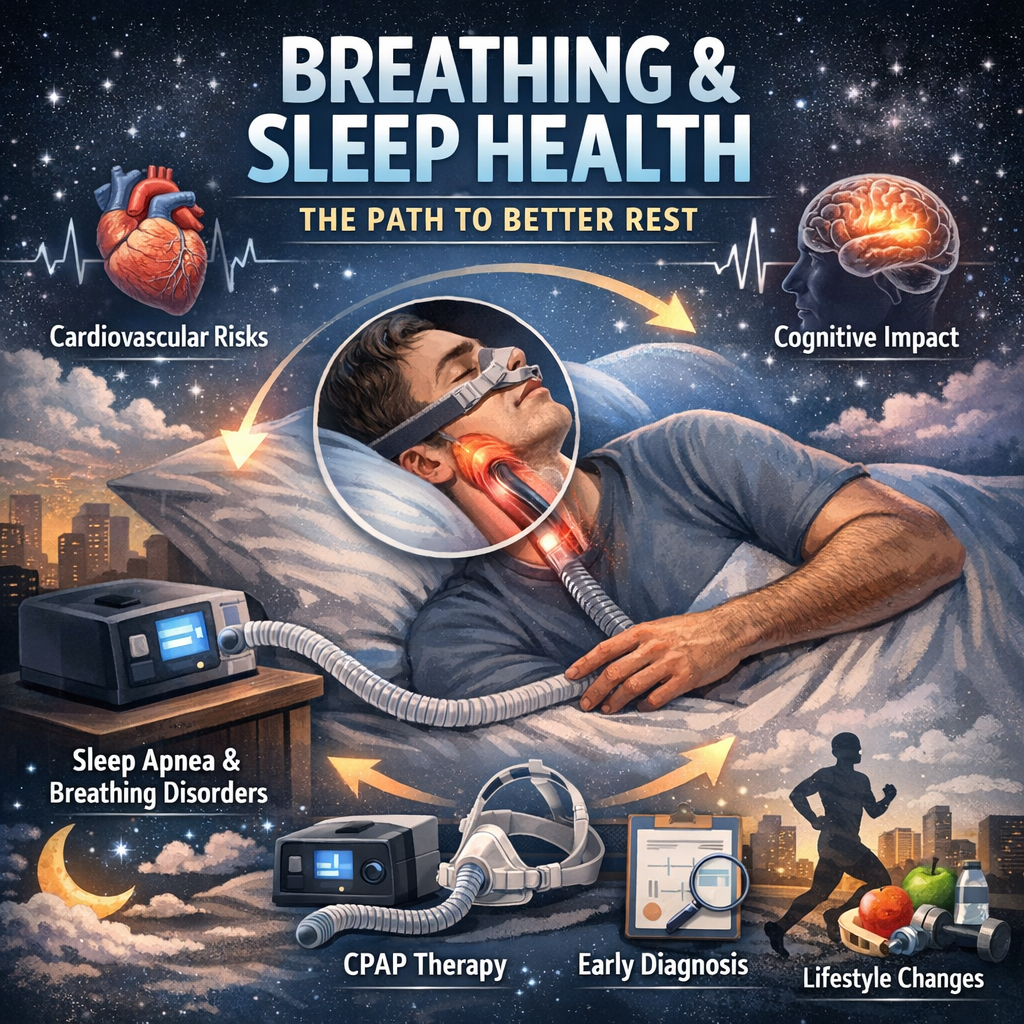
**Scientific research** and professional studies are shedding light on the fundamental role that **breathing dynamics** play in **sleep health**. A pivotal study published in the journal [*Sleep Medicine Reviews*](https://www.sciencedirect.com/science/article/pii/S1087079216000119) explored how treating **Obstructive Sleep Apnea (OSA)** can prevent the progression of **cardiovascular diseases**. **OSA**, a condition characterized by repeated episodes of partial or complete obstruction of the upper airway during sleep, drastically reduces blood **oxygen levels**, thereby placing undue stress on the heart. Successful management of **OSA** through **Continuous Positive Airway Pressure (CPAP)** therapy has been associated with improved **cardiovascular outcomes**.
Another critical piece of research, appearing in [*The Lancet Respiratory Medicine*](https://www.thelancet.com/journals/lanres/article/PIIS2213-2600(17)30250-5/fulltext), highlighted the importance of early detection and management of **sleep-related breathing disorders**. The study emphasized that early intervention is key, noting that untreated **sleep apnea** can lead to **neurocognitive deficits**, mood disorders, and **metabolic dysfunctions**. This understanding underscores the necessity of incorporating **sleep medicine** into regular health check-ups, particularly for populations at risk.
Recent technological advancements have also been instrumental in advancing our understanding of the **oxygen crisis**. Sophisticated diagnostic tools, such as **polysomnography** and **home sleep apnea testing**, offer comprehensive assessments of a patient’s **sleep patterns** and **breathing dynamics**. Furthermore, novel treatment options, including **adaptive servo-ventilation** and **Inspire therapy** for severe cases, have expanded the therapeutic gamut available to manage these conditions more effectively.
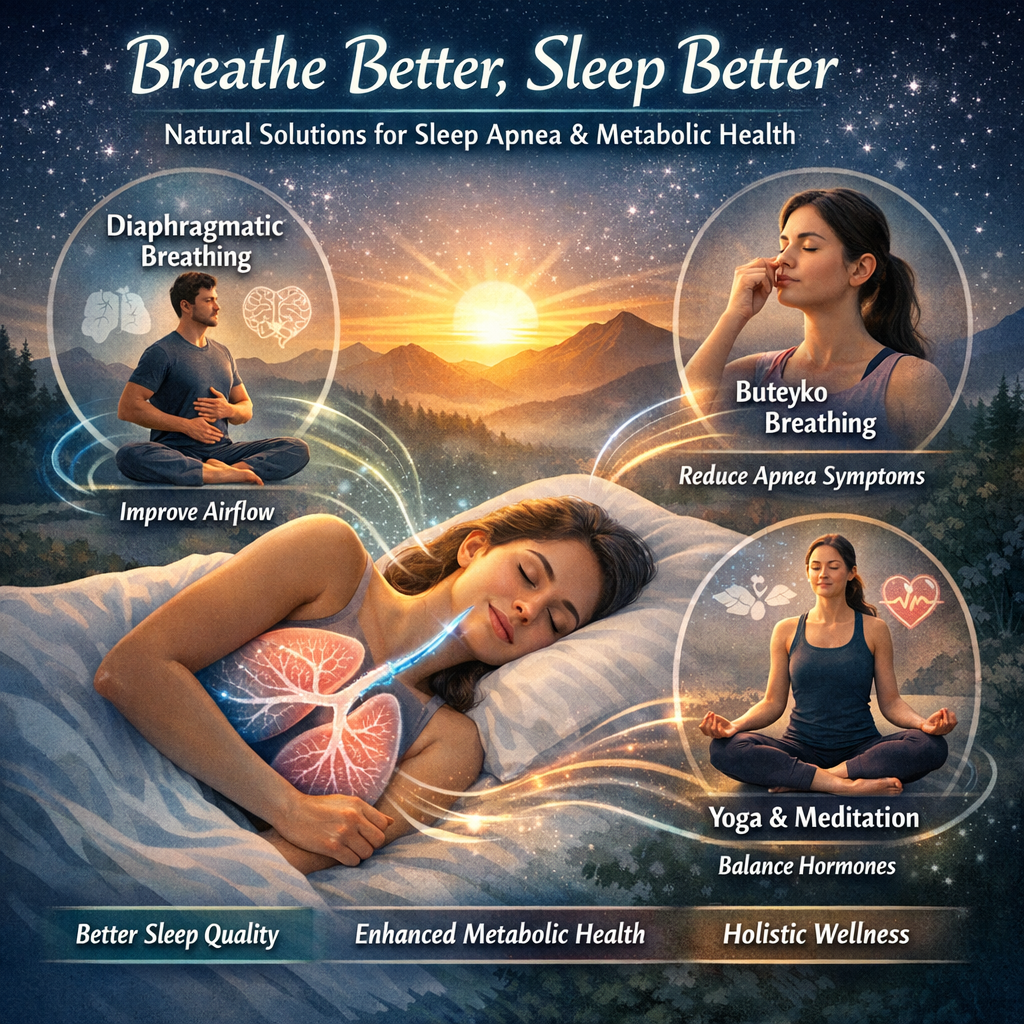
The exploration of alternative therapies, such as **positional therapy** and lifestyle modifications, has gained traction as well. Research suggests that weight loss, exercise, and dietary changes can significantly impact **breathing** during **sleep**, particularly for those with milder forms of **sleep apnea** or respiratory compromise. Such interventions align with a growing trend towards holistic, multimodal approaches to healthcare.
These studies collectively illustrate the transformative potential of focusing on **breathing dynamics** within **sleep medicine**. They advocate for a future where personalized treatment plans, informed by a detailed understanding of individual **breathing patterns**, become the norm rather than the exception. By integrating the latest research with clinical practice, the field of **sleep medicine** is poised to make significant strides in improving the quality of life for individuals worldwide.
Conclusion:
The **oxygen crisis** in the context of **sleep** is a pressing issue that demands collective awareness and action. A clear understanding of how **breathing dynamics** influence **sleep** can not only unlock new therapeutic avenues but also enhance existing strategies for managing **sleep-related disorders**. The ongoing research and technological advances in this domain underscore the necessity of a holistic approach to **sleep health** — one that treats **breathing** as a fundamental component. As the field navigates this evolving landscape, there is great potential for groundbreaking interventions that improve **sleep quality** and, by extension, overall health and wellness. By prioritizing the intricate relationship between **sleep** and **breathing**, we can make significant strides toward a future where restful, restorative **sleep** is a universal reality.
**Concise Summary:**
This article explores the vital link between **breathing dynamics** and **sleep health**, emphasizing the role of **oxygen** in maintaining quality sleep. Recent advancements in **sleep medicine** focus on optimizing **breathing** to improve **sleep disorders** such as **Obstructive Sleep Apnea (OSA)**, which is crucial for preventing related health issues like **cardiovascular disease**. Technological innovations and alternative therapies promise personalized treatment plans, enhancing intervention strategies for millions affected by sleep-related problems. Emphasizing individual **breathing patterns** can revolutionize **sleep medicine**, improving overall wellness through better sleep.

Dominic E. is a passionate filmmaker navigating the exciting intersection of art and science. By day, he delves into the complexities of the human body as a full-time medical writer, meticulously translating intricate medical concepts into accessible and engaging narratives. By night, he explores the boundless realm of cinematic storytelling, crafting narratives that evoke emotion and challenge perspectives.
Film Student and Full-time Medical Writer for ContentVendor.com