Sleep Algorithms: How AI is Revolutionizing Diagnoses in Sleep Medicine
Introduction
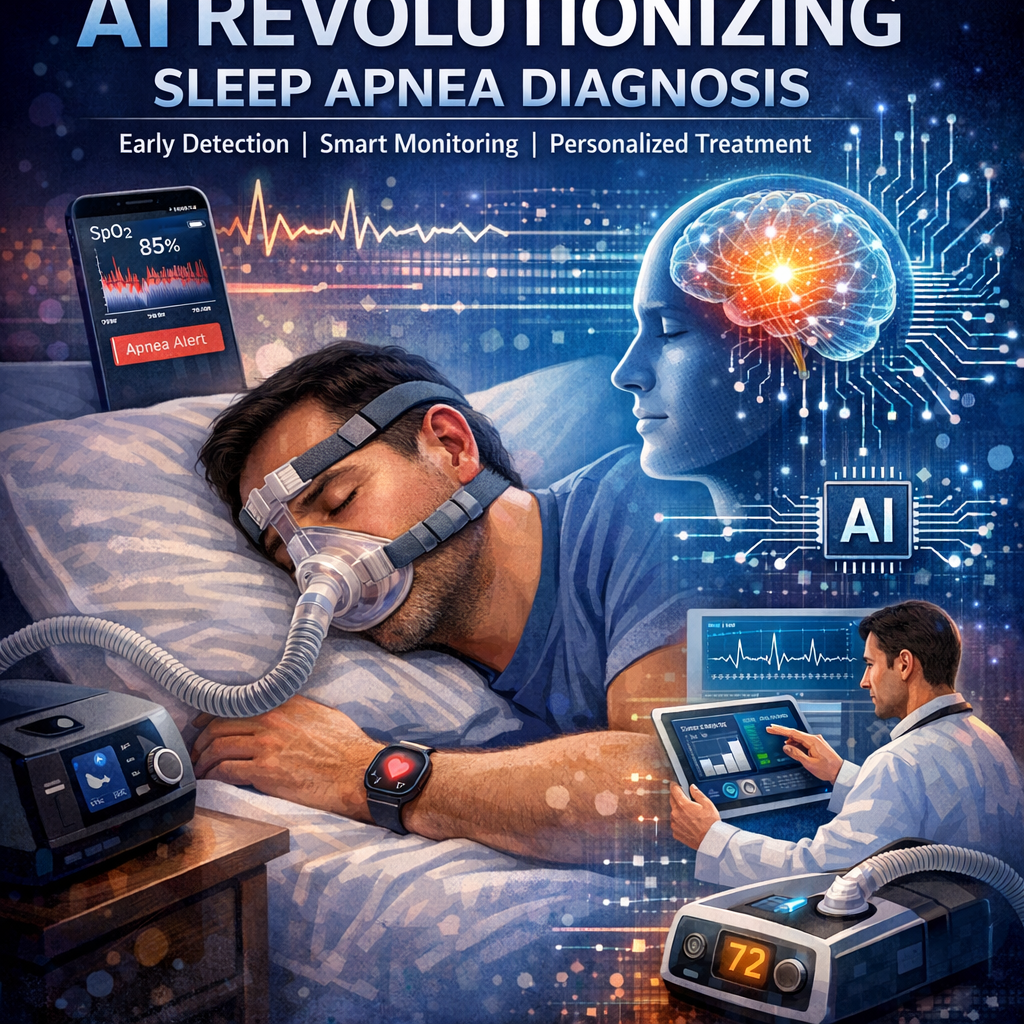
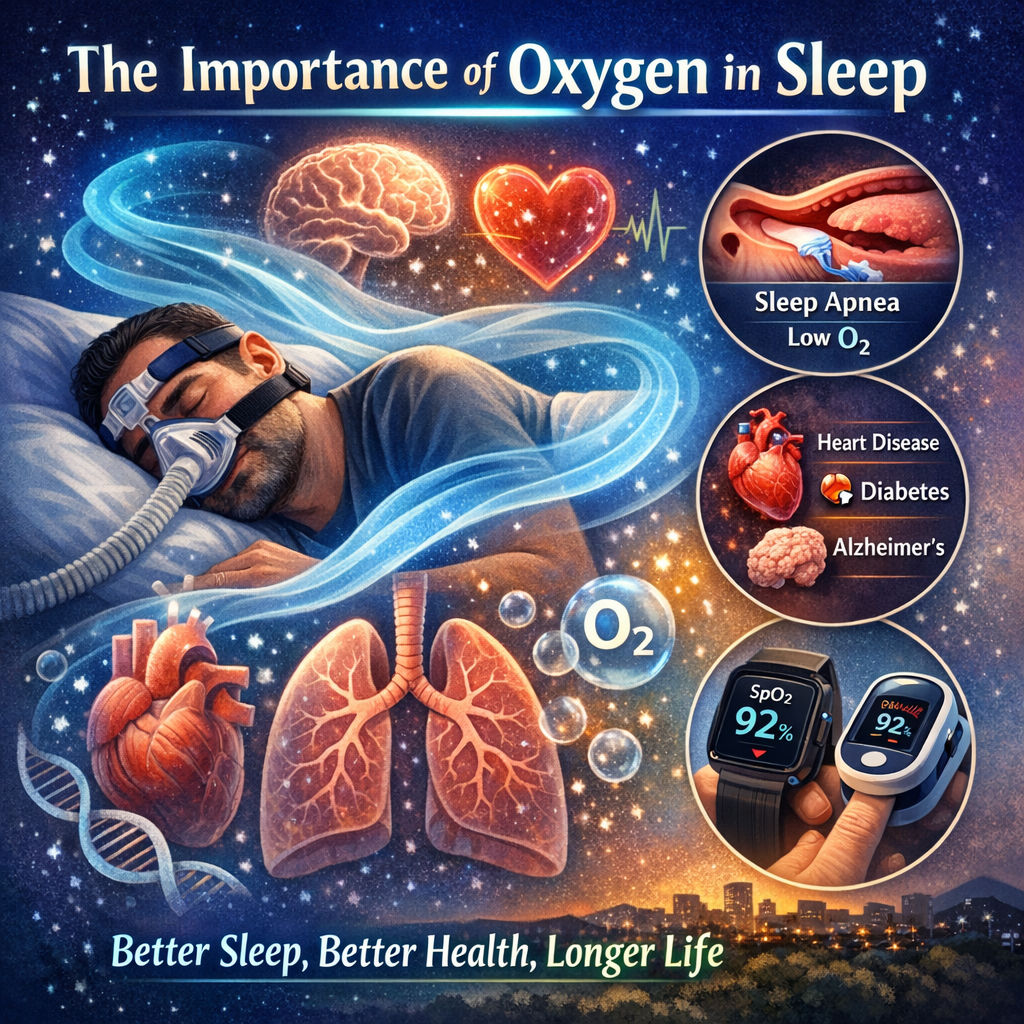
**Sleep** is an essential component of overall health, impacting mood, energy levels, brain function, and the immune system. Despite its importance, **sleep disorders** often go **underdiagnosed and undertreated**. Common disorders like **insomnia**, **sleep apnea**, and **narcolepsy** not only affect daily life but are linked to serious health issues like **cardiovascular disease** and **diabetes**. Traditionally, the diagnosis relied on **polysomnography** at sleep centers, a process that’s expensive and uncomfortable. The emergence of **artificial intelligence (AI)** is shifting paradigms, making diagnosis more accessible and efficient. AI’s algorithms analyze large datasets quickly, aiding in sleep disorder identification. As AI integrates into sleep medicine, the accurate diagnosis and management of sleep disorders are becoming more achievable.
Features
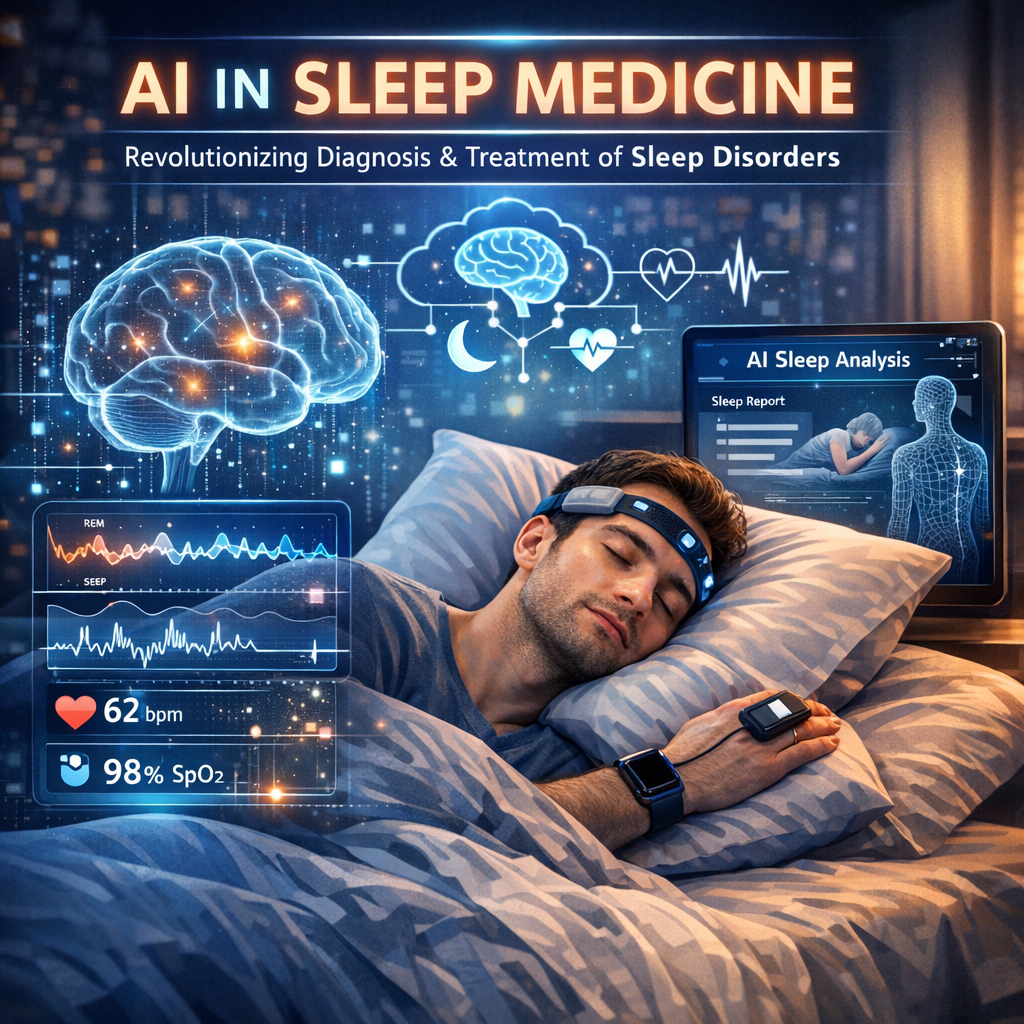
Numerous studies support AI’s efficacy in **sleep medicine**. For example, research published in *Nature and Science of Sleep* demonstrated how **machine learning algorithms** can accurately score **sleep stages**, essential for diagnosing conditions like **obstructive sleep apnea (OSA)**. The adaptability of AI is also shown in studies involving **wearables** and **home-based monitoring systems**. Research from the *American Journal of Respiratory and Critical Care Medicine* illustrates AI’s ability to analyze routine health data to identify early patterns of sleep disorders. The *Journal of Clinical Sleep Medicine* highlights AI’s utilization in assessing data from wearable devices, allowing continuous, real-world monitoring. Beyond diagnostics, AI is enhancing treatment strategies, such as optimizing **Continuous Positive Airway Pressure (CPAP)** therapy for **sleep apnea** patients by making personalized adjustments based on usage patterns and treatment responses ([source](https://www.dovepress.com/nature-and-science-of-sleep-journal), [source](https://www.atsjournals.org/journal/ajrccm), [source](https://jcsm.aasm.org/journal.aspx)).
Conclusion
The integration of AI into sleep medicine is promising, revolutionizing how sleep disorders are diagnosed and managed. AI enhances accessibility, accuracy, and personalization in sleep diagnostics, significantly improving sleep health across all age groups. As research and development continue, AI’s role in mitigating the public health impact of sleep disorders becomes increasingly important. While traditional methods retain value, AI’s efficiency in processing complex datasets signifies a future of sleep medicine. For a health-conscious world, embracing AI in sleep diagnostics heralds a new era in sleep health management.
**Concise Summary**
AI is revolutionizing **sleep medicine** by offering advanced diagnostic accuracy and personalized treatment for sleep disorders such as **insomnia**, **sleep apnea**, and **narcolepsy**. By analyzing data from wearables and leveraging algorithms, AI provides efficient, real-world monitoring compared to traditional methods like **polysomnography**. Ongoing research highlights AI’s efficacy in continuous monitoring and treatment optimization, especially in **CPAP therapy**. As AI integrates further, it promises to make sleep health management more accessible and personalized, underscoring its importance in mitigating the public health impact of sleep disorders.

Dominic E. is a passionate filmmaker navigating the exciting intersection of art and science. By day, he delves into the complexities of the human body as a full-time medical writer, meticulously translating intricate medical concepts into accessible and engaging narratives. By night, he explores the boundless realm of cinematic storytelling, crafting narratives that evoke emotion and challenge perspectives.
Film Student and Full-time Medical Writer for ContentVendor.com