Unlocking the Respiratory Code: How Breathing Optimization Can Redefine Neurological Health and Longevity
Introduction
In the intricate tapestry of human health, few processes are as fundamental yet overlooked as **breathing**. Every breath we take fuels our body with the essential **oxygen** needed for **metabolic activities**. However, the intricate dance between inhalation and exhalation does more than just sustain life; it plays a vital role in maintaining and enhancing **neurological health** and contributing to **longevity**. Our respiratory patterns have significant implications for our brain functionality and long-term cognitive health, a connection that has only recently started to gain the spotlight in medical research.
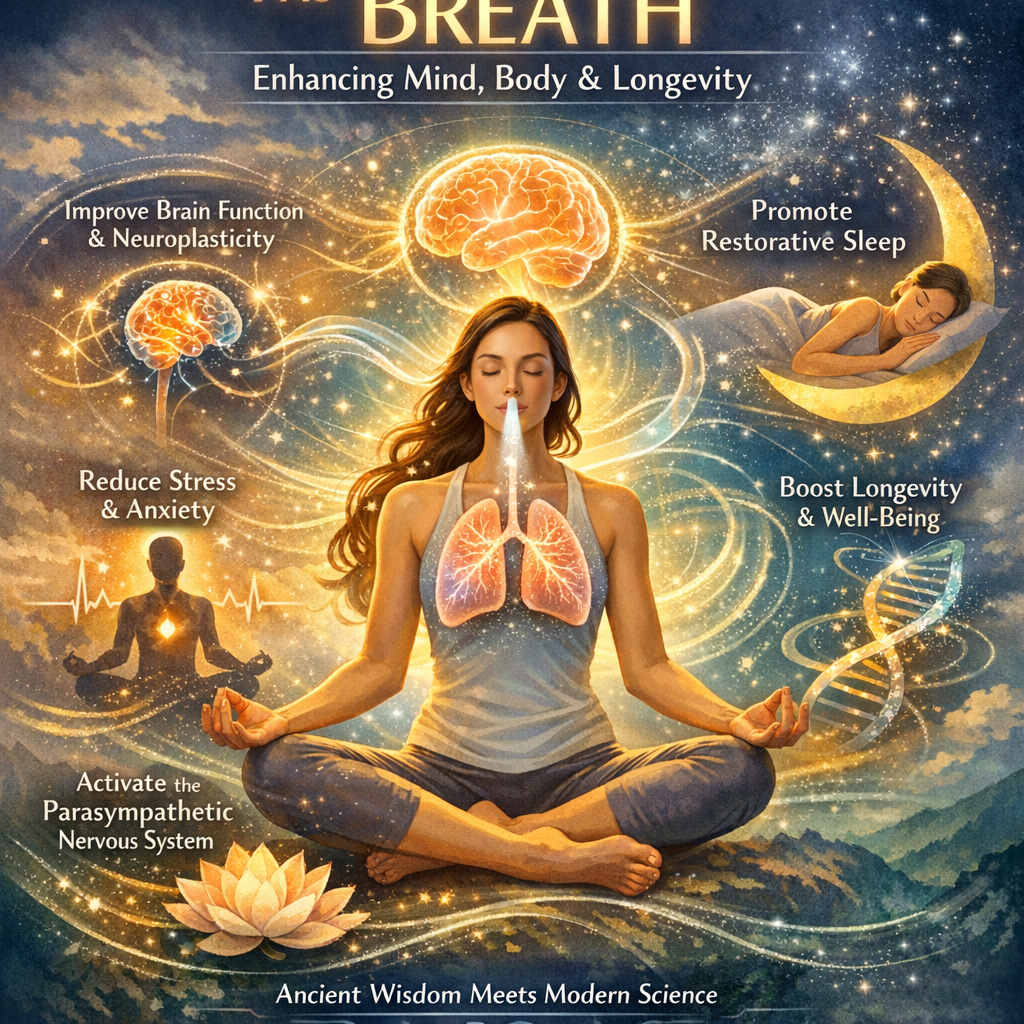
Breathing is more than just a physical necessity; it’s an essential player in our neurobiological health. Optimizing our breathing can improve **brain performance**, **stress management**, and overall quality of sleep. In today’s fast-paced world, where stress and anxiety are rampant, the power of unlocking proper breathing techniques is proving to be a potent ally. **Deep, controlled breathing** can activate the **parasympathetic nervous system**, fostering tranquility and reducing stress levels. This mechanism not only enhances mental clarity but also stimulates the release of critical hormones that support long-term brain health.
Recent studies have drawn correlations between effective breathing techniques and increased **neuroplasticity**—the brain’s ability to adapt and grow. Moreover, correct breathing while sleeping has been linked to deeper, more restorative sleep cycles, essential for maintaining neurological functions and fostering longevity. As awareness about the impact of sleep and stress on overall health grows, harnessing the power of **breathwork** to improve our sleep and, consequently, our health becomes increasingly important.
By broadening our understanding of the respiratory process and its impact on neurological health, we pave the way for significant health improvements. Many researchers and health enthusiasts are now delving into age-old breathing practices, including **pranayama** and **mindfulness techniques**, which offer groundbreaking insights into boosting cognitive health. This intersection between traditional wisdom and modern science holds the potential to redefine how we approach health and aging.
Features
Several studies underscore the compelling link between **breathing optimization** and neurological benefits. A notable study published in the journal *Nature Communications* [source](https://www.nature.com/articles/s41467-018-06358-0) reveals the direct effects of controlled breathing on brain network activities. Researchers observed how intentional breathing exercises can modulate areas of the brain involved in attention, emotion, and awareness, suggesting a substantial impact on cognitive functions.
Further investigation is illustrated in a study featured in *Psychophysiology* [source](https://onlinelibrary.wiley.com/doi/full/10.1111/psyp.13261), which examined how focused breathing techniques correlate with **heart rate variability (HRV)**. Increasing HRV is associated with greater resilience to stress and an improvement in autonomic nervous system regulation, both crucial for maintaining neurological health. This connection is paramount for extending the lifespan and enhancing the quality of life, as it suggests stress-induced neurological decline can be countered through proper breathing.
Breathing optimization has also been a focal point in exploring neuroplasticity. A study in *Frontiers in Psychology* [source](https://www.frontiersin.org/articles/10.3389/fpsyg.2021.729992/full) indicates that practices like **rhythmic breathing** contribute to increasing neuroplasticity, especially when paired with **cognitive training exercises**. This research highlights the potential for breathing-focused practices to play a part in brain rehabilitation post-injury, by fostering new neural connections.
The intersection of traditional breathing techniques and modern science continues to bear fruit, offering insightful findings that highlight the importance of adopting these practices. It provides a natural, accessible approach to enhancing brain health and longevity.
Conclusion
Breathing, once a mundane and automatic process, is being unpacked as a crucial element impacting not just our physical well-being, but our neurological vitality and longevity. The relationship between **breathing optimization** and neurological health underscores the simple yet profound potential inherent in our respiratory processes. From improving stress resilience and increasing neuroplasticity to fostering deeper and more restorative sleep, the benefits are immense.
By prioritizing and integrating breathing exercises and mindfulness into daily routines, we can unlock remarkable benefits for our brain health and long-term wellness. The scientific community’s growing interest in the relationship between breathing and cognitive functions opens encouraging avenues for future research and adaptive practices.
Harnessing the power of our breath enables us to unlock a code that has always been with us, offering a path to enhanced neurological health and a longer, richer life. Embracing these practices not only promotes individual health but also fosters a broader understanding of the natural capabilities we can harness to navigate the complexities of modern living.
By integrating ancient wisdom with cutting-edge science, we move closer to realizing a future where holistic health practices play a foundational role in our well-being.
**Concise Summary**
Breathing, a fundamental process for life, is vital not only for metabolic activities but also for neurological health and longevity. Proper breathing techniques can activate the parasympathetic nervous system, reducing stress and enhancing cognitive functions. Studies correlate effective breathing with increased neuroplasticity, necessary for brain adaptability, and better sleep. Traditional practices like pranayama are gaining recognition for their scientific benefits in modern health. By integrating breathing optimization into our daily lives, we can improve brain health, increase resilience, and potentially extend our lifespan. Embracing these practices offers profound health and cognitive benefits.

Dominic E. is a passionate filmmaker navigating the exciting intersection of art and science. By day, he delves into the complexities of the human body as a full-time medical writer, meticulously translating intricate medical concepts into accessible and engaging narratives. By night, he explores the boundless realm of cinematic storytelling, crafting narratives that evoke emotion and challenge perspectives.
Film Student and Full-time Medical Writer for ContentVendor.com