Why Ignoring Your Partner’s Snoring Could Be More Dangerous Than You Think
Introduction
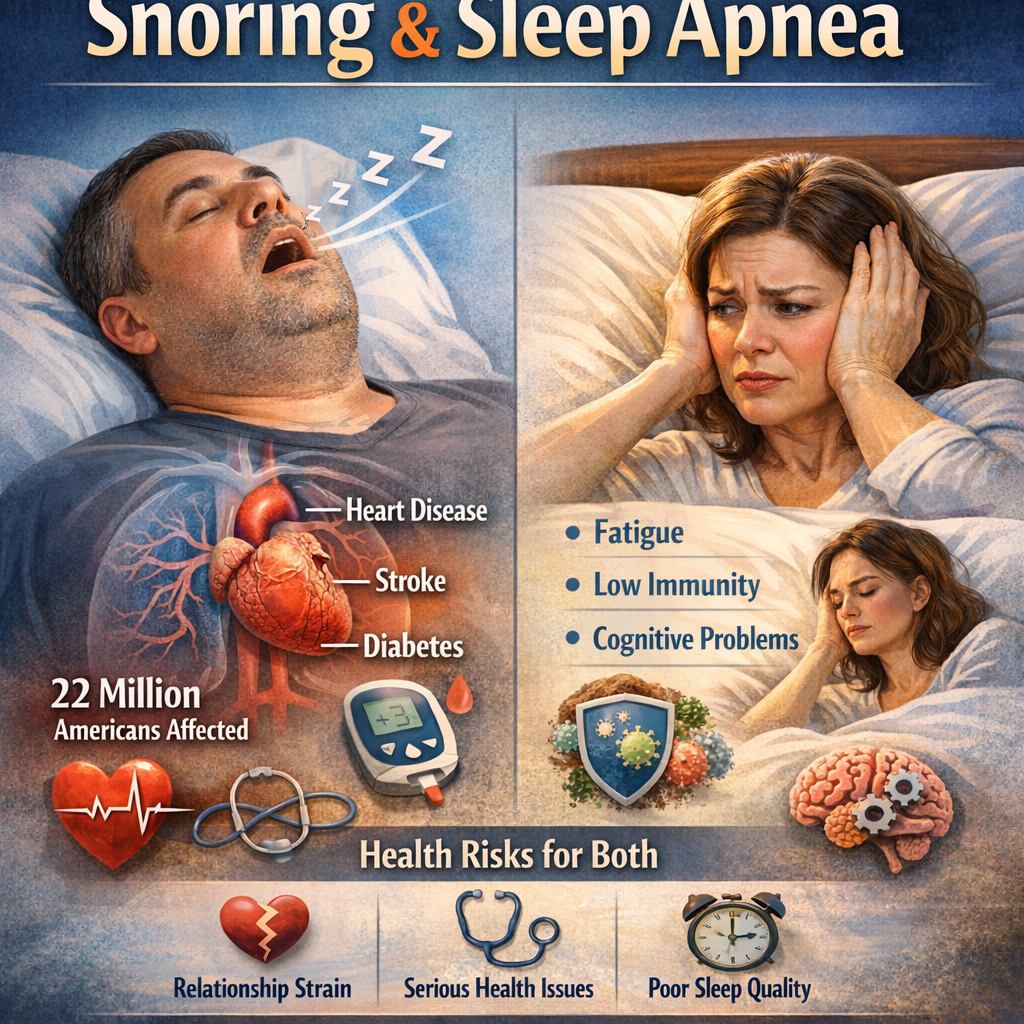
Snoring is more than just an annoying nighttime sound; it’s often a sign of underlying health issues such as obstructive sleep apnea (OSA). The American Sleep Apnea Association highlights that approximately 90 million Americans deal with snoring. It’s crucial to distinguish between benign snoring and the health-compromising OSA, which affects an estimated 22 million Americans. This disorder leads to repeated breathing interruptions during sleep, causing cardiovascular stress and potential health threats such as high blood pressure and stroke.
Ignoring snoring impacts both the snorer and their partner, affecting sleep quality and daily functioning. Sleep fragmentation can cause irritability and longer-term health issues like obesity and diabetes. Addressing this can improve overall health and relationship intimacy.
Features
Research, including a study by the American College of Cardiology, links sleep apnea to increased cardiovascular diseases. Inadequate oxygen during sleep stresses the heart, leading to issues like atrial fibrillation and heart failure.
The University of Arizona uncovered the impact of snoring on partners, noting fragmented sleep patterns leading to health issues like cognitive dysfunction. Snoring can worsen chronic conditions like Type 2 Diabetes due to increased stress hormones. A study in the Chest Journal found snorers often experience excessive daytime sleepiness, risking drowsiness-related accidents.
Conclusion
Snoring is not merely a nightly disturbance; it’s a potential health hazard. Addressing it with healthcare consultations or lifestyle changes improves sleep quality and well-being for couples. Recognizing and acting on the symptoms of snoring can prevent adverse health outcomes and enhance life quality.
### Summary
Snoring is often incorrectly seen as a trivial issue but can be an indicator of serious health concerns like obstructive sleep apnea, affecting millions. It’s crucial to distinguish between harmless snoring and health-compromising conditions as they impact both the snorer and their partner’s sleep quality. Research reveals links between sleep apnea, cardiovascular risks, and health impacts on partners, such as cognitive dysfunction. Raising awareness and taking action by consulting healthcare providers or implementing lifestyle changes could improve overall well-being and prevent adverse health consequences. Understanding snoring’s implications can enhance both personal health and relationship quality.

Dominic E. is a passionate filmmaker navigating the exciting intersection of art and science. By day, he delves into the complexities of the human body as a full-time medical writer, meticulously translating intricate medical concepts into accessible and engaging narratives. By night, he explores the boundless realm of cinematic storytelling, crafting narratives that evoke emotion and challenge perspectives.
Film Student and Full-time Medical Writer for ContentVendor.com