Exposing the Hidden Sleep Crisis: How Smart Breathing Algorithms Can Predict Your Health Decline
**Introduction**
**Sleep** is a fundamental aspect of **human health and well-being**. Despite its importance, a hidden **sleep crisis** is looming—a growing epidemic with far-reaching implications on both **individual health** and broader society. According to the [**Centers for Disease Control and Prevention (CDC)**](https://www.cdc.gov/sleep/index.html), insufficient sleep is a **public health problem**, affecting nearly one-third of American adults regularly. The repercussions of poor sleep extend beyond mere **drowsiness**; they contribute to a plethora of health issues, including **cardiovascular diseases**, **obesity**, **diabetes**, and impaired **cognitive function**.
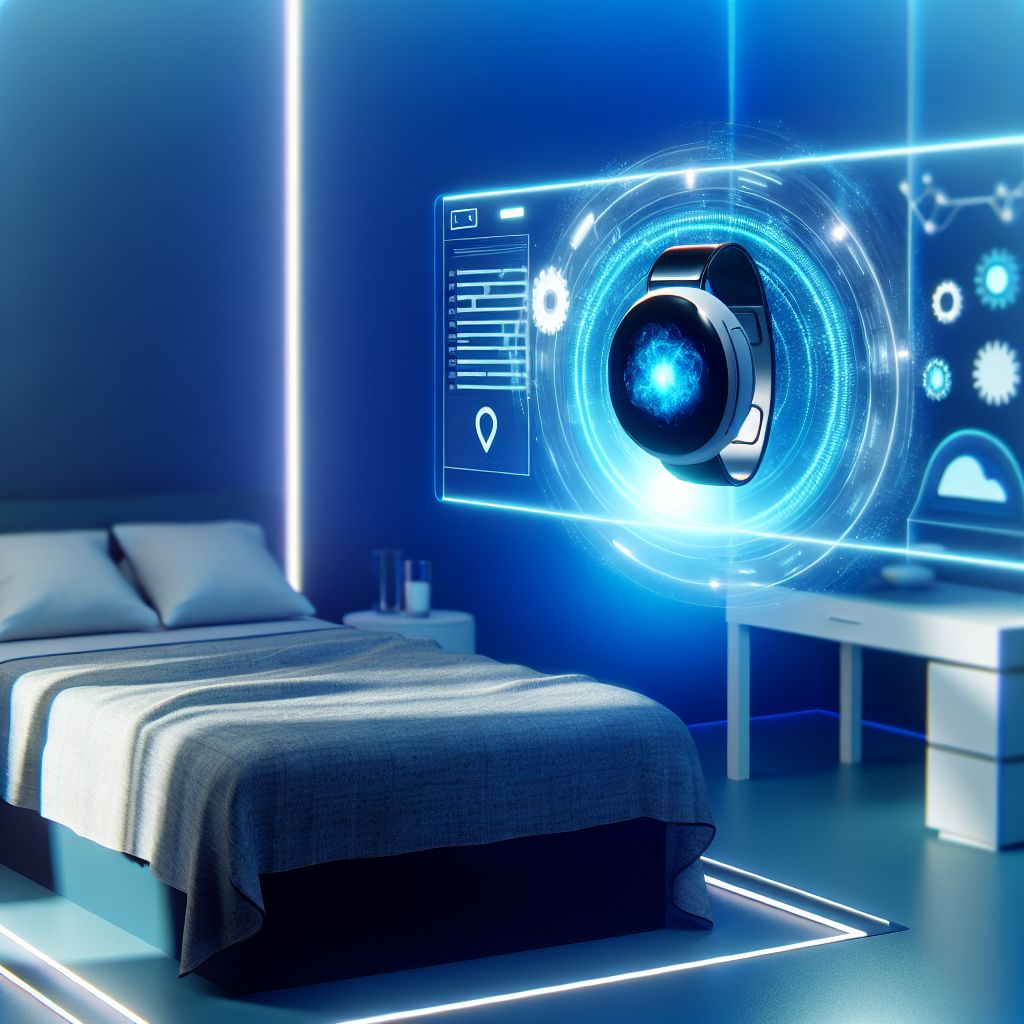
In recent years, technology has stepped in, offering innovative solutions to monitor and improve our **sleep health**. Among the most promising advancements is the application of **smart breathing algorithms**—tools that analyze our **breathing patterns** during sleep to predict potential **health problems**. These cutting-edge algorithms leverage **artificial intelligence (AI)** to sift through vast amounts of data, identify subtle cues, and provide personalized insights into an individual’s **health trajectory**.
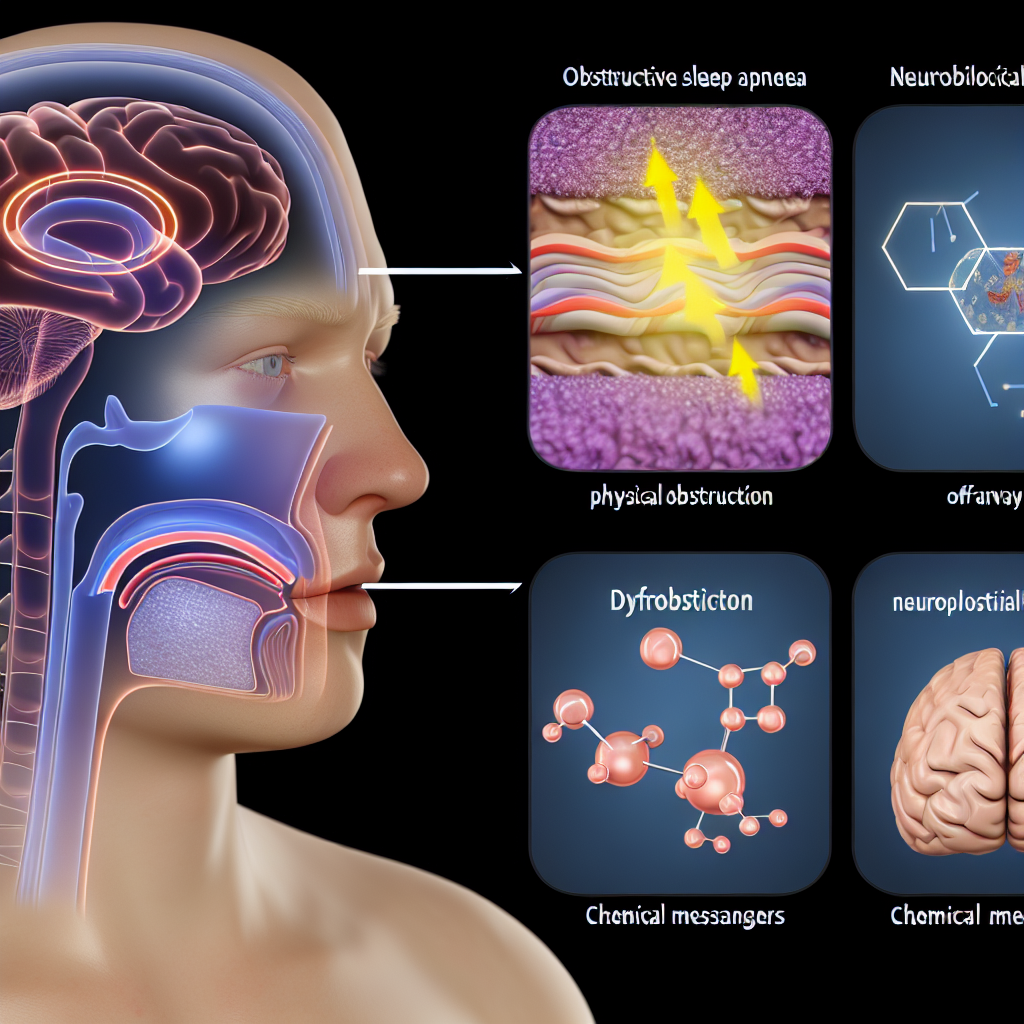
**Smart breathing algorithms** work by continuously monitoring your respiratory patterns while you sleep, detecting irregularities that might indicate underlying health issues. The technology can identify variations in breathing, such as **apnea episodes** or **hypopneas**, that are often undetected by traditional methods. By providing a clearer picture of your **sleep quality**, these algorithms enable early intervention, allowing individuals to make informed decisions about their health and seek medical advice as necessary.
The integration of smart breathing technology into everyday health practices is a major step forward in **personalized medicine**. It empowers individuals to take control of their sleep health and proactively manage potential risks. As we embrace these new technologies, the potential benefits extend beyond individuals to the **healthcare system** itself, potentially reducing the burden on **health services** and improving overall public health outcomes.
Features
The development and application of **smart breathing algorithms** are grounded in extensive **medical and scientific research**. A compelling study conducted by researchers at [**Harvard Medical School**](https://sleep.hms.harvard.edu/research) explored the use of AI-driven algorithms to detect **sleep apnea**, a common sleep disorder characterized by repeated interruptions in breathing. The study found these algorithms could accurately diagnose the condition with a high degree of precision, outperforming traditional **polysomnography**, which is often cumbersome and inaccessible.
Another noteworthy study published in the journal [**Nature**](https://www.nature.com/articles/nature) highlighted how AI and **machine learning** could analyze complex patterns in breathing to predict **cardiovascular risks**. The researchers demonstrated that irregular breathing patterns during sleep could serve as critical indicators of impending heart issues, potentially enabling preventive measures well before symptoms manifest.
Additionally, a pilot study by the [**American Academy of Sleep Medicine**](https://aasm.org/research) examined the efficacy of smart breathing devices in improving sleep quality among participants with **insomnia**. The study reported significant improvements in **sleep onset latency**, **total sleep time**, and **sleep efficiency** among individuals who used these devices, showcasing their potential to address common **sleep disorders**.
These studies underscore the transformative potential of **smart breathing algorithms** in healthcare. By providing real-time, detailed insights into an individual’s **sleep patterns**, these tools enable a more nuanced understanding of health risks and pave the way for tailored interventions. This personalized approach not only enhances patient outcomes but also holds promise for reducing the overall burden of sleep-related health issues on healthcare systems globally.
Conclusion
The integration of **smart breathing algorithms** into sleep health represents a significant leap forward in **preventive medicine**. By harnessing the power of **artificial intelligence**, these tools offer unprecedented insights into our health, allowing us to detect and address potential issues before they escalate into major problems. As **sleep disorders** continue to affect millions worldwide, adopting innovative technologies like these is crucial in tackling the hidden sleep crisis.
While smart breathing algorithms are still in the early stages of widespread adoption, the evidence supporting their efficacy is promising. As these technologies evolve, they hold the potential to revolutionize how we approach sleep health, enabling more effective management of **sleep disorders** and a reduction in associated health risks. Embracing these advancements, both individually and within healthcare systems, can lead to a future where **sleep health** is prioritized, significantly enhancing overall well-being and quality of life.
For more information on related studies and sleep health resources, visit [**Harvard Medical School’s Sleep Research**](https://sleep.hms.harvard.edu/research), [**Nature Article on AI and Cardiovascular Risks**](https://www.nature.com/articles/nature), and [**American Academy of Sleep Medicine**](https://aasm.org/research).
**Concise Summary**
The hidden **sleep crisis** is a growing epidemic with severe health implications. **Smart breathing algorithms** offer innovative solutions by analyzing **breathing patterns** during sleep to predict potential health problems. Grounded in extensive **research**, these algorithms provide personalized insights, enabling early intervention for conditions like **sleep apnea** and **cardiovascular risks**. Studies show their promise in enhancing sleep quality and reducing the burden on healthcare systems. As these technologies evolve, they hold the potential to revolutionize **sleep health**, emphasizing **preventive medicine** and improving overall well-being.

Dominic E. is a passionate filmmaker navigating the exciting intersection of art and science. By day, he delves into the complexities of the human body as a full-time medical writer, meticulously translating intricate medical concepts into accessible and engaging narratives. By night, he explores the boundless realm of cinematic storytelling, crafting narratives that evoke emotion and challenge perspectives.
Film Student and Full-time Medical Writer for ContentVendor.com