Revolutionizing Sleep Medicine with AI: The Next Frontier in Diagnosing Sleep Apnea and Longevity Enhancement
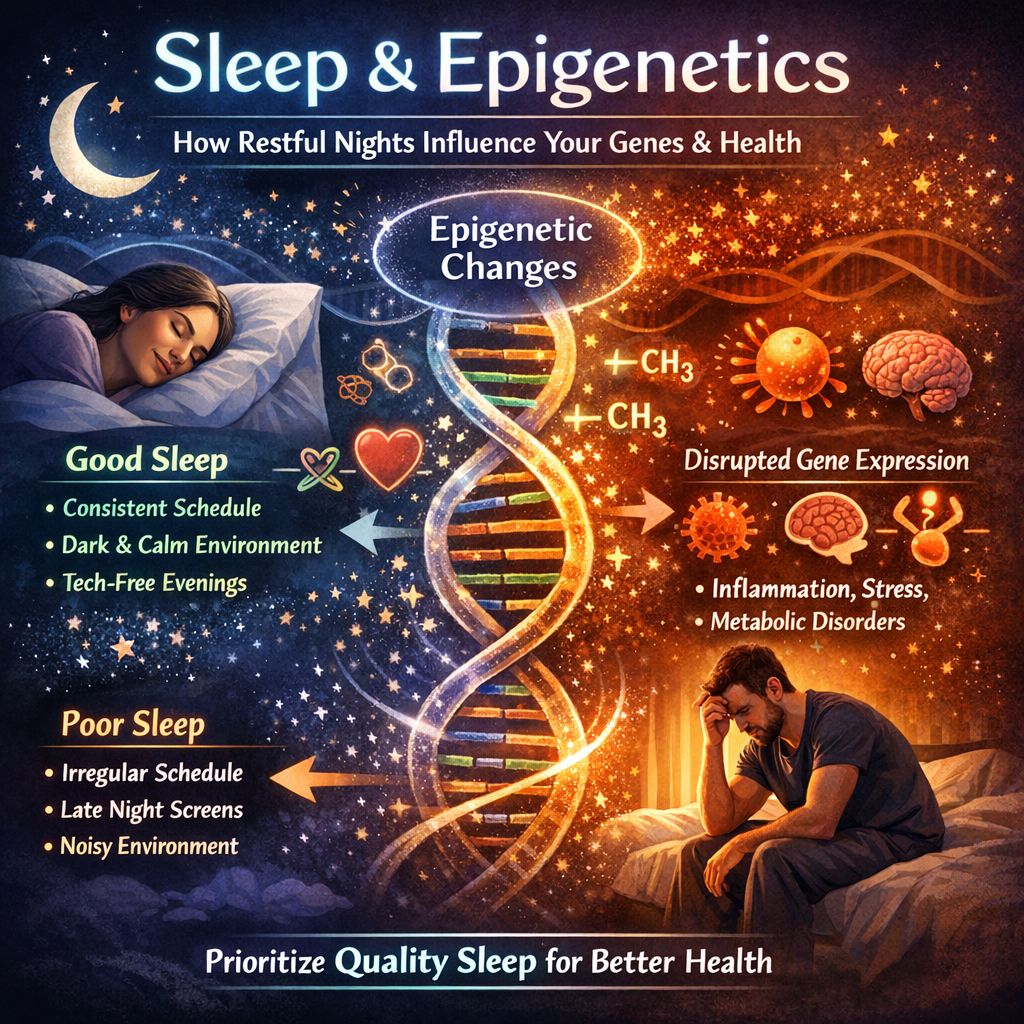
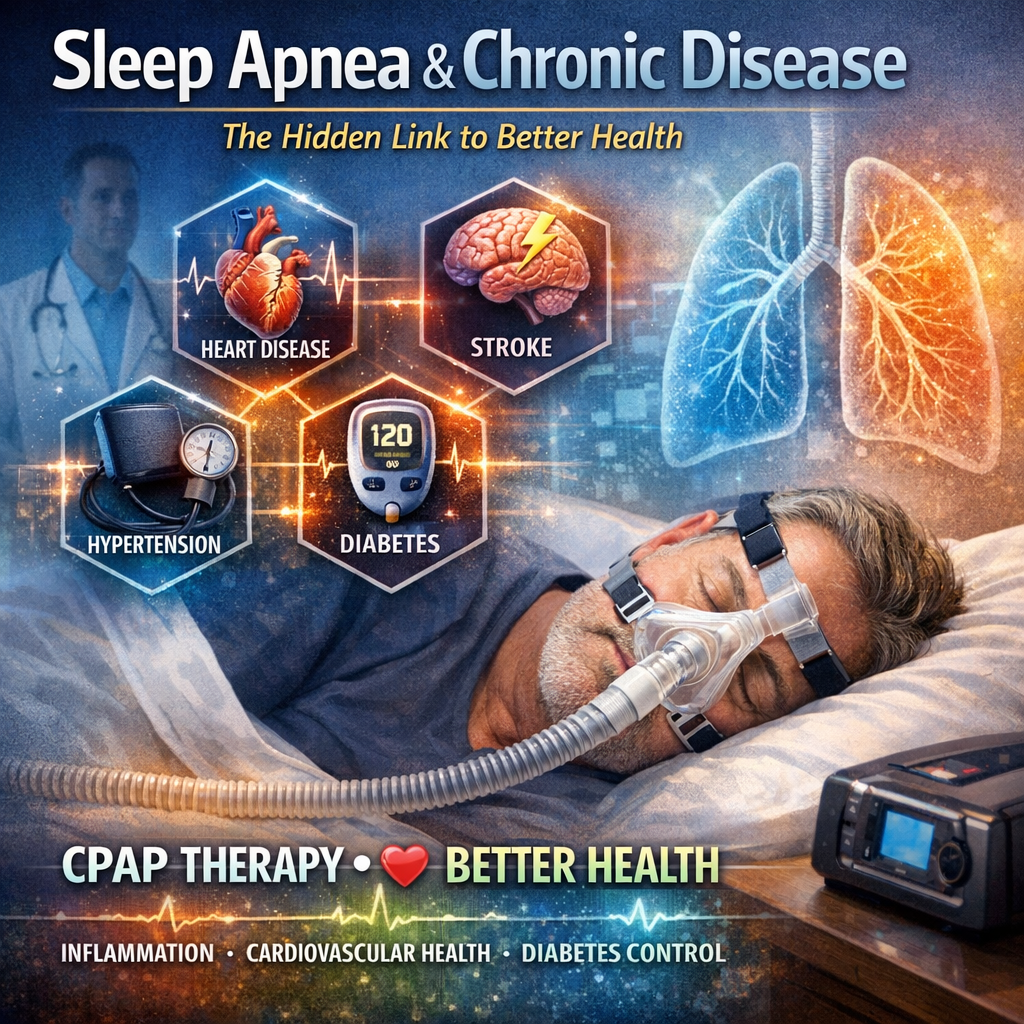
**Sleep** is an essential component of human health, akin to **nutrition** and **exercise**, yet many individuals struggle with attaining adequate rest. Among the most pervasive sleep disorders is **sleep apnea**, a condition characterized by repeated interruptions in breathing during sleep. While this disorder is most commonly associated with snoring, its potential to significantly impact health is profound. **Individuals with untreated sleep apnea** are at an increased risk for **high blood pressure**, **heart disease**, **diabetes**, and even decreased lifespan. Traditional methods of diagnosing and treating sleep apnea involve overnight sleep studies in clinical settings, which are not only cumbersome but also costly.
Enter the world of **artificial intelligence (AI)**: a revolutionary force sweeping across various fields, including medicine. AI has begun to show its prowess in diagnosing complex health issues with impressive accuracy, and **sleep medicine** is no exception. By harnessing the power of **machine learning algorithms**, AI systems can analyze vast amounts of data far more quickly and accurately than human doctors. This has profound implications for the diagnosis and management of sleep apnea—as well as for improving sleep quality and promoting longevity more generally.
Incorporating AI into sleep medicine represents the next frontier in healthcare innovation. Through the use of devices equipped with sensors and **machine learning capabilities**, it is possible to monitor sleep patterns, detect abnormalities, and even predict the likelihood of sleep disorders without invasive procedures. These AI-driven advancements hold the promise of transforming not just how we diagnose sleep apnea, but also how we tailor individual treatments and interventions. The potential for AI to enhance longevity by bolstering sleep health is vast, offering exciting opportunities to alter the landscape of sleep medicine.
Features: Recent Advances in Sleep Medicine and AI
Recent studies have begun to explore the potential of AI in sleep disorder diagnosis, revealing encouraging results. A study published in the [Journal of Clinical Sleep Medicine](https://jcsm.aasm.org/doi/10.5664/jcsm.9268) demonstrated how AI algorithms can be trained on large datasets of polysomnography results—the gold standard for sleep studies—to detect signs of sleep apnea with an accuracy that rivals traditional methods. This marks a significant step forward, as AI systems can provide rapid diagnostic feedback while eliminating the need for patients to undergo inconvenient overnight clinic visits.
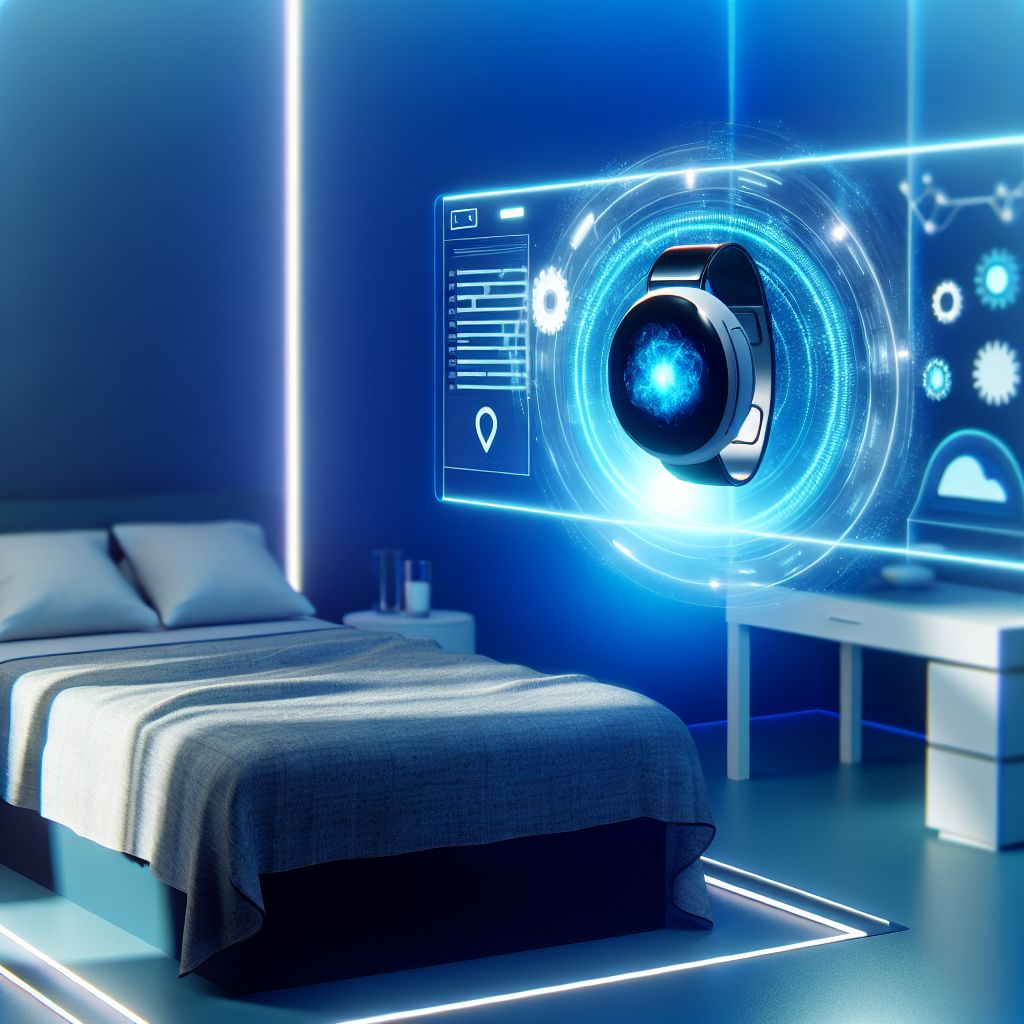
Moreover, AI technology’s application in wearable sleep monitoring devices offers a more accessible approach for individuals to assess their sleep health in the comfort of their own homes. Devices equipped with AI capabilities, such as smartwatches or fitness bands, have shown promise in monitoring sleep stages, detecting breathing irregularities, and even differentiating between central and obstructive sleep apnea. Such insight is invaluable for tailoring effective treatment plans and ensuring more personalized patient care.
In terms of longevity enhancement, a report by the [National Sleep Foundation](https://www.sleepfoundation.org/sleep-hygiene) underscores the importance of sleep quality in promoting long-term health. AI technology is innovating here as well, by identifying patterns and behaviors that diminish sleep quality, thus empowering individuals to make informed lifestyle changes. Additionally, AI can analyze an individual’s entire ecosystem of health data, including sleep patterns, to optimize overall health and predict long-term outcomes.
A collaboration between sleep specialists and AI researchers, as highlighted in a 2022 article from [Nature Digital Medicine](https://www.nature.com/articles/s41746-022-00555-0), demonstrates the integration of AI with existing medical practices. The technology not only supports clinicians with advanced diagnostic tools but also offers predictive analyses that anticipate future health conditions based on current sleep behaviors and genetic predispositions.
Conclusion
The integration of artificial intelligence into sleep medicine is indeed a groundbreaking development with tremendous potential. With the capability to diagnose sleep apnea more efficiently and accurately than traditional methods, AI is on the verge of revolutionizing the field. These technological advances pave the way for more personalized treatment approaches, enabling individuals to reclaim their sleep quality and, by extension, enhance their overall longevity.
Implementing AI in sleep medicine does more than just refine diagnostics; it embraces a holistic vision of health. By capturing a complete picture of one’s sleep health and predicting future risks, AI supports proactive healthcare strategies that are essential for fostering long-term well-being. As AI technology continues to advance and become more integrated into daily life, its role in enhancing sleep health and fostering longevity will likely become indispensable.
**Concise Summary:** The integration of **artificial intelligence** into **sleep medicine** is transforming the diagnosis and management of **sleep apnea**, offering enhanced accuracy and convenience over traditional methods. Through AI-driven devices and machine learning, sleep patterns and disorders are monitored more effectively, improving individual treatment plans and overall health outcomes. As AI continues to advance, its role in promoting both sleep quality and longevity becomes increasingly vital, supporting proactive health strategies in a rapidly evolving medical landscape.

Dominic E. is a passionate filmmaker navigating the exciting intersection of art and science. By day, he delves into the complexities of the human body as a full-time medical writer, meticulously translating intricate medical concepts into accessible and engaging narratives. By night, he explores the boundless realm of cinematic storytelling, crafting narratives that evoke emotion and challenge perspectives.
Film Student and Full-time Medical Writer for ContentVendor.com