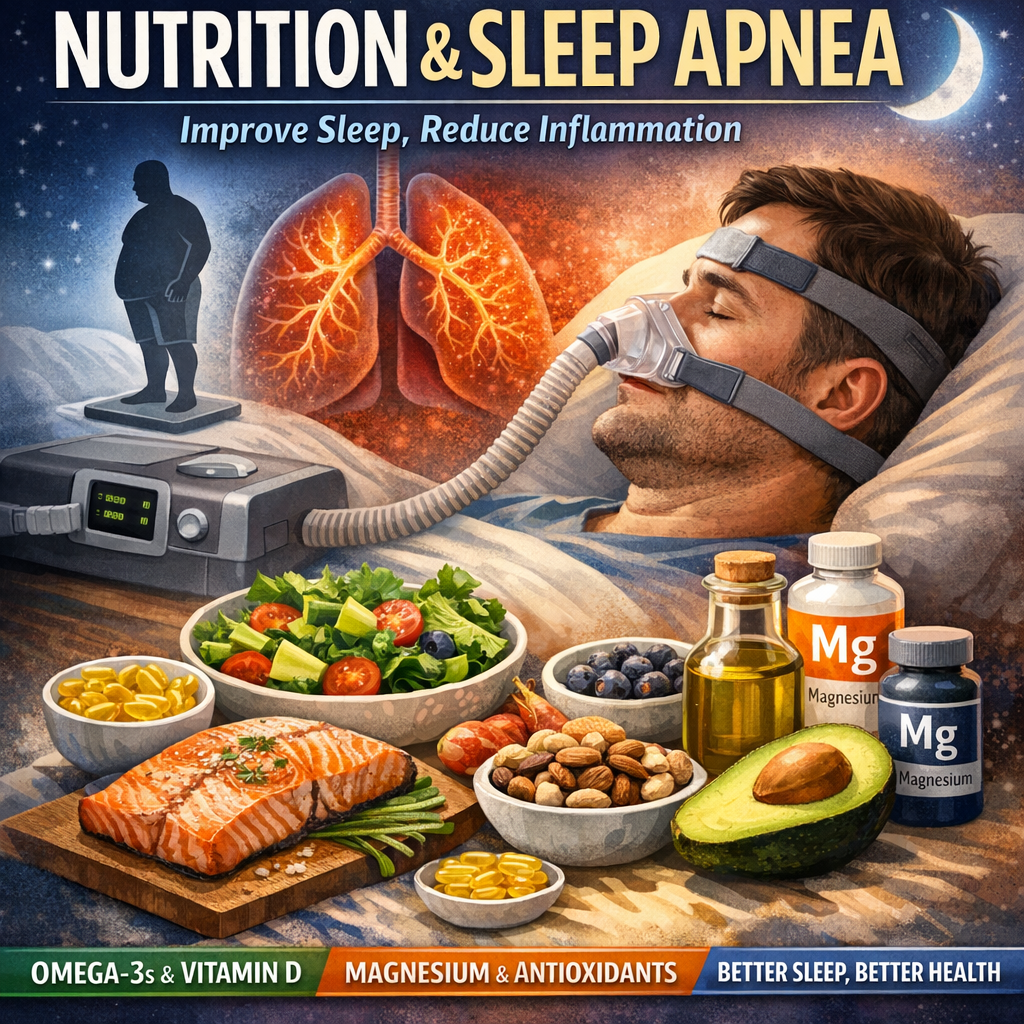
Unlocking the Metabolic Blueprint for Sleep Apnea: How Targeted Nutritional Interventions Can Transform Respiratory Health
Introduction
In today’s world, **sleep apnea** has become a major **public health concern**, affecting many people regardless of age. This condition, marked by interrupted breathing during sleep, results in poor sleep quality and is linked to **cardiovascular diseases**, **metabolic disorders**, and **cognitive impairments**. While **CPAP machines** and lifestyle changes like exercise and weight loss remain standard treatments, new research suggests that **targeted nutritional interventions** can significantly manage sleep apnea.
Recent studies explore the deep connections between nutrition, metabolic health, and respiratory function. The **metabolic blueprint** for sleep apnea is influenced by nutrient intake and dietary habits. Diets high in processed foods, sugars, and unhealthy fats can worsen inflammation and lead to obesity, a primary risk factor for sleep apnea. By contrast, a nutrient-rich diet focusing on whole foods, lean proteins, healthy fats, and complex carbohydrates may positively impact metabolic health, reducing the severity of **sleep apnea symptoms**.
Exploring the link between diet and respiratory health reveals that **food choices** deeply affect sleep. Nutrients like **omega-3 fatty acids**, **magnesium**, and **vitamin D** can improve respiratory function by reducing inflammation, supporting muscle function, and enhancing overall metabolic health. As sleep apnea’s impact increases worldwide, understanding dietary interventions as both preventive and complementary therapies could transform future sleep health strategies.
Features
Studies link **metabolic health** to respiratory conditions like sleep apnea. A pivotal study published in the American Journal of Respiratory and Critical Care Medicine highlighted the significance of weight management in relation to sleep apnea severity. Modest weight loss led to notable improvements in patients with obstructive sleep apnea.
Additionally, trials have explored nutrient interventions in managing sleep apnea. A study in the journal “Chest” examined Mediterranean-type diets’ impact on sleep apnea, with findings showing improved sleep quality and apnea-hypopnea indices in participants adhering to these diets.
**Omega-3 fatty acids** found in fish oils counteract inflammation often present in sleep apnea. According to research in the American Journal of Clinical Nutrition, higher omega-3 intake associates with reduced sleep apnea symptoms and improved respiratory health.
**Magnesium**, essential for various biochemical processes, can enhance sleep quality. A study in the Journal of Research in Medical Sciences found magnesium supplementation improved sleep quality measures among elderly with low magnesium levels.
Understanding these connections shows how targeted nutritional strategies can complement traditional treatments, helping manage sleep apnea effectively. With evidence supporting metabolic influences on sleep health, dietary interventions tailored to individual metabolic blueprints hold promise in transforming respiratory health management.
Conclusion
The relationship between nutrition, metabolic health, and sleep apnea highlights the need for a holistic approach to managing this condition. Recognizing diet’s impact on metabolism and respiratory function offers individuals with sleep apnea a chance to introduce targeted **nutritional interventions** into their treatment regimen. These interventions can alleviate apnea symptoms and may reduce risks like obesity and cardiovascular diseases.
Future research should keep exploring how nutrients affect sleep and respiratory health for personalized dietary recommendations. Public awareness of diet-sleep connections allows healthcare providers to empower patients in making informed choices that promote restorative sleep. Unlocking the metabolic blueprint for sleep apnea can transform respiratory health and quality of life for millions worldwide.
**Concise Summary**
Sleep apnea, a growing public health issue, disrupts breathing during sleep and links to various health problems. Traditional treatments include CPAP machines and lifestyle changes, but research now suggests that targeted nutritional interventions can help manage sleep apnea. Diets high in processed foods worsen inflammation and obesity—a significant risk factor—while a nutrient-rich diet improves metabolic health and reduces symptoms. Nutrients like omega-3s, magnesium, and vitamin D enhance respiratory function by reducing inflammation. Exploring these relationships allows tailored dietary interventions alongside standard treatments, offering new, holistic ways to improve sleep apnea outcomes and overall health.

Dominic E. is a passionate filmmaker navigating the exciting intersection of art and science. By day, he delves into the complexities of the human body as a full-time medical writer, meticulously translating intricate medical concepts into accessible and engaging narratives. By night, he explores the boundless realm of cinematic storytelling, crafting narratives that evoke emotion and challenge perspectives.
Film Student and Full-time Medical Writer for ContentVendor.com