Why Sleep Apnea Could Be the Key to Unlocking Breakthroughs in Longevity Science
Introduction
**Sleep apnea**, a condition characterized by repeated interruptions in breathing during sleep, has emerged as a focal point in the field of **longevity science**. While often considered merely a source of disrupted sleep and daytime fatigue, sleep apnea might have deeper implications, affecting both the quality and duration of life. As researchers explore the complex connections between **sleep disorders** and **systemic health issues**, the potential of sleep apnea as a key player in longevity science is garnering substantial attention.
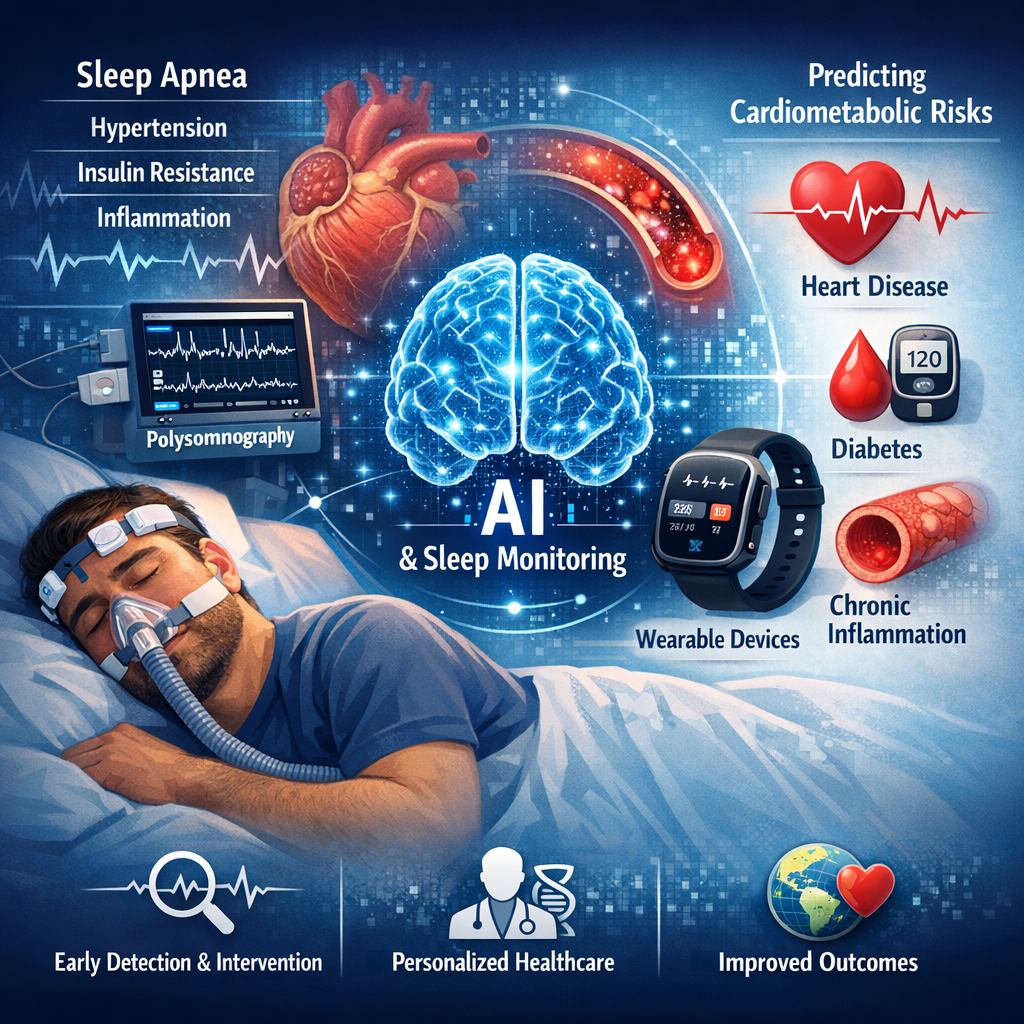
**Understanding sleep apnea** involves recognizing its primary types: **obstructive sleep apnea (OSA)**, **central sleep apnea**, and **complex sleep apnea syndrome**. OSA, the most prevalent form, occurs when throat muscles intermittently relax and block the airway during sleep. This leads to fragmented sleep and reduced blood oxygen levels, contributing to multiple health problems, such as **cardiovascular diseases**, **stroke**, and **metabolic disorders**.
The connection between sleep apnea and chronic health issues forms the crux of its link to longevity. With aging populations worldwide, the burden of age-related diseases escalates, intensifying the quest to extend healthy lifespan. Interestingly, recent studies have shown that addressing sleep disorders like sleep apnea might not only improve sleep but also enhance overall health, potentially increasing lifespan. Researchers speculate that the **intermittent hypoxia** (low oxygen levels) associated with sleep apnea could mimic certain cellular stress responses known to promote longevity, such as **hormesis**, where mild stressors activate beneficial adaptation processes in the body.
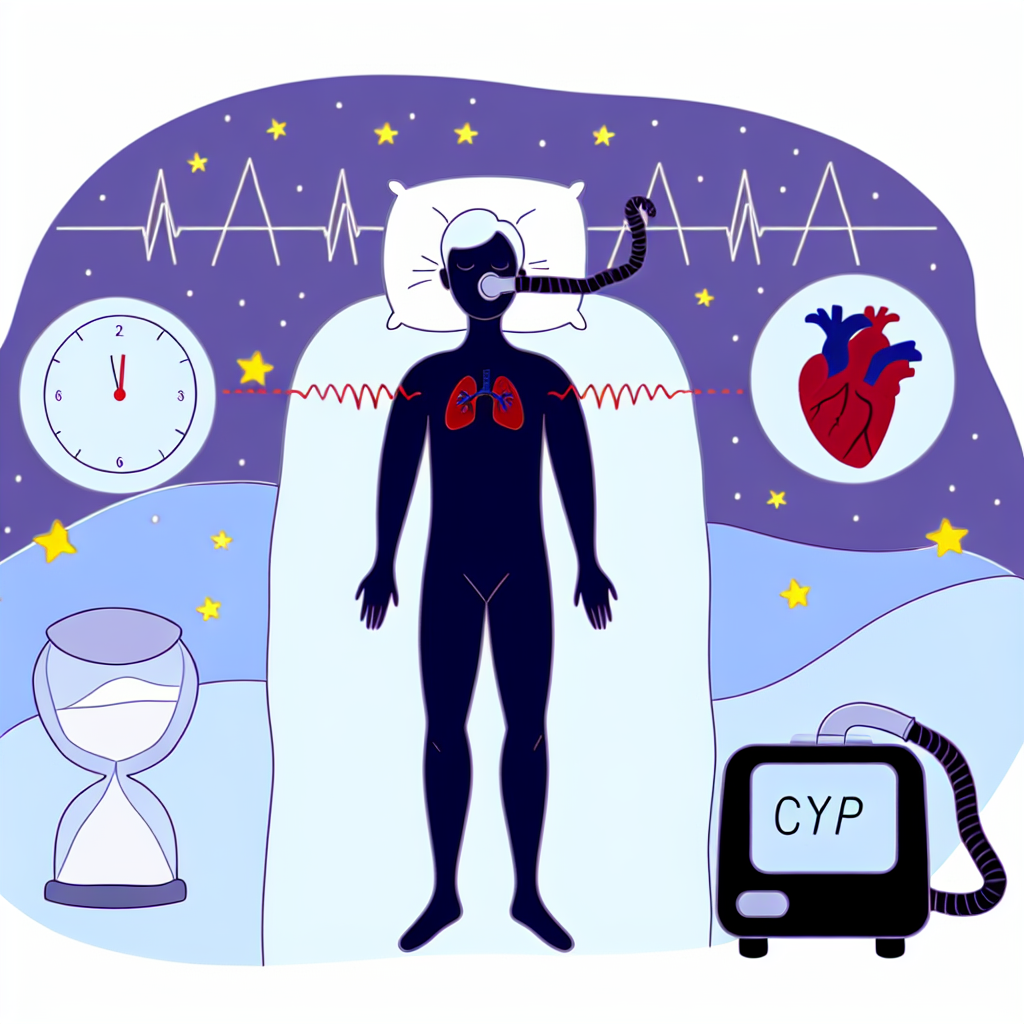
Moreover, the management of sleep apnea, especially through **continuous positive airway pressure (CPAP) therapy**, has demonstrated improvements in various health parameters. CPAP, by maintaining open airways during sleep, alleviates symptoms and reduces related health risks. Studies have linked CPAP adherence to lowered blood pressure, better glucose metabolism, and improved cognitive functioning, all of which are essential for a longer, healthier life.
In harnessing the potential of sleep apnea management for longevity science, researchers are now exploring the genetic and molecular mechanisms underlying both sleep disorders and aging processes. The potential to unlock breakthroughs in lifespan extension through the prism of sleep apnea paves the way for innovative research directions, promising insights not only into the treatment of sleep disorders but also into promoting overall longevity.
Features
Recent studies have highlighted the far-reaching impact of sleep apnea on health and aging. A pivotal study published in the **American Journal of Respiratory and Critical Care Medicine** [here](https://www.atsjournals.org/doi/full/10.1164/rccm.201911-2193OC) explored the relationship between sleep apnea and cardiovascular health. The researchers discovered that individuals with untreated moderate to severe obstructive sleep apnea had a significantly higher risk of heart failure, obesity, and hypertension, all of which are critical factors in reduced life expectancy.
Further investigating the connections between sleep apnea and longevity, a study in the **Journal of Sleep Research** [here](https://onlinelibrary.wiley.com/doi/full/10.1111/jsr.12990) delved into how CPAP therapy could mitigate the adverse effects linked to the disorder. Participants using CPAP showcased improvements in quality of life measures and reduction in cardiovascular risks, highlighting the potential of effective sleep apnea management in promoting longer, healthier lives.
At a cellular level, research published in **Nature Aging** [here](https://www.nature.com/articles/s43587-021-00020-6) discussed how intermittent hypoxia, a trademark of sleep apnea, might play a role in longevity. The study indicated that intermittent oxygen deprivation triggers adaptive responses similar to those seen in calorie restriction, a well-documented intervention known to extend lifespan in various organisms. This phenomenon suggests that sleep apnea, typically considered detrimental, might activate beneficial stress responses that hold keys to longevity.
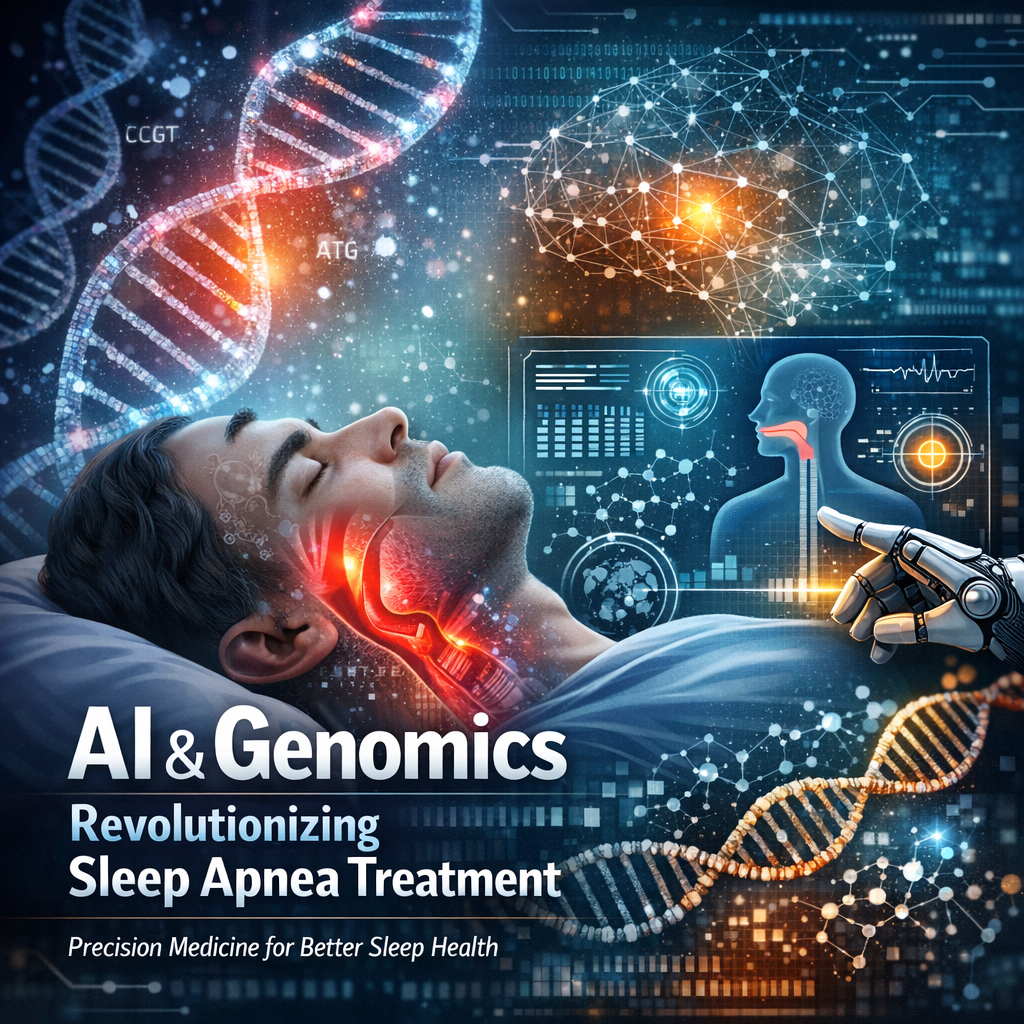
The investigation into genetic markers reveals further insights. By uncovering genes linked with both sleep regulation and aging, researchers can target these pathways to develop interventions that address age-related sleep disorders while also promoting longevity. In-depth genomic studies, such as those supported by the **National Institutes of Health (NIH)** [here](https://www.nih.gov/news-events/news-releases/sleep-impacts-factors-involved-longevity), are pivotal in advancing our understanding of these overlapping biological processes, opening new avenues for clinical interventions.
Conclusion
In conclusion, sleep apnea’s potential role in longevity science is becoming increasingly evident. By exploring how sleep apnea affects systemic health and discovering interventions to manage it, we can unlock new pathways to extend not just lifespan but health span. The nexus between **sleep management** and **chronic disease prevention** offers promising insights for medical professionals, researchers, and patients alike. As we continue to unravel the complex biological interactions underlying sleep apnea and aging, pioneering strategies could emerge, aimed at promoting healthier, longer lives. By tackling sleep apnea proactively, we may indeed discover one of the keys to unlocking human longevity, enhancing the quality and duration of life for generations to come.
Concise Summary
Sleep apnea, a prevalent sleep disorder, is gaining attention in longevity science due to its potential impact on overall health and lifespan. Studies suggest a link between sleep apnea and age-related diseases, emphasizing the disorder’s implications on cardiovascular and metabolic health. Management of sleep apnea, especially through CPAP therapy, has shown improvements in health metrics vital for longevity. Moreover, the intermittent hypoxia associated with sleep apnea might activate hormesis, a stress response beneficial for longevity. By understanding and addressing sleep apnea, new pathways in lifespan extension and health promotion could be unlocked, offering profound impacts on human longevity.

Dominic E. is a passionate filmmaker navigating the exciting intersection of art and science. By day, he delves into the complexities of the human body as a full-time medical writer, meticulously translating intricate medical concepts into accessible and engaging narratives. By night, he explores the boundless realm of cinematic storytelling, crafting narratives that evoke emotion and challenge perspectives.
Film Student and Full-time Medical Writer for ContentVendor.com