The Next Frontier in Sleep Medicine: Unlocking the Role of Gut Microbiome in Sleep Apnea Treatment
**Introduction:**
**Sleep apnea**, a disorder marked by **interrupted breathing** during sleep, has been extensively researched due to its association with various health complications, such as **cardiovascular disease**, **diabetes**, and **cognitive impairments**. Traditionally, treatments focused on **lifestyle** changes, **CPAP** therapy, and surgery. However, a new interest area in **gut microbiome** research is emerging, promising a potential paradigm shift in understanding and treating sleep apnea. The intricate ecosystem of the **gut microbiome**, including trillions of **bacteria**, **viruses**, and **fungi**, significantly influences bodily functions, such as digestion and immune responses, and is now linked to **sleep quality** and disorders like sleep apnea.
**Gut-Brain Axis:**
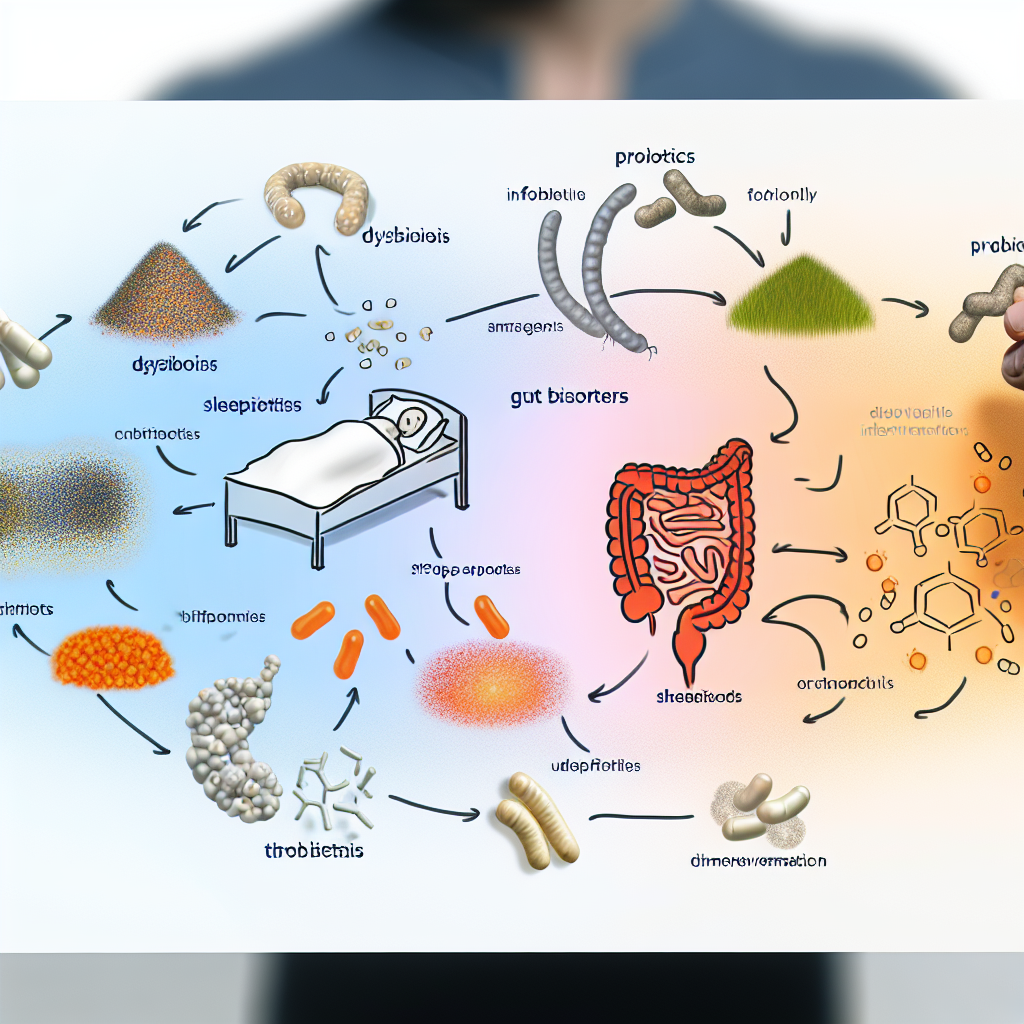
The **gut-brain axis** is a critical communication network connecting the gut and the central nervous system, playing a pivotal role in regulating sleep. This interaction ensures biochemical pathways are regulated effectively, impacting sleep patterns and potentially serving as a new therapeutic target for sleep apnea. The relationship between **gut health** and sleep apnea underscores the potential for gut microbiome-targeted treatments to revolutionize sleep disorder management. Recent studies indicate that a disruptive microbiome, known as **dysbiosis**, may worsen airway inflammation, influencing sleep apnea severity. Furthermore, gut-derived **metabolites** are crucial in impacting sleep physiology, paving the way for **personalized sleep apnea interventions** focusing on gut health. This holistic approach encompasses not only diet but also lifestyle and mental well-being, providing a comprehensive strategy to manage sleep disorders.
**Features:**
Groundbreaking studies support the exploration of the gut microbiome’s role in sleep apnea therapy. One significant study published in **Scientific Reports** discovered notable differences in the **microbiomes** of sleep apnea patients compared to healthy individuals, revealing a reduction in microbiome diversity and predominance of pro-inflammatory bacteria in apnea sufferers. This **dysbiosis** seems to exacerbate systemic inflammation, commonly seen in sleep apnea sufferers.
Another study in the **Journal of Clinical Sleep Medicine** explored the impact of **gut metabolites** on sleep regulation. It highlighted the role of **short-chain fatty acids (SCFAs)**, produced by beneficial gut bacteria, in modulating sleep architecture. These metabolites influence the central nervous system and impact **sleep cycles** and quality, emphasizing the potential for dietary interventions or **probiotic supplementation** to support beneficial bacteria producing sleep-enhancing metabolites.
Emerging research suggests **targeted microbiome restoration** as a therapeutic strategy to improve sleep apnea outcomes. A controlled trial in **Gut Microbes** demonstrated that **probiotics supplementation** significantly improved sleep quality indicators in patients with **respiratory disorders**. These findings imply that microbiome modification might mitigate inflammatory processes linked to apnea episodes, offering supportive treatment alongside conventional therapies.
Furthermore, the **gut-brain-microbiome axis** suggests that psychological well-being and **stress management** are integral to sleep health. Stress-related **gut microbial composition** changes can worsen sleep fragmentation in apnea patients, emphasizing the importance of holistic interventions, including mindfulness and therapy.
**Conclusion:**
As the understanding of the connection between the **gut microbiome** and **sleep apnea** grows, it opens new horizons for personalized medicine. Targeting the microbiome provides a promising adjunctive approach to traditional treatments, aiming to reduce inflammation, improve sleep quality, and enhance overall wellness. While further research is necessary to understand these complex interactions, integrating microbiome-focused strategies offers a holistic perspective on managing sleep apnea.
The potential to tailor treatments based on individual microbiome compositions could revolutionize patient care, aligning with the broader trend in precision health. By unraveling the gut microbiome’s complexities, sleep medicine is set to enter a new frontier where **integrative treatment strategies** become the foundation for managing **sleep apnea** effectively. Collaboration between sleep specialists, microbiome researchers, and healthcare professionals is vital for translating these insights into accessible treatments for individuals struggling with sleep apnea.
**Concise Summary:**
The study explores the potential of the gut microbiome in revolutionizing sleep apnea treatment. Traditionally managed through lifestyle changes, CPAP, and surgery, new research highlights the gut’s role in sleep regulation via the gut-brain axis. Dysbiosis in the microbiome could worsen airway inflammation. Short-chain fatty acids from beneficial bacteria appear to enhance sleep. Studies show probiotics can improve sleep quality, indicating gut-targeted therapies as promising adjunct treatments. Emphasizing individual microbiome-based treatment, this research aligns with precision health trends, potentially transforming sleep apnea management into a more holistic, customized approach, focusing on overall wellness and mental health.
**References:**
1. [Scientific Reports: Impact of Gut Microbiome on Sleep Apnea](https://www.nature.com/srep/)
2. [Journal of Clinical Sleep Medicine: Gut Metabolites and Sleep Regulation](https://jcsm.aasm.org/)
3. [Gut Microbes: Probiotics and Sleep Quality](https://www.tandfonline.com/toc/kgmi20/current)

Dominic E. is a passionate filmmaker navigating the exciting intersection of art and science. By day, he delves into the complexities of the human body as a full-time medical writer, meticulously translating intricate medical concepts into accessible and engaging narratives. By night, he explores the boundless realm of cinematic storytelling, crafting narratives that evoke emotion and challenge perspectives.
Film Student and Full-time Medical Writer for ContentVendor.com