Unlocking the Potential of Personalized Chrononutrition: How Timing Your Micronutrients Can Revolutionize Sleep Quality
Introduction
In our increasingly fast-paced world, achieving quality sleep remains elusive for many. While numerous factors contribute to restful slumber, emerging research suggests that the **timing of nutrient intake**—specifically **micronutrients**—could be a powerful tool in revolutionizing our sleep quality. This concept, referred to as “**chrononutrition**,” examines the interplay between our **biological clocks** and **nutrition**. Essentially, it posits that **when we consume food** might be just as crucial as what or how much we consume.
Our body’s internal clock, also known as the **circadian rhythm**, regulates various physiological processes, including the **sleep-wake cycle**. This rhythm can be influenced by numerous external cues, such as light exposure and food intake. Although **macronutrients** like carbohydrates and proteins often dominate dietary discussions, **micronutrients**—vitamins and minerals—play essential roles in sleep regulation. For instance, **magnesium** helps regulate **melatonin**, the hormone crucial for sleep, while deficiencies in **vitamin D** have been linked to sleep disorders.
Chrononutrition aims to align nutrient consumption with our body’s natural rhythms, thereby optimizing physiological functions, including sleep. Imagine having the power to enhance your sleep quality not by altering your dietary content drastically but by tweaking when you consume certain nutrients. Whether you’re a student, a working professional, or a retiree, understanding and implementing the principles of chrononutrition can offer a personalized pathway to better sleep—potentially enhancing mood, cognitive function, and overall wellbeing.
As our understanding of chrononutrition grows, so does the potential to tailor personalized dietary strategies, optimizing not just sleep but numerous aspects of human health. This burgeoning field bridges the gap between nutrition, sleep science, and chronobiology, thus offering a holistic approach to health management. In this article, we’ll explore groundbreaking studies underscoring the connection between micronutrient timing and sleep, the practical implications for everyday life, and how these insights can pave the way for enhanced sleep health for people of all ages.
Features: Insights from Professional Studies
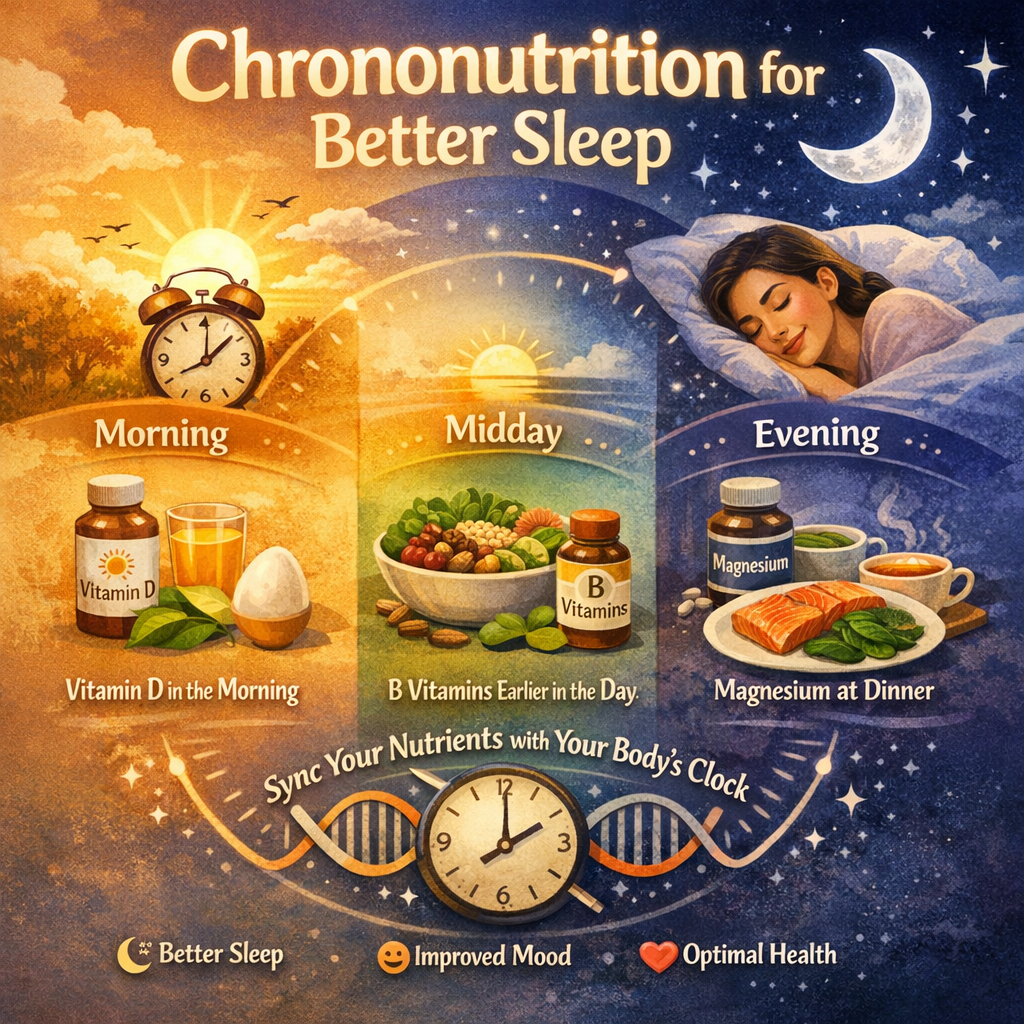
Recent studies underscore the potential of personalized chrononutrition in improving sleep quality. Research published in the journal “Nutrients” highlights the influence of **micronutrient timing** on sleep patterns. One study demonstrated that individuals who consumed **magnesium-rich foods** during dinner experienced significant improvements in **sleep efficiency** and reduced the time needed to fall asleep. This aligns with magnesium’s ability to regulate neurotransmitters and melatonin production crucial for inducing sleep.
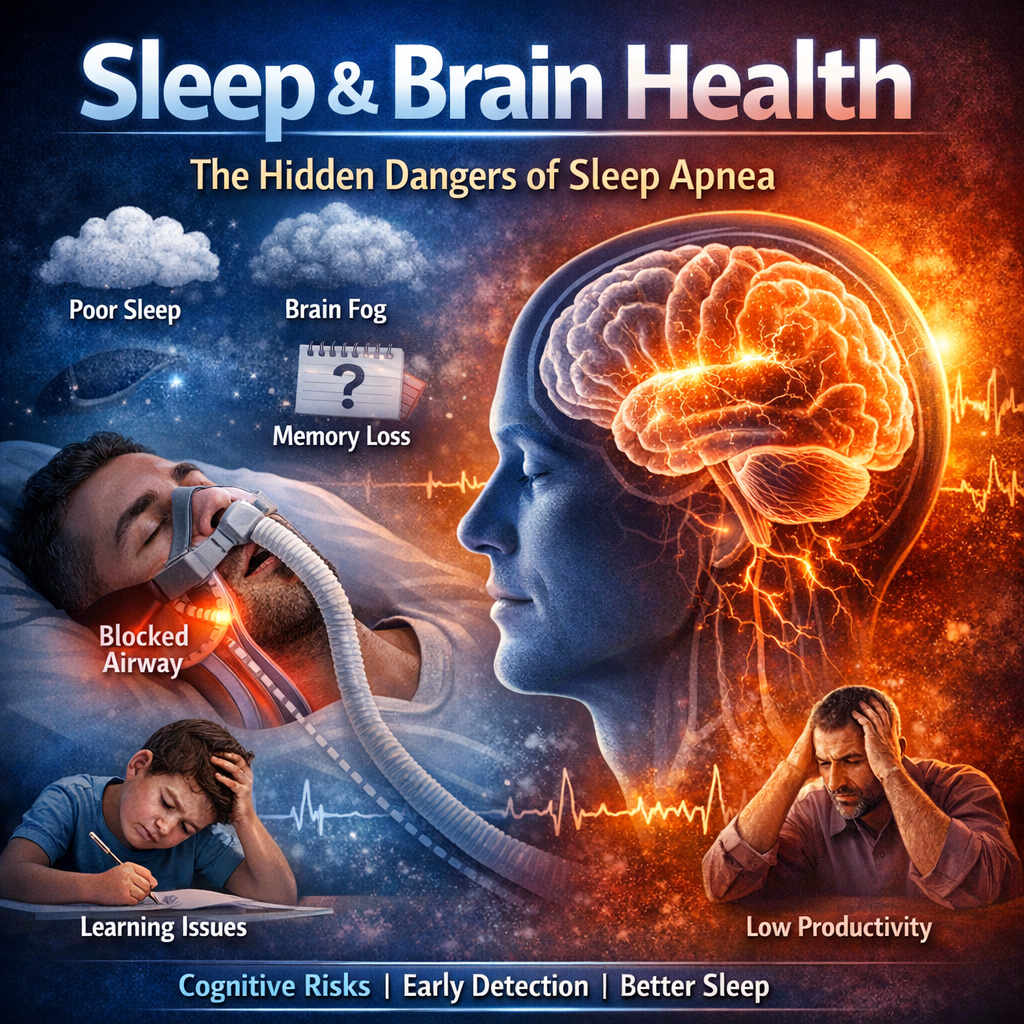
**Vitamin D** also plays a pivotal role in chrononutrition and sleep quality. A study published in the “Journal of Clinical Sleep Medicine” found that adequate vitamin D levels are associated with higher sleep efficiency and less wakefulness during the night. Conversely, deficiency in vitamin D can disturb sleep regulation, leading to conditions like insomnia and sleep apnea. Ensuring that vitamin D intake is aligned with the body’s natural circadian rhythm—ideally in the morning when sunlight can enhance absorption and synthesis—can optimize its sleep-promoting effects.
Another fascinating study explored the timing of **B-vitamin intake**. B vitamins, particularly **B6**, help synthesize serotonin, a neurotransmitter that influences melatonin levels. A trial documented in “Psychopharmacology” found that participants who consumed B-vitamin supplements earlier in the day reported improved sleep quality compared to those who took it at night. This suggests that timing B-vitamin consumption may be essential in leveraging its benefits for sleep.
These studies collectively illustrate that the timing of micronutrient intake can significantly impact sleep patterns. By syncing nutrient consumption with our circadian rhythms, individuals can potentially enhance sleep quality, reduce sleep onset latency, and improve overall health outcomes. As research continues, the promise of chrononutrition not only enhances our understanding of sleep but also opens up novel, non-invasive avenues for sleep improvement.
Conclusion
The intersection of **chronobiology** and **nutrition** represents a cutting-edge frontier in sleep science. As we unlock the potential of personalized chrononutrition, it’s clear that the timing of micronutrient intake holds the key to revolutionizing sleep quality. This approach doesn’t demand drastic lifestyle overhauls; rather, it encourages subtle shifts that align with our natural biological rhythms. By harnessing the power of chrononutrition, individuals can pave the way for restorative slumber, improved health, and enhanced quality of life.
Education on the importance of nutrient timing could be groundbreaking for individuals across all life stages. From helping teenagers cope with academic demands to supporting the elderly in maintaining cognitive health, the applications of chrononutrition in promoting better sleep and overall wellbeing are vast. Armed with these insights, we stand at the cusp of a sleep revolution, where personalized dietary strategies become the norm. Through continuous research and applied practices, we can transform our approach to health and wellness, making quality sleep accessible to all.
References
1. “Magnesium Intake and Sleep Quality: A Study of Nutrient Timing and Circadian Rhythms” – Nutrients Journal
2. “Vitamin D and Sleep Quality: Is There a Connection?” – Journal of Clinical Sleep Medicine
3. “The Influence of B-Vitamin Timing on Sleep Quality” – Psychopharmacology
**Concise Summary:** Personalized **chrononutrition** emphasizes the importance of nutrient timing to enhance **sleep quality**. Studies show timing **micronutrients** like **magnesium**, **vitamin D**, and **B-vitamins** with the **circadian rhythm** can improve sleep patterns and overall health. This approach offers a holistic, non-invasive pathway to better sleep across all life stages without drastic lifestyle changes.

Dominic E. is a passionate filmmaker navigating the exciting intersection of art and science. By day, he delves into the complexities of the human body as a full-time medical writer, meticulously translating intricate medical concepts into accessible and engaging narratives. By night, he explores the boundless realm of cinematic storytelling, crafting narratives that evoke emotion and challenge perspectives.
Film Student and Full-time Medical Writer for ContentVendor.com