Unmasking the Silent Thief: How Undiagnosed Sleep Apnea Could Be Draining Your Mental and Physical Vitality
Introduction
**Sleep** is often romanticized as an elusive luxury in our fast-paced lives, when in reality, it is a non-negotiable component of holistic well-being. According to the [Centers for Disease Control and Prevention](https://www.cdc.gov/sleep/index.html) (CDC), **sleep disorders** have emerged as a public health epidemic, affecting millions of individuals in the United States and across the globe. Among these disorders, **sleep apnea** stands out due to its insidious nature and profound impact on one’s mental and physical health.
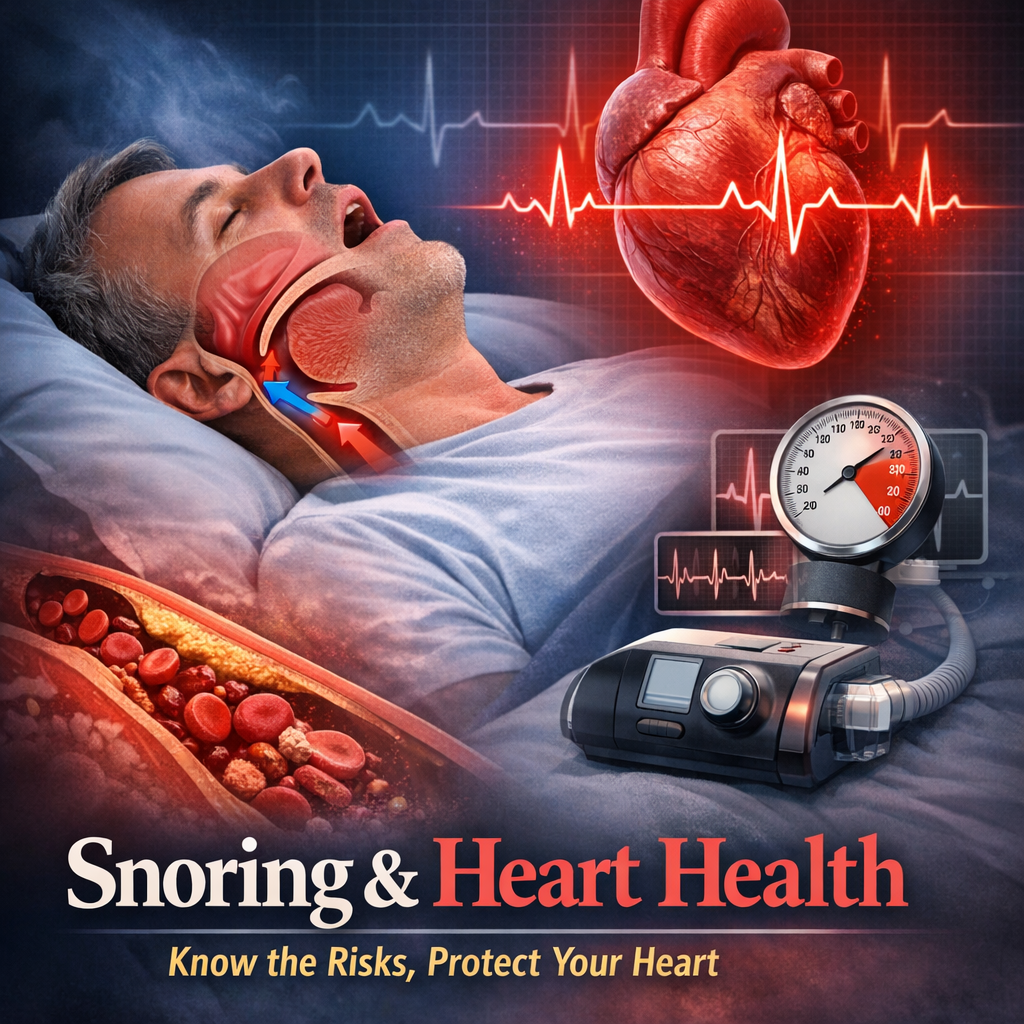
Often dubbed the “silent thief,” **sleep apnea** is a condition where an individual’s **breathing** is repeatedly interrupted during sleep, leading to an inadequate supply of **oxygen** to critical parts of the body, including the brain. Though most commonly associated with **snoring**, sleep apnea can occur without obvious symptoms, allowing it to remain undiagnosed for years. This persistent condition doesn’t just chip away at your nightly rest; it steadily drains your vitality, **cognitive function**, and emotional well-being.
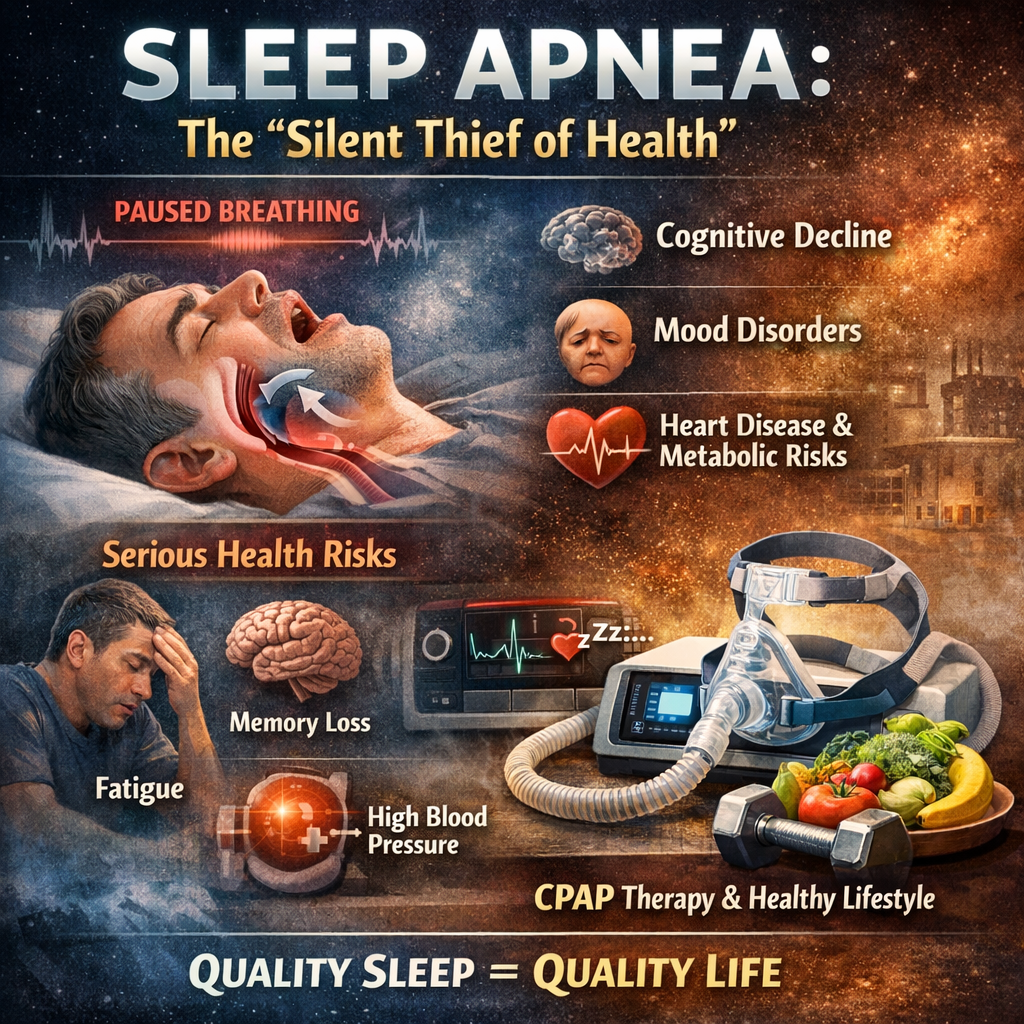
The unaddressed consequences of untreated **sleep apnea** stretch far beyond the hours spent wrestling with **insomnia** or exhaustion. Mentally, individuals may experience a decline in cognitive function, manifested in issues with **memory**, **concentration**, and decision-making abilities. Emotionally, sleep apnea is linked to **mood disturbances**, including irritability, anxiety, and **depression**. Physically, it is associated with serious health issues such as **high blood pressure**, **heart disease**, and **obesity**. The connection between untreated sleep apnea and these health concerns underlines the critical need for awareness, diagnosis, and treatment of this condition.
Understanding sleep apnea’s stealthy methodology of draining your energy begins with informed vigilance and a willingness to seek help when symptoms arise. In this article, we will explore the intricacies of sleep apnea, highlighting recent professional and medical insights into how this condition affects your body and mind. Whether you’re an adult juggling work stress or a teenager grappling with exam pressure, recognizing and addressing the symptoms of sleep apnea can be a pivotal step towards reclaiming your mental and physical vitality.
Features
The landscape of sleep medicine has evolved considerably, unveiling some startling truths about sleep apnea and its effects. Several studies emphasize the intricate ways in which this sleep disorder impairs an individual’s mental health. Research published in the [Journal of Clinical Sleep Medicine](https://jcsm.aasm.org/doi/full/10.5664/jcsm.6064) reveals a significant correlation between untreated sleep apnea and increased risks of cognitive dysfunctions, including memory impairment and reduced executive function.
Furthermore, an article in the [American Journal of Respiratory and Critical Care Medicine](https://www.atsjournals.org/doi/full/10.1164/rccm.201706-0808OC) underscores the association between sleep apnea and mental health issues such as depression and anxiety. This study elucidates how the intermittent **hypoxia** (recurring episodes of low oxygen levels) experienced during sleep apnea exacerbates brain dysfunctions, thereby influencing mood regulation and emotional stability.
From a physiological standpoint, untreated sleep apnea is also tightly woven with cardiovascular health. The [Heart Foundation](https://www.heartfoundation.org.au/conditions/sleep-apnoea) has highlighted that individuals suffering from sleep apnea are at an elevated risk of developing heart conditions, such as hypertension, heart failure, and **atrial fibrillation**. This is attributed to the frequent night-time awakenings that increase stress on the heart, which can have long-term repercussions on an individual’s cardiovascular system.
Additionally, a study published in [The Lancet](https://www.thelancet.com/journals/lancet/article/PIIS0140-6736(18)32531-4/fulltext) emphasizes the metabolic implications of untreated sleep apnea. It reports that sleep apnea may contribute to the development of **metabolic syndrome** – a cluster of conditions that includes excessive fat around the waist, high blood sugar, and abnormal cholesterol levels, further augmenting the risks of heart disease and Type 2 diabetes.
These findings make it abundantly clear that sleep apnea is not merely a sleep disorder. It is a significant health condition with widespread repercussions on multiple facets of an individual’s health. Addressing sleep apnea through proactive steps, such as seeking medical advice and undergoing appropriate treatments like **Continuous Positive Airway Pressure (CPAP) therapy**, lifestyle changes, and maintaining a healthy weight, can play a significant role in mitigating its adverse effects.
Conclusion
In unraveling the silent but pervasive nature of sleep apnea, it becomes apparent that this condition extends far beyond the boundaries of a mere nuisance. The disorder’s undiagnosed presence is an insidious drain on one’s mental acuity, emotional stability, and physical robustness. However, awareness is a powerful tool that can begin to turn the tide against this silent thief. Being attentive to the indicators of **sleep apnea**, such as persistent **daytime fatigue**, loud **snoring**, and frequent **nocturnal awakenings**, is crucial.
Seeking a timely diagnosis and exploring effective treatments can pave the way to restoring and preserving mental and physical vitality. Implementing lifestyle changes, keeping track of **sleep hygiene**, and consulting specialist medical professionals are integral to managing and overcoming the challenges posed by sleep apnea. Remember, achieving quality sleep is not a luxury—it is a foundational element of a healthy, vibrant life that deserves our utmost attention and care.
References
– [Centers for Disease Control and Prevention](https://www.cdc.gov/sleep/index.html) (CDC). Sleep and Sleep Disorders.
– [Journal of Clinical Sleep Medicine](https://jcsm.aasm.org/doi/full/10.5664/jcsm.6064). Cognitive Dysfunction and Sleep Apnea.
– [American Journal of Respiratory and Critical Care Medicine](https://www.atsjournals.org/doi/full/10.1164/rccm.201706-0808OC). Sleep Apnea and Mental Health.
– [The Heart Foundation](https://www.heartfoundation.org.au/conditions/sleep-apnoea). Sleep Apnea and Heart Disease.
– [The Lancet](https://www.thelancet.com/journals/lancet/article/PIIS0140-6736(18)32531-4/fulltext). Metabolic Implications of Sleep Apnea.
**Concise Summary:** Sleep apnea, often unnoticed, can significantly impact both mental and physical health. Untreated, it undermines cognitive function, mood stability, and cardiovascular health, and may contribute to conditions like heart disease and obesity. Increased awareness, early diagnosis, and treatment are crucial in managing its widespread effects.

Dominic E. is a passionate filmmaker navigating the exciting intersection of art and science. By day, he delves into the complexities of the human body as a full-time medical writer, meticulously translating intricate medical concepts into accessible and engaging narratives. By night, he explores the boundless realm of cinematic storytelling, crafting narratives that evoke emotion and challenge perspectives.
Film Student and Full-time Medical Writer for ContentVendor.com