The Overlooked Link Between ‘Silent’ Sleep Apnea and Executive Burnout: How Undiagnosed Disorders Propel Stress and Drain Performance
**Introduction**
In today’s fast-paced business environment, where high performance is not just expected but demanded, **executive burnout** has become a prevalent issue. With increasing responsibilities and pressure, professionals often find themselves trapped in a vicious cycle of stress and exhaustion. Interestingly, one overlooked factor that significantly contributes to this burnout is ‘**silent** **sleep apnea**’ — a condition that, despite its prevalence, remains undiagnosed in many individuals facing high-pressure jobs.
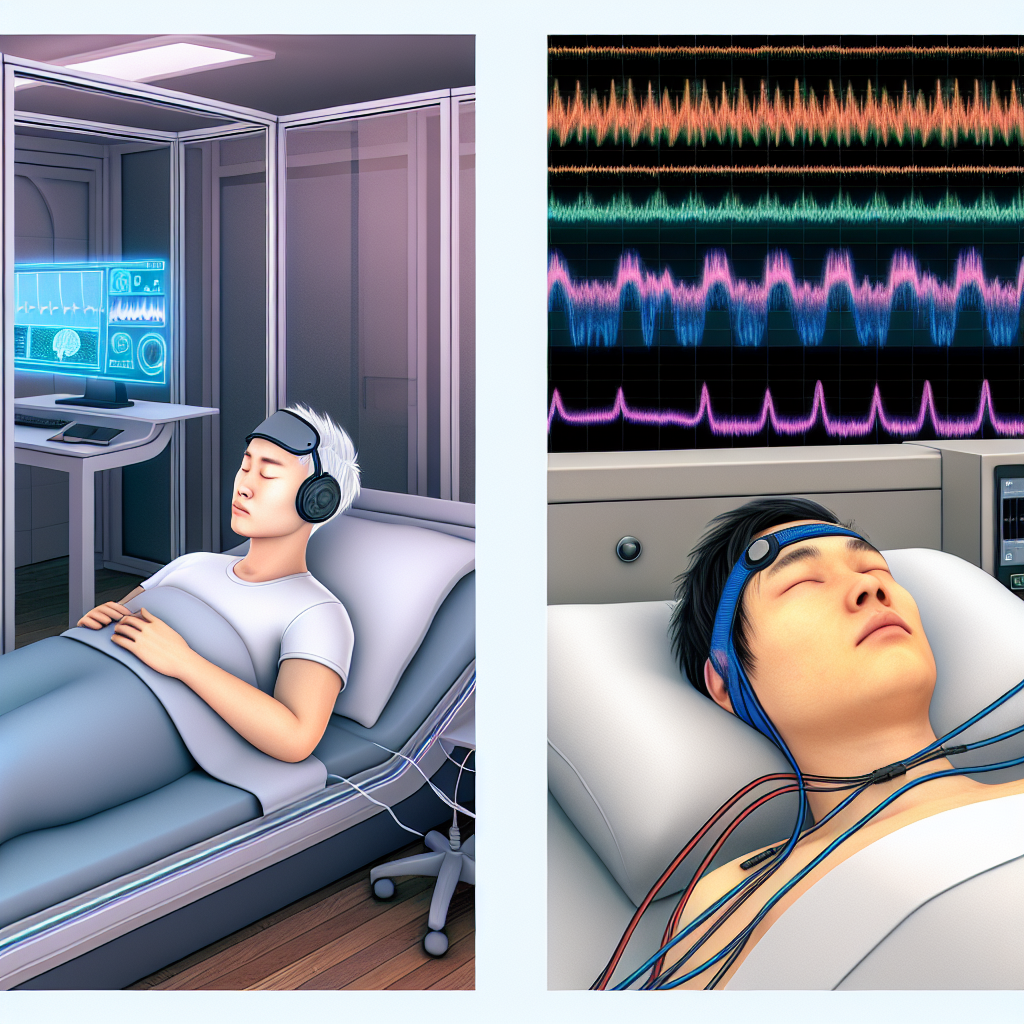
**Sleep apnea** is a disorder characterized by interruptions in breathing during sleep, which can lead to fragmented sleep patterns and reduced oxygen supply to the brain. While traditional symptoms like loud snoring and gasping for air are more widely recognized, **silent sleep apnea** is often trickier to identify, as its signs can be subtler. Individuals with silent sleep apnea might not experience overt interruptions in their sleep or loud breathing, but the condition still takes a toll on their physical and mental health.
Executives, who are often characterized by their high energy levels and demanding schedules, may assume they are immune to sleep disorders, chalking up daytime fatigue to their workloads rather than a potential underlying health issue. However, this perception is misleading and dangerous. Undiagnosed sleep apnea can severely impede cognitive functions critical for executives, such as decision-making, problem-solving, and emotional regulation.
The link between silent sleep apnea and executive burnout lies in the physiological and psychological impacts of disrupted sleep. Chronic sleep deprivation caused by this condition leads to increased stress levels, reduced mental acuity, and diminished capacity to manage workplace challenges effectively. Over time, the resultant stress and fatigue exacerbate burnout, creating a cycle that drains performance and overall well-being.
Addressing this critical health issue requires awareness and intervention. Recognizing the signs of silent sleep apnea and seeking proper diagnosis and treatment can help break the cycle, enhancing both sleep health and professional performance. This article explores the overlooked connection between silent sleep apnea and executive burnout, highlighting the need for increased vigilance and proactive measures.
Features
Numerous medical studies have delved into the relationship between **sleep apnea** and **cognitive performance**, providing valuable insights into how this condition affects professionals. For instance, a study published in the journal [“Sleep”](https://academic.oup.com/sleep/article/36/4/407/2558919) explored the cognitive deficits associated with sleep apnea and found a significant reduction in executive function, attention, and working memory among individuals suffering from the disorder. Another study in [“Frontiers in Psychology”](https://www.frontiersin.org/articles/10.3389/fpsyg.2018.00959/full) highlighted the impact of sleep deprivation on stress and mental health, ultimately affecting professional productivity and decision-making abilities.
Further research published in the [“Journal of Clinical Sleep Medicine”](https://jcsm.aasm.org/doi/10.5664/jcsm.6174) indicated a higher prevalence of **sleep apnea** among individuals with high-stress jobs, suggesting a possible occupational link. Additional studies have demonstrated how untreated **sleep apnea** can exacerbate stress-related biomarkers, such as **cortisol**, that contribute to a heightened sense of burnout and fatigue in professionals [https://pubmed.ncbi.nlm.nih.gov/24915154/].
The detrimental impact of silent **sleep apnea** is particularly concerning for executives who rely on sharp cognitive abilities for effective leadership. The combination of poor sleep quality and high job demands can lead to a dangerous pattern of burnout, reducing the ability to manage stress effectively and make sound decisions. Addressing sleep apnea through medical diagnosis and interventions like **CPAP therapy** or lifestyle modifications can lead to improved sleep quality, reduced stress, and enhanced cognitive performance.
Acknowledging the potential presence of sleep apnea as a contributing factor to burnout among executives is crucial for fostering a healthier workplace environment. Employers can play a pivotal role by promoting sleep health awareness, providing access to sleep assessments, and encouraging employees to seek professional help when needed.
Conclusion
In conclusion, the link between silent **sleep apnea** and **executive burnout** is a crucial yet often overlooked aspect of workplace health. The subtle nature of silent sleep apnea makes it easy to miss, especially among high-functioning professionals who might attribute symptoms to their workloads rather than an underlying health condition. Yet, the consequences of undiagnosed sleep apnea are profound, contributing to increased stress levels, cognitive decline, and eventual burnout.
By fostering a greater awareness of this condition and encouraging timely medical diagnosis and treatment, professionals can break the cycle of stress and fatigue that drains their performance. Employers, too, have a vital role to play in supporting their workforce by integrating sleep health initiatives into their wellness programs. Ultimately, understanding and addressing the connection between silent sleep apnea and executive burnout not only enhances individual well-being but also contributes to a more productive and sustainable work environment. Prioritizing quality sleep as a cornerstone of health can pave the way for improved performance and reduced incidence of burnout, benefiting both employees and organizations alike.
**Concise Summary**
**Silent sleep apnea** is an often-overlooked factor contributing to **executive burnout** in high-pressure work environments. This condition, characterized by interruptions in breathing during sleep, can be subtle yet significantly impair cognitive functions vital for executives, such as decision-making and problem-solving. Studies have shown that untreated sleep apnea exacerbates stress and fatigue, furthering the cycle of burnout. Raising awareness, encouraging timely diagnosis, and promoting interventions like CPAP therapy and lifestyle changes can enhance sleep health. Employers can foster a healthier workplace by integrating sleep health initiatives into wellness programs, improving overall performance and well-being.

Dominic E. is a passionate filmmaker navigating the exciting intersection of art and science. By day, he delves into the complexities of the human body as a full-time medical writer, meticulously translating intricate medical concepts into accessible and engaging narratives. By night, he explores the boundless realm of cinematic storytelling, crafting narratives that evoke emotion and challenge perspectives.
Film Student and Full-time Medical Writer for ContentVendor.com