Could Your Diet Be Destroying Your Sleep? Analyzing the Gut-Sleep Connection in Revolutionary New Ways
Introduction
In recent years, the conversation around **sleep health** has expanded beyond the usual advice of reducing screen time or maintaining a consistent sleep schedule. Emerging research is turning its focus towards an often overlooked contributor to sleep quality—our **diet**. Specifically, the **gut-sleep connection** is gaining attention, raising the critical question: Could your diet be destroying your sleep?
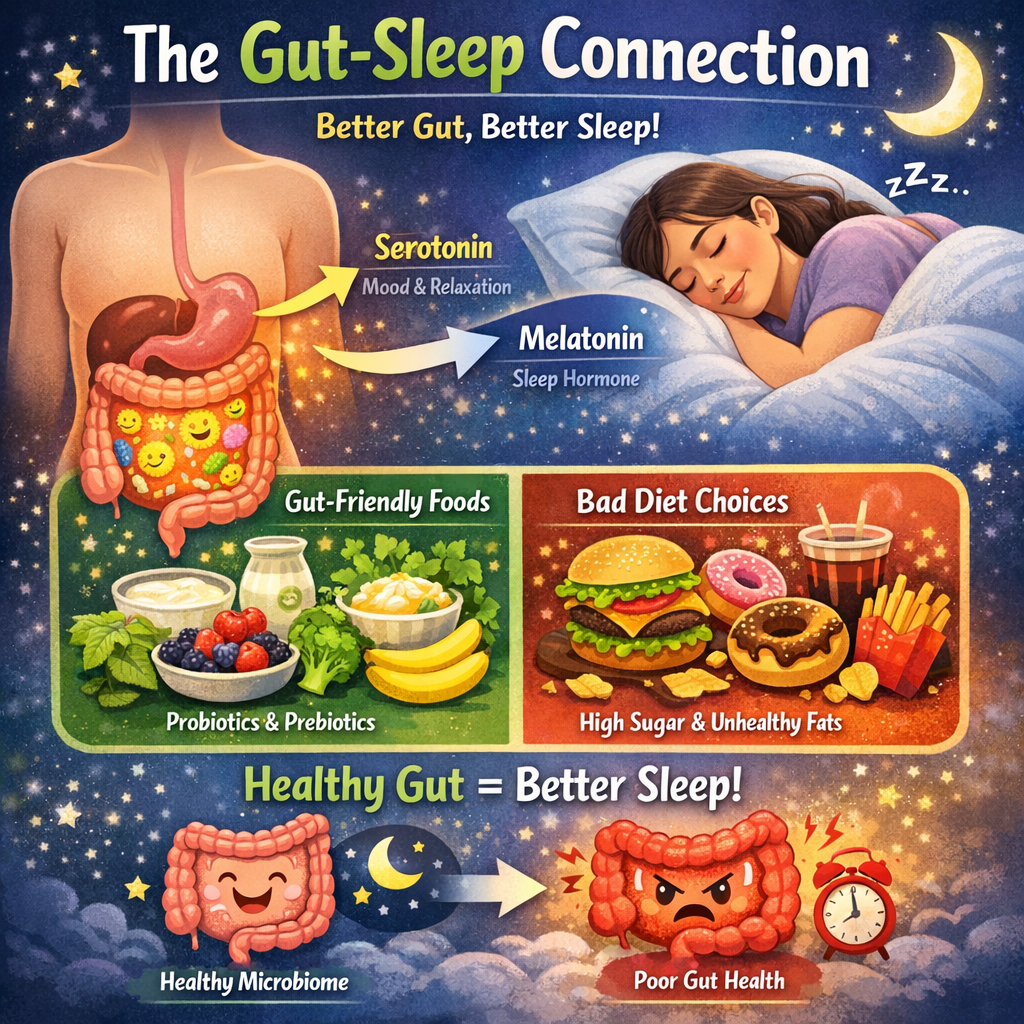
The relationship between our **gut health** and **sleep patterns** is a complex one, involving a dynamic interplay between **diet**, the **gut microbiome**, and neurological functions. Our gut, often referred to as the “second brain,” houses trillions of **microorganisms**. These microbes are crucial for digesting food, absorbing nutrients, and fending off harmful pathogens. However, they also produce an array of **neurotransmitters**—chemicals that play vital roles in regulating mood and sleep. For instance, around 95% of **serotonin**, a neurotransmitter that influences sleep and mood balance, is produced in the gut.
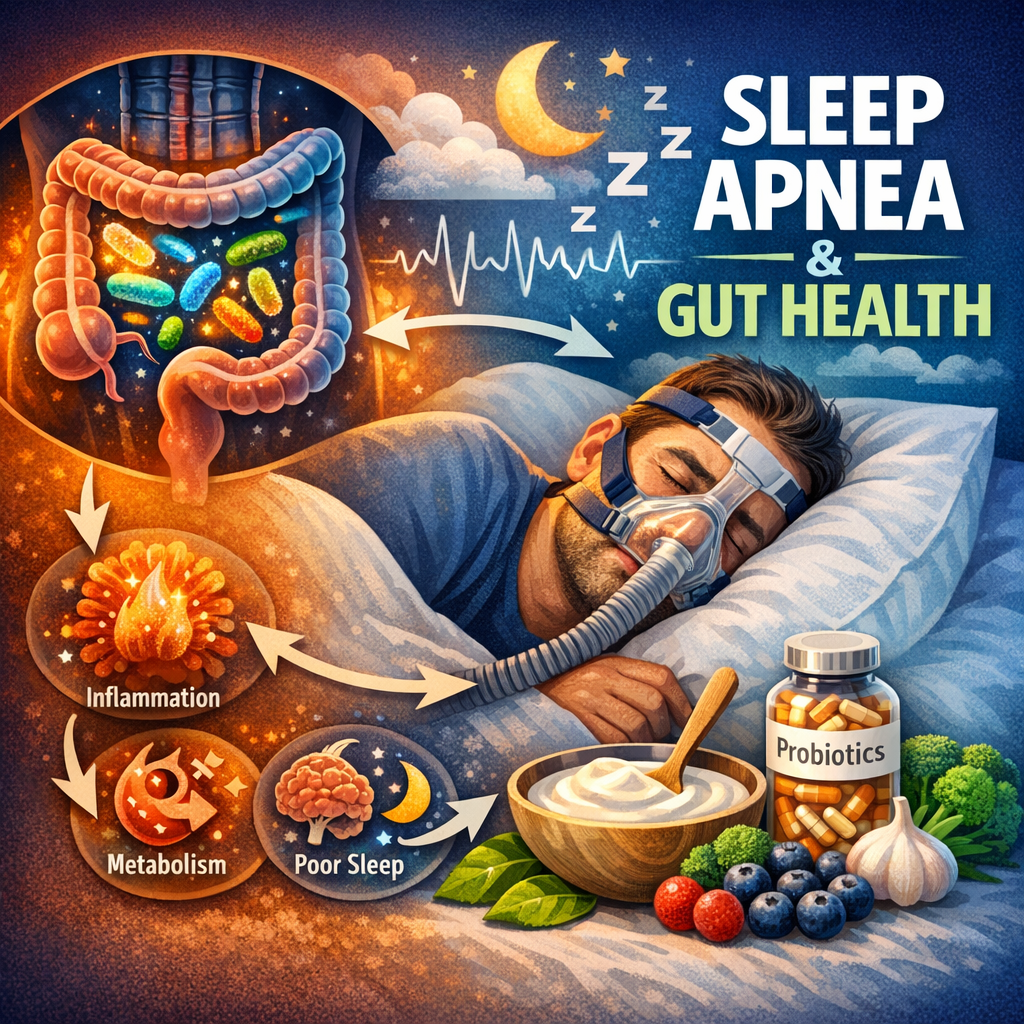
**Diet** plays a pivotal role in determining the composition of our **gut microbiota**. What we eat can either nourish the beneficial bacteria or encourage the growth of harmful species. An imbalance, known as **dysbiosis**, can lead to a variety of health issues, including poor sleep. Foods high in sugar, unhealthy fats, and a lack of fiber have been linked to inflammation and disruptions in the gut microbiome, potentially impacting sleep quality negatively.
Moreover, there is a growing body of evidence suggesting that a diet rich in **prebiotic** and **probiotic foods**—such as fruits, vegetables, yogurt, and fermented products—can support a healthy gut and subsequently enhance sleep quality. As researchers continue to investigate these connections, it becomes increasingly clear that addressing sleep issues may require a radical reassessment of dietary habits, not just the nighttime routine.
Understanding the **gut-sleep connection** can open up new pathways for those struggling with sleep disturbances. With this awareness, you can take proactive steps to improve your gut health through dietary changes, and in turn, boost your sleep quality. In this article, we will dive deeper into the science behind these findings, exploring the latest medical studies and offering practical dietary adjustments to elevate your sleep health.
Features: The Science Behind the Gut-Sleep Connection
Several studies have begun to unravel the intricate ties between **diet**, **gut health**, and **sleep**. One such investigation, published in the journal *Scientific Reports*, examined the impact of the **gut microbiome** on sleep. Researchers found that participants with a diverse gut microbiome reported better sleep quality compared to those with less diversity. The study suggested that a balanced gut environment contributes positively to sleep regulation ([source](https://www.nature.com/articles/s41598-019-44097-6)).
Another study, published in *Nature Communications*, highlighted the role of specific gut bacteria in influencing **tryptophan** metabolism—a precursor to **serotonin** and **melatonin**, both crucial for sleep. Mice fed a diet enriched with tryptophan-enhancing bacteria had improved sleep cycles ([source](https://www.nature.com/articles/s41467-020-18855-7)).
Furthermore, a 2020 review in the journal *Nutrients* explored how diet-induced changes in the gut microbiome could modify the body’s **circadian rhythm**, affecting everything from metabolism to sleep. This review emphasized the importance of a diet rich in fiber and **polyphenols**, which are found in fruits, vegetables, and whole grains, for maintaining a healthy microbiome and promoting better sleep ([source](https://www.mdpi.com/2072-6643/12/9/2747)).
The connection between poor dietary choices and sleep disturbances has also been underscored in various nutritional epidemiology studies. A high intake of refined carbohydrates and added sugars has been associated with shorter sleep duration and increased wakefulness during the night. Research indicates this may be because such diets can lead to blood sugar spikes and inflammation, which are often accompanied by disrupted sleep patterns.
These findings highlight the need for integrating gut-friendly foods into one’s diet. Foods like kefir, sauerkraut, whole grains, and leafy greens can not only support gut health but may significantly improve sleep due to their fiber, prebiotic, and probiotic content.
Conclusion
The **gut-sleep connection** emphasizes a pivotal truth: we must think about diet not just through the lens of physical health but also in the context of **sleep quality**. By considering what and when you eat, you have the potential to invigorate your sleep health. Focus on a diet rich in diverse, nutrient-dense, and fiber-filled foods to nurture your gut **microbiome**.
As research continues to underscore the importance of maintaining a healthy gut for better sleep, **dietary interventions** offer a promising and accessible way to enhance sleep health. By understanding and respecting this gut-sleep relationship, individuals across all ages can hope for not only restorative sleep but overall well-being. Adopting such dietary changes is not merely a trend; it’s an investment in health that pays dividends in better nights and more energized days.
As we look forward to further breakthroughs in understanding the **gut-sleep dynamic**, incorporating intelligent dietary choices remains one of the most effective strategies for achieving optimal sleep. The future of sleep health might just be on the plate before us.
**Concise Summary:**
The interplay between our diet and sleep quality is intricately linked through the gut-sleep connection—where gut health, influenced by diet, impacts neurological functions and sleep patterns. A balanced diet rich in prebiotics and probiotics can help manage this connection. Current studies emphasize the roles of a diverse gut microbiome, tryptophan metabolism, and dietary choices like fiber and polyphenols in enhancing sleep. Poor dietary habits may result in dysbiosis and consequent sleep disturbances, leading to a reevaluation of diet for improved overall well-being and sleep quality. Sustainable sleep health could be achieved by nurturing gut health.

Dominic E. is a passionate filmmaker navigating the exciting intersection of art and science. By day, he delves into the complexities of the human body as a full-time medical writer, meticulously translating intricate medical concepts into accessible and engaging narratives. By night, he explores the boundless realm of cinematic storytelling, crafting narratives that evoke emotion and challenge perspectives.
Film Student and Full-time Medical Writer for ContentVendor.com