Unveiling the Sleep-Gut Nexus: How Microbiome Imbalance Could Be Fueling Sleep Apnea
Introduction
Understanding the intricate workings of our body often resembles solving a complex puzzle. A truly fascinating aspect is the interconnectedness of various bodily systems. Recent research has highlighted one such connection: the **sleep-gut axis**. This intricate relationship demonstrates how the health of our **gut microbiome**, the microscopic community of bacteria in our digestive tract, can influence and potentially disrupt our **sleep patterns**. Scientists are now delving into the potential link between microbiome imbalances and sleep disorders such as **sleep apnea**.
**Sleep apnea**, a potentially serious disorder characterized by pauses in breathing during sleep, affects millions worldwide and is associated with other health issues like hypertension, heart disease, and diabetes. While lifestyle factors, genetics, and anatomical features have been primary contributors, the possibility of microbiome involvement introduces a new dimension to understanding this condition.
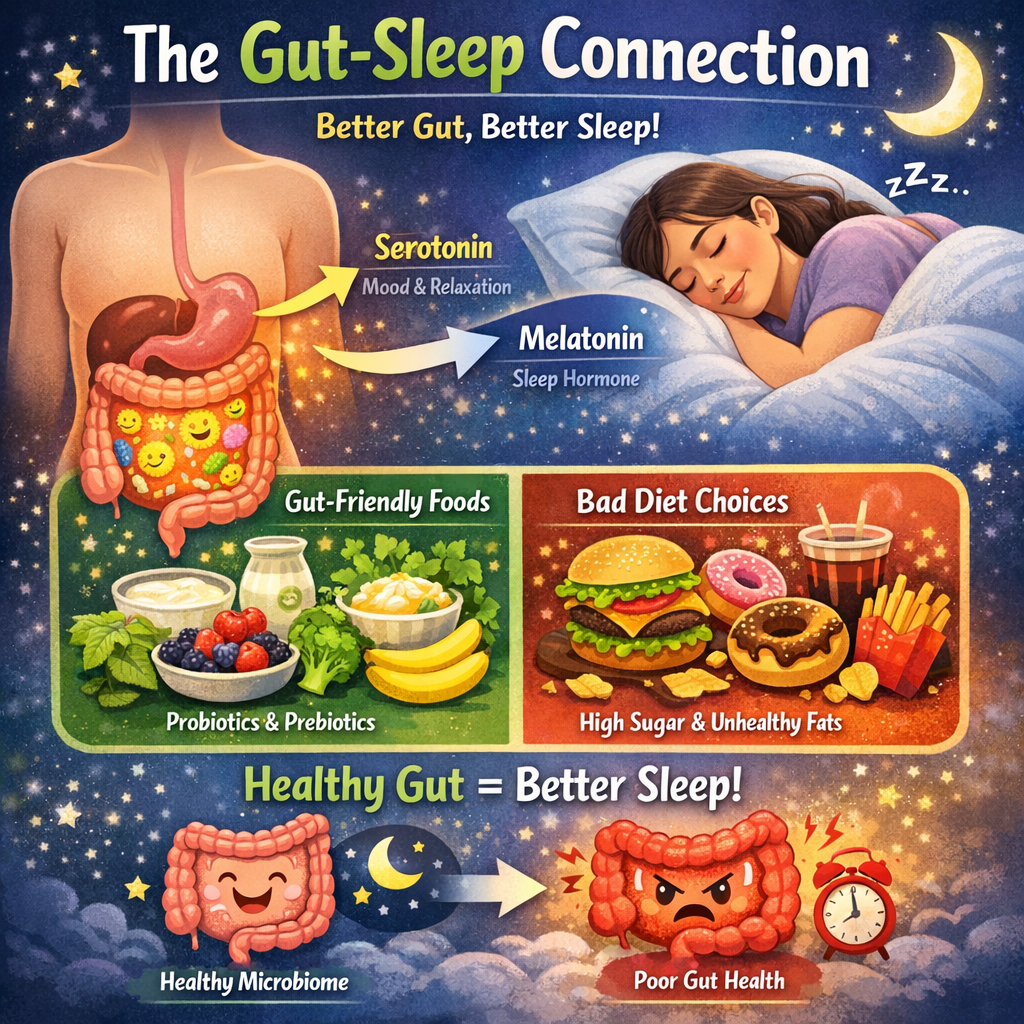
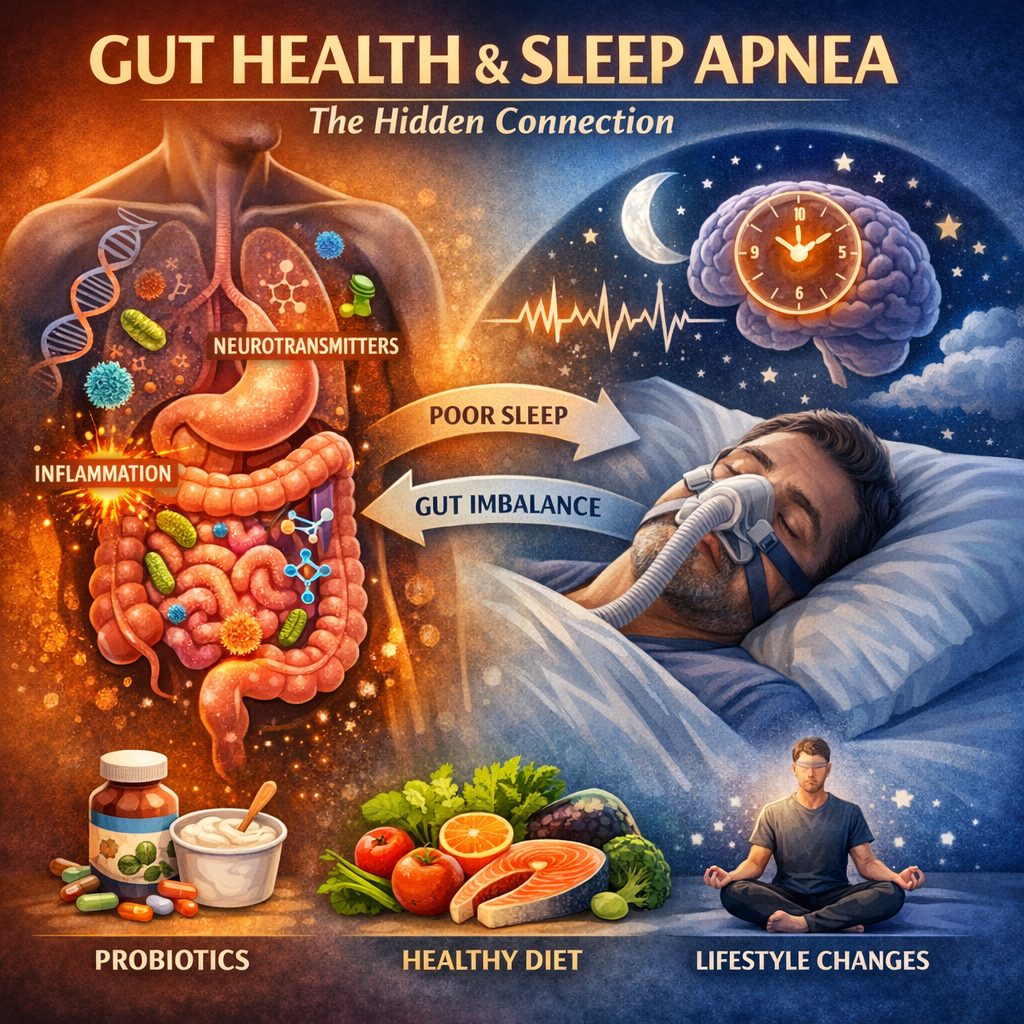
Recent studies suggest that an imbalanced gut microbiome may contribute to or exacerbate sleep apnea symptoms. The gut microbiome plays a crucial role in bodily processes, including **metabolism**, **immune function**, and the synthesis of **neurotransmitters** like **serotonin**, which regulates sleep. Changes in gut bacteria composition can lead to systemic inflammation and a heightened stress response, both linked to sleep disturbances.
Compellingly, there may be a bidirectional relationship: poor sleep can negatively impact gut health, creating a vicious cycle. Factors like poor diet, stress, and inadequate sleep hygiene disrupt microbial balance, further affecting sleep quality. Understanding this connection might aid in developing novel interventions and preventive strategies targeting not just sleep apnea but broader sleep disturbances.
Features
Recent scientific studies are uncovering the connection between **gut microbiome health** and sleep, offering promising insights into managing sleep apnea. A crucial study in the journal [*Sleep Medicine*](https://www.journals.elsevier.com/sleep-medicine) explored how gut microbiota composition affects sleep patterns. Researchers found that individuals with sleep apnea had distinct gut bacteria compared to those without it, identifying specific strains less prevalent in those with the disorder, suggesting a role in moderating sleep quality.
Moreover, a 2020 study in [*Nature*](https://www.nature.com/) emphasized the **gut-brain axis’s** potential role in sleep disorders. This study highlighted how certain gut bacteria produce metabolites influencing neurotransmitter levels like serotonin and dopamine, essential for sleep regulation. The depletion of beneficial bacteria can upset this balance, causing neurotransmitter imbalances and worsened sleep quality.
Another investigation in [*Scientific Reports*](https://www.nature.com/srep/) focused on inflammation’s role in sleep apnea. Researchers discovered that an unhealthy gut microbiome could trigger systemic inflammation, exacerbating sleep apnea symptoms by affecting airway management during sleep. They suggested that **probiotics** or **prebiotics** could potentially restore microbiome balance, reduce inflammation, and improve sleep outcomes.
The linkage is further supported by a study in [*Translational Medicine*](https://stm.sciencemag.org/), which found that disturbed circadian rhythms in the gut microbiota can mirror sleep disturbances in sleep apnea patients. This correlation offers another potential therapeutic target.
These findings advocate for a holistic approach to sleep disorder management, considering gut health alongside traditional interventions like **CPAP therapy** or **weight management**. Implementing dietary changes supporting beneficial bacteria, possibly with supplements of probiotics or prebiotics, could open non-invasive treatment avenues.
Conclusion
The exploration of the **sleep-gut nexus** is in its early stages but promises a paradigm shift in tackling sleep disorders like sleep apnea. Recognizing the symbiotic relationship between gut health and sleep can lead to more targeted and effective interventions. This perspective encourages an integrative focus on diet, lifestyle, and microbiome management as part of comprehensive sleep health strategies. Future research will likely further elucidate these pathways, offering hope for more personalized and less invasive treatments for those struggling with sleep apnea and related disturbances. As we continue to explore this fascinating area, the potential for improving millions of lives becomes increasingly tangible.
Concise Summary
Emerging research reveals a critical connection between gut microbiome health and sleep disorders such as sleep apnea. An imbalanced gut microbiome can lead to systemic inflammation, impacting neurotransmitter production essential for sleep regulation, potentially exacerbating conditions like sleep apnea. Studies suggest a bidirectional relationship, where poor sleep can further disrupt gut health. These findings highlight the potential for holistic management strategies, including probiotics and dietary changes, offering promising non-invasive treatments for improving sleep quality by addressing gut health, a burgeoning field promising to enhance life quality significantly.

Dominic E. is a passionate filmmaker navigating the exciting intersection of art and science. By day, he delves into the complexities of the human body as a full-time medical writer, meticulously translating intricate medical concepts into accessible and engaging narratives. By night, he explores the boundless realm of cinematic storytelling, crafting narratives that evoke emotion and challenge perspectives.
Film Student and Full-time Medical Writer for ContentVendor.com