Sleep Apnea as an Early Indicator: Leveraging AI to Predict Cardiometabolic Risk
Introduction
**Sleep apnea** is a common yet underrecognized **sleep disorder** affecting all age groups, marked by repeated interruptions in breathing during sleep. While many associate it with disrupted sleep and fatigue, its implications are more extensive, potentially serving as an early indicator of **cardiometabolic risks**, including **cardiovascular diseases** and metabolic syndromes like **diabetes**.
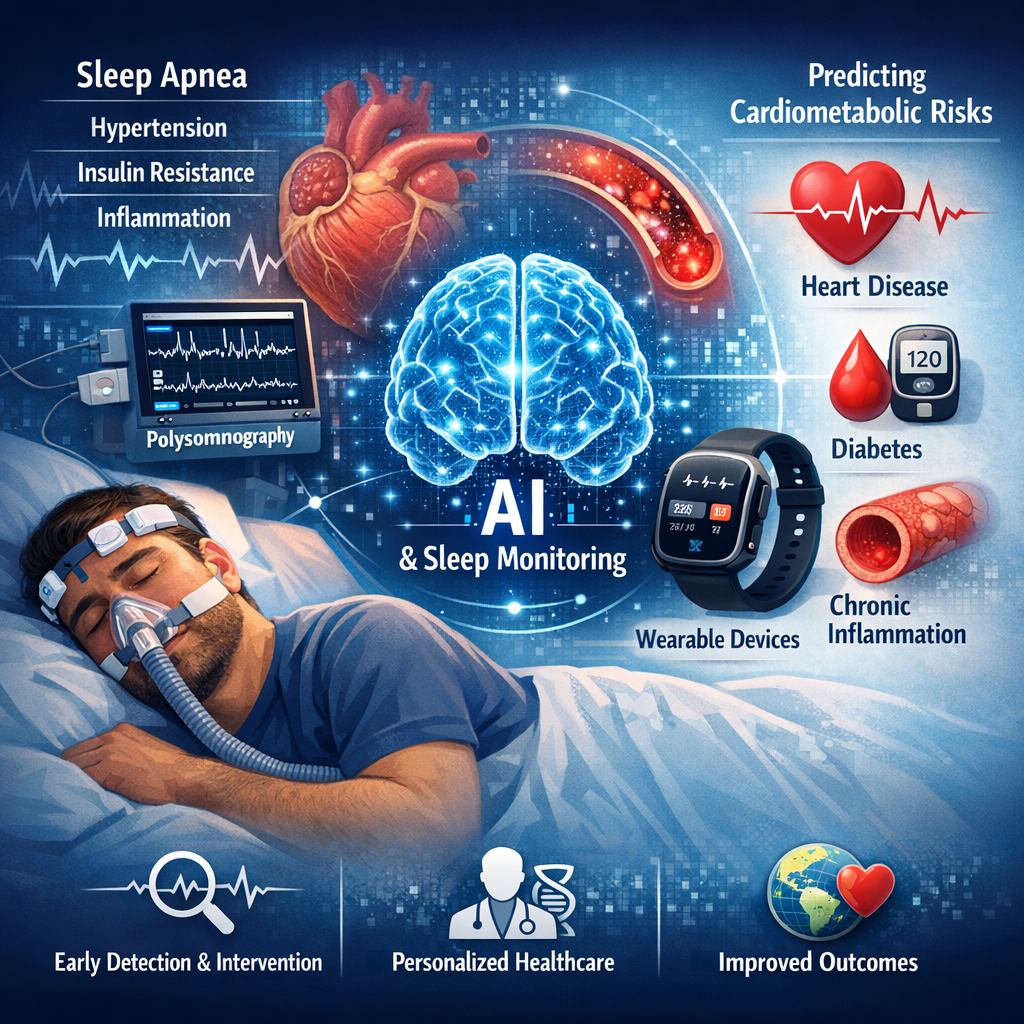
As the incidence of **sleep apnea** rises globally, health professionals are paying closer attention to its long-term impacts. Studies highlight untreated sleep apnea’s link to risks such as hypertension, heart failure, atrial fibrillation, and stroke. Moreover, the **intermittent hypoxia** (reduced oxygen supply) and fragmented sleep associated with sleep apnea can catalyze **insulin resistance**, obesity, and systemic inflammation—key predictors of cardiometabolic diseases.
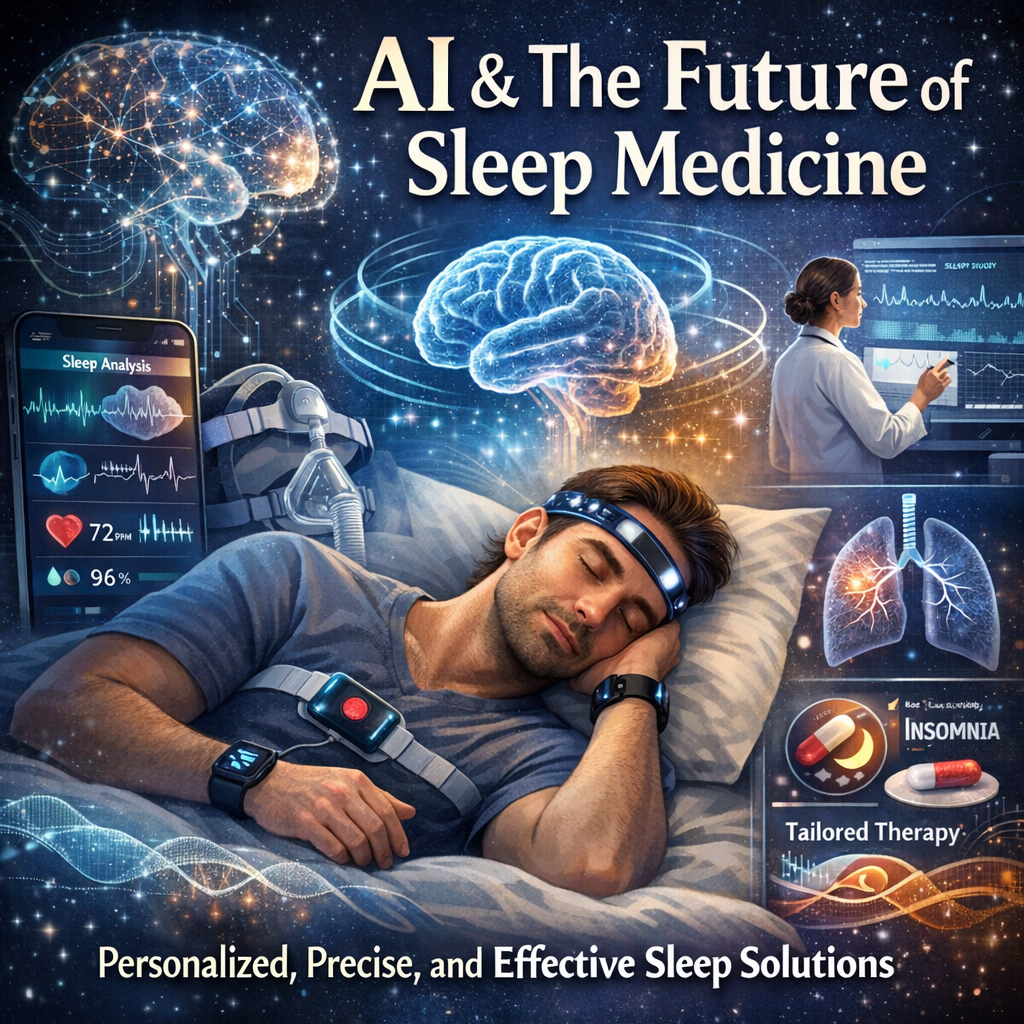
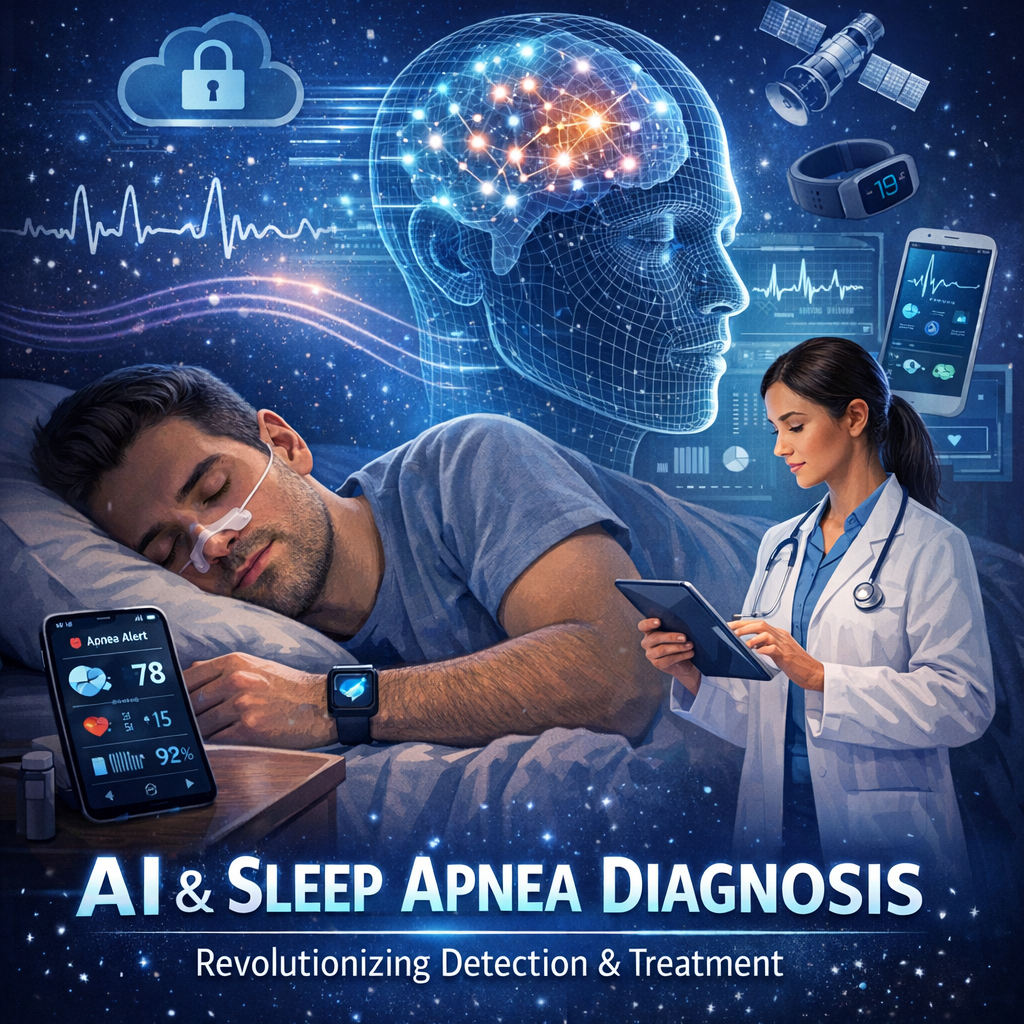
Addressing **sleep apnea** early is crucial. Enter **artificial intelligence (AI)**, a transformative technology poised to reshape predictions and management of these broader health risks. AI algorithms efficiently analyze vast datasets, identifying patterns not evident to human researchers. By examining complex physiological data from sleep studies, electronic health records, and wearable devices, AI assists in identifying individuals at high risk for cardiometabolic diseases before overt symptoms manifest.
Features
Recent studies reveal the connection between **sleep apnea** and **cardiometabolic risk**. Research in the [Journal of the American College of Cardiology](https://www.jacc.org/) found that moderate to severe **sleep apnea** significantly raises coronary artery disease and heart arrhythmias risks. Additionally, research from the [American Academy of Sleep Medicine](https://aasm.org/) underscores the link between untreated sleep apnea and an intensified risk of type 2 diabetes, linked to recurrent oxygen deprivation affecting glucose metabolism.
The introduction of **AI** in sleep medicine has heralded noteworthy advancements. A study in [The Lancet Digital Health](https://www.thelancet.com/journals/landig/default) showcased AI algorithms using deep learning for remarkably accurate identification of **sleep apnea** patterns. These AI systems evaluate sleep data from **polysomnography**—a thorough sleep study recording brain waves, blood oxygen levels, heart rate, and breathing patterns—to anticipate associated cardiometabolic risks.
Moreover, a study in [Sleep Medicine Reviews](https://www.journals.elsevier.com/sleep-medicine-reviews) delved into wearable technology potential, augmented by **AI**. Devices like smartwatches and fitness trackers continuously monitor physiological parameters such as heart rate variability and activity levels. Through AI algorithms, these devices offer real-time assessments of sleep apnea’s impact on cardiometabolic health, delivering valuable insights for patients and providers.
Integrating **AI** in **sleep apnea** management not only promises patient outcome improvement but also substantial cost benefits by diminishing reliance on resource-intensive sleep studies and enabling early intervention.
Conclusion
The intersection of **sleep apnea** and cardiometabolic risk represents a burgeoning research field with profound public health implications. By considering sleep apnea as an early warning system for serious health conditions, healthcare providers can implement targeted prevention strategies.
The integration of **AI** into this paradigm offers a groundbreaking approach to predicting and mitigating risks associated with sleep apnea, enabling precision medicine. Looking forward, a collaborative effort combining medical research, technological advancement, and patient education will be essential in leveraging **AI**’s full potential. Empowering individuals with knowledge about the interplay between sleep apnea and cardiometabolic health, accompanied by the proactive use of AI, stands to transform the landscape of preventative healthcare. By anticipating medical challenges and optimizing treatment strategies, we can ultimately enhance quality of life and reduce the burden of chronic diseases on a global scale.
**Concise Summary**: Sleep apnea, a prevalent sleep disorder, extends beyond sleep-related issues, serving as an early indicator of cardiometabolic risks like cardiovascular diseases and diabetes. With artificial intelligence (AI)’s ability to analyze complex data, early detection and management of these risks are possible, potentially transforming preventive healthcare. AI-driven solutions in sleep medicine offer precise and timely interventions, reducing the need for intensive sleep studies while optimizing personalized treatment strategies. This integration of medical research, AI, and patient education is pivotal in addressing the global sleep apnea challenges and enhancing life quality through proactive health measures.

Dominic E. is a passionate filmmaker navigating the exciting intersection of art and science. By day, he delves into the complexities of the human body as a full-time medical writer, meticulously translating intricate medical concepts into accessible and engaging narratives. By night, he explores the boundless realm of cinematic storytelling, crafting narratives that evoke emotion and challenge perspectives.
Film Student and Full-time Medical Writer for ContentVendor.com