Why Sleep Apnea Could Hold the Key to Preventing Your Next Heart Attack
**Introduction**
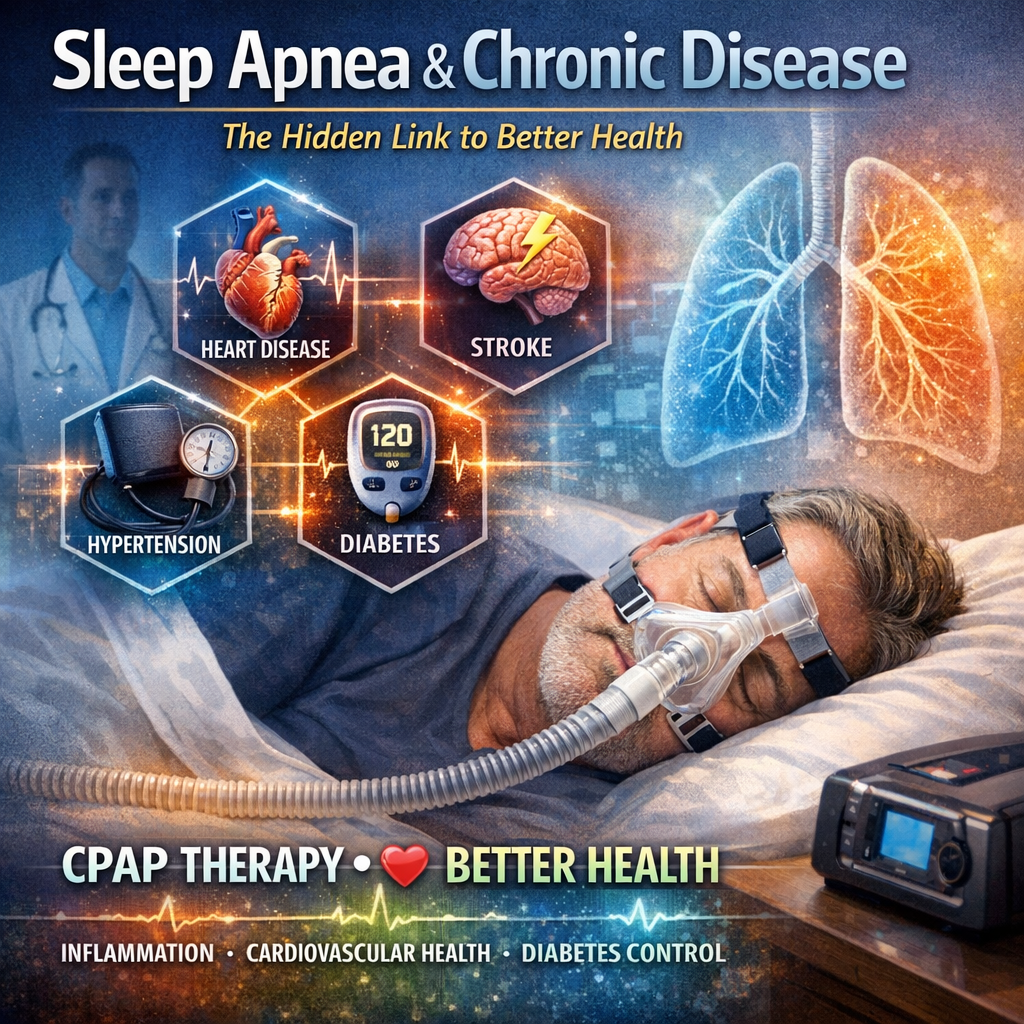
Sleep apnea, a common yet often overlooked **sleep disorder**, is characterized by repeated interruptions in breathing during sleep. These interruptions can range from a few seconds to minutes and may occur 30 or more times an hour, disrupting the **sleep cycle** and affecting overall sleep quality. While it might seem primarily a sleep disorder, the implications of **sleep apnea** extend far beyond the confines of nocturnal rest. Recent studies highlight a critical connection between sleep apnea and **cardiovascular health**, particularly its role in increasing the risk of **heart attacks**.
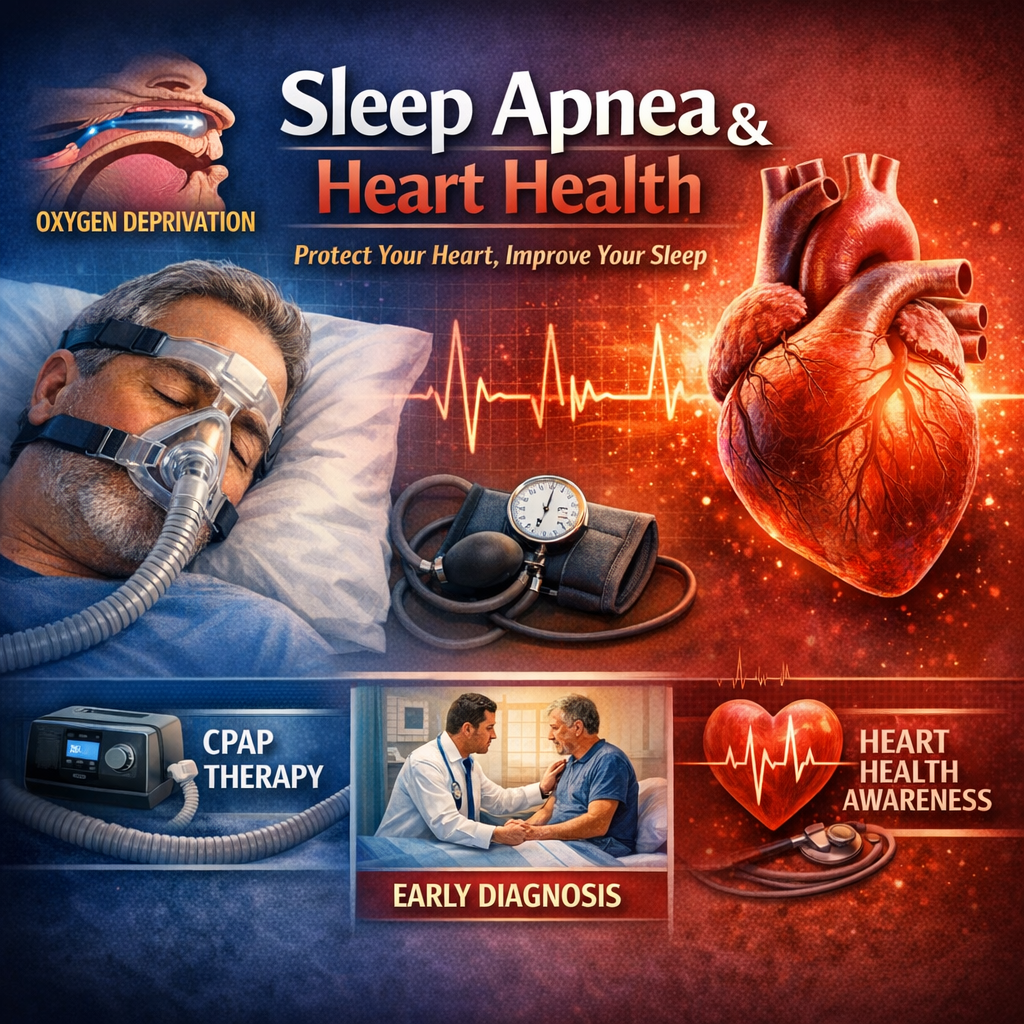
Heart disease remains the leading cause of death globally, and tackling potential risk factors is crucial in its prevention. One such factor gaining attention is sleep apnea. People with untreated sleep apnea are significantly more susceptible to developing heart issues. This is because the condition goes beyond causing fatigue and daytime drowsiness—its impact on the cardiovascular system can be severe. During periods of apnea, oxygen levels in the blood fall, leading to intermittent hypoxia. This activates the body’s stress response, releasing adrenaline and increasing heart rate and blood pressure.
These physiological responses, when frequent, place undue strain on the heart. They can contribute to the development of **hypertension**, **atherosclerosis**, and other cardiovascular diseases. In fact, studies have shown that those with sleep apnea are 30% more likely to suffer a heart attack and are more prone to recurrent cardiac events. Awareness and diagnosis are key to handling sleep apnea effectively and reducing cardiovascular risks. Understanding and addressing sleep apnea doesn’t only improve sleep quality but could also be a significant preventive measure in heart health.
**Features**
A growing body of scientific research underscores the critical link between sleep apnea and heart health. A landmark study published in the Journal of the American College of Cardiology indicated that patients with **obstructive sleep apnea (OSA)** face a heightened risk of cardiovascular diseases, including **heart attacks**. These studies highlight the seriousness of apneic events and their role in exacerbating underlying heart conditions.
One pivotal study by the **National Institute of Health** examined over 1,600 subjects over a span of 18 years. Their findings showed an undeniable correlation between severe OSA and a marked increase in mortality due to heart attacks. The constant oxygen deprivation characteristic of sleep apnea episodes activates the sympathetic nervous system, resulting in hypertrophic cardiac remodeling—a phenomenon where the heart enlarges and thickens unfavorably. This response increases the heart’s workload and demands, leading to greater risks of myocardial infarction.
Moreover, the **American Heart Association** has been vocal about the necessity of recognizing OSA as an independent risk factor for cardiovascular disease. In comprehensive reviews, they found consistent evidence linking untreated OSA to increased incidences of **atrial fibrillation**, **stroke**, and hypertension—all formidable precursors and contributors to heart attacks. The cardiovascular implications of intermittent hypoxia highlight the urgent need for clinical awareness and routine sleep assessments, particularly for those with existing heart disease or those at high risk.
Contemporary research further explores the impacts of **continuous positive airway pressure (CPAP)** treatment, which serves as a primary intervention for OSA. Studies reveal that patients who effectively use CPAP devices demonstrate improved heart health outcomes, including lower blood pressure and reduced arrhythmia incidences, underscoring the therapeutic potential of addressing sleep apnea to safeguard heart health.
**Conclusion**
The interplay between sleep apnea and heart health is a vital area of research that warrants further attention. Given the significant links between untreated sleep apnea and an increased risk of heart attacks, greater emphasis on diagnosis and treatment could potentially save lives. A proactive approach to mitigating the risks associated with sleep apnea involves both increasing public awareness and incorporating routine screenings in clinical settings, especially for high-risk groups.
Addressing sleep apnea effectively not only relieves immediate symptoms but also offers long-term cardiovascular benefits. Individuals should be encouraged to engage with healthcare professionals to assess sleep quality and consider appropriate interventions. CPAP therapy, lifestyle modifications, and, in some cases, surgical interventions have shown promise in mitigating risks.
In conclusion, safeguarding heart health potentially resides in the management of sleep apnea. By bridging the gap between **sleep disorders** and cardiovascular health, we can foster comprehensive health strategies to reduce the incidence of heart attacks and improve quality of life. Exploring this connection further offers promising directions in public health advocacy and individual well-being.
**Concise Summary**
**Sleep apnea**, a prevalent disorder causing breathing interruptions during sleep, significantly influences cardiovascular health beyond disrupting sleep cycles. Repeated hypoxia during apneic events stresses the heart, raising risks of **hypertension**, **atherosclerosis**, and heart attacks by 30%. Studies reveal untreated **obstructive sleep apnea (OSA)** notably heightens cardiovascular risks, impacting heart health outcomes. Recognizing OSA as a risk factor, the **American Heart Association** emphasizes clinical awareness and **CPAP** therapy. Addressing sleep apnea can lower heart attack incidence and improve overall quality of life, highlighting the necessity of routine screenings and public awareness initiatives.

Dominic E. is a passionate filmmaker navigating the exciting intersection of art and science. By day, he delves into the complexities of the human body as a full-time medical writer, meticulously translating intricate medical concepts into accessible and engaging narratives. By night, he explores the boundless realm of cinematic storytelling, crafting narratives that evoke emotion and challenge perspectives.
Film Student and Full-time Medical Writer for ContentVendor.com