Your Sleep Habits Could Be Triggering Metabolic Syndrome: Here’s the Science
**Introduction**
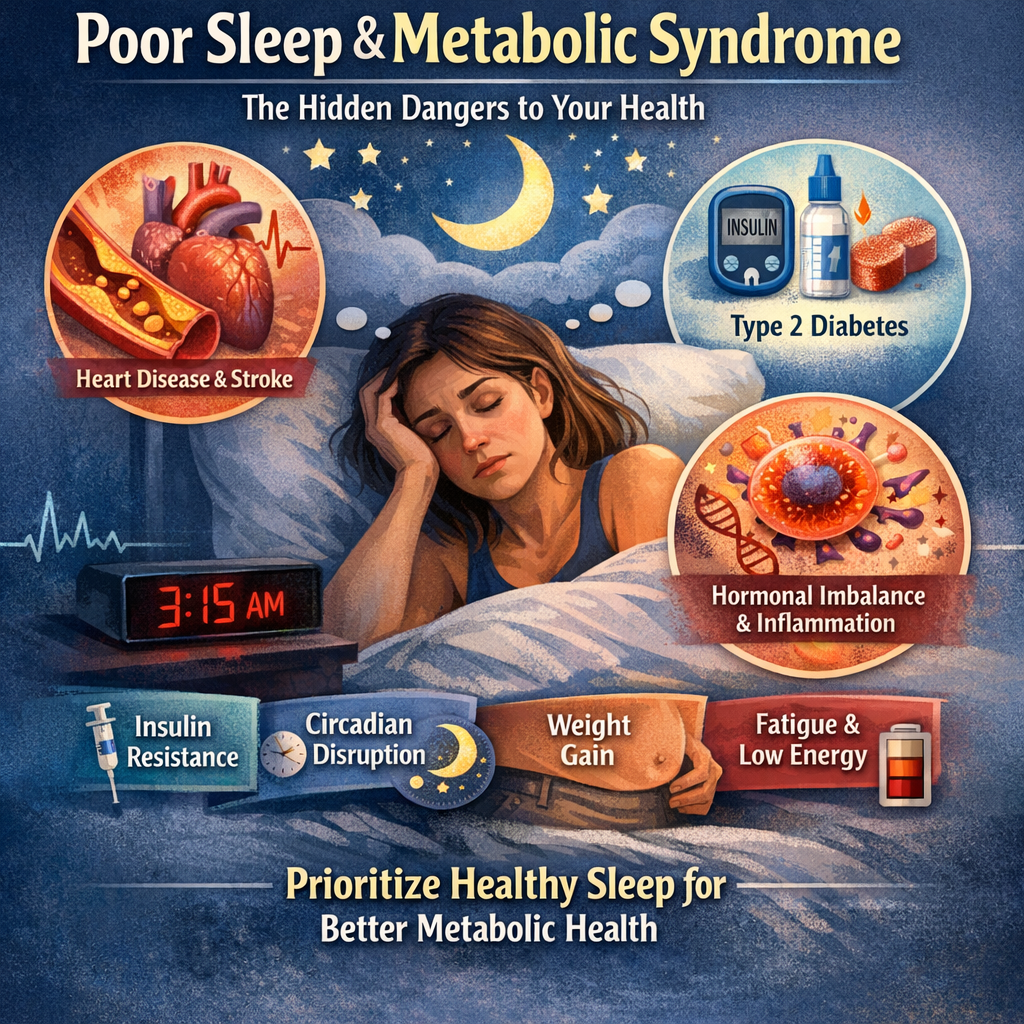
**Sleep** is a vital component of overall health and well-being, yet it is often undervalued in our fast-paced world. Recent scientific research has explored the intricate relationship between **sleep habits** and **metabolic health**. Alarmingly, poor sleep is increasingly recognized as a potential contributor to **metabolic syndrome** – a cluster of conditions increasing the risk of **heart disease**, **stroke**, and **type 2 diabetes**. These conditions include increased **blood pressure**, high **blood sugar levels**, excess body fat around the waist, and abnormal **cholesterol** or **triglyceride levels**.
While many are aware that poor diet and lack of exercise can lead to metabolic syndrome, the impact of sleep is less commonly understood. **Sleep deprivation** or **irregular sleep patterns** can throw the body’s internal systems into disarray. For example, lack of sleep can disrupt the balance of **hormones** that control appetite, leading to overeating and weight gain. Additionally, insufficient sleep is linked to increased **stress levels**, which, in turn, can exacerbate blood pressure and blood sugar issues.
Moreover, the quality of sleep matters just as much as the quantity. Interrupted or poor-quality sleep can prevent the body from completing essential **restorative processes**, crucial for maintaining metabolic health. This can result in decreased **insulin sensitivity** and an increased risk of inflammation, both key components in the development of metabolic syndrome.
The science outlining these connections continues to evolve, highlighting the importance of maintaining healthy sleep habits as a cornerstone of metabolic wellness. In this article, we will delve into the scientific studies that underscore the critical link between poor sleep and metabolic syndrome. We will also explore practical recommendations to help you optimize your sleep for better metabolic health, emphasizing that sleep is as crucial as diet and exercise when it comes to a healthy lifestyle.
Scientific Studies on Sleep and Metabolic Syndrome
The correlation between **sleep disturbances** and metabolic syndrome has been the subject of extensive research in recent years. Numerous studies found compelling evidence that inadequate or disrupted sleep can contribute to **metabolic imbalances**.
One pivotal study led by the [University of Chicago’s Department of Medicine](https://www.uchicago.edu/) found that individuals who slept less than six hours per night consistently showed increased markers of **inflammation**, **insulin resistance**, and **glucose intolerance** – all risk factors for metabolic syndrome. The study highlighted that sleep deprivation impairs the body’s ability to utilize insulin, making it a significant risk factor for developing type 2 diabetes and related metabolic conditions.
A separate study published in the [Journal of the American College of Cardiology](https://www.jacc.org/) demonstrated that poor sleep quality, not just quantity, plays a vital role. Researchers found that individuals who experienced frequent sleep disruptions had higher levels of **visceral fat** – a dangerous type of fat stored in the abdominal cavity linked to metabolic syndrome and cardiovascular disease.
Moreover, research by the [National Center for Biotechnology Information (NCBI)](https://www.ncbi.nlm.nih.gov/) examined the effects of shift work and irregular sleep patterns on metabolic health. The study concluded that individuals who work irregular hours or engage in nighttime activity are at a higher risk for developing metabolic syndrome. This is due to the disruption of the **circadian rhythm**, which regulates the body’s internal clock and profoundly impacts metabolism.
Scientific evidence also indicates that **oxidative stress** and inflammation caused by poor sleep may accelerate the progression of metabolic syndrome. The **Sleep Heart Health Study** found a dose-response relationship between sleep duration and metabolic risk factors, meaning as sleep duration decreases, the risk of metabolic syndrome increases incrementally.
In essence, scientific research underscores that both the quantity and quality of sleep are fundamental to preventing metabolic syndrome. **Strategies aimed at improving sleep hygiene**, such as establishing a regular sleep schedule, creating a restful environment, and minimizing electronic device use before bed, can help mitigate these risks and promote better metabolic health.
Conclusion
In conclusion, the intricate link between **sleep habits** and metabolic syndrome serves as a powerful reminder of the holistic nature of health. Just as diet and exercise are crucial components of a healthy lifestyle, good sleep practices should not be overlooked. Armed with the knowledge that insufficient or poor-quality sleep can disrupt metabolic processes and increase the risk of serious health conditions, individuals of all ages are encouraged to prioritize their sleep.
Adopting healthy sleep habits, such as maintaining a consistent sleep schedule, optimizing the sleep environment, and managing stress levels, can play a significant role in safeguarding metabolic health. By fostering an understanding of the importance of sleep, we can take actionable steps toward preventing metabolic syndrome and promoting lifelong well-being.
For further reading and insights, explore studies from sources like the [University of Chicago](https://www.uchicago.edu/), the [Journal of the American College of Cardiology](https://www.jacc.org/), and the [NCBI](https://www.ncbi.nlm.nih.gov/). These resources provide a deeper dive into the scientific findings linking sleep to metabolic health, empowering you with evidence-based knowledge to enhance your sleep and, in turn, your health.
**Concise Summary**
Sleep plays a crucial role in maintaining metabolic health, yet poor sleep habits are often overlooked as a contributing factor to metabolic syndrome. Research indicates that insufficient or disrupted sleep can lead to inflammation, insulin resistance, and other metabolic disturbances, increasing the risk of developing heart disease, stroke, and type 2 diabetes. Key studies from institutions like the University of Chicago highlight the importance of both sleep quality and quantity. To combat these risks, adopting healthy sleep practices, such as regular sleep schedules and optimizing sleep environments, is vital for promoting better metabolic health and overall well-being.

Dominic E. is a passionate filmmaker navigating the exciting intersection of art and science. By day, he delves into the complexities of the human body as a full-time medical writer, meticulously translating intricate medical concepts into accessible and engaging narratives. By night, he explores the boundless realm of cinematic storytelling, crafting narratives that evoke emotion and challenge perspectives.
Film Student and Full-time Medical Writer for ContentVendor.com