Sleep Medicine Meets AI: How Predictive Analytics Can Preempt Chronic Diseases through Sleep Health
*Introduction*
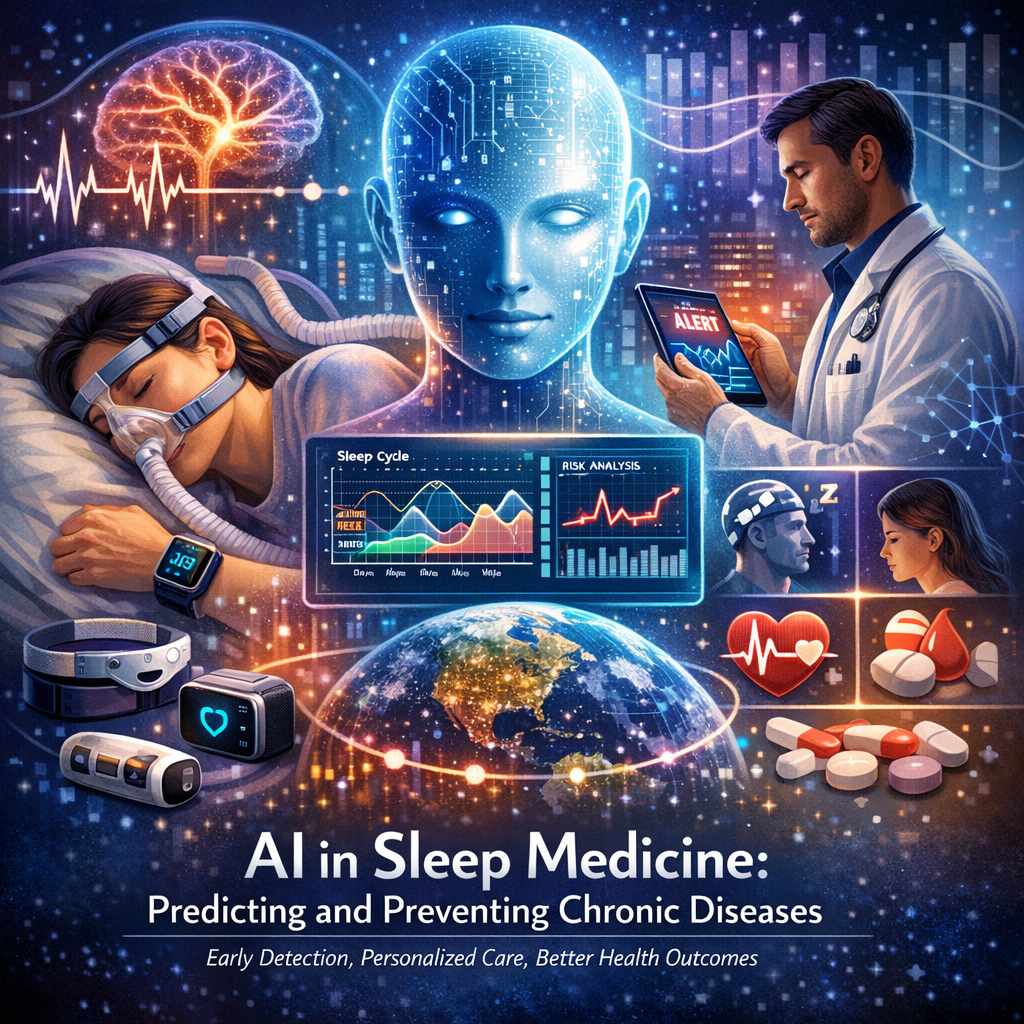
In the ever-evolving landscape of healthcare technology, the integration of **artificial intelligence (AI)** with **sleep medicine** heralds a new era in predictive analytics. It is well-established that **sleep health** is a pivotal component of overall well-being. Chronic sleep disorders not only degrade quality of life but also serve as precursors to numerous **chronic diseases**, including **cardiovascular conditions**, **diabetes**, and **mental health issues**. As our healthcare systems grapple with the burgeoning prevalence of these **non-communicable diseases**, innovative approaches to prevention and early intervention are crucial.
Emergent AI technologies harness vast datasets collected from **wearables**, **sleep studies**, and patient records, analyzing them to extract insights that were previously unattainable. **Predictive analytics** utilizes these insights to detect patterns and markers that could signal the onset of chronic diseases before they manifest clinically. AI-driven models, trained through **machine learning algorithms**, can predict an individual’s risk landscape by analyzing sleep patterns, duration, and efficiency, thereby allowing for targeted interventions.
The growing corpus of evidence connecting poor sleep with chronic diseases underscores the need for proactive solutions. According to the **Centers for Disease Control and Prevention (CDC)**, insufficient sleep is a public health problem, affecting societal safety and work productivity. As we deepen our understanding of the intricate relationship between sleep and health, the application of AI in this arena becomes increasingly significant. AI doesn’t just offer a glimpse into an individual’s current sleep health but also the trajectory of their holistic health landscape.
Such applications are particularly impactful for preventive healthcare. With an estimated 50-70 million US adults suffering from sleep disorders, AI’s potential to preemptively identify risks years before diagnosis could transform healthcare practices and policies. Early identification and personalized intervention plans could mitigate the risk of chronic illnesses, ultimately lightening the burden on healthcare systems and enhancing the quality of life on a global scale.
*Features*
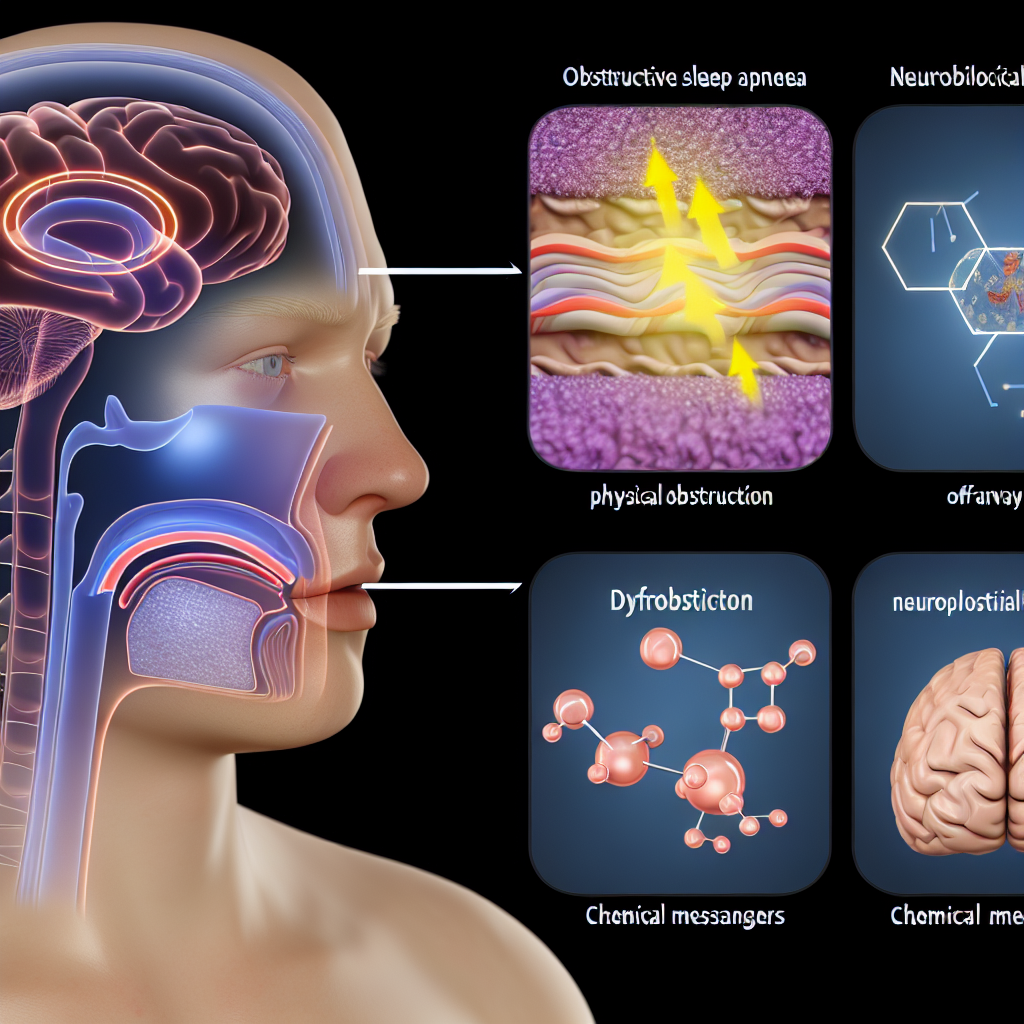
Several pioneering studies have laid the groundwork for AI’s integration into sleep medicine. A pivotal study published in **[Nature and Science of Sleep](https://www.dovepress.com/machine-learning-in-sleep-apnea-peer-reviewed-article-NSS)** explored how machine learning algorithms could predict **obstructive sleep apnea** using data extracted from wearable devices. This research posited that AI could accurately assess the severity of sleep apnea by analyzing physiological signals like heart rate and oxygen saturation levels, offering non-invasive alternatives to traditional polysomnography studies.
Moreover, a study in the **[Journal of Clinical Sleep Medicine](https://jcsm.aasm.org/doi/10.5664/jcsm.8490)** highlighted the potential of deep learning algorithms to diagnose **insomnia**, which is often a precursor to depression and anxiety disorders. By assessing sleep patterns and disturbances through motion-detecting wristbands, AI systems were able to differentiate between chronic insomnia and transient sleep disturbances, paving the way for more accurate diagnoses.
The **World Sleep Society** has emphasized AI’s potential in transforming sleep research, suggesting that predictive models could monitor sleep quality over time and identify deviations that precede disease onset. The study underscores the importance of personalized sleep data, suggesting that individualized predictions can refine preventive strategies tailored to specific risk profiles.
AI also offers unprecedented capabilities in handling extensive datasets from multiple cohorts in sleep research, facilitating the identification of correlations between sleep abnormalities and chronic conditions like hypertension and type 2 diabetes. By recognizing patterns in large, diverse populations, AI models can inform early interventions that may reduce disease risk across various demographics.
These studies collectively demonstrate AI’s role in revolutionizing sleep medicine. By focusing on predictive analytics, healthcare providers can shift from reactive to preventive care, emphasizing early detection and customization of treatment plans designed to avert the manifestation of chronic diseases.
*Conclusion*
The fusion of **AI** and **sleep medicine** represents a groundbreaking shift toward proactive healthcare, where predictive analytics can serve as a frontline defense against chronic diseases. As sleep data becomes more accessible and AI algorithms increasingly sophisticated, the potential to revolutionize diagnostics and treatment plans is limitless. Through the analysis of sleep health, AI not only offers promise in preempting diseases but also provides a pathway to a healthier, more informed society.
In a world where chronic conditions threaten to overwhelm healthcare systems, the strategic use of AI in sleep medicine could fundamentally alter the paradigm of disease management. Personalized interventions, informed by predictive analytics, may soon become the cornerstone of preventive medicine, delivering unprecedented benefits to individual health outcomes and public health at large.
*References*
1. [**Centers for Disease Control and Prevention: Sleep and Chronic Disease**](https://www.cdc.gov/sleep/index.html)
2. [**Nature and Science of Sleep: Machine Learning in Sleep Apnea**](https://www.dovepress.com/machine-learning-in-sleep-apnea-peer-reviewed-article-NSS)
3. [**Journal of Clinical Sleep Medicine: AI and Insomnia**](https://jcsm.aasm.org/doi/10.5664/jcsm.8490)
4. [**World Sleep Society: AI Transforming Sleep Research**](https://worldsleepsociety.org/)
**Concise Summary:**
This article explores the integration of **AI in sleep medicine** to enhance **predictive analytics** and tackle chronic diseases. Leveraging vast datasets from wearables and sleep studies, AI can identify risks before chronic diseases manifest, allowing for targeted interventions. Studies have demonstrated AI’s capability in predicting and diagnosing **sleep apnea** and **insomnia**, underscoring its transformative potential. The strategy aims to shift healthcare from reactive to preventive by offering early, personalized interventions, easing healthcare burdens, and improving quality of life. As AI matures, it promises significant breakthroughs in diagnostics and treatment plans, reshaping preventive medicine.

Dominic E. is a passionate filmmaker navigating the exciting intersection of art and science. By day, he delves into the complexities of the human body as a full-time medical writer, meticulously translating intricate medical concepts into accessible and engaging narratives. By night, he explores the boundless realm of cinematic storytelling, crafting narratives that evoke emotion and challenge perspectives.
Film Student and Full-time Medical Writer for ContentVendor.com