Unlocking the Breath: How Revolutionary AI Diagnostics are Transforming Sleep Apnea Detection and Treatment
**Sleep apnea**, a common yet underdiagnosed **sleep disorder** affects millions worldwide. Characterized by interrupted breathing during sleep, it poses significant health risks, including **cardiovascular disease**, **diabetes**, and impaired cognitive function. Traditionally, diagnosing sleep apnea involved cumbersome overnight **polysomnography** in a sleep lab, which was expensive, intrusive, and often a barrier to individuals seeking timely diagnosis and treatment.
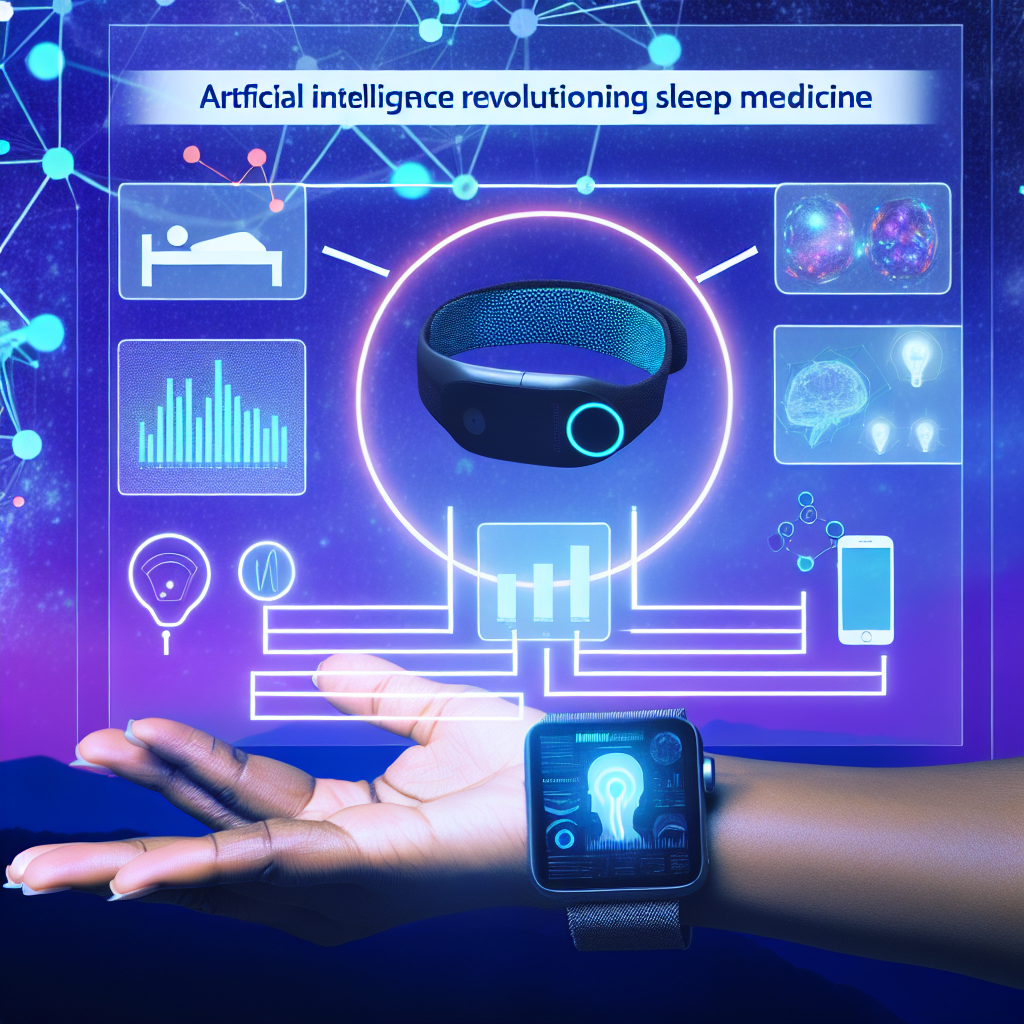
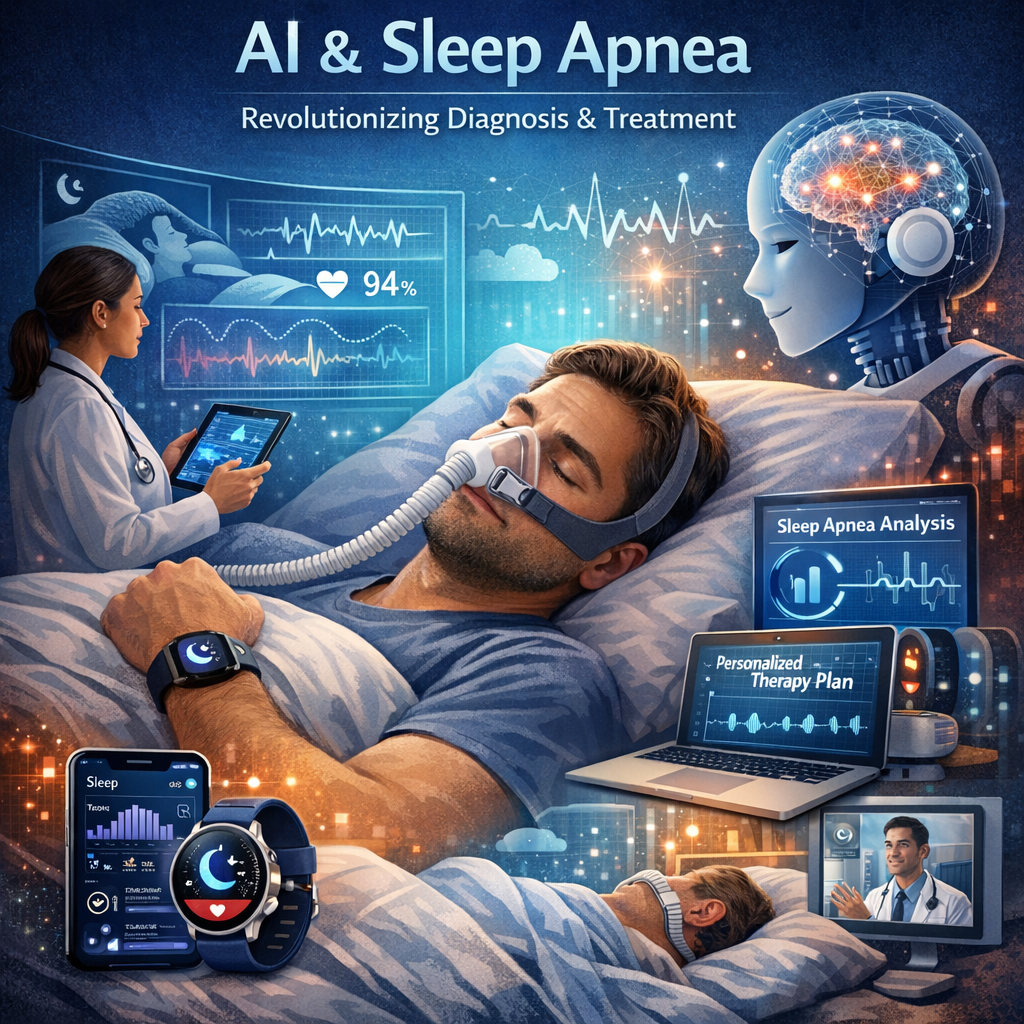
However, the advent of **artificial intelligence (AI)** is revolutionizing this scene, ushering in a new era of sleep apnea diagnosis and treatment. **AI technology** now offers non-intrusive, efficient, and cost-effective tools for sleep apnea detection by analyzing a range of data, such as breathing patterns, heart rate, and blood oxygen levels, from devices that patients can use in the comfort of their homes. Not only is this making the process easier for patients, but it’s also enabling healthcare providers to analyze vast amounts of data quickly and accurately, leading to more timely and precise diagnoses. **Wearable technology**, bolstered by AI algorithms, makes it possible to monitor sleep quality, detect irregular breathing patterns, and predict the likelihood and severity of **sleep apnea**.
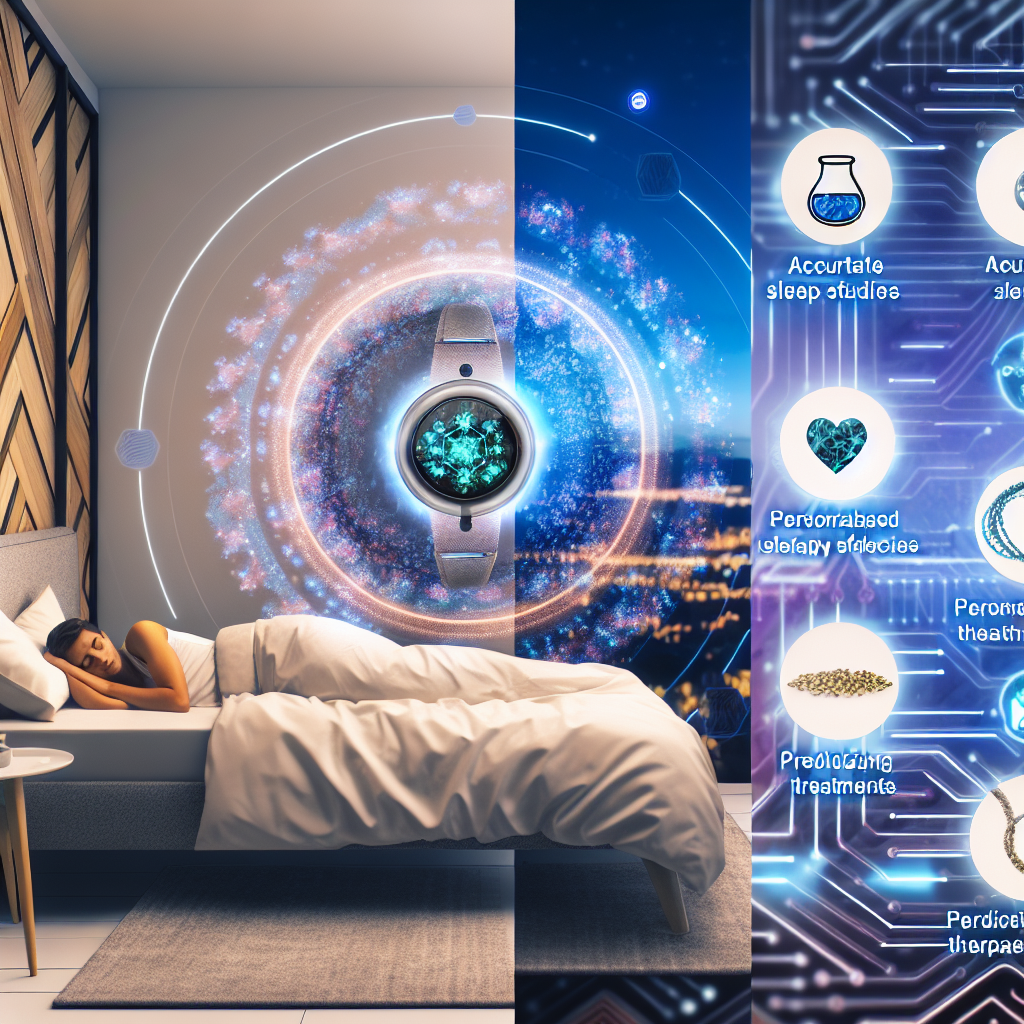
**Healthcare systems** globally are beginning to integrate **AI** into their sleep clinics for accelerated diagnosis and more personalized patient care. AI-driven **machine learning models** can identify subtle patterns in sleep data that might be missed by the human eye. This increased accuracy allows for tailored treatment plans, ranging from lifestyle changes and **positional therapy** to **continuous positive airway pressure (CPAP)** intervention and beyond. AI isn’t just streamlining the diagnostic process; it’s paving the way for innovative treatment methodologies that adapt to individual sleep architecture and needs.
Moreover, AI’s **predictive capabilities** are helping clinicians anticipate complications and adjust treatment regimens, enhancing patient outcomes and augmenting patient quality of life. The inclusion of AI in this field represents a paradigm shift not only to effective management but also in empowering individuals to play a more active role in their health.
Features: The Impact of AI in Sleep Apnea Diagnosis and Treatment
Numerous professional and medical studies are at the frontier of integrating AI in sleep medicine, offering promising results for the detection and management of sleep apnea. One landmark study published in Nature Science of Sleep demonstrated that AI algorithms analyzing home sleep test data delivered a comparable accuracy in diagnosing **obstructive sleep apnea (OSA)** to that of traditional polysomnography.
Another significant study by researchers at the University of Copenhagen utilized AI to decode data from wearable devices, leading to a 95% accuracy rate in **sleep apnea detection**. These findings underscore the capabilities of AI in not only diagnosing but also the continuous monitoring of treatment effectiveness.
Furthermore, AI’s power extends to improving treatment adherence and optimizing therapy. A study conducted by Harvard Medical School explored machine learning algorithms to predict CPAP therapy outcomes. The algorithms could forecast patient adherence by analyzing their initial response to treatment, thus enabling healthcare providers to intervene proactively in cases of non-compliance.
Additionally, AI is revolutionizing therapeutic approaches. Research at McMaster University is exploring AI-driven personalized medicine to design lifestyle and dietary interventions that suit an individual’s specific sleep apnea profile.
AI’s integration into **telemedicine services** has further expanded access to sleep specialists by facilitating remote consultations and continuous follow-up care. This innovation is vital in extending diagnostic and therapeutic tools to underserved populations and has shown to significantly reduce the delays associated with traditional treatment pathways.
Conclusion
The revolutionary role of AI in transforming sleep apnea diagnostics and treatment is undeniable. By mitigating the barriers traditionally associated with polysomnographic diagnosis and delivering superior accuracy and personalization, AI offers a future where individuals can achieve and maintain optimal sleep health more easily and affordably. As AI technology advances, it holds the potential to refine these solutions even further, perhaps predicting health outcomes, enhancing therapeutic effectiveness, and preventing the health consequences of untreated sleep apnea.
The adoption of AI in healthcare—particularly in the management of sleep disorders—marks a significant stride in achieving not only individualized patient care but also in pushing the boundaries of medical innovation. As we further unlock the potential of AI, both patients and healthcare providers stand to benefit enormously, heralding an era where restful and restorative sleep is within reach for all.
For further reading on the prevalence and risks of undiagnosed sleep apnea, see the article from the American Sleep Apnea Association, and for more on advancements in sleep technology, consult the latest from Sleep Review Magazine.
**Concise Summary:**
Artificial intelligence (AI) is revolutionizing sleep apnea diagnosis and treatment, offering non-intrusive, efficient, and cost-effective solutions compared to traditional methods. AI technology, through the use of home-based wearable devices, facilitates accurate monitoring of sleep patterns and improves diagnostic accuracy. Healthcare systems worldwide are adopting AI for its predictive capabilities and personalized patient care, optimizing treatment adherence, and refining therapeutic approaches. The integration of AI into telemedicine also enhances access to quality sleep care, especially in underserved areas. Overall, AI’s role in sleep medicine exemplifies a transformative leap forward in healthcare innovation.

Dominic E. is a passionate filmmaker navigating the exciting intersection of art and science. By day, he delves into the complexities of the human body as a full-time medical writer, meticulously translating intricate medical concepts into accessible and engaging narratives. By night, he explores the boundless realm of cinematic storytelling, crafting narratives that evoke emotion and challenge perspectives.
Film Student and Full-time Medical Writer for ContentVendor.com