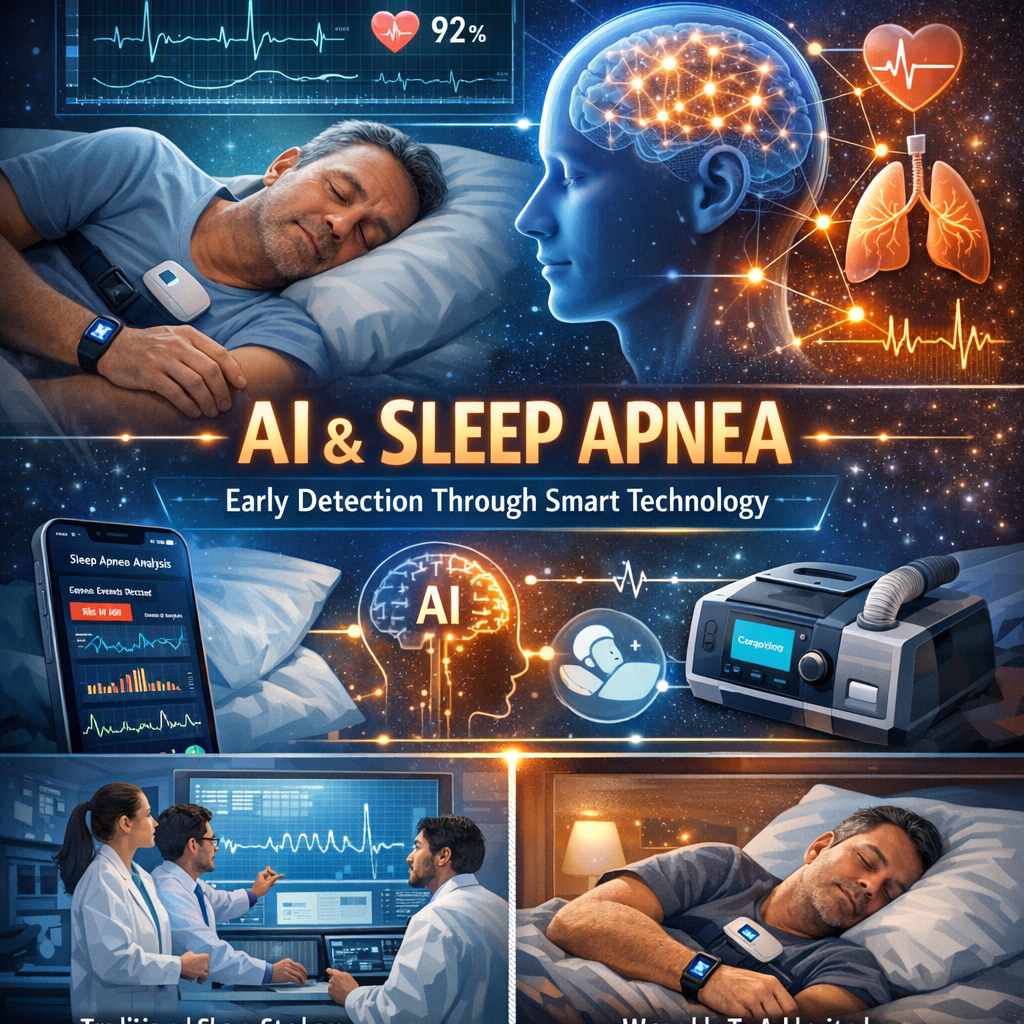
Revolutionizing Sleep Medicine: Could AI Predict Your Sleep Apnea Risk Before Symptoms Appear?
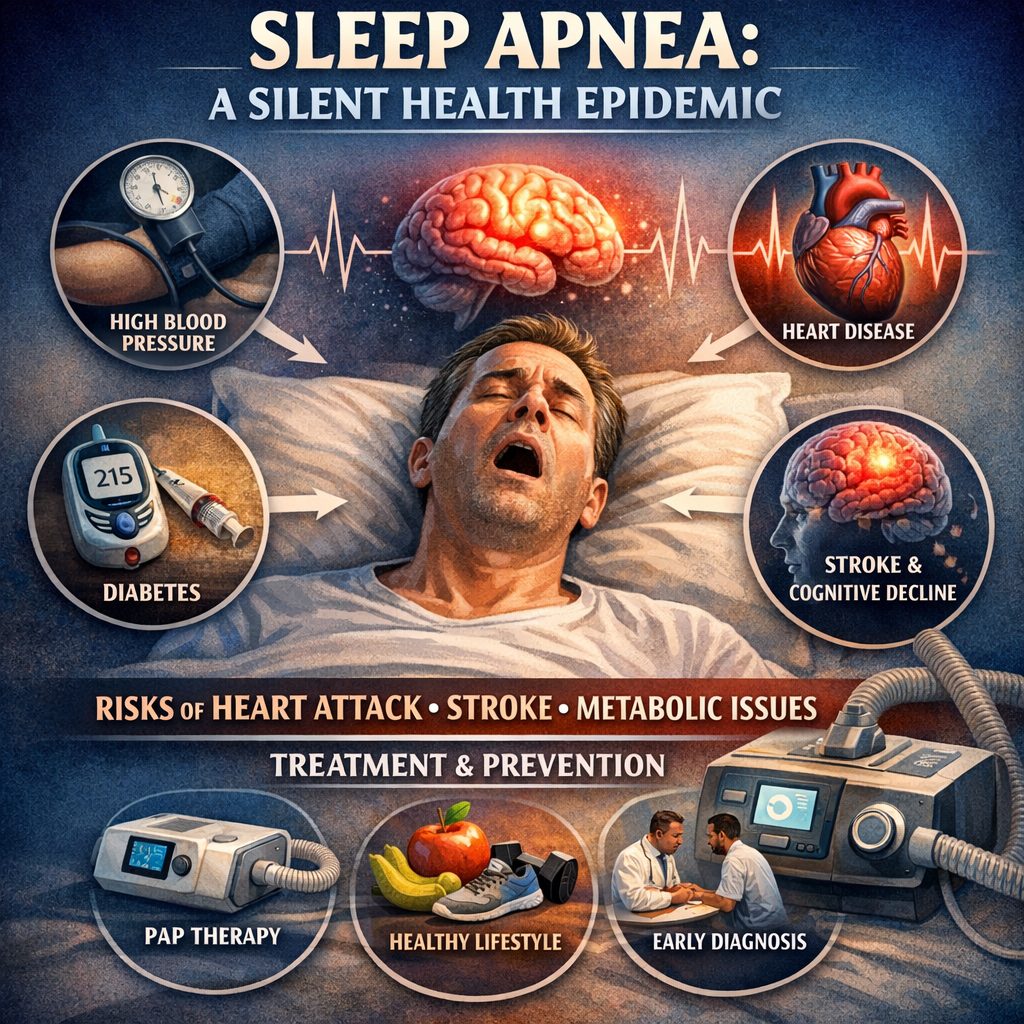
**Sleep apnea**, a prevalent yet often undiagnosed condition, poses significant health risks and affects millions globally. Characterized by repeated interruptions in breathing during sleep, sleep apnea can lead to severe health issues, ranging from **cardiovascular problems** to **chronic fatigue** and **impaired cognitive function**. Traditionally, the diagnosis of this condition has relied heavily on overnight sleep studies in dedicated centers, which are resource-intensive and not always accessible to everyone. However, the rapid evolution of **artificial intelligence (AI)** is poised to revolutionize sleep medicine by offering less invasive and more widely accessible methods for predicting sleep apnea risk, potentially even before any symptoms arise.
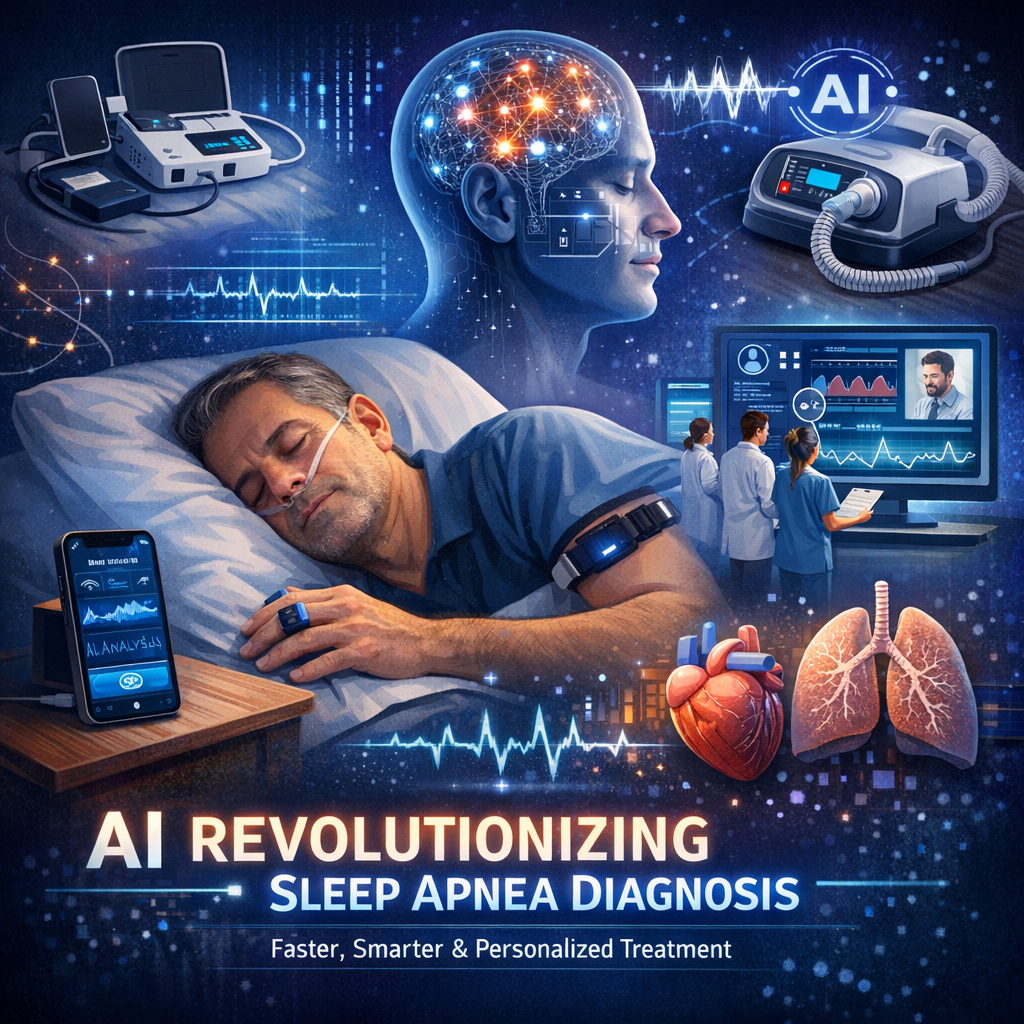
**The intersection of AI and sleep medicine** represents an exciting frontier where technology enhances our ability to manage and predict health outcomes. With advancements in **machine learning algorithms**, AI systems can analyze vast amounts of data—such as heart rate, respiratory patterns, and movement during sleep—far beyond the capabilities of traditional methods. These systems learn from the collected data, identifying patterns and risk factors that might not be immediately apparent to human clinicians.
One promising aspect of AI in this realm is its ability to perform **preemptive diagnostics**. For instance, by examining available health metrics from wearable devices, AI could predict an individual’s likelihood of developing sleep apnea. This proactive approach not only facilitates early interventions but also broadens the scope of patient engagement in managing their health. As more people gain access to wearable health technology, the potential data pool for AI to analyze grows tremendously, enhancing the accuracy and reliability of predictions.
Moreover, **AI-driven sleep apnea prediction models** have the potential to lower healthcare costs by reducing the need for expensive diagnostic procedures, ensuring only those at high risk undergo further evaluation. Consequently, AI is not just an innovative add-on to traditional methods but a transformative tool that could redefine how we approach **sleep health diagnostics** and management.
Medical Studies on AI and Sleep Apnea
Recent studies highlight the promising role of AI in predicting sleep apnea. A notable research effort published in the [*Journal of Clinical Sleep Medicine*](https://jcsm.aasm.org) explored how machine learning algorithms could predict sleep apnea using data collected from non-invasive devices. This study demonstrated that AI could achieve a prediction accuracy comparable to that of traditional sleep studies by analyzing variables such as **heart rate variability** and **nocturnal oximetry** data.
Another influential study was conducted by researchers at Stanford University, who developed an AI model capable of analyzing data from smartwatches and fitness trackers to identify sleep apnea risk factors. Leveraging deep learning techniques, the model could not only detect existing apnea patterns but also predict potential risks in individuals who had yet to exhibit symptoms. The findings, shared in the [*Nature Communications*](https://www.nature.com) journal, showed that AI could serve as an effective preliminary screening tool, potentially steering those at high risk towards further professional assessment much earlier.
Moreover, a collaboration between MIT and Massachusetts General Hospital showcased an AI system known as “BioSignal.ai,” which utilized deep neural networks to assess patients’ overnight data, such as ECG signals, effectively identifying those likely to develop sleep apnea with higher precision than conventional screenings. The research, published in the journal [*Sleep Medicine Reviews*](https://www.sleepmedrev.com), underscores AI’s potential in enhancing predictive models by incorporating a broad array of biological signals into its analytical framework.
These studies collectively signify a paradigm shift in how sleep health can be managed, emphasizing AI’s potential to democratize healthcare by enabling early, cost-effective, and widespread access to predictive diagnostics.
Conclusion
As AI technology continues to advance, its application in predicting sleep apnea risk holds transformative potential for both patients and healthcare providers. By integrating sophisticated algorithms with everyday health monitoring devices, we can move towards a more proactive, personalized approach in managing sleep health. This shift not only enhances early detection and intervention but also reduces the burden on healthcare systems, making sleep health management more accessible to those who need it most. However, it’s crucial to remain mindful of **ethical considerations**, including data privacy and the need for continuous improvement of AI models to ensure accuracy and equity in health predictions. As we stand at the cusp of this technological revolution, embracing the innovation AI brings could lead to a healthier, more informed society, where sleep disorders like apnea are addressed swiftly and effectively long before they impact the quality of life.
**Concise Summary**
The integration of artificial intelligence in sleep medicine is transforming the prediction and management of sleep apnea. AI’s ability to analyze vast amounts of data from wearable devices allows for early detection of this condition, potentially preventing serious health problems. Recent studies demonstrate that AI can accurately predict sleep apnea risks, reducing the need for expensive diagnostic procedures. This advancement not only lowers healthcare costs but also increases accessibility to diagnostics. As AI technology progresses, it could lead to significant improvements in sleep health management, emphasizing the need for ethical considerations like data privacy and model accuracy.

Dominic E. is a passionate filmmaker navigating the exciting intersection of art and science. By day, he delves into the complexities of the human body as a full-time medical writer, meticulously translating intricate medical concepts into accessible and engaging narratives. By night, he explores the boundless realm of cinematic storytelling, crafting narratives that evoke emotion and challenge perspectives.
Film Student and Full-time Medical Writer for ContentVendor.com