Harnessing AI for Sleep Apnea Diagnostics: Shaping the Future of Respiratory Health with Predictive Algorithms
Introduction
Sleep apnea, a potentially serious disorder marked by repeated interruptions in breathing during sleep, affects millions worldwide. Despite its prevalence, it often remains undiagnosed, largely due to cumbersome and inconvenient traditional diagnostic methods, such as **polysomnography**. However, **artificial intelligence (AI)** is emerging as a revolutionary tool in transforming sleep apnea diagnostics. AI-driven diagnostic tools offer a non-intrusive, cost-effective, and accurate approach. Machine learning algorithms, a subset of AI, analyze vast datasets to recognize patterns and predict sleep apnea with remarkable precision. This can expedite diagnosis and facilitate earlier interventions, preventing severe cardiovascular and cognitive complications associated with untreated sleep apnea.
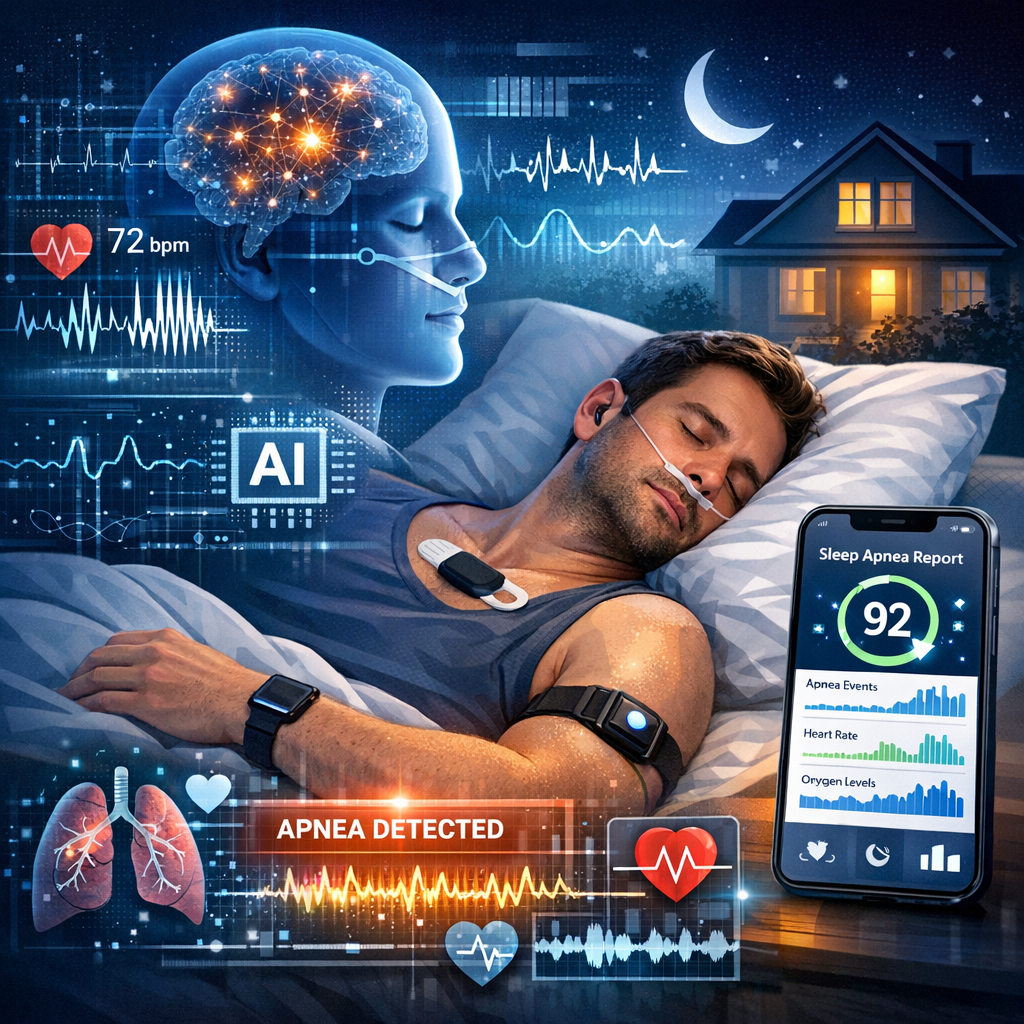
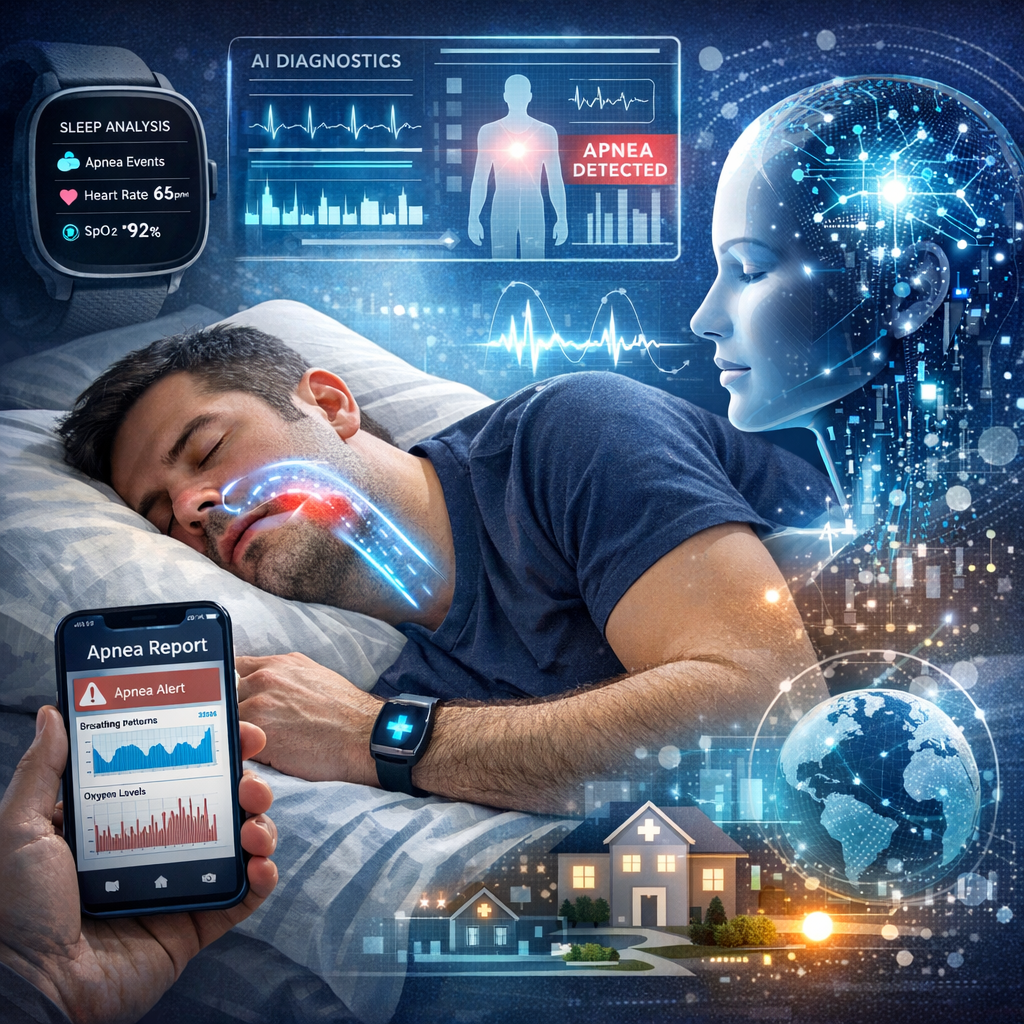
These AI systems analyze data from various sources, including wearable devices, smartphone apps, and home-based monitoring equipment. By evaluating physiological signals such as heart rate, oxygen saturation, and breathing patterns, AI detects anomalies indicating apnea events. This approach democratizes access to care, especially for underserved or remote populations. As AI technology evolves, its applications in sleep apnea diagnostics are expected to expand, incorporating nuanced insights and predictions. AI can also aid in post-diagnosis management by offering personalized treatment recommendations and monitoring patient adherence to therapy such as CPAP devices.
Features
The integration of AI into sleep apnea diagnostics is supported by numerous professional and medical studies showcasing its effectiveness and reliability. For example, the *Journal of Clinical Sleep Medicine* reported that AI algorithms predict sleep apnea severity by analyzing **snore sounds** via smartphones. These systems differentiate between normal and pathological snoring patterns with high accuracy, offering a non-invasive alternative to traditional diagnostics. Another noteworthy study from the *European Respiratory Journal* developed AI models that interpret datasets from wearable biosensors, successfully identifying sleep apnea in patients with considerable accuracy. This research suggests wearable technology can be a viable option for long-term home monitoring.
In a collaborative study spearheaded by **Stanford University**, AI screened ECG data for sleep apnea indicators, detecting the disorder with a sensitivity of 90% and specificity of 85%, rivaling traditional sleep studies. The growing consensus within the medical community recognizes the transformative potential of AI in sleep apnea diagnostics. As AI frameworks advance, they are anticipated to further integrate into clinical pathways, broadening access to quality healthcare and enhancing diagnostic precision.
Conclusion
The use of AI in sleep apnea diagnostics represents a transformative shift in managing respiratory health. By leveraging AI’s predictive algorithms, healthcare can adopt a proactive approach in identifying and managing sleep disorders, enhancing accuracy, and broadening access to care. While challenges in implementing AI-driven diagnostics remain, such as ensuring data privacy and overcoming logistical barriers, the future appears promising. Continued research and development suggest AI could revolutionize sleep apnea diagnosis, providing a foundation for improved patient outcomes and progress toward better respiratory health. As society embraces technological evolution, the vision of universal improvements in sleep health is within reach.
**Concise Summary**
The integration of **artificial intelligence (AI)** into sleep apnea diagnostics offers a groundbreaking shift in how the disorder is diagnosed and managed. AI-driven tools provide a non-intrusive, cost-effective, and precise alternative to traditional methods like polysomnography. By analyzing data from wearable devices and smartphone apps, AI can efficiently detect apnea events, democratizing access to care and allowing for earlier interventions. Studies highlight AI’s impressive accuracy in predicting sleep apnea, with AI models rivaling traditional diagnostics. As advancements continue, AI holds the potential to significantly enhance respiratory health management and patient outcomes.
**References:**
– [Journal of Clinical Sleep Medicine](https://jcsm.aasm.org)
– [European Respiratory Journal](https://erj.ersjournals.com)
– [Stanford University Study](https://med.stanford.edu)

Dominic E. is a passionate filmmaker navigating the exciting intersection of art and science. By day, he delves into the complexities of the human body as a full-time medical writer, meticulously translating intricate medical concepts into accessible and engaging narratives. By night, he explores the boundless realm of cinematic storytelling, crafting narratives that evoke emotion and challenge perspectives.
Film Student and Full-time Medical Writer for ContentVendor.com