Revolutionizing Sleep Medicine: How AI-Driven Biomarkers Could Reinvent Sleep Apnea Diagnosis
Introduction
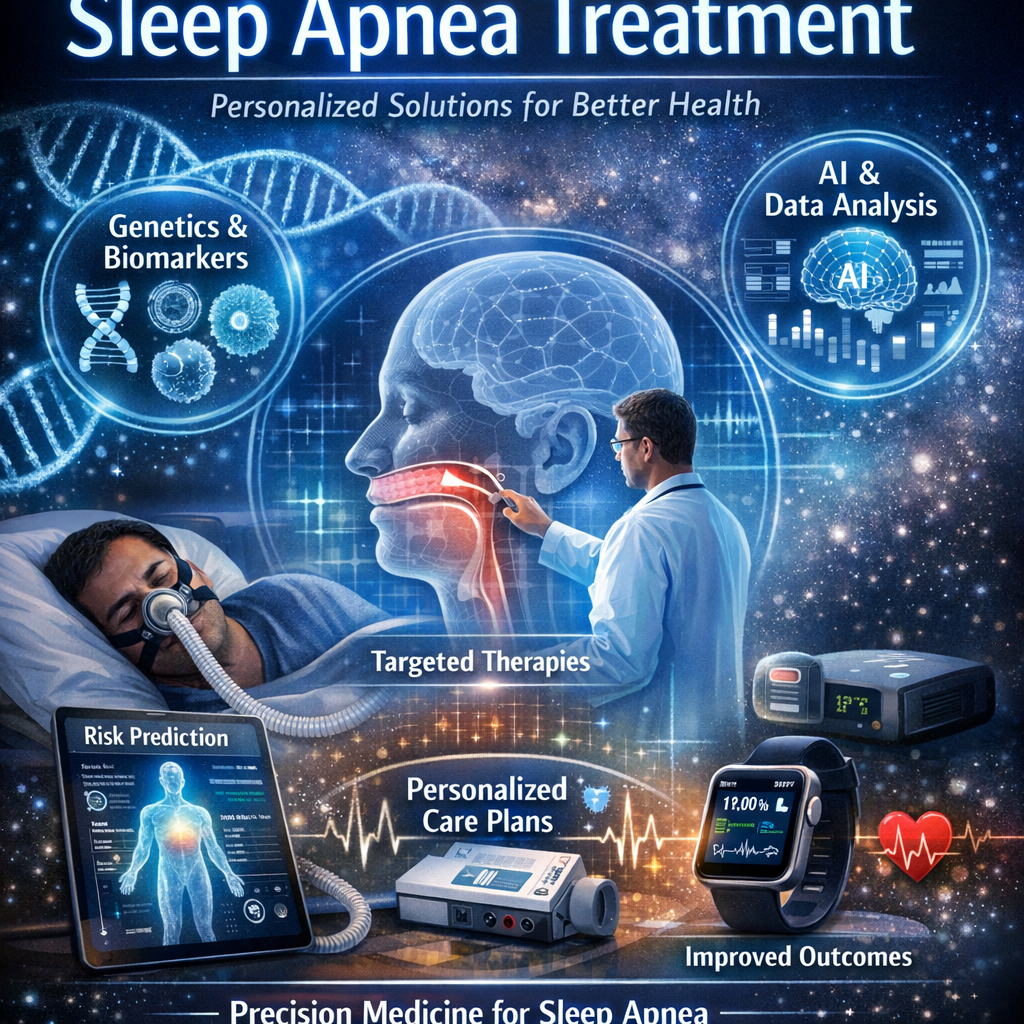
**Sleep apnea**, a condition marked by repetitive interruptions in breathing during sleep, affects millions globally and significantly contributes to numerous health issues such as cardiovascular diseases and metabolic disorders. Currently, the gold standard for diagnosing sleep apnea is **polysomnography**—a comprehensive sleep study conducted in a lab. While effective, this method is expensive and inconvenient for many patients. **AI-driven biomarkers**, derived from digital data, represent physiological indicators that AI algorithms can leverage to detect patterns indicative of sleep disorders. By utilizing vast datasets, **machine learning** models identify subtle variances, leading to faster and more accurate diagnoses.
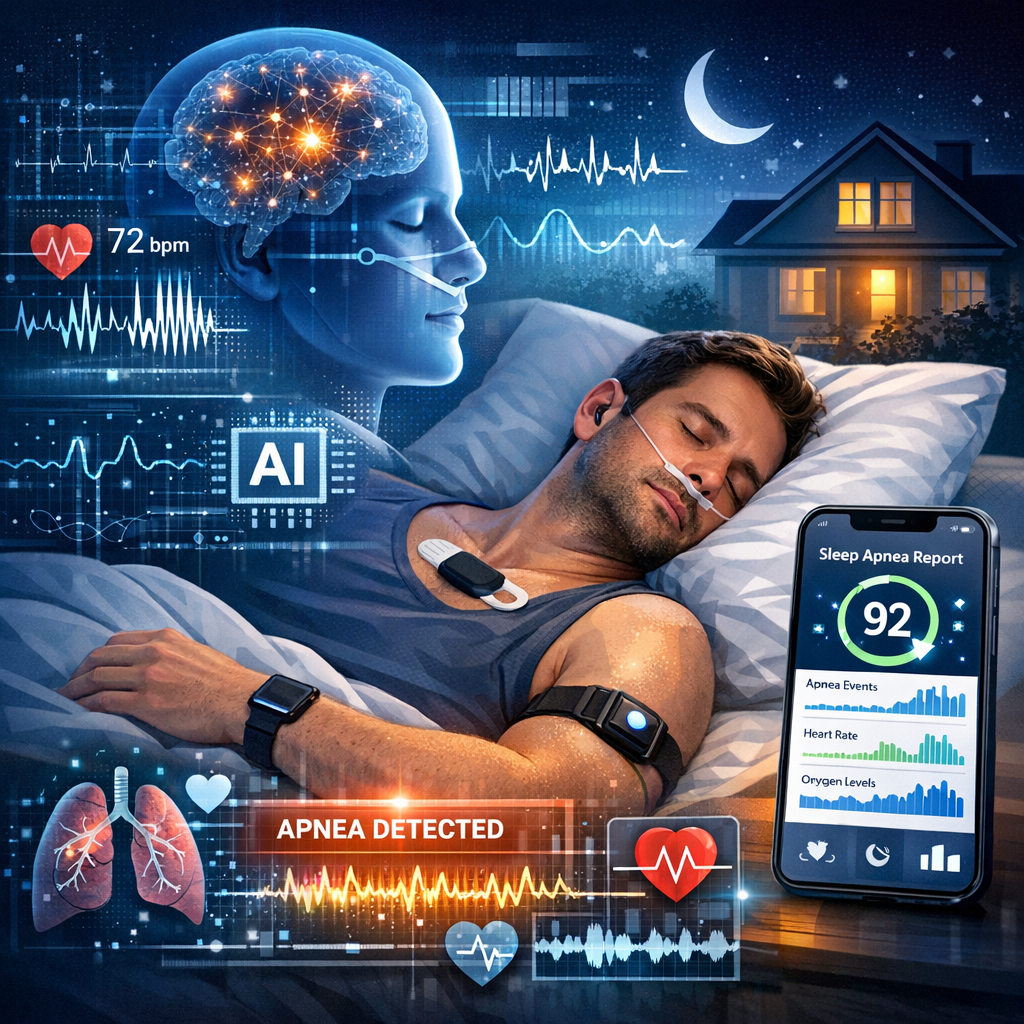
The integration of **AI** into sleep medicine not only promises to streamline the diagnostic process but also democratizes access to healthcare. With AI-powered tools, patients might undergo diagnostic tests at home using wearable devices, reducing the need for hospital stays and cutting costs.
Moreover, AI-driven biomarkers monitor patient data continuously, offering real-time insights into sleep health. This proactive approach aids in tailoring personalized treatment plans, enhancing patient adherence, and improving overall health outcomes. As AI technology evolves, it holds the potential to redefine traditional methods of diagnosing sleep apnea, making sleep health more accessible and efficient for all ages.
Features
Several recent studies have explored the promising application of **AI** in diagnosing sleep disorders like sleep apnea. A study in the journal [*Nature and Science of Sleep*](https://www.dovepress.com/articles.php?journal_id=150) investigated AI algorithms in interpreting signals from wearable devices. A **deep learning model** analyzed physiological data such as heart rate and oxygen saturation, accurately detecting sleep apnea events. Another significant research by the [American Academy of Sleep Medicine](https://aasm.org/research/) focused on developing **AI algorithms** trained on diverse patient datasets, emphasizing AI-driven biomarkers’ potential to identify differing severities of sleep apnea, improving personalization of diagnostics and treatment.
Further, an **innovative pilot study** at [Stanford University Sleep Medicine Center](https://med.stanford.edu/sleepcenter.html) demonstrated AI’s effectiveness in remote monitoring. Patients equipped with AI-enabled devices collected data over a month, accurately determining sleep stages and apneic events, corroborating conventional diagnostic outcomes. These studies collectively highlight the transformative potential of AI in sleep medicine.
Conclusion
The fusion of **AI** and sleep medicine marks an exciting frontier in healthcare innovation. As AI-driven biomarkers gain prominence, they promise to revolutionize the diagnosis and management of **sleep apnea**. This advancement facilitates early detection, fosters personalized care, and expands accessibility for patients across different demographics. As the healthcare industry continues its digital transformation, AI’s role in sleep medicine exemplifies how cutting-edge technology enhances patient outcomes. By providing real-time insights and democratizing access to diagnosis, AI promises a future where sleep apnea is managed more effectively, allowing individuals to take charge of their sleep health with ease and accuracy.
**Summary**
AI-driven biomarkers have the potential to transform sleep medicine by streamlining the diagnosis of sleep disorders like sleep apnea. These biomarkers, analyzed through AI algorithms, offer real-time insights, enabling more accurate diagnoses and personalized care. Studies highlight the effectiveness of AI in remote monitoring and its capability to detect apneic events by analyzing data from wearable devices. This integration promises cost reduction, improved accessibility, and enhanced patient outcomes by allowing at-home testing. Ultimately, AI in sleep medicine could democratize healthcare access, making sleep disorder management more efficient and patient-friendly.

Dominic E. is a passionate filmmaker navigating the exciting intersection of art and science. By day, he delves into the complexities of the human body as a full-time medical writer, meticulously translating intricate medical concepts into accessible and engaging narratives. By night, he explores the boundless realm of cinematic storytelling, crafting narratives that evoke emotion and challenge perspectives.
Film Student and Full-time Medical Writer for ContentVendor.com