The Hidden Link Between Sleep Apnea and Financial Well-Being: What You Need to Know
Introduction
**Sleep** is essential for our overall well-being, yet it is often underestimated in its impact on various life components, including **financial stability**. One sleep disorder that has far-reaching consequences is **sleep apnea**, a condition characterized by repeated interruptions in breathing during sleep. While many recognize its health implications, fewer realize the profound impact it can have on one’s financial health. Understanding this connection is crucial for improving both personal health and economic standing.
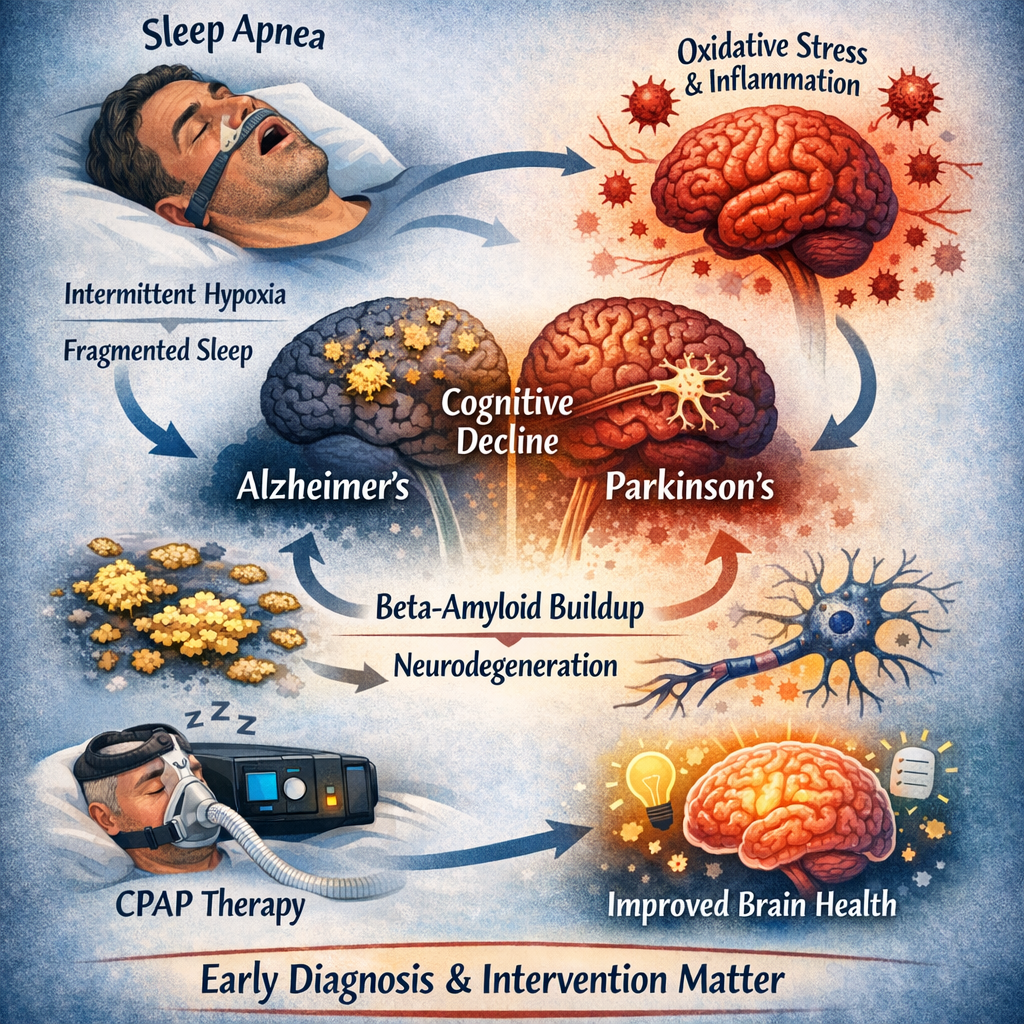
Sleep apnea affects millions worldwide, leading to excessive daytime sleepiness, reduced cognitive function, and increased risk of serious health issues such as **heart disease**, **obesity**, and **type 2 diabetes**. Its prevalence across all ages and its potential to disrupt various aspects of life are alarming, making it critical to address. The disorder doesn’t discriminate, affecting children and adults alike. Those diagnosed may experience fragmented sleep patterns, impacting their **productivity**, **energy levels**, and **decision-making skills**—all vital components of economic success.
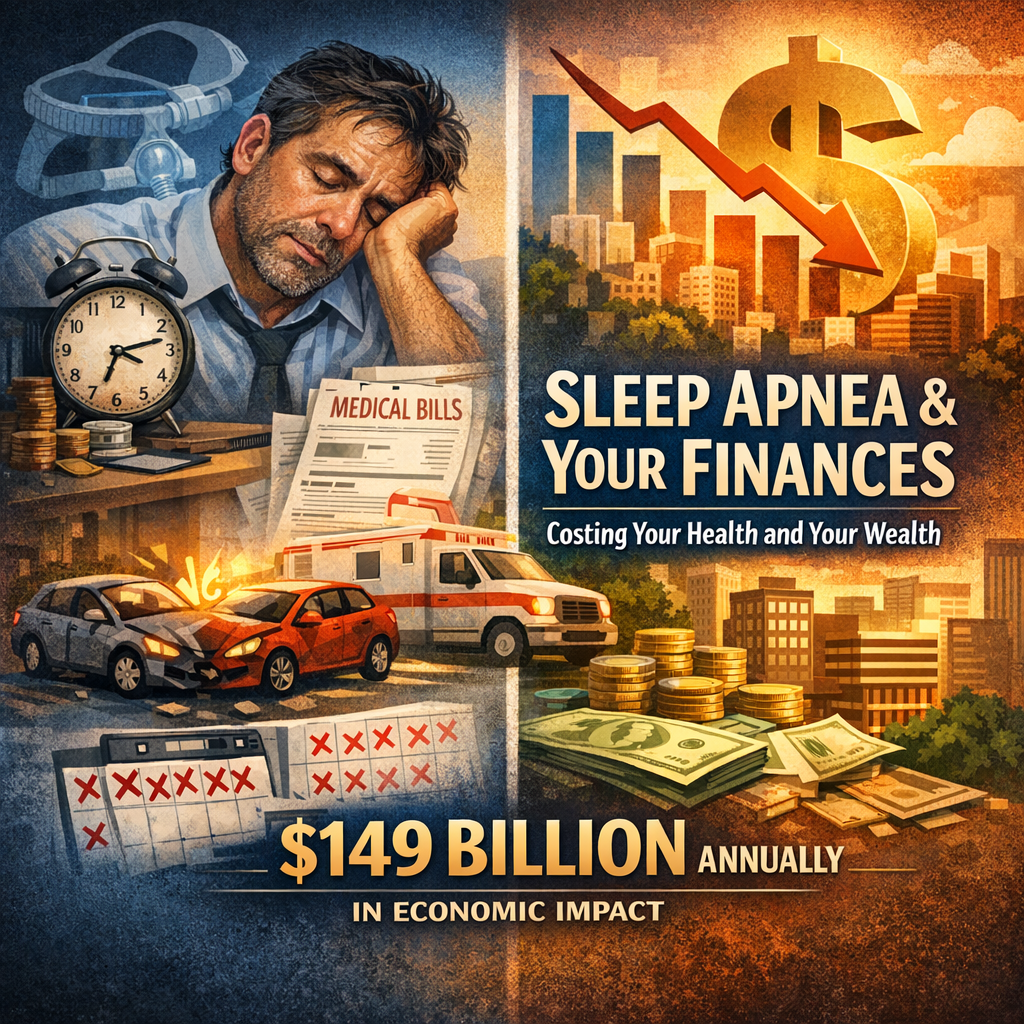
For individuals suffering from sleep apnea, the **financial repercussions** can be immediate and long-term. Reduction in work performance, potential job loss, or decreased productivity due to sleep-related fatigue can have direct effects on one’s income. Moreover, untreated sleep apnea can lead to **substantial medical bills**, given the associated health risks and need for long-term management, including therapies and **continuous positive airway pressure (CPAP) devices**.
Moreover, missed workdays, frequent medical consultations, and impaired professional reputation can indirectly lead to financial strain. The disorder’s influence extends beyond personal finance to impact employers, insurance companies, and the broader economy. Acknowledging and addressing these issues is not just a health imperative but an economic one. Understanding the hidden link between sleep apnea and financial well-being is the first step towards mitigating these impacts, allowing for a healthier, more financially secure life.
Features
Scientific research has increasingly highlighted the connection between sleep apnea and financial stability, urging both individuals and healthcare systems to consider the broader implications of the disorder. A critical study published in the journal [“Sleep”](https://www.journalsleep.org) highlighted that individuals with untreated sleep apnea experience reduced workplace productivity and increased absenteeism, directly impacting earnings. The study underscored that treatment not only improves health outcomes but can also enhance professional performance, illustrating a clear economic incentive for addressing the condition.
The [“American Academy of Sleep Medicine”](https://aasm.org) (AASM) has conducted extensive research showcasing the disorder’s economic burden. According to their findings, the economic cost of untreated sleep apnea in the United States exceeds $149 billion annually. This encompasses increased healthcare expenses due to associated comorbid conditions and productivity losses at work. Employers, too, bear the financial brunt through lower employee output and higher insurance costs.
Further studies published in the [“Journal of Clinical Sleep Medicine”](https://www.aasm.org/jcsm/) reveal that individuals with untreated sleep apnea can experience up to a 30% increase in job-related accidents, leading to significant financial and personal loss. The researchers emphasize the critical role that early diagnosis and intervention can play, not only in improving personal health but also in reducing economic strain.
Moreover, a comprehensive review in [“The Lancet Respiratory Medicine”](https://www.thelancet.com/journals/lanres) emphasized the importance of public health initiatives in screening for and treating sleep apnea. The study advocates for increased awareness and funding for sleep health programs, suggesting that proactive management of sleep apnea could alleviate a significant portion of its economic impact.
Collectively, these studies highlight the necessity for both patients and healthcare providers to recognize the broader implications of sleep apnea. By prioritizing its detection and management, there is potential to improve quality of life and economic prospects substantially.
Conclusion
The intricate connection between sleep apnea and financial well-being is both profound and often overlooked. The disorder not only impairs health but also poses significant financial risks that can ripple through individuals’ lives, workplaces, and the broader economy. Addressing sleep apnea goes beyond health improvement—it represents an opportunity to enhance economic stability and quality of life for millions affected by the condition.
For individuals, early detection and treatment can mitigate health risks and enhance work performance, reducing both direct and indirect financial burdens. On a societal level, raising awareness and increasing funding for sleep apnea management can yield significant economic benefits. As science continues to reveal the complexities of sleep and its broader implications, it becomes increasingly clear that sleep health is intrinsically linked to financial health. Acknowledging and acting on the hidden link between sleep apnea and financial well-being can pave the way for a healthier, more financially secure future.
**Concise Summary**
Sleep apnea significantly affects health and financial well-being. This condition leads to daytime sleepiness and cognitive decline, potentially causing job loss and financial strain due to decreased productivity and increased medical expenses. Scientific studies underscore the economic burden of untreated sleep apnea, advocating for public health initiatives and early intervention to improve outcomes. By addressing sleep apnea, individuals and society can benefit from enhanced health and economic stability. Increased awareness and treatment can alleviate personal and economic challenges, underscoring the critical connection between sleep health and financial prosperity.

Dominic E. is a passionate filmmaker navigating the exciting intersection of art and science. By day, he delves into the complexities of the human body as a full-time medical writer, meticulously translating intricate medical concepts into accessible and engaging narratives. By night, he explores the boundless realm of cinematic storytelling, crafting narratives that evoke emotion and challenge perspectives.
Film Student and Full-time Medical Writer for ContentVendor.com