Unlocking the Breathing Code: How Modern Science is Turning Sleep Disorders Into a Life Hack for Longevity and Cognitive Mastery
**Introduction**
In today’s world, where hustle culture often overshadows the imperative for rest, sleep remains a cornerstone of **cognitive processing**, **emotional balance**, and overall health. Scientific research has uncovered fascinating links between **breathing**, **sleep disorders**, and their optimization pathways, enhancing both lifespan and brain performance. This is especially relevant as over 50 million Americans grapple with various sleep disorders, according to the [American Sleep Association](https://www.sleepassociation.org).
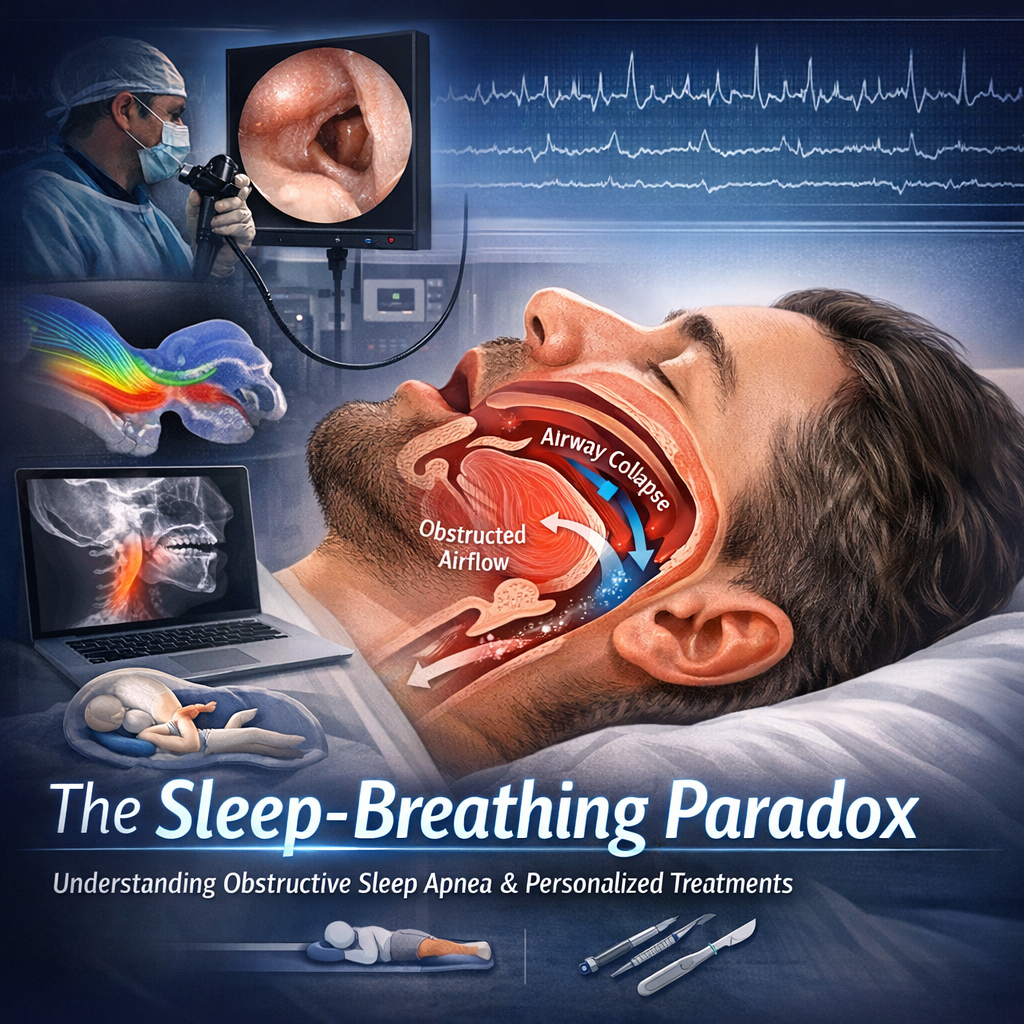
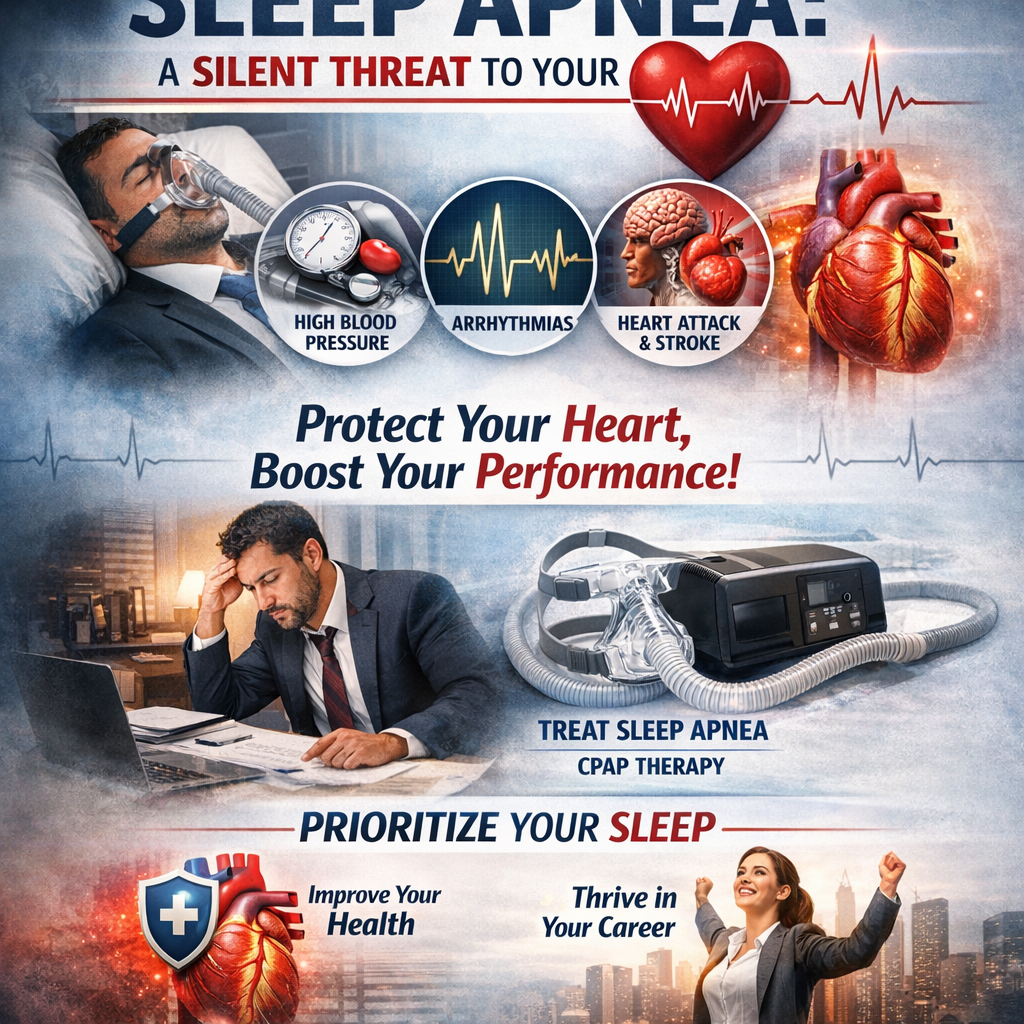
Recent advances in **sleep medicine** have focused on breathing during sleep. While seemingly simple, this process has profound effects on sleep quality. Disorders like **sleep apnea**, where breathing halts repeatedly, disrupt sleep architecture and can lead to hypertension, heart disease, and impaired cognitive function over time.
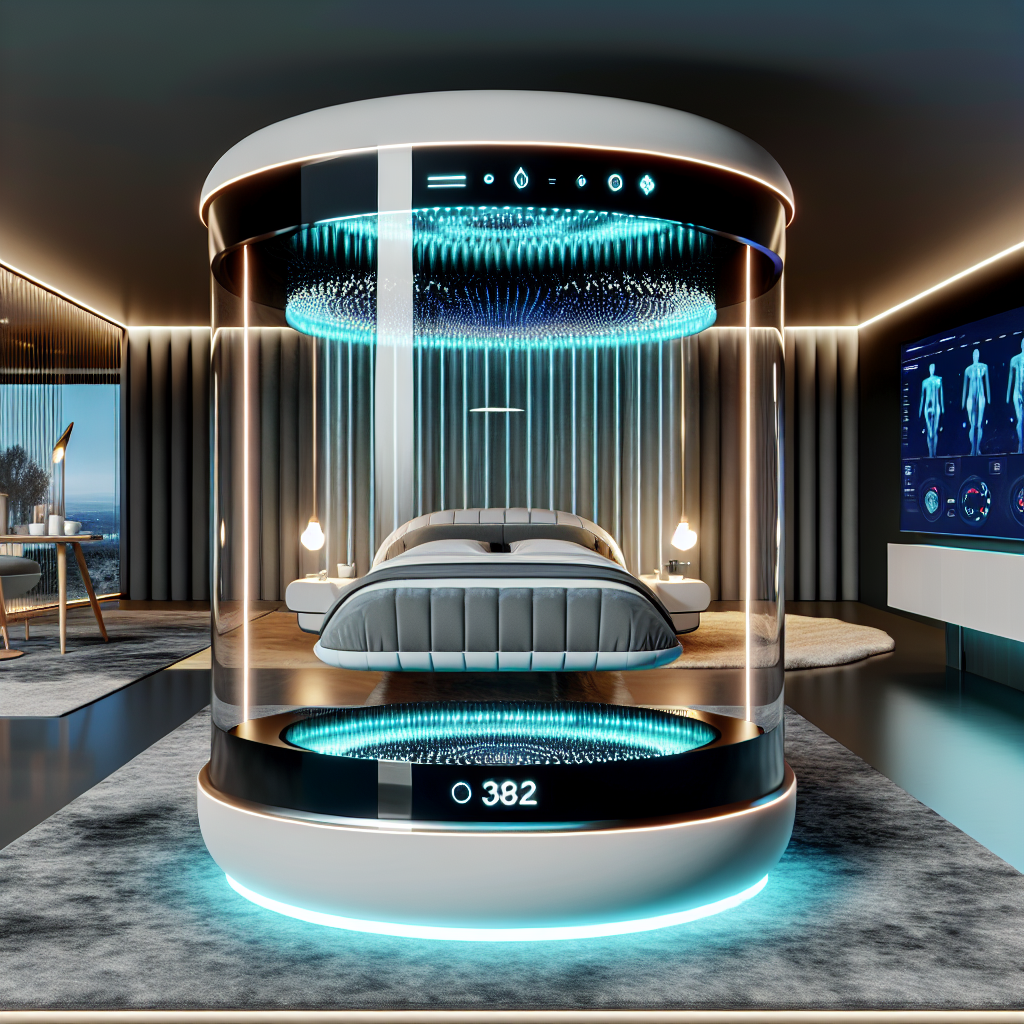
With advancements in **technology**, tools like **biofeedback mechanisms**, smart sleep devices, and detailed **polysomnography** have enabled us to utilize sleep-related breathing patterns to improve sleep quality and cognitive acuity. This extends beyond addressing disorders; enhancing breathing can improve sleep and overall health even for those without diagnosed issues.
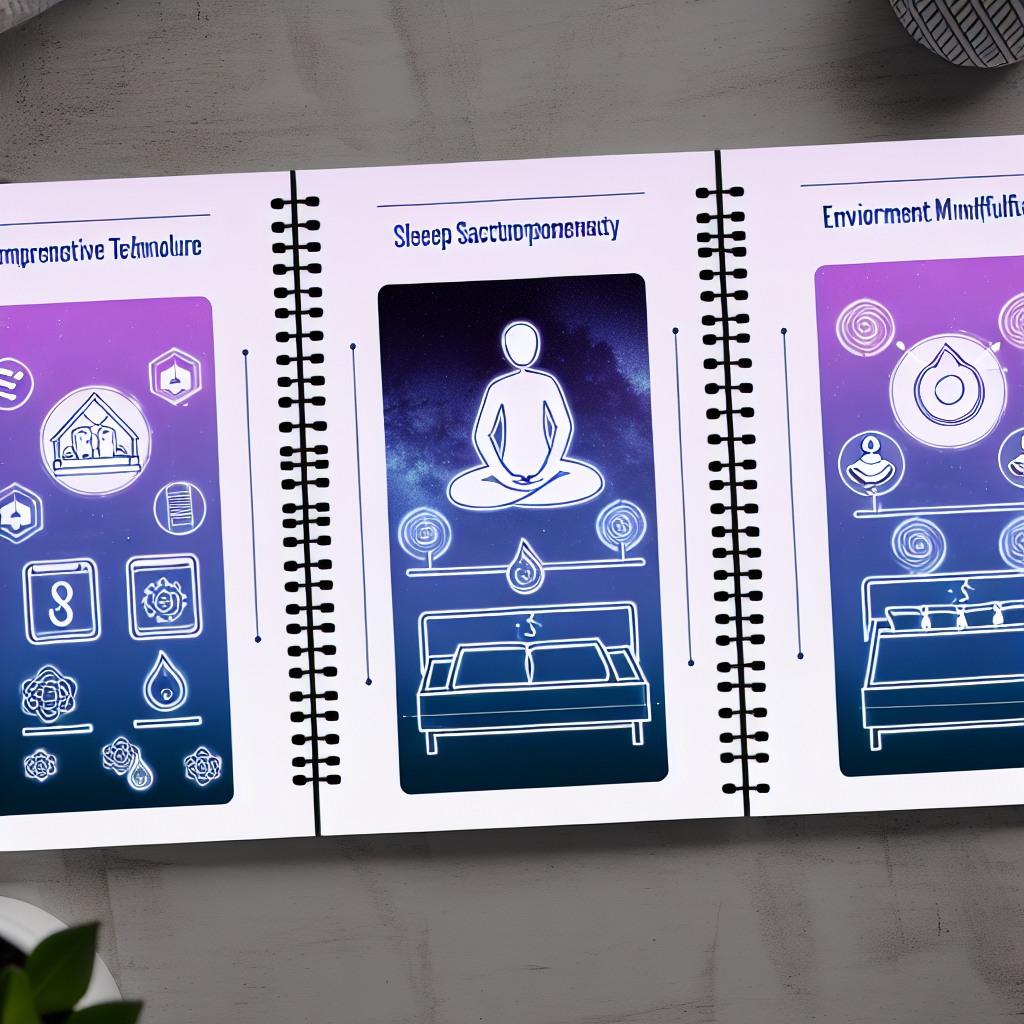
Ancient techniques like controlled breathing exercises, such as **pranayama**, now blend with cutting-edge science to naturally address and prevent sleep disorders, simultaneously boosting emotional and cognitive processing. As these findings inform our practices, we edge closer to a future where improved sleep enhances both lifespan and cognitive mastery.
**Features**
Numerous studies have highlighted the benefits of targeted interventions in addressing sleep-disordered breathing and enhancing overall health. A groundbreaking study in “Nature and Science of Sleep” evaluated **Continuous Positive Airway Pressure (CPAP)** therapy’s effectiveness in people with **obstructive sleep apnea (OSA)**, revealing improvements in **cognitive function**, alertness, and a reduced incidence of **depression** and anxiety over time ([source](https://www.dovepress.com/nature-and-science-of-sleep-journal)).
Further, clinical trials have assessed alternative therapies. A study in **”Complementary Therapies in Medicine”** found that regular yoga-based breathing techniques greatly enhanced sleep quality and life satisfaction for individuals with sleep disorders ([source](https://www.sciencedirect.com/journal/complementary-therapies-in-medicine)).
**Neuroscientists** are investigating the link between sleep and **brain plasticity**, which is the brain’s ability to adapt. Research from the “Journal of Neuroscience” indicates stable, rhythmic breathing during sleep aids in memory consolidation and **synaptic plasticity**, fostering cognitive mastery ([source](https://www.jneurosci.org/)).
Emerging research also explores the microbiome’s role in sleep regulation. A study in “Cell Reports” highlights how gut microbiota may affect sleep patterns by influencing breathing pathways. Poor sleep, linked to a dysregulated microbiome, could cascade into adverse cardiac, metabolic, and psychological conditions ([source](https://www.cell.com/cell-reports)).
These findings form a compelling narrative: optimizing our breathing through mechanical interventions, natural exercises, or both can turn sleep disorders into a **health** and longevity-enhancing, cognitive-boosting life hack.
**Conclusion**
Adopting breathing-focused changes in sleep practices alleviates sleep disorders and propels individuals towards enhanced cognitive function and longevity. As research continues to dissect the **breathing code**, it becomes evident there’s untapped potential in our approach to sleep health. Whether using innovative technology or incorporating mindful breathing practices, individuals can revolutionize their rest experiences. The synergy of modern science and ancient wisdom in sleep management promises a future where sleep becomes a life-optimizing tool rather than just a necessity.
**Concise Summary**
In “Unlocking the Breathing Code,” the interplay between breathing, sleep, and cognitive mastery is explored, with recent scientific advances illuminating breathing’s crucial role in sleep quality and health. More than 50 million Americans face sleep disorders, impacting cognitive and emotional well-being. Research shows improving breathing through methods like CPAP therapy, yoga practices, and understanding brain plasticity enhances cognitive function and longevity. Additionally, the gut microbiome’s influence on sleep highlights more intricacies. Ultimately, by optimizing sleep breathing, we can utilize sleep as a tool for health and cognitive enhancement, merging ancient breathing techniques with modern technology.

Dominic E. is a passionate filmmaker navigating the exciting intersection of art and science. By day, he delves into the complexities of the human body as a full-time medical writer, meticulously translating intricate medical concepts into accessible and engaging narratives. By night, he explores the boundless realm of cinematic storytelling, crafting narratives that evoke emotion and challenge perspectives.
Film Student and Full-time Medical Writer for ContentVendor.com