AI-Driven Neuro-Assessment: Decoding the Invisible Signs of Sleep Disorder-Linked Chronic Diseases
Introduction
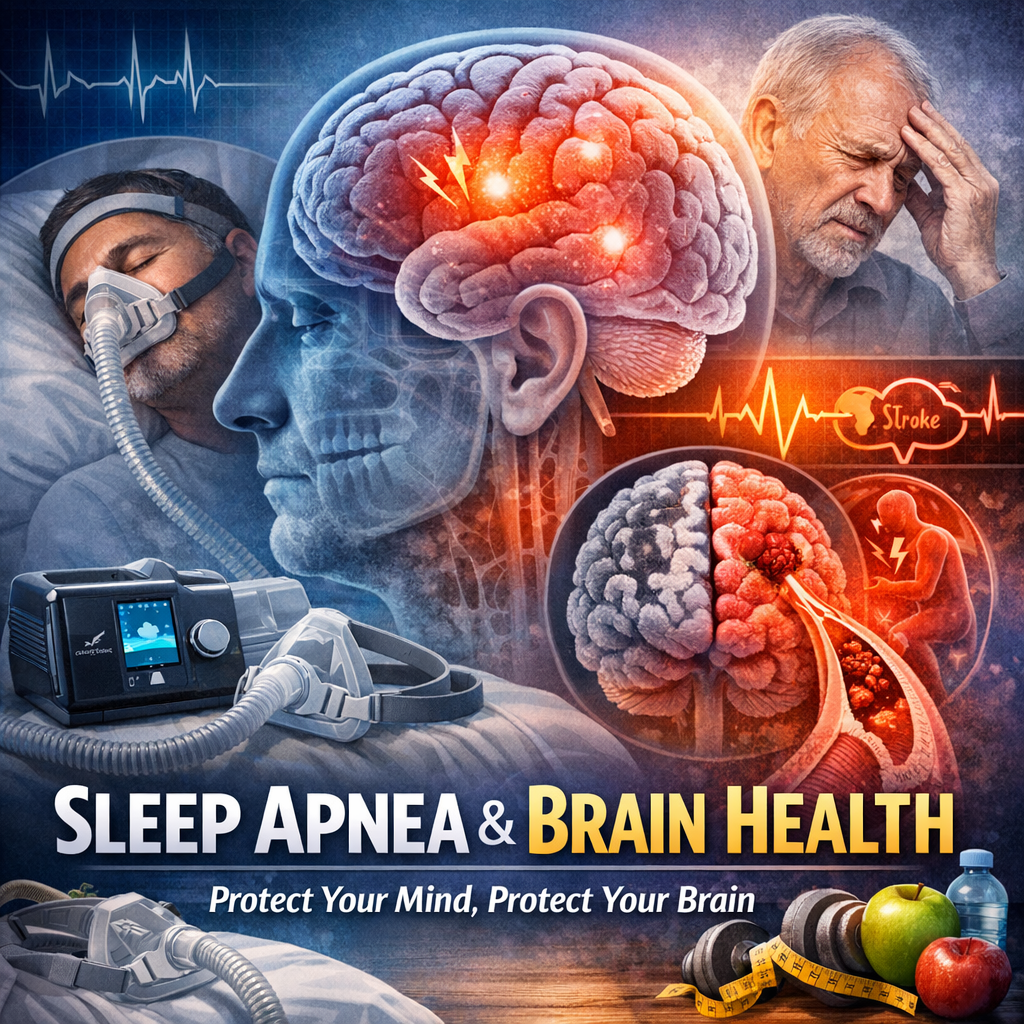
The realm of **sleep medicine** has entered an era where **artificial intelligence (AI)** is not just a curiosity but a transformative tool. Professionals have long attempted to decode the complexities of **sleep disorders** and their link to **chronic diseases**. Conditions such as **sleep apnea**, **insomnia**, and **restless leg syndrome** are precursors to critical health issues like **cardiovascular diseases**, **diabetes**, and **cognitive impairments**. Understanding these links is crucial as approximately 70 million Americans, along with countless others globally, are affected by sleep disorders.
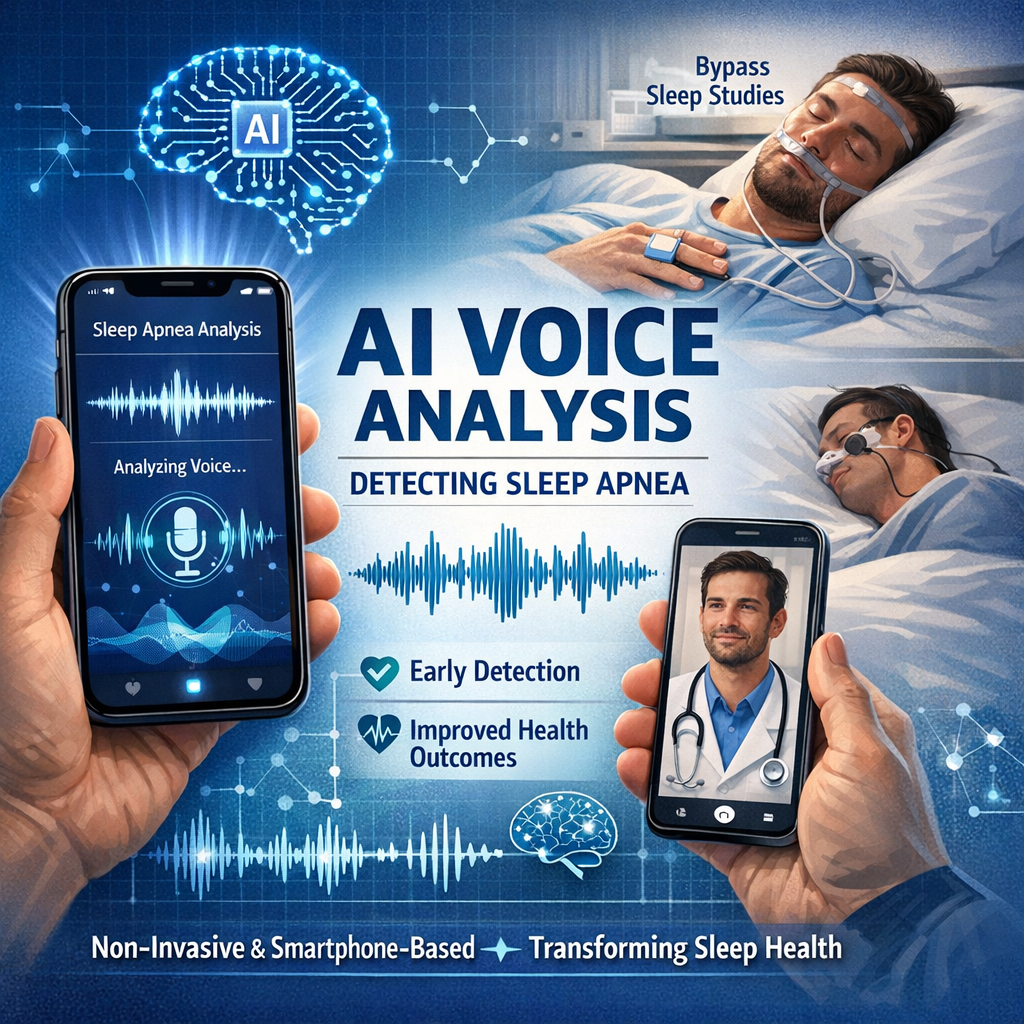
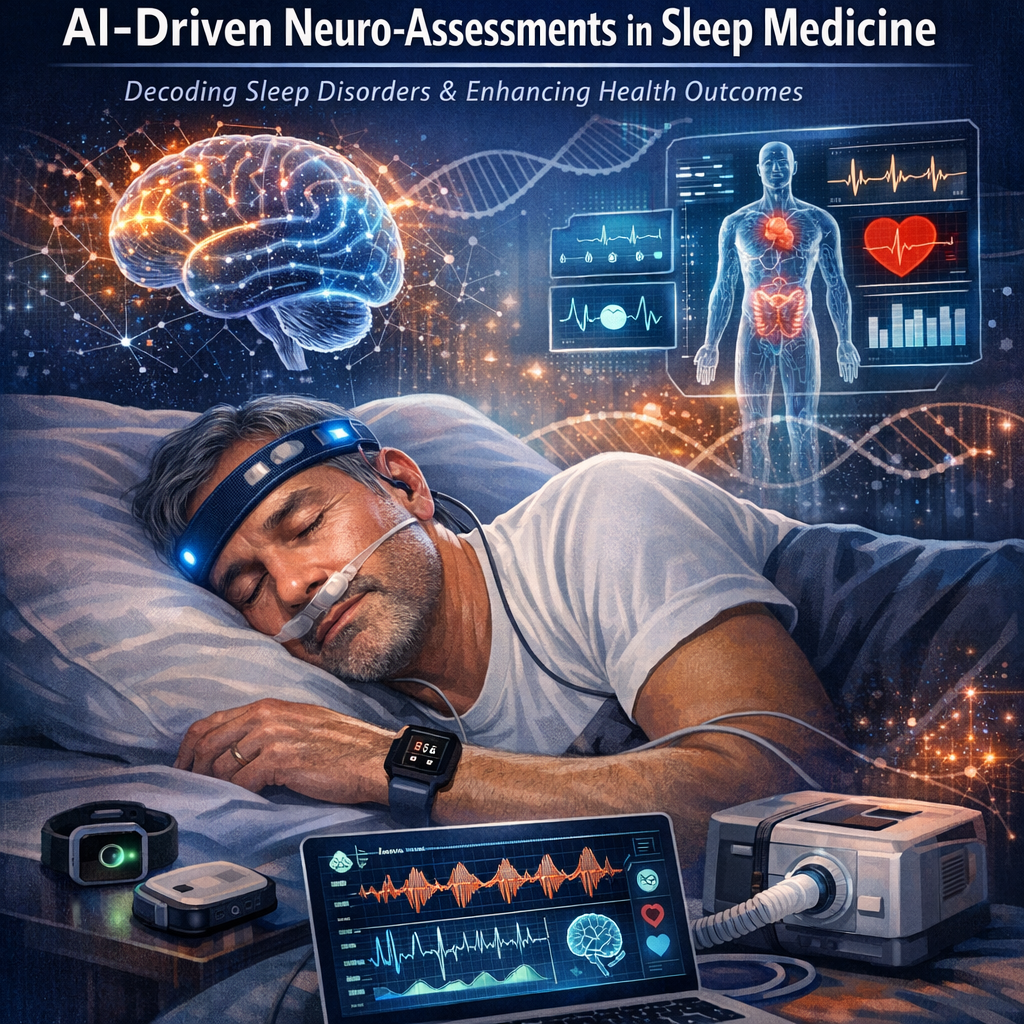
AI-driven neuro-assessment tools offer a nuanced understanding of how sleep and chronic diseases converge. By analyzing neural patterns and physiological signals, AI systems can decode alterations in brain activity associated with sleep disorders and detect early markers for **chronic diseases** that manifest subtly during sleep. This proactive approach not only revolutionizes diagnosis but also tailors individualized treatment plans to enhance patient outcomes.
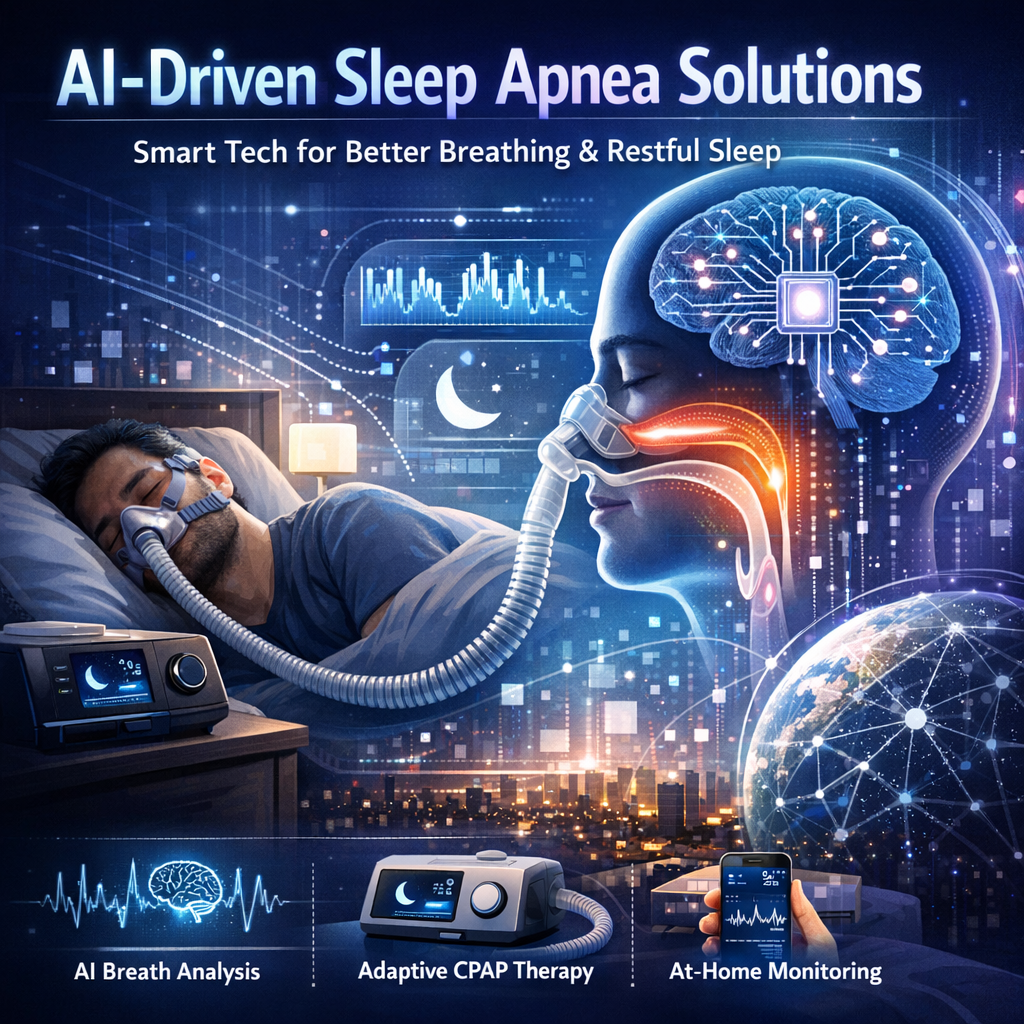
With these advancements, traditional **polysomnography** is being augmented by automated, non-invasive neuro-assessment techniques, providing greater efficiency and accuracy. The integration of AI technology and neuroscience is revolutionizing our perception of sleep health, offering insights once deemed impossible.
Features
Recent advancements in AI-driven neuro-assessment have sparked considerable interest within the scientific community. A study by researchers at the **Massachusetts Institute of Technology (MIT)** highlighted AI’s potential in transforming sleep medicine. This research employed **deep learning algorithms** to analyze **electroencephalogram (EEG)** data, focusing on patterns linked to sleep disorders. The AI models demonstrated remarkable accuracy in predicting risk factors for chronic diseases such as **hypertension** and **depression**. [MIT Study on AI and Sleep Disorders](https://news.mit.edu/2020/study-ai-mental-illness-1124).
Another study published in **”Nature Communications”** showed how AI technology can segment and interpret polysomnographic data, improving the detection of **obstructive sleep apnea (OSA)**. The AI algorithms identified unusual breathing patterns and variations in oxygen levels, predicting potential cardiac issues linked to OSA. This demonstrated that AI integration could significantly enhance chronic disease prevention strategies. [Nature Communications Research on AI and OSA](https://www.nature.com/articles/s41467-019-10353-7).
AI’s role in **Personal Health Tracking (PHT)** devices is becoming increasingly pivotal. Devices like wearable smartwatches, equipped with AI technology, can continuously monitor sleep, capturing datasets about sleep stages and quality. They alert users and healthcare providers to deviations that may signify early conditions like **Type 2 diabetes** or **stroke**, allowing for timely interventions. A study by **Stanford University School of Medicine** confirmed the efficacy and reliability of these AI-enhanced wearables in real-time health monitoring. [Stanford’s AI-Enhanced Wearables](https://stanfordhealthcare.org/stanford-health-care-now/2021/ai-wearables.html).
These studies underscore the significance of AI-driven neuro-assessment in improving sleep health diagnostics and enhancing the ability of healthcare professionals to predict, manage, and prevent chronic disease progression through personalized treatment plans.
Conclusion
The integration of AI into neuro-assessment marks a pivotal shift in the landscape of sleep medicine. By unraveling the connection between sleep disorders and chronic diseases, AI-driven tools offer profound implications for health diagnostics and treatment paradigms. These technologies provide new avenues for early detection and prevention of chronic diseases associated with poor sleep health.
As these tools are refined and expanded, their potential to transform sleep health management and improve patient outcomes is evident. Not only do they empower individual health management, but they also reduce strain on healthcare systems by minimizing undiagnosed or mismanaged chronic conditions. The integration of AI offers powerful insights that enhance overall care quality.
Embracing AI in sleep health is more than a technological advancement; it is a transformative approach towards fostering a healthier future, illuminating pathways to restorative sleep and disease prevention.
Concise Summary
AI-driven neuro-assessment tools are revolutionizing sleep medicine by analyzing neural and physiological patterns to link **sleep disorders** with **chronic diseases**. By integrating AI, traditional diagnostics like polysomnography are being enhanced with automated, efficient tools providing individualized insights and early interventions. Studies at **MIT** and **Stanford** validate AI’s potential in fast-tracking the detection of conditions like **sleep apnea** and **Type 2 diabetes**. Such technology not only empowers personal health management but also lessens global healthcare burdens by addressing sleep disorder-linked chronic health issues early on.

Dominic E. is a passionate filmmaker navigating the exciting intersection of art and science. By day, he delves into the complexities of the human body as a full-time medical writer, meticulously translating intricate medical concepts into accessible and engaging narratives. By night, he explores the boundless realm of cinematic storytelling, crafting narratives that evoke emotion and challenge perspectives.
Film Student and Full-time Medical Writer for ContentVendor.com