Unlocking the Brain-Heart-Sleep Axis: How Optimal Breathing Mechanics Can Prevent Chronic Disease
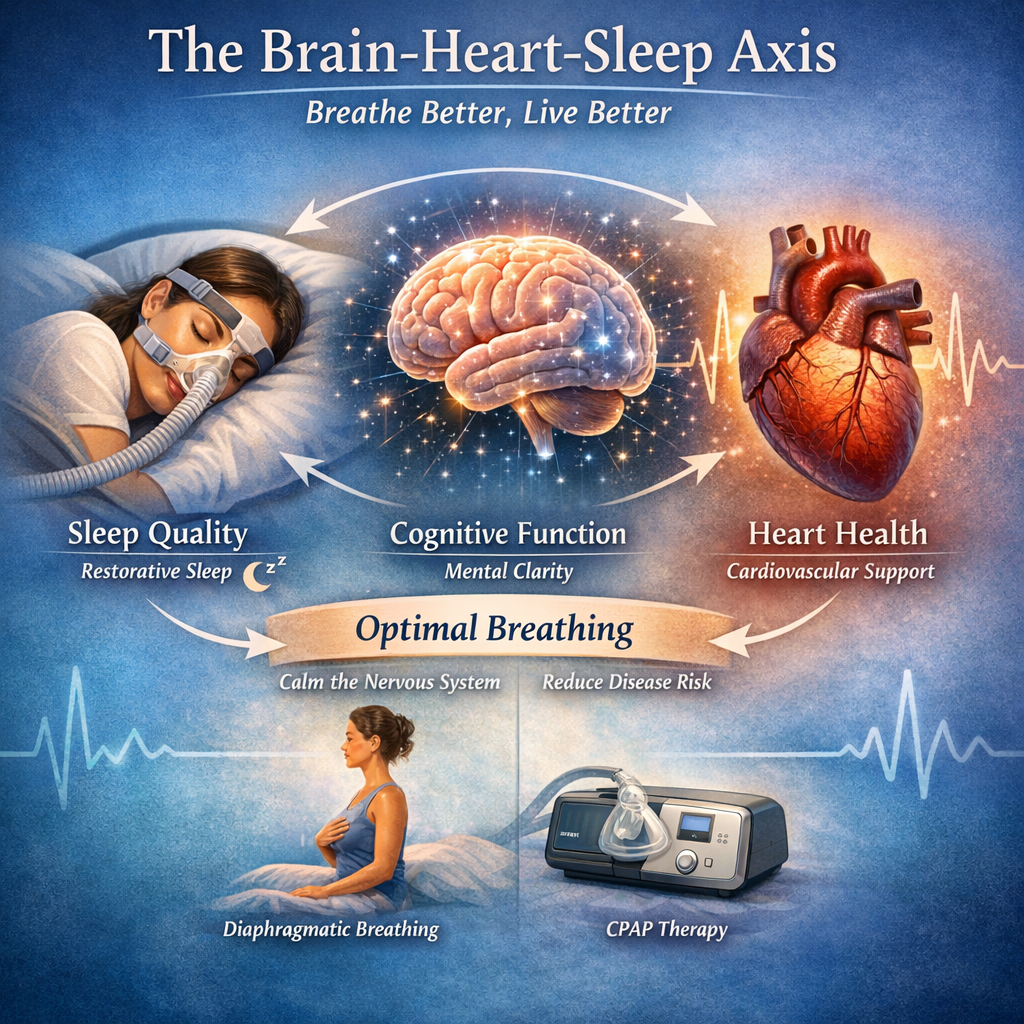
Sleep is a fundamental component of human health, serving as the body’s natural way of repairing and rejuvenating itself. Yet, many of us overlook the intertwined relationship between **sleep quality** and overall **health**, specifically how it interacts with both **brain** and **heart functions**. This dynamic triad, often referred to as the **brain-heart-sleep axis**, plays a pivotal role in determining our health trajectory. A key aspect of this axis is **breathing**, which serves as the rhythm that synchronizes brain function, cardiovascular health, and sleep quality. Understanding and optimizing **breathing mechanics** is therefore critical in unlocking the full potential of this axis, potentially warding off chronic diseases and improving overall well-being.
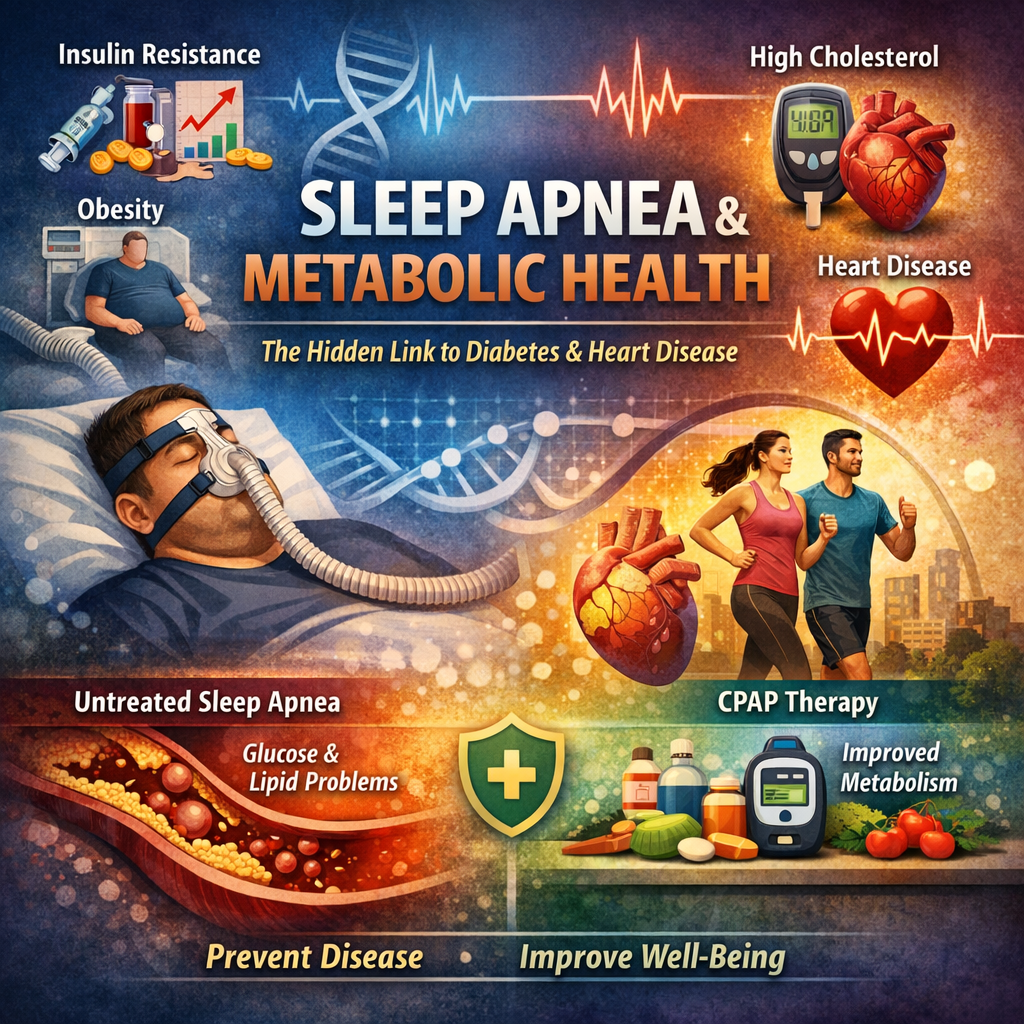
**Breathing** is more than just a mechanism for **oxygen intake**; it’s a complex process that affects every cell in our body. Proper breathing can regulate the autonomic nervous system, balancing the parasympathetic and sympathetic branches, which in turn influences heart rate, stress levels, and cognitive function. Poor breathing habits, such as those resulting from **sleep apnea** or chronic mouth breathing, can lead to a cascade of harmful health effects, exacerbating cardiovascular issues, contributing to cognitive decline, and disrupting sleep patterns. This disruption often sets the stage for chronic diseases such as hypertension, stroke, and even Alzheimer’s disease.
The relationship between breathing and sleep is particularly significant. During sleep, the body relies on efficient respiratory function to maintain a steady supply of oxygen to the brain and heart. Breathing irregularities during sleep, such as those seen in **obstructive sleep apnea (OSA)**, reduce oxygen levels, causing the brain to wake frequently to restart breathing. These interruptions severely affect the quality of sleep, resulting in poor cardiovascular health, increased stress hormone release, and ultimately diminished cognitive abilities. Studies indicate that patients with sleep apnea have a significantly higher risk of developing chronic conditions, highlighting the critical importance of restoring healthy breathing patterns.
Features: Research and Studies on Breathing Mechanics and Health
Recent advancements in medical research emphasize the importance of optimal breathing in preventing chronic diseases. Studies demonstrate that proper **breathing techniques** improve sleep quality and, by extension, enhance heart and brain health. One notable study published in the journal ‘Chest’ explored the impact of continuous positive airway pressure (**CPAP**) therapy on patients with obstructive sleep apnea. The findings indicated significant improvements in blood pressure, heart rate variability, and overall cardiovascular health after consistent use of CPAP, underscoring the critical role of maintaining airway patency during sleep for heart health. [Source](https://journal.chestnet.org/article/S0012-3692(15)04813-2/fulltext)
Moreover, research published in the ‘Journal of Clinical Sleep Medicine’ has highlighted how targeted breathing exercises can improve sleep apnea symptoms and in turn, enhance cognitive function and emotional well-being. These exercises, often part of pulmonary rehabilitation programs, focus on strengthening respiratory muscles, improving lung capacity, and promoting nasal breathing. [Source](https://jcsm.aasm.org/doi/10.5664/jcsm.7614)
Additionally, studies conducted by the American Heart Association suggest that synchronized breathing exercises, such as slow diaphragmatic breathing, significantly reduce the risk of cardiovascular diseases by lowering blood pressure and heart rate. The technique, often employed in yoga and meditation, helps activate the parasympathetic nervous system, which is responsible for rest and digestion, thereby promoting heart health and reducing stress—a major risk factor for chronic diseases. [Source](https://www.ahajournals.org/doi/10.1161/JAHA.117.006993)
These findings collectively inform a growing body of research advocating for the integration of breathing optimization strategies into standard health practices. Health professionals are increasingly recommending personalized breathing exercises and sleep assessments as part of holistic approaches to disease prevention and health promotion.
Conclusion
In conclusion, unlocking the **brain-heart-sleep axis** through optimal breathing mechanics presents a promising avenue for enhancing health and preventing chronic diseases. As research underscores, the benefits of proper breathing extend beyond improved sleep quality to include better cardiovascular and cognitive health. Given the insidious nature of sleep disorders and their consequential impact on various health aspects, incorporating breathing strategies into daily health routines is a simple yet powerful tool to foster better sleep and holistic well-being. As we advance in understanding the connections between breathing, sleep, and broader health outcomes, this axis offers a harmonious strategy for addressing chronic disease risk and enhancing quality of life. Embracing these insights may well be the key to fostering long-term health resilience in individuals across all ages and backgrounds.
**Concise Summary**
Unlocking the brain-heart-sleep axis through optimal breathing mechanics is vital for preventing chronic diseases. Proper breathing improves sleep quality, cardiac health, and cognitive function. Poor breathing habits, like sleep apnea, can exacerbate health problems, leading to conditions such as hypertension and Alzheimer’s. Research shows breathing techniques, including CPAP therapy and targeted exercises, can significantly enhance cardiovascular and mental health. By incorporating these strategies into everyday practice, individuals can improve overall well-being and reduce chronic disease risk. Integrating breathing optimization into health practices is essential for fostering long-term health resilience.

Dominic E. is a passionate filmmaker navigating the exciting intersection of art and science. By day, he delves into the complexities of the human body as a full-time medical writer, meticulously translating intricate medical concepts into accessible and engaging narratives. By night, he explores the boundless realm of cinematic storytelling, crafting narratives that evoke emotion and challenge perspectives.
Film Student and Full-time Medical Writer for ContentVendor.com