The Silent Epidemic: Unraveling the Link Between Sleep Apnea and Hidden Neurological Disorders
Introduction
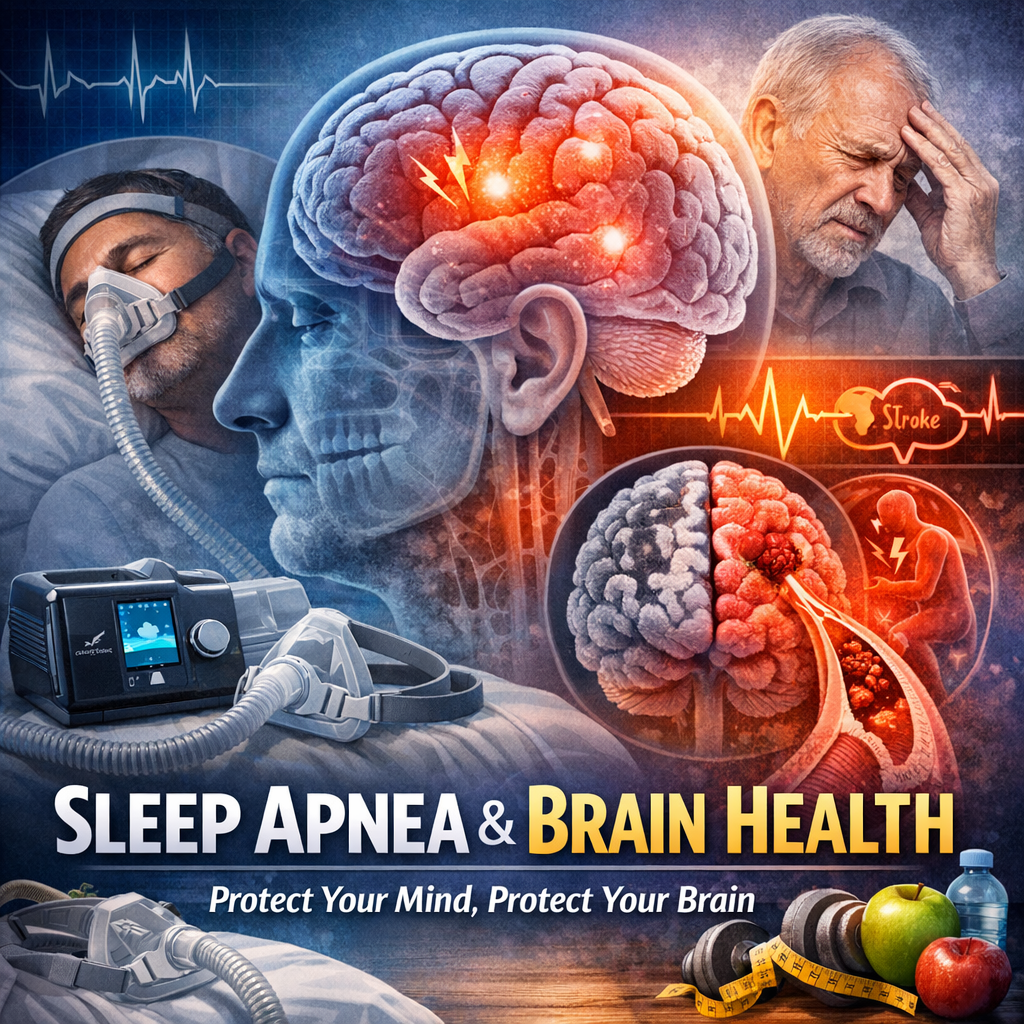
**Sleep**—the cornerstone of human health—remains a mysterious frontier in modern medicine. As research deepens, it increasingly highlights the intricate connections between sleep and various bodily functions, emphasizing its importance across all age groups. One particularly intriguing relationship that has surfaced is the link between **sleep apnea** and **neurological disorders**. This connection, although not entirely understood, points to a silent epidemic affecting millions globally.
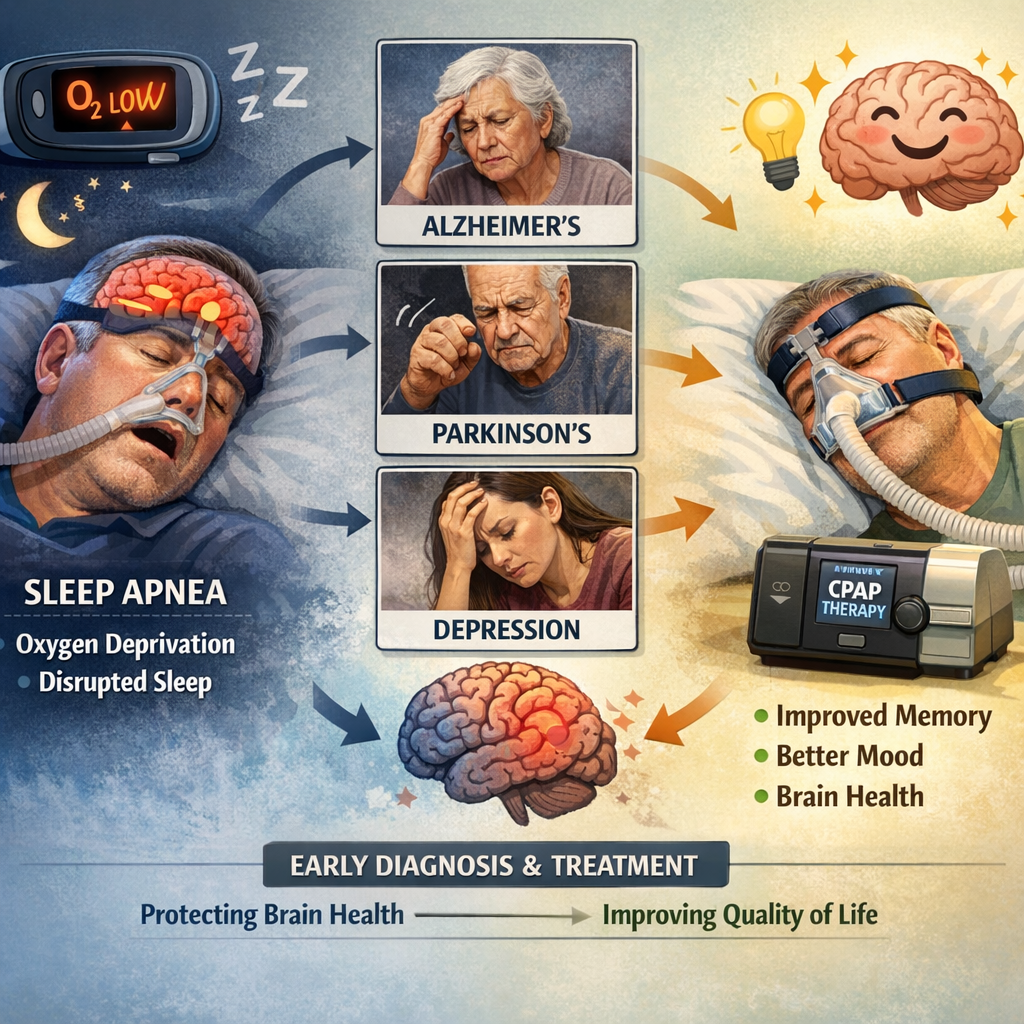
**Sleep apnea** is a common yet underdiagnosed condition characterized by repeated pauses in breathing during sleep. These pauses can drastically reduce the quality of sleep, leading to severe daytime fatigue, cognitive impairments, and other health complications. While sleep apnea is often associated with cardiovascular issues like hypertension and heart disease, emerging research suggests a strong potential link with neurological disorders, including **Alzheimer’s disease**, **Parkinson’s disease**, and even **depression**.
Recent studies have underscored how the intermittent **hypoxia** (a shortage of oxygen) and fragmented sleep associated with sleep apnea can significantly impact brain health. The recurring episodes of hypoxia can activate pathological processes, leading to neurodegeneration and cognitive decline over time. Moreover, the sleep fragmentation caused by apnea disrupts the brain’s natural processes of restoration and memory consolidation, exacerbating the risk of neurological disorders.
This topic is particularly critical because many individuals remain unaware that their cognitive issues or mood disturbances may be rooted in undiagnosed sleep apnea. **Children and adolescents** are also not immune, as sleep apnea in the younger population can lead to difficulties in learning and emotional regulation, which can substantially affect development and quality of life. Addressing sleep apnea early can thus play a vital role in preventing or slowing down the progression of these hidden neurological disorders.
In this article, we delve into the growing evidence that links sleep apnea with neurological diseases, outlining recent professional and medical studies that establish this connection. We aim to shed light on how understanding and addressing sleep apnea can pave the way for better management of neurological health.
Features
A burgeoning body of research has set out to explore how sleep apnea might influence the development or progression of neurological disorders. A landmark study published in the journal “Sleep” underscores the prevalence of sleep apnea in patients with neurological conditions. Researchers found that individuals with untreated sleep apnea exhibited greater cognitive deficits and neurodegenerative changes compared to those without the disorder, suggesting a direct relationship between sleep-disordered breathing and brain health.
Another significant study, published in “The Journal of Neuroscience,” examined the effects of chronic intermittent hypoxia in mice. The findings revealed that this condition leads to neuroinflammation and oxidative stress, both of which are known to accelerate neurodegenerative processes such as those seen in Alzheimer’s disease. These studies point to the pathological pathways through which sleep apnea could directly contribute to cognitive decline, highlighting the need for vigilance in diagnosing and treating this condition.
Moreover, research highlighted in the “Journal of Clinical Sleep Medicine” found that treating **obstructive sleep apnea (OSA)** with continuous positive airway pressure (CPAP) can lead to significant improvements in cognitive functions among patients with mild cognitive impairment. This trial underscores the potential of sleep apnea treatment in mitigating cognitive deterioration, potentially slowing down the progression of disorders like dementia.
Furthermore, studies from the “American Academy of Sleep Medicine” suggest that sleep apnea may also be correlated with **mood disorders**, such as depression and anxiety, due to its effect on **neurotransmitter balance** and circadian regulation. Addressing sleep apnea may not only enhance sleep quality but also significantly improve mental health outcomes, adding another dimension of importance in managing this sleep disorder.
Conclusion
The compelling evidence linking sleep apnea and neurological disorders serves as a wake-up call for both health professionals and the general public. Recognizing sleep apnea as more than just a cardiovascular challenge emphasizes its potential role in neurological health. By fostering awareness and encouraging early intervention, we can better protect brain health and improve overall well-being at all life stages.
Preventive measures, timely diagnosis, and effective management of sleep apnea can hold the key to mitigating the risk of hidden neurological disorders. As research progresses, understanding the nuances of this relationship could revolutionize our approach to both sleep medicine and neurology, offering hope for improved health outcomes across diverse populations. Together, with renewed focus and collaborative efforts, we can tackle this silent epidemic head-on and champion a world where better sleep leads to healthier minds.
**References**
1. [Sleep, “Sleep apnea and the risk of neurodegenerative diseases”](https://academic.oup.com/sleep/article/42/1/zsy234/5208652).
2. [The Journal of Neuroscience, “Impact of sleep apnea on neuroinflammation and oxidative stress”](https://www.jneurosci.org/content/39/44/8802).
3. [Journal of Clinical Sleep Medicine, “Cognitive improvement in sleep apnea treatment”](https://jcsm.aasm.org/doi/full/10.5664/jcsm.8110).
4. [American Academy of Sleep Medicine, “Impact of untreated sleep apnea on mood disorders”](https://aasm.org/resources/Brochures/SleepApnea.pdf).
**Concise Summary**
The article explores the intricate relationship between sleep apnea and neurological disorders, highlighting their significant, although not entirely understood, link. It discusses how sleep apnea-induced hypoxia and fragmented sleep can lead to cognitive decline, neurodegeneration, and mood disorders. Research highlights the importance of diagnosing and treating sleep apnea early, as doing so can mitigate neurological risks and improve mental health. By raising awareness and promoting early intervention, this silent epidemic’s impact on brain health can be reduced, paving the way for healthier minds through better sleep.

Dominic E. is a passionate filmmaker navigating the exciting intersection of art and science. By day, he delves into the complexities of the human body as a full-time medical writer, meticulously translating intricate medical concepts into accessible and engaging narratives. By night, he explores the boundless realm of cinematic storytelling, crafting narratives that evoke emotion and challenge perspectives.
Film Student and Full-time Medical Writer for ContentVendor.com