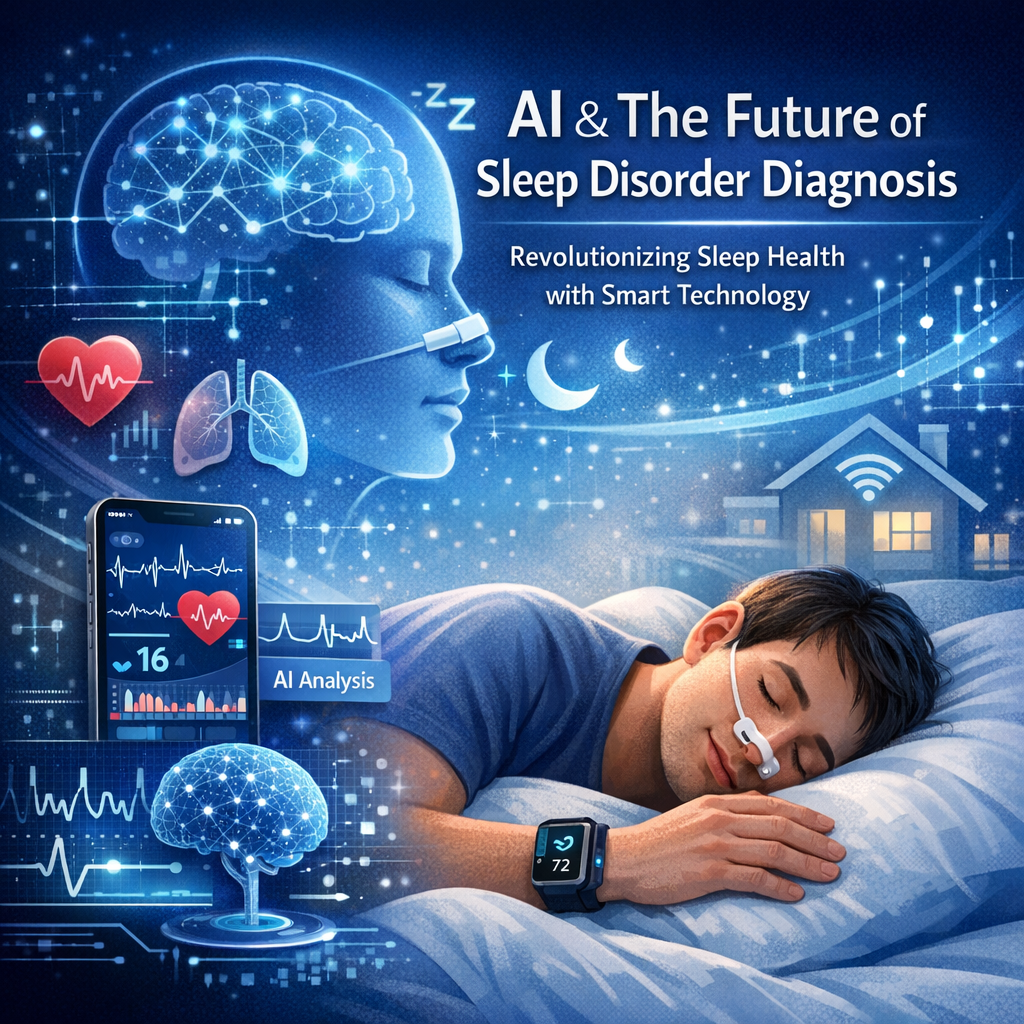
Breath by Breath: Revolutionizing Sleep Medicine with Real-Time AI-Powered Diagnostics
Introduction
In today’s fast-paced world, **sleep disorders** are gaining recognition as significant health concerns that affect individuals across all age groups. From the rise of **sleep apnea** to the increase in **insomnia** cases, millions are seeking solutions to improve their sleep health. Traditionally, diagnosing these disorders has been a lengthy process that often requires overnight stays at **sleep centers**. However, emerging technologies, particularly **AI-powered diagnostics**, offer innovative alternatives.
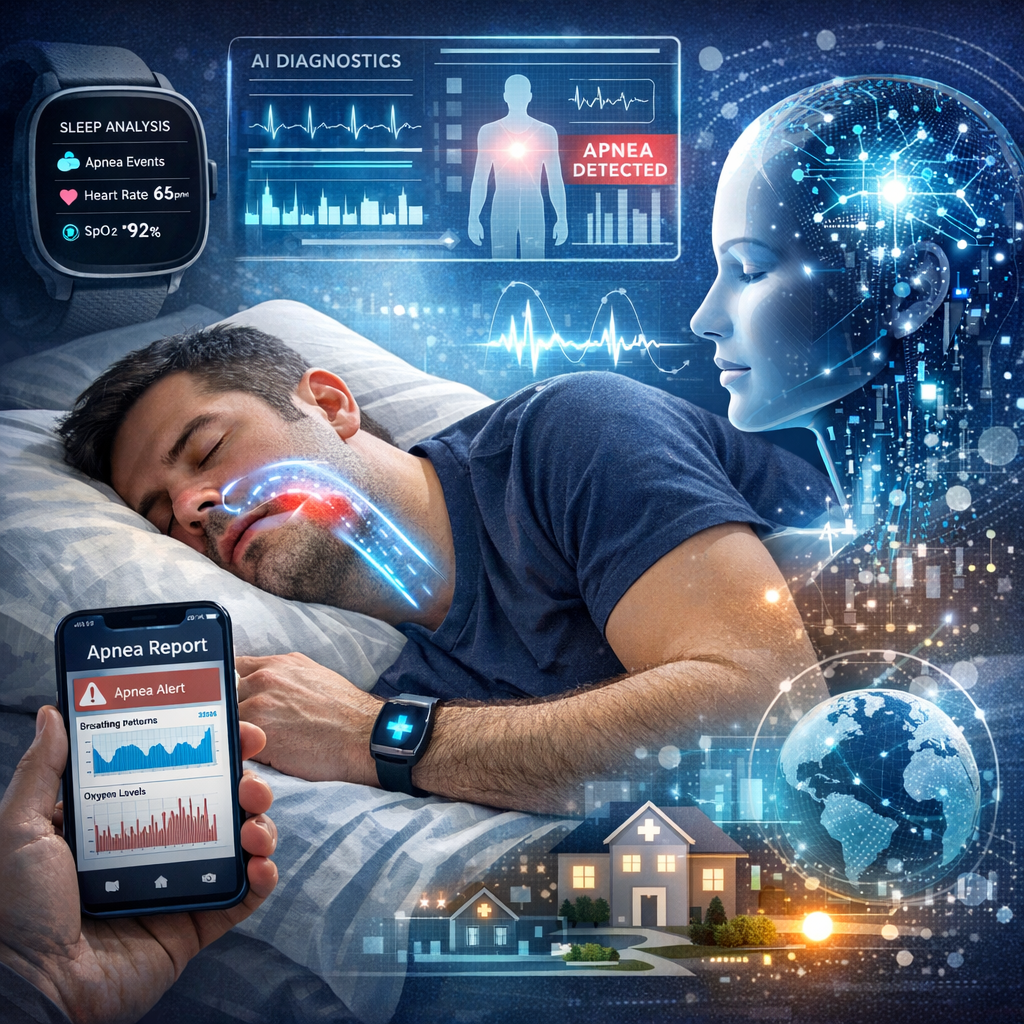
**Artificial intelligence (AI)** is increasingly making its mark in the medical field, introducing efficiencies and precision that were unknown a decade ago. One exciting application is in **sleep medicine**, where real-time AI diagnostics are proving revolutionary. By analyzing breathing patterns, heart rate, and other physiological signals while patients sleep at home, AI significantly enhances our ability to diagnose and manage sleep disorders.
The real breakthrough in AI-powered sleep diagnostics is its ability to process enormous amounts of **data in real time**. Previously, sleep studies involved cumbersome machines and electrodes attached to the body, monitored by a technician. **AI** has changed this by using **wearable devices** that provide data analyzed instantly. Not only do these technologies make sleep studies more comfortable and accessible, they also produce highly accurate results by leveraging machine learning algorithms specifically designed to detect subtle patterns and anomalies.
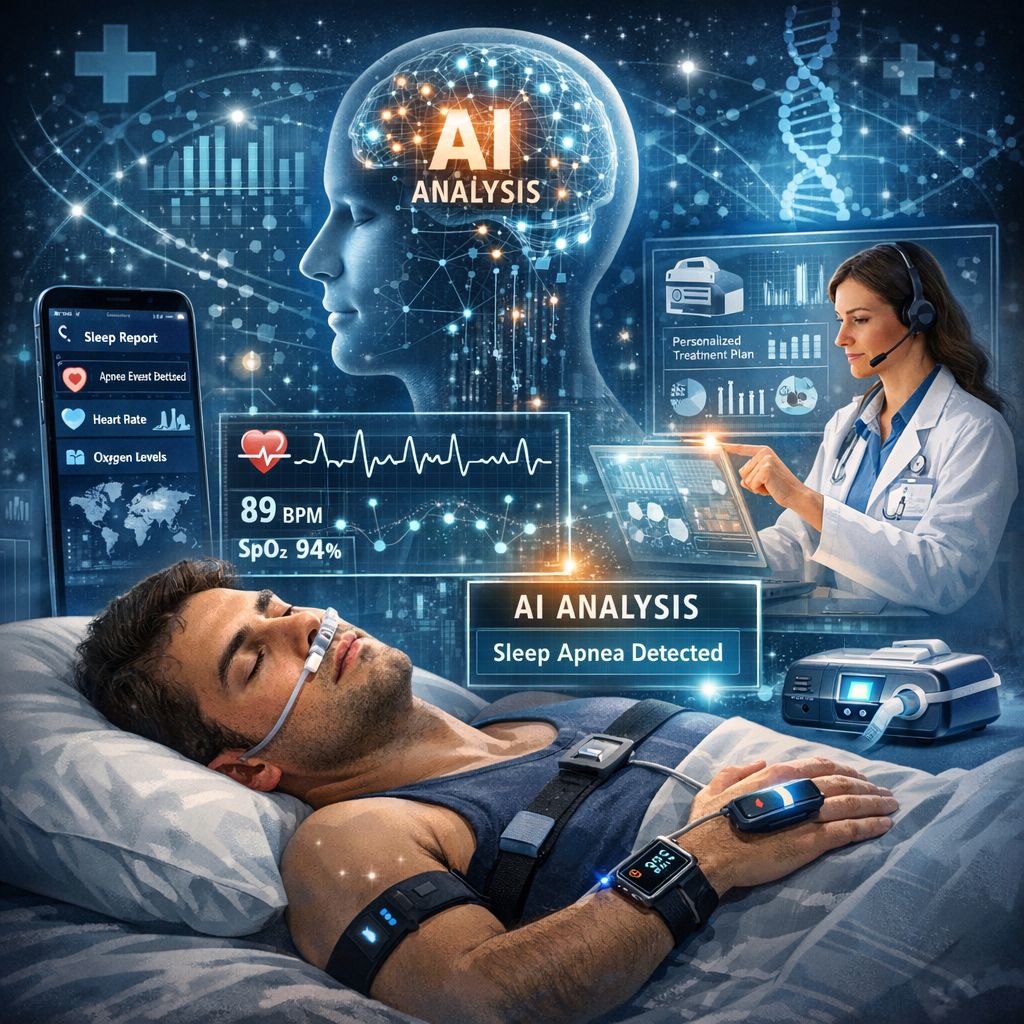
For those grappling with common issues such as **sleep apnea** or **restless leg syndrome**, this technology presents new hope. **AI diagnostics** offer a precision that helps customize treatment plans, ultimately improving sleep quality and overall health. Furthermore, real-time data analysis enables more proactive approaches in adjusting medical treatments, reducing the likelihood of complications related to sleep disorders such as cardiovascular diseases and metabolic syndromes.
Healthcare providers are embracing these innovations, understanding that traditional methods must evolve. The seamless integration of **AI** into sleep medicine not only improves diagnostic procedures but also enhances patient engagement and adherence to treatment plans. As we continue to explore and develop these tools, the potential to transform sleep healthcare is limitless. This article delves into the features and benefits of **AI-powered diagnostics**, showcasing how they are revolutionizing sleep medicine.
Features
Recent advancements in medical technology highlight the transformative potential of **AI** in healthcare, particularly within sleep medicine. A pioneering study published in the [Journal of Clinical Sleep Medicine](https://jcsm.aasm.org) highlights the efficacy of AI algorithms in diagnosing **obstructive sleep apnea (OSA)**. Researchers demonstrated AI’s ability to analyze overnight polysomnography data with accuracy comparable to human specialists. The study underscored AI’s potential for accurate diagnosis and reducing healthcare burdens through swift data processing.
Moreover, **AI-driven wearable technology** is setting a new benchmark in non-intrusive medical surveillance. Devices equipped with sensors that monitor breathing patterns, blood oxygen levels, and heart rates enable patients to undergo sleep assessments at home. Clinical trials, such as those by the [Sleep Disorders Centre at Guy’s and St Thomas’ NHS Foundation Trust](https://www.guysandstthomas.nhs.uk), demonstrated these AI-powered wearables detect sleep disturbances with over 90% precision, making a compelling case for mainstream adoption.
Further exploration into AI’s role in personalized medicine is reflected in ongoing research at leading institutions like [Stanford University’s Center for Sleep Sciences and Medicine](https://med.stanford.edu). Their study found AI could facilitate the development of bespoke treatment plans by analyzing sleep data, understanding sleep cycle trends, and respiratory anomalies, enhancing treatment strategies and patient outcomes.
Professional and medical studies present a strong argument for integrating **AI diagnostics** in managing sleep disorders. These technological strides signal a paradigm shift that not only enhances diagnostic accuracy but also paves the way for a more individualized and patient-centric approach in sleep medicine.
Conclusion
As we stand on the brink of a new era in sleep medicine, **AI-powered diagnostics** emerge as formidable allies in redefining our approach to sleep health. This technology offers a more efficient, accurate means of diagnosing sleep disorders and empowers patients by providing accessible, real-time insights into their sleep patterns. By reducing the need for costly, intrusive **overnight hospital stays**, AI diagnostics democratize access to sleep healthcare.
**AI’s integration** in sleep medicine promises a ripple effect across broader medical domains, inspiring innovations in patient care, treatment customization, and healthcare delivery models. As these technologies advance, the potential to enhance public health outcomes becomes increasingly apparent.
With patients engaging more with their health data and practitioners gaining powerful tools to enhance diagnostic and treatment precision, we are moving towards a future where AI ensures healthier sleep patterns worldwide. Indeed, the future of sleep medicine is breath by breath, powered by AI’s capabilities.
Concise Summary
**AI-powered diagnostics** are transforming sleep medicine by providing real-time, highly accurate analysis of sleep disorders, allowing home-based sleep studies to replace traditional methods. This innovation offers a personalized approach to healthcare, improving treatment plans for conditions like sleep apnea and insomnia. With the integration of AI, patient engagement increases, and healthcare becomes more accessible. The technology promises widespread impact beyond sleep medicine, inspiring new healthcare delivery innovations. As AI continues to advance, it has the potential to improve public health outcomes globally, offering a future of healthier sleep patterns for all.

Dominic E. is a passionate filmmaker navigating the exciting intersection of art and science. By day, he delves into the complexities of the human body as a full-time medical writer, meticulously translating intricate medical concepts into accessible and engaging narratives. By night, he explores the boundless realm of cinematic storytelling, crafting narratives that evoke emotion and challenge perspectives.
Film Student and Full-time Medical Writer for ContentVendor.com