Decoding Sleep Apnea’s Silent Impact: The Hidden Link to Chronic Diseases & How to Intervene Early
Introduction
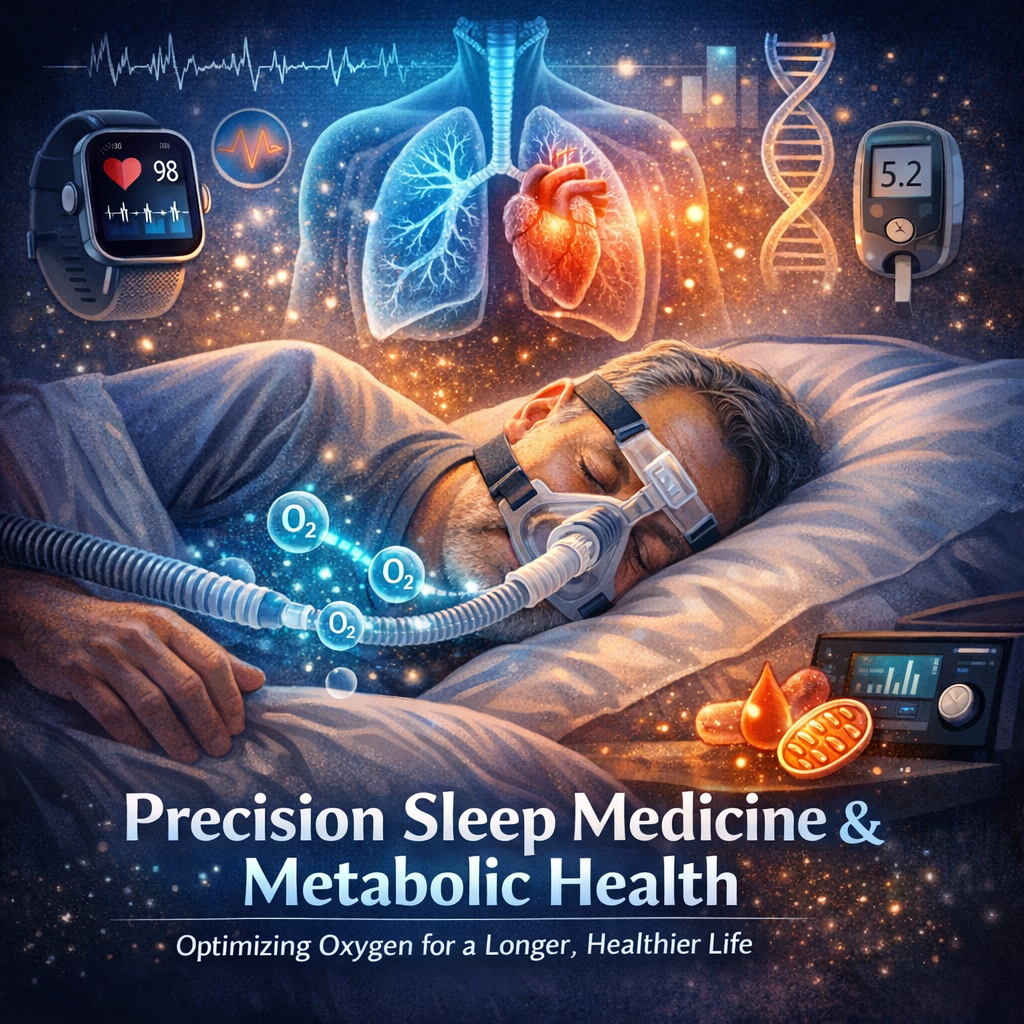
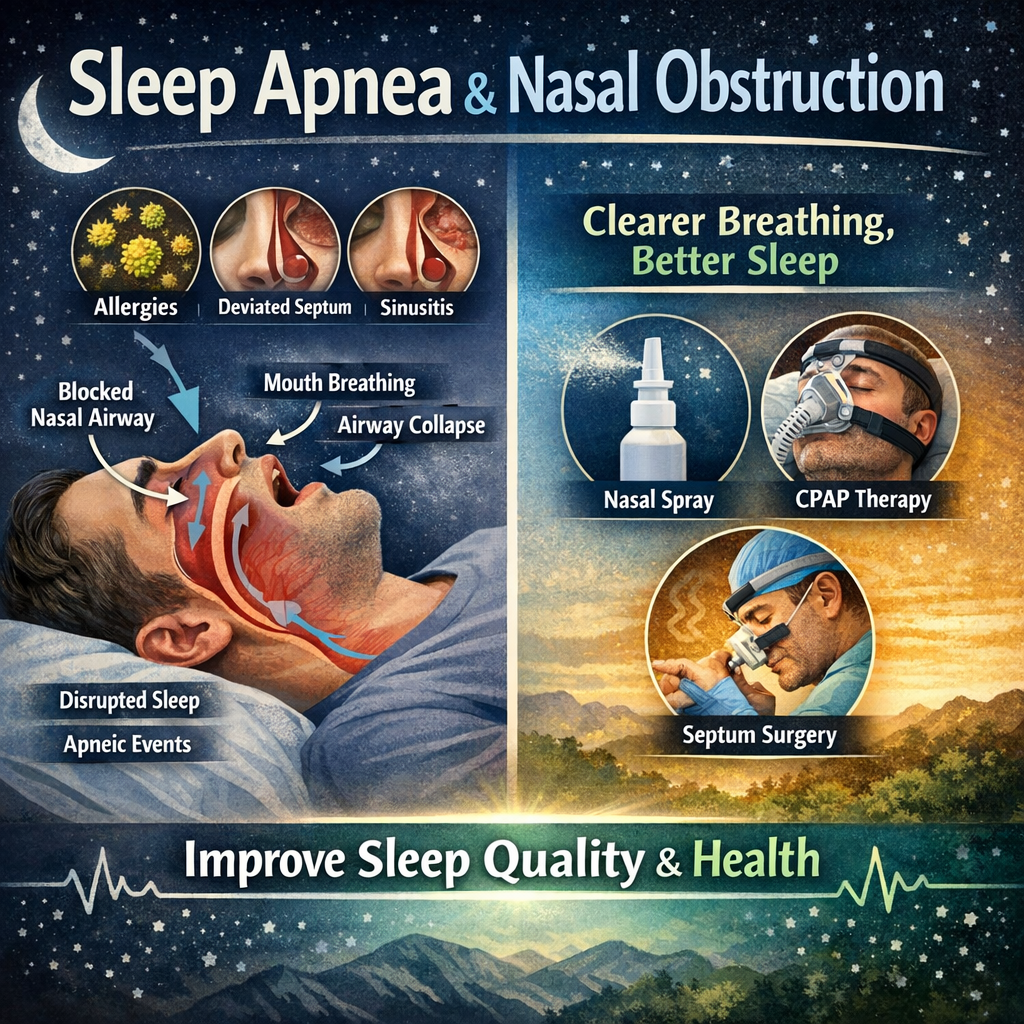
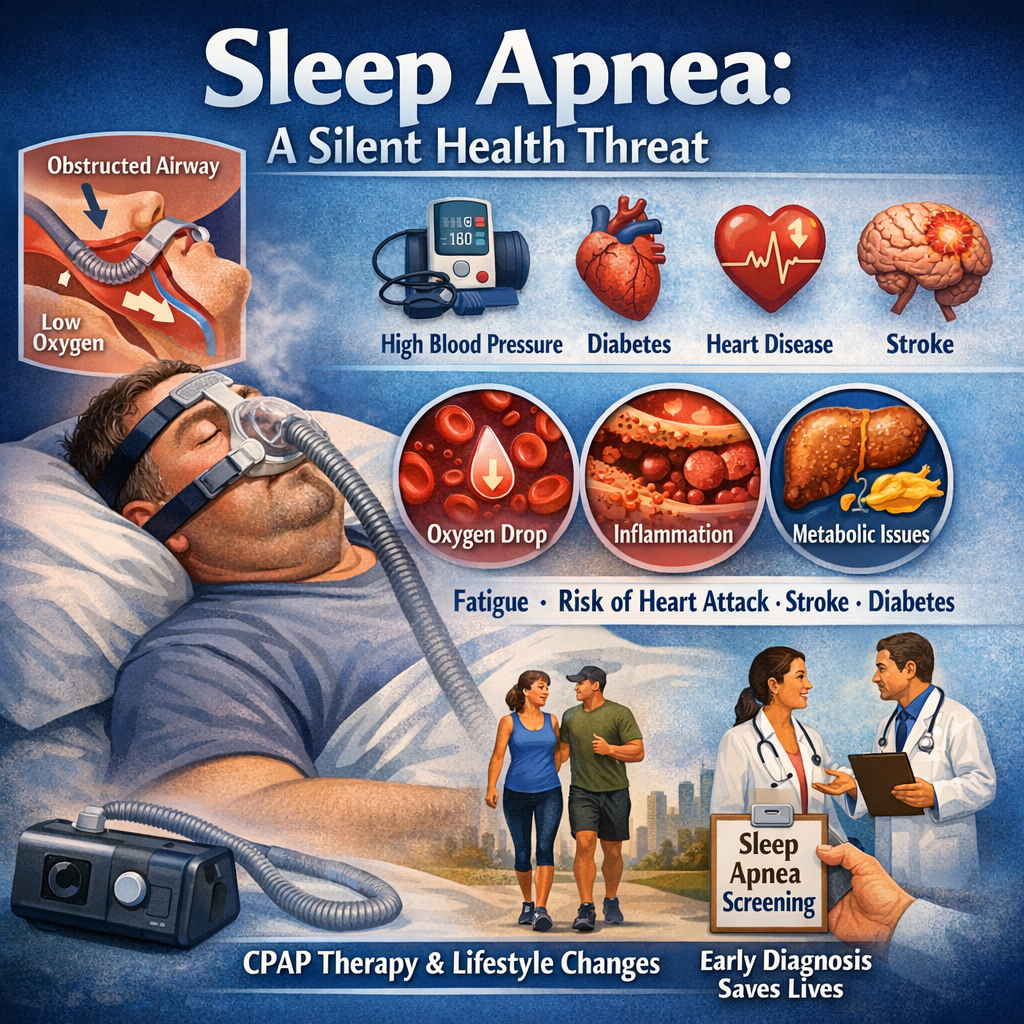
**Sleep apnea** is a common, oft-overlooked **sleep disorder** characterized by repeated interruptions of breathing during sleep. These **interruptions**, known as apneas, lead to fragmented sleep, reduced oxygen levels, and a cascade of health issues. Despite its prevalence, affecting an estimated 1 in 15 adults in the United States alone, **sleep apnea** often lingers undiagnosed due to subtle symptoms like **loud snoring**, episodes of **gasping or choking** during sleep, and **excessive daytime sleepiness**. Recent research highlights a more troubling picture regarding sleep apnea’s far-reaching impacts, particularly its significant correlation with **chronic diseases** like **hypertension**, **type 2 diabetes**, **cardiovascular disease**, and **stroke**.
Understanding **sleep apnea**’s insidious effect requires a closer look at how it contributes to these chronic ailments. Primarily, frequent pauses in breathing lead to **intermittent hypoxia** (interrupted oxygen supply), resulting in a body survival response that includes increasing **heart rate** and **blood pressure**. Over time, this chronic stress burden exacerbates the risk of developing cardiovascular complications. Inflammation triggered by nightly episodes further adds to metabolic dysfunction, contributing to **insulin resistance**, a precursor of type 2 diabetes.
The hidden challenge lies in recognizing and addressing **sleep apnea** early. Many individuals remain unaware of their condition until it manifests in more severe health problems. Therefore, increasing awareness and encouraging proactive screening and treatment are vital. Early intervention can significantly mitigate risks, improve sleep quality, and promote overall well-being. Effective treatment not only alleviates symptoms but also reduces the incidence of associated complications, offering a pathway to a healthier and more energetic life.
Features
Several studies underline the gravity of untreated **sleep apnea** and its potential to precipitate chronic diseases. A pivotal investigation published in the “New England Journal of Medicine” established sleep apnea as a substantial risk factor for the development of hypertension. The study revealed that individuals with sleep apnea are significantly more likely to develop high blood pressure, adding weight to the argument that early detection and treatment are crucial to preventing cardiovascular complications [New England Journal of Medicine](https://www.nejm.org).
Furthermore, research detailed in the “American Journal of Respiratory and Critical Care Medicine” demonstrated a strong link between obstructive sleep apnea (OSA) and type 2 diabetes. This study suggested that the stress and inflammation caused by periodic oxygen deprivation overnight could exacerbate insulin resistance, thereby contributing to the onset of diabetes. These findings underscore the need for interdisciplinary collaboration between cardiologists, endocrinologists, and sleep specialists for effective management strategies [American Journal of Respiratory and Critical Care Medicine](https://www.atsjournals.org).
Heart health is also at stake, as sleep apnea is tied to an increased risk of cardiovascular diseases. A comprehensive study by the “American Heart Association” concluded that sleep apnea significantly raises the risk of heart-related conditions, such as arrhythmias, coronary artery disease, heart failure, and stroke. This research emphasizes the importance of treating sleep apnea not merely as a sleep disorder but as a systemic condition that can have profound health impacts [American Heart Association](https://www.ahajournals.org).
Proactive measures, including lifestyle changes, continuous positive airway pressure (CPAP) therapy, and weight management, can effectively intervene in the course of sleep apnea. Supported by numerous clinical trials, CPAP therapy remains the gold standard for managing moderate to severe cases of OSA, dramatically reducing both the apneas and associated risk factors.
Conclusion
**Sleep apnea**’s silent but potent impact on long-term health cannot be overstated. Its intricate ties to chronic diseases like hypertension, diabetes, and cardiovascular disorders illuminate the importance of early recognition and intervention. As awareness grows, it becomes imperative for individuals and healthcare providers to consider sleep apnea screenings as a standard part of health assessments. Effective management of sleep apnea through therapies like CPAP, combined with lifestyle adjustments, not only improves sleep quality but holds the potential to avert severe health deteriorations. By prioritizing further research and encouraging comprehensive healthcare strategies, we can combat the unobtrusive threat of sleep apnea and enhance quality of life for millions globally.
References
1. [Sleep Apnea and Hypertension – New England Journal of Medicine](https://www.nejm.org)
2. [The Impact of Obstructive Sleep Apnea on Type 2 Diabetes – American Journal of Respiratory and Critical Care Medicine](https://www.atsjournals.org)
3. [Association Between Sleep Apnea and Cardiovascular Disease – American Heart Association](https://www.ahajournals.org)
**Concise Summary:** Sleep apnea is a common but frequently undiagnosed sleep disorder, noted for its connections to chronic illnesses like hypertension, diabetes, and cardiovascular disease. The **intermittent hypoxia** caused by sleep apnea triggers bodily responses that can worsen these conditions. Critical research indicates early detection and treatments such as CPAP therapy can mitigate associated health risks. Growing awareness and early intervention can significantly enhance patient outcomes and life quality. Supporting further research and fostering an integrated healthcare approach can effectively tackle this silent threat, enhancing wellness for affected individuals worldwide.

Dominic E. is a passionate filmmaker navigating the exciting intersection of art and science. By day, he delves into the complexities of the human body as a full-time medical writer, meticulously translating intricate medical concepts into accessible and engaging narratives. By night, he explores the boundless realm of cinematic storytelling, crafting narratives that evoke emotion and challenge perspectives.
Film Student and Full-time Medical Writer for ContentVendor.com