Unlocking Airway Health: New Discoveries in AI-Driven Precision Sleep Medicine
Introduction
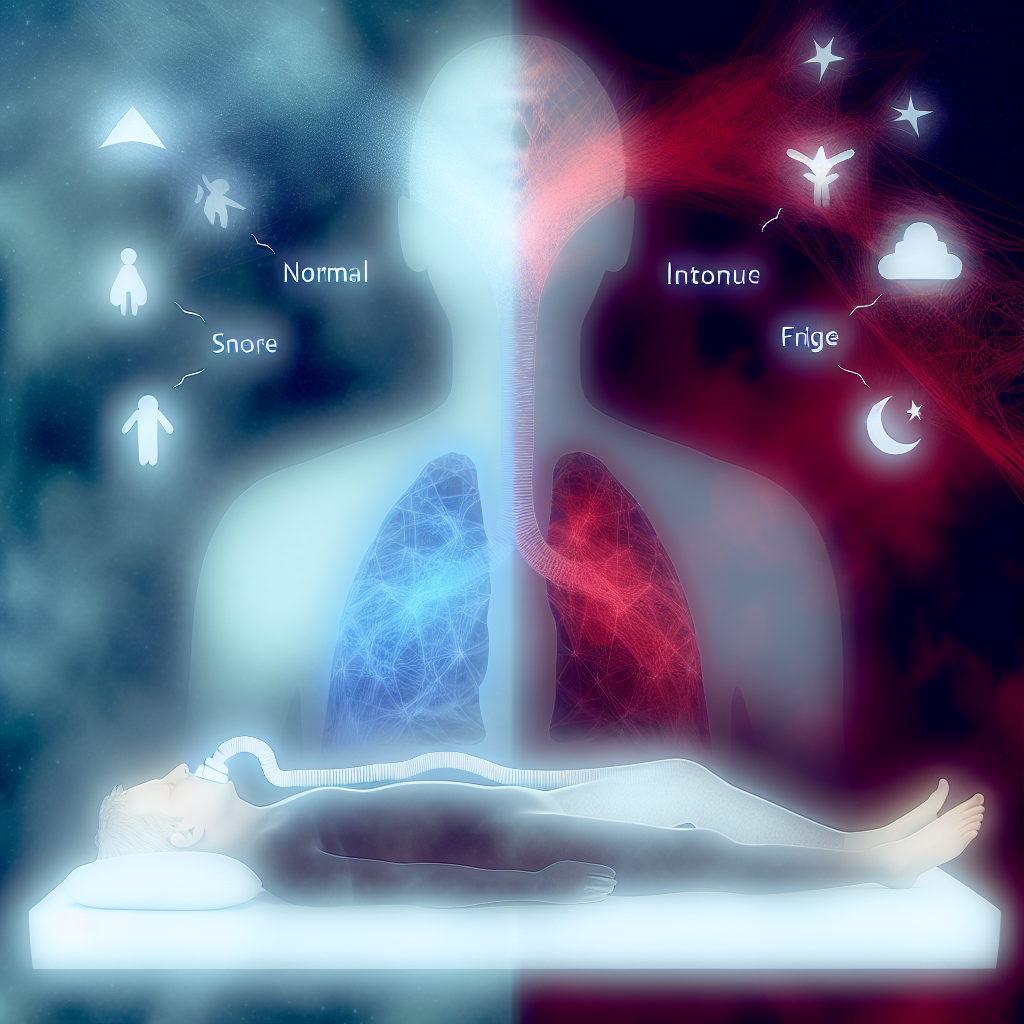
**Sleep** is foundational for **health and well-being**, essential for cognitive function, emotional balance, and physical health. However, **sleep disorders** like **sleep apnea**, insomnia, and restless legs syndrome disrupt millions globally. Central to these disorders is **airway health**, influencing sleep quality. Advancements in **artificial intelligence (AI)** usher in a new era of **precision medicine**, transforming diagnosis and treatment of airway-related sleep disorders. **AI-driven precision sleep medicine** offers **tailored, data-driven insights** for individual patient needs, markedly improving health outcomes and quality of life.
AI’s Role in Sleep Medicine
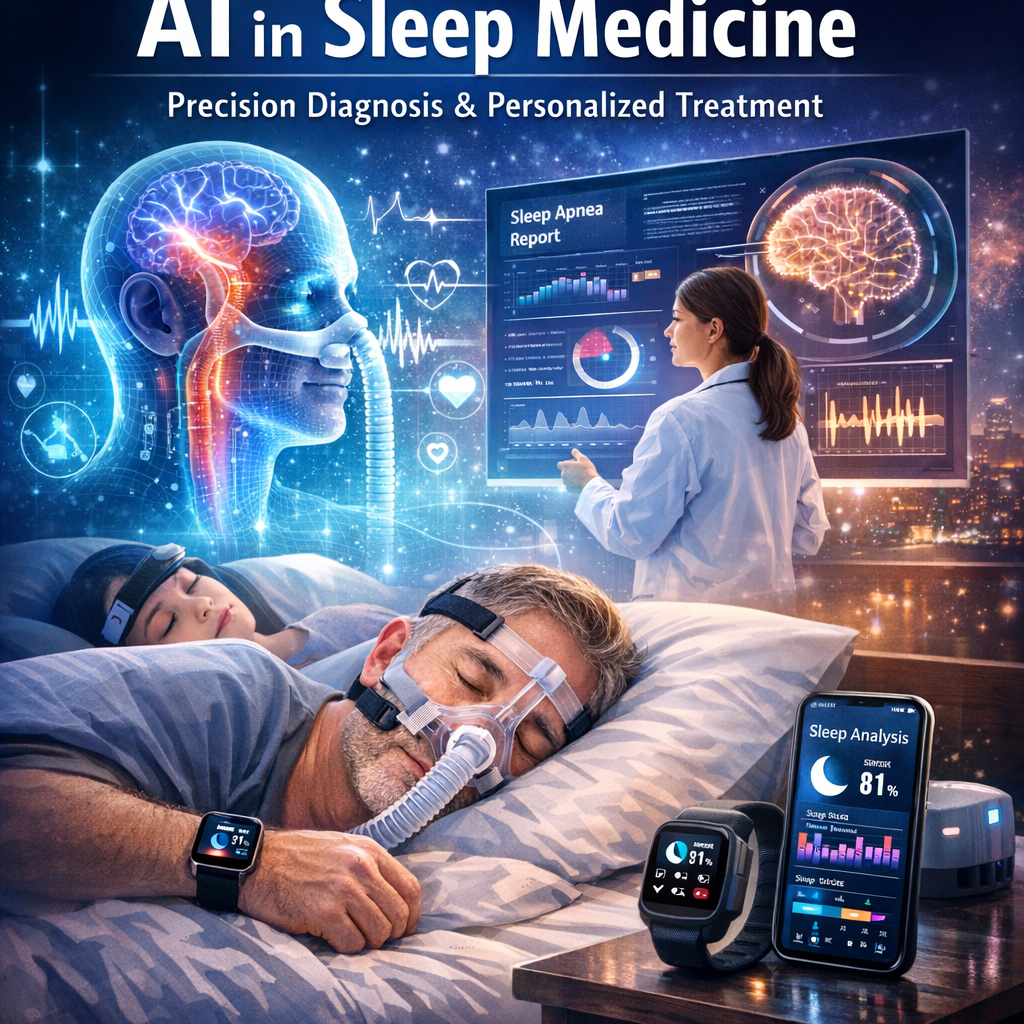
Emerging technology reshapes medicine. In **sleep medicine**, AI leverages large datasets to identify patterns undetectable by humans. With deep learning and machine learning, AI analyzes sleep studies, polysomnography, and health records to predict, diagnose, and manage airway health precisely. This aids healthcare providers and empowers patients with a deeper understanding of their sleep health.
AI swiftly processes vast unstructured data. Traditional sleep studies generate significant raw data; AI-enabled tools streamline accuracy of **apnea-hypopnea index scores**. AI also predicts sleep disorder risks based on **genetic coding** and **lifestyle factors**, realizing personalized healthcare.
Enhancing diagnostics, AI also contributes to innovative treatments. Wearables with AI track sleep patterns, providing feedback for refined treatment plans. AI designs personalized **CPAP machine settings**, improving **patient compliance** and **treatment efficacy**. These innovations actively reshape best practices in the field.
Features
Research underscores AI’s transformative impact on precision sleep medicine. A study in *Nature Communications* highlights AI’s ability to process sleep-pattern data from over 10,000 patients. Algorithms identified novel correlations between subtle night-time breathing irregularities and specific sleep disorders, indicating AI’s early diagnosis potential [Nature Communications Study](https://www.nature.com/articles/s41467-022-27752-3).
In the *Journal of Clinical Sleep Medicine*, researchers assess AI-driven models diagnosing sleep apnea with 95% accuracy, outperforming traditional methods’ 80% [Journal of Clinical Sleep Medicine Study](https://jcsm.aasm.org/doi/10.5664/jcsm.9126). This advancement allows precise diagnoses without invasive sleep studies.
AI’s individualizing care potential was demonstrated in an MIT-led study, deploying AI models to recommend devices and techniques for **obstructive sleep apnea**, customizing treatments to patient variables like anatomy, lifestyle, and genetics. Improved patient adherence increased by 30% over conventional methods [MIT Study on AI in Sleep Apnea](https://news.mit.edu/2023/ai-personalized-treatment-obstructive-sleep-apnea-0222).
AI’s role expands beyond diagnosis and treatment recommendations. It assists in developing interactive platforms for patient education on airway health. AI-driven apps and devices offer insights into sleep patterns and actionable feedback, fostering proactive healthcare management.
Conclusion
**AI-driven precision sleep medicine** represents a profound leap in optimizing sleep health. As tech-healthcare intersections evolve, AI’s potential in redefining airway management and sleep disorder treatments expands. Pioneering studies and innovative applications establish AI as an essential tool in combating **sleep disorders**, offering new hope for millions worldwide. Its rapid data analysis, predictive capabilities, and personalized treatments promise effective clinical practices and enhanced quality of life. As AI-enhanced healthcare advances, the future of sleep medicine looks promising, ensuring restful nights for all.
References
1. Nature Communications Study on AI and Sleep Patterns. Available from: [Nature Communications](https://www.nature.com/articles/s41467-022-27752-3)
2. Journal of Clinical Sleep Medicine Study on AI in Diagnosis. Available from: [Journal of Clinical Sleep Medicine](https://jcsm.aasm.org/doi/10.5664/jcsm.9126)
3. MIT Study on AI in Sleep Apnea Treatment. Available from: [MIT News](https://news.mit.edu/2023/ai-personalized-treatment-obstructive-sleep-apnea-0222)
**Concise Summary:**
Advancements in **AI-driven precision sleep medicine** herald a new era in diagnosing and treating sleep disorders, particularly those related to **airway health**. By utilizing vast datasets, AI enhances pattern recognition, diagnosis accuracy, and personalized therapy, significantly improving outcomes in conditions like **sleep apnea**. With proven efficacy in customizing treatments and engaging patient education, AI is transforming sleep medicine, offering hope for millions and promising better quality of life through innovative, data-driven approaches.

Dominic E. is a passionate filmmaker navigating the exciting intersection of art and science. By day, he delves into the complexities of the human body as a full-time medical writer, meticulously translating intricate medical concepts into accessible and engaging narratives. By night, he explores the boundless realm of cinematic storytelling, crafting narratives that evoke emotion and challenge perspectives.
Film Student and Full-time Medical Writer for ContentVendor.com