Unlocking the Secrets of Longevity: How Sleep Apnea Treatment Could Be the Key to a Longer, Healthier Life
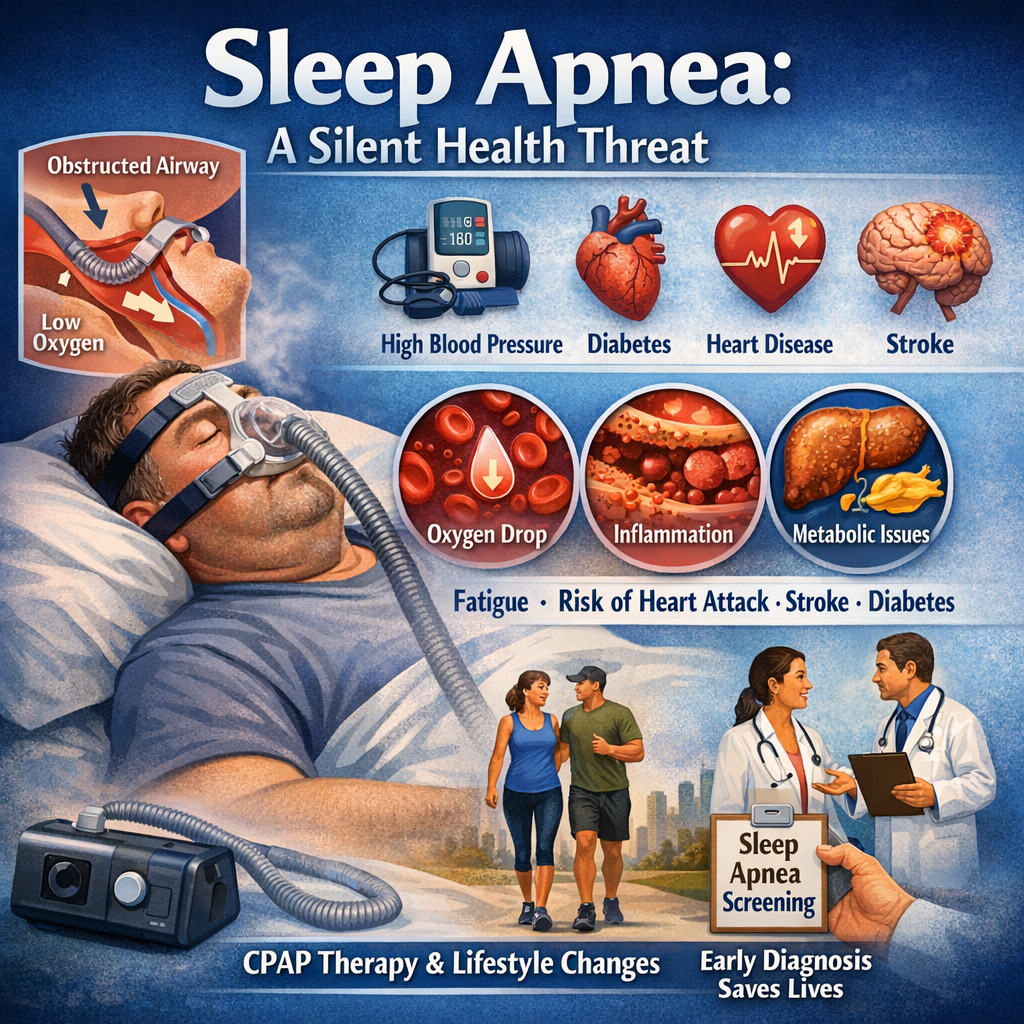
**Sleep** is a fundamental pillar of health, yet for millions of people, achieving quality sleep is challenging due to conditions like **sleep apnea**. Recognized as a common yet serious disorder, sleep apnea is characterized by repeated interruptions in breathing during sleep, leading to fragmented sleep and reduced oxygen levels. While snoring may be the most noticeable symptom, the implications of untreated sleep apnea extend far beyond disturbed slumber and noisy nights.
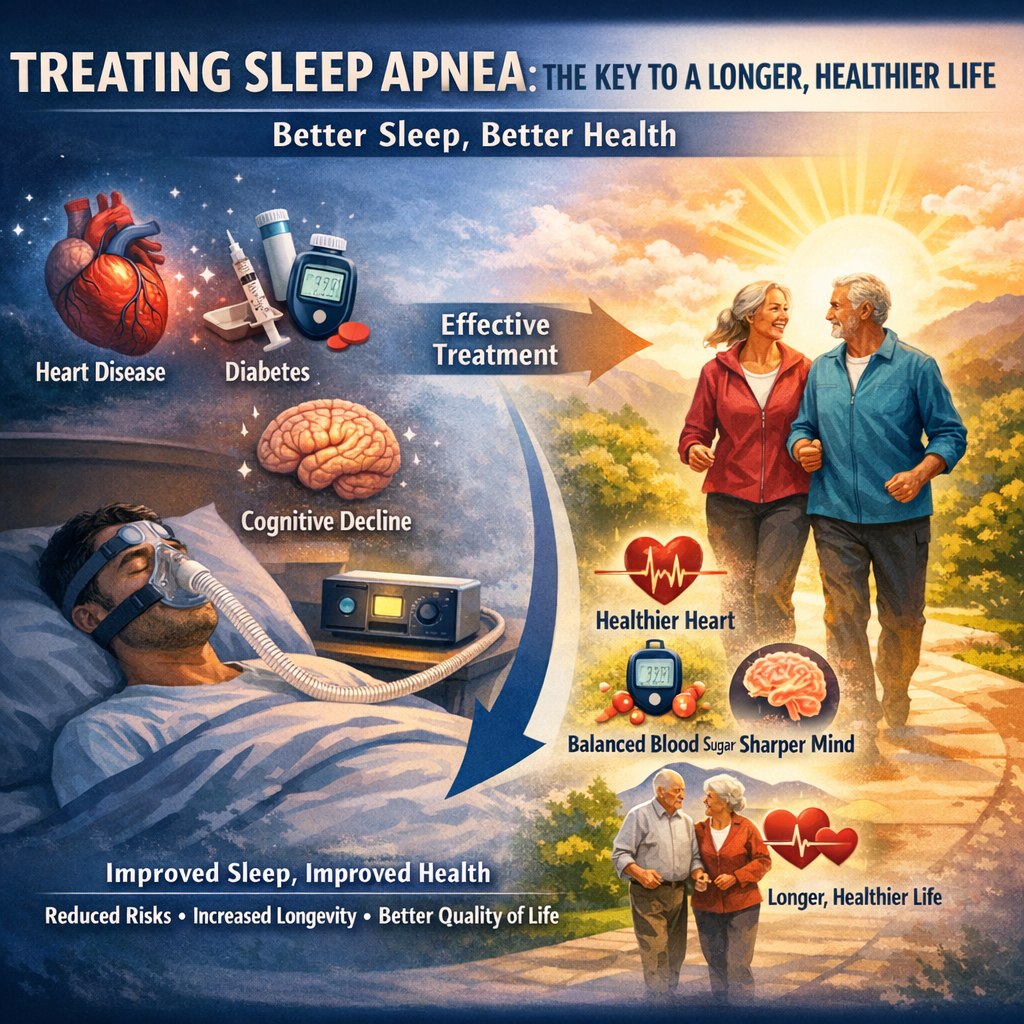
Recent research has emphasized the profound impact sleep apnea has on overall health and **longevity**. As scientists continue to unravel the mysteries of aging, one significant finding is the critical role of uninterrupted, restorative sleep in promoting longer life and staving off diseases associated with aging, such as **cardiovascular disease**, **diabetes**, and **cognitive decline**. When sleep apnea goes untreated, it can contribute to elevated risks of these health issues, reducing both life quality and lifespan.
The remarkable insights arising from modern medical studies emphasize the urgent need to recognize, diagnose, and treat sleep apnea effectively. Key interventions such as **Continuous Positive Airway Pressure (CPAP) therapy**, lifestyle modifications, and surgery help maintain open airways during sleep. These treatments alleviate symptoms and restore the natural architecture of sleep, allowing for deep, restorative cycles necessary for physical and mental health.
The prospect of treating sleep apnea as a means of promoting longevity underscores a broader understanding: sleep is not merely downtime but an essential, dynamic process that sustains life. This revelation aligns with a heightening awareness of **sleep health** among medical professionals and the public alike, contributing to a paradigm shift in how we perceive health and longevity. By treating sleep apnea, individuals enhance life quality while potentially unlocking the secret to extending life itself.
Features
A growing body of research illustrates the profound link between sleep apnea treatment and improved longevity. A pivotal study published in the [**American Journal of Epidemiology**](https://academic.oup.com/aje) explored the long-term benefits of CPAP therapy on mortality rates among those with obstructive sleep apnea. The research revealed that patients adhering to CPAP treatment experienced a significantly lower risk of mortality compared to those who did not use the therapy.
Another groundbreaking study outlined in the [**Journal of Clinical Sleep Medicine**](https://jcsm.aasm.org) found that effective management of sleep apnea through CPAP usage not only reduced daytime sleepiness but also improved metabolic and cardiovascular outcomes. This reinforces the notion that treating sleep apnea has cascading health benefits, including reduced **hypertension** and improved heart health, both critical components of longevity.
Furthermore, research highlighted in the [**European Respiratory Journal**](https://erj.ersjournals.com) demonstrated a significant connection between untreated sleep apnea and increased risks of **neurodegenerative conditions**. By improving sleep quality through apnea treatment, individuals could potentially enhance cognitive functions and reduce the risk of **dementia** and **Alzheimer’s disease**, vital for maintaining quality of life in later years.
Proactive management of sleep apnea heralds a new era of aging where quality sleep contributes to delayed onset of age-related diseases. Insights from various studies show an association between effective sleep apnea treatment and reduced **inflammation**, a condition linked to numerous chronic diseases and accelerated aging. By addressing and mitigating sleep apnea, individuals may unlock a pathway to healthier, more sustainable aging processes, underscoring the critical nature of sleep in the tapestry of human health.
Conclusion
In the quest for longevity, sleep health cannot be overlooked, particularly for individuals grappling with sleep apnea. The medical community’s growing emphasis on diagnosing and treating sleep apnea reflects a deeper understanding of sleep’s role in promoting long life. By investing in treatments like CPAP, individuals not only gain restful nights but also bolster their overall health outlook, potentially adding years to their lives. Sleep as a cornerstone of health serves as a reminder that effective management of sleep disorders can be transformative, influencing not just the quantity, but the quality of life experienced.
As we continue to uncover the influences of sleep on aging and health, it’s clear that sleep apnea treatment represents a promising avenue for enhancing longevity. Through ongoing awareness and advancements in treatment methods, we move closer to unlocking sleep’s full potential, heralding a future where everyone can enjoy the profound benefits of restorative, uninterrupted sleep. Prioritizing sleep health today can chart the course for a healthier tomorrow.
**Concise Summary**
Sleep apnea, a common sleep disorder characterized by interrupted breathing, significantly affects health and longevity. Recent studies underline the importance of treating sleep apnea using therapies like CPAP, which can improve cardiovascular and metabolic outcomes, enhance cognitive functions, and reduce mortality risks. By effectively managing sleep apnea, individuals can improve their sleep quality, leading to delayed onset of age-related diseases and promoting a longer, healthier life. The growing focus on sleep health marks a transformative shift in understanding its critical role in sustaining life, influencing both lifespan and quality of living.

Dominic E. is a passionate filmmaker navigating the exciting intersection of art and science. By day, he delves into the complexities of the human body as a full-time medical writer, meticulously translating intricate medical concepts into accessible and engaging narratives. By night, he explores the boundless realm of cinematic storytelling, crafting narratives that evoke emotion and challenge perspectives.
Film Student and Full-time Medical Writer for ContentVendor.com