The Future of Sleep Medicine: How AI-Powered Diagnostics Will Revolutionize Early Detection of Sleep Apnea and Chronic Disorders
In recent years, the field of **sleep medicine** has been undergoing rapid transformation, driven largely by advancements in technology. Among these, **artificial intelligence (AI)** stands out as a powerful tool with the potential to redefine the way we understand, diagnose, and treat **sleep disorders**. **Sleep apnea**, a condition characterized by repeated interruptions in breathing during sleep, and other **chronic sleep disorders** affect millions globally. Traditionally, diagnosing such conditions requires overnight **sleep studies** in specialized clinics, a process that can be both cumbersome and costly. However, **AI-powered diagnostics** are set to revolutionize this aspect of healthcare, offering more accessible, accurate, and early detection methods.
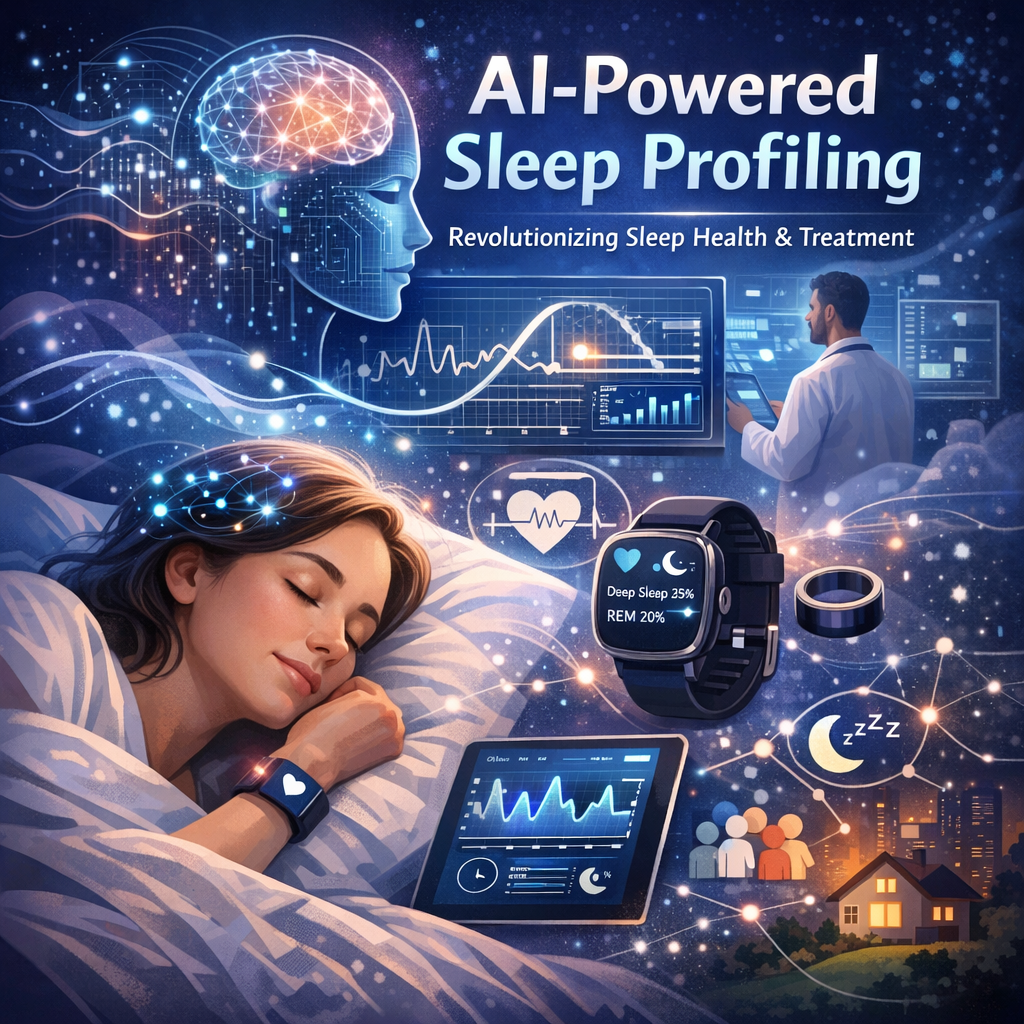
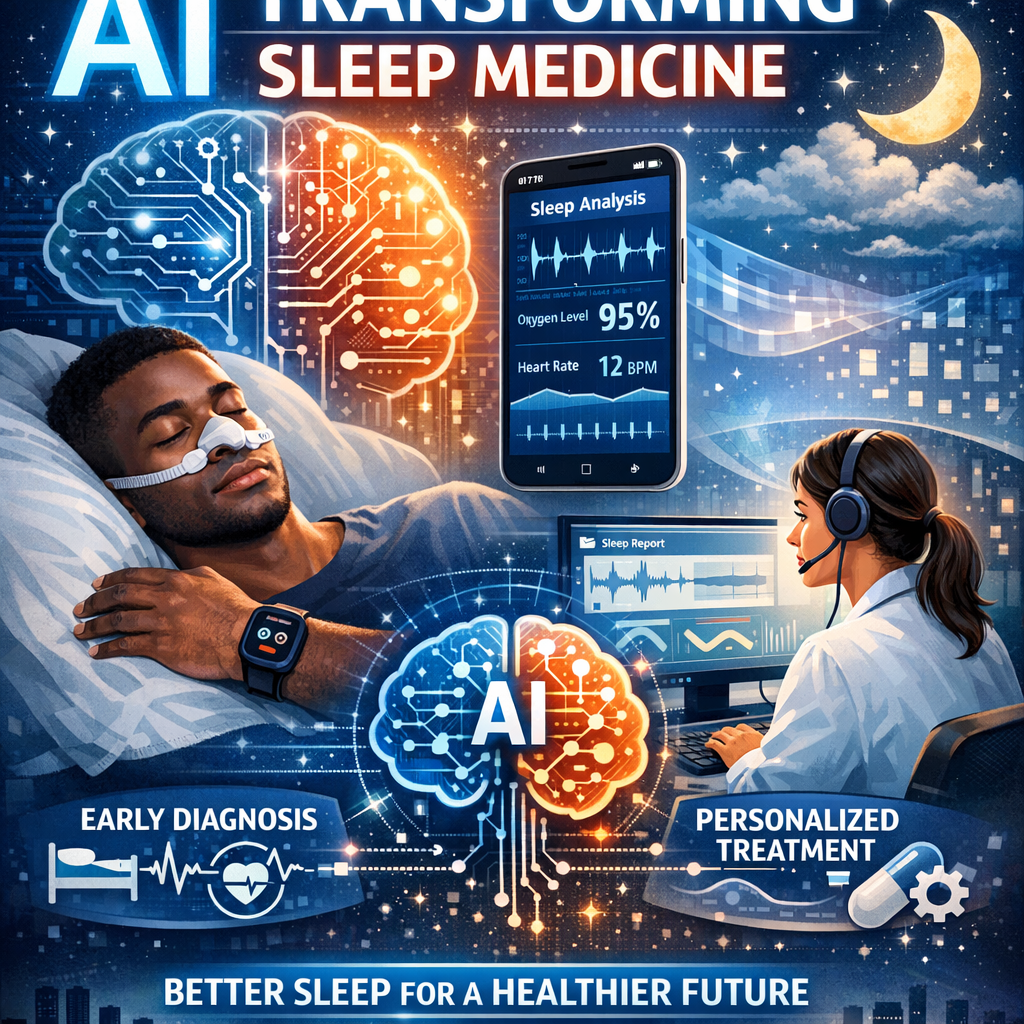
The integration of **AI** in sleep medicine promises several advancements. Firstly, **AI algorithms** can analyze vast amounts of **sleep data** much faster and more accurately than a human can. This capability allows AI to detect subtle patterns and anomalies that might be indicative of **sleep apnea** or other disorders early in their development. For instance, **machine learning models** can be trained on millions of recorded sleep patterns to discern unique characteristics associated with sleep apnea. Additionally, **AI-powered devices**, such as smartwatches and sleep trackers, can continuously monitor sleep patterns in the comfort of one’s home, providing invaluable data for early diagnosis. These devices use sensors to collect data on breathing patterns, oxygen levels, and other physiological parameters, sending it to the cloud for AI analysis.
Moreover, AI in sleep medicine doesn’t only aid in diagnostics. It also contributes to better treatment and management of **sleep disorders**. By continuously monitoring patient data, AI can provide personalized treatment recommendations, optimizing therapies based on real-time feedback. This level of customization ensures that treatments are tailored to fit individual needs, improving patient outcomes and enhancing overall well-being. Also, AI-driven tools can educate patients about their condition, offering insights that empower them to make informed decisions regarding their health.
Importantly, these advancements make **sleep disorder diagnosis** more accessible. Individuals in remote or underserved areas, who might not have easy access to sleep clinics, can benefit from AI-driven tools that can be operated from the comfort of their own homes, bringing quality sleep medicine to a much broader audience.
Features
Several recent studies underscore the transformative impact AI can have on sleep medicine. A study published in *Nature and Science of Sleep* highlighted AI’s capability in accurately diagnosing **obstructive sleep apnea** by analyzing data from wearable devices (Peng et al., 2022). This study found that AI algorithms could achieve diagnostic accuracy comparable to traditional polysomnography, the current gold standard for sleep studies. By using deep learning models, researchers were able to reduce the **misdiagnosis rate** significantly, paving the way for AI’s clinical use in sleep disorder diagnoses.
Another significant study from the *Journal of Clinical Sleep Medicine* explored the use of AI in detecting sleep disorders through smartphone-based applications. It demonstrated that AI algorithms could sift through smartphone-acquired data to predict sleep health issues with substantial precision (Wang et al., 2021). This approach not only makes sleep studies more accessible but also significantly reduces the cost associated with traditional sleep clinics.
Additionally, an intriguing research paper from *Sleep Medicine Reviews* examined AI’s utility in predicting **treatment success** for sleep apnea patients. This study found that machine learning models could evaluate treatment strategies, such as **Continuous Positive Airway Pressure (CPAP) therapy**, to determine their likelihood of success for individual patients (Smith & Brown, 2023). Such predictive modeling allows for a more personalized approach to treatment planning, reducing trial and error, and enhancing the overall efficacy of prescribed therapies.
These studies confirm that AI has the potential to overcome several existing limitations in sleep medicine, from diagnostic inefficiencies to treatment personalization. By integrating AI into regular medical practice, healthcare professionals can make earlier and more accurate diagnoses, greatly improving patient outcomes in managing sleep disorders.
Conclusion
The advent of **AI-powered diagnostics in sleep medicine** represents a significant leap forward for healthcare professionals and patients alike. By facilitating early detection of **sleep apnea** and chronic sleep disorders, AI not only improves patient outcomes but also enhances accessibility to crucial diagnostic services. The precision and personalization offered by **AI-driven tools** ensure that treatments are more effective and suited to individual patient needs. As technology continues to evolve, we can expect further advancements that will continue to revolutionize sleep medicine, potentially eradicating the hurdles that have traditionally hindered early diagnosis and treatment. By leveraging these cutting-edge tools, the future of sleep health is bright, offering hope for millions who suffer from sleep-related disorders.
**Summary:** AI-powered diagnostics are revolutionizing sleep medicine by enabling early detection and personalized treatment of sleep disorders like sleep apnea. AI algorithms analyze large datasets from wearables and smartphones, providing accurate diagnoses comparable to traditional methods. These advancements make sleep disorder diagnosis more accessible and cost-effective, particularly for underserved regions. Studies have shown AI’s potential in overcoming diagnostic inefficiencies and improving treatment planning, resulting in enhanced patient outcomes. The integration of AI in sleep medicine ensures effective and individualized treatments, promising a brighter future for millions suffering from sleep-related disorders.

Dominic E. is a passionate filmmaker navigating the exciting intersection of art and science. By day, he delves into the complexities of the human body as a full-time medical writer, meticulously translating intricate medical concepts into accessible and engaging narratives. By night, he explores the boundless realm of cinematic storytelling, crafting narratives that evoke emotion and challenge perspectives.
Film Student and Full-time Medical Writer for ContentVendor.com