Uncovering the Connection: Sleep Apnea as a Catalyst for Unlocking Peak Cognitive Performance and Longevity
In recent years, the spotlight has increasingly fallen on sleep as a critical pillar of health and well-being, alongside nutrition and exercise. However, the complex relationship between **sleep disorders** and their broader impact on health often remains overlooked. Among these disorders, **sleep apnea** stands out due to its far-reaching implications on **cognitive performance** and **longevity**. Sleep apnea is a medical condition characterized by repeated interruptions in breathing during sleep, often resulting in **fragmented sleep** and diminished oxygen supply to vital organs, including the brain.
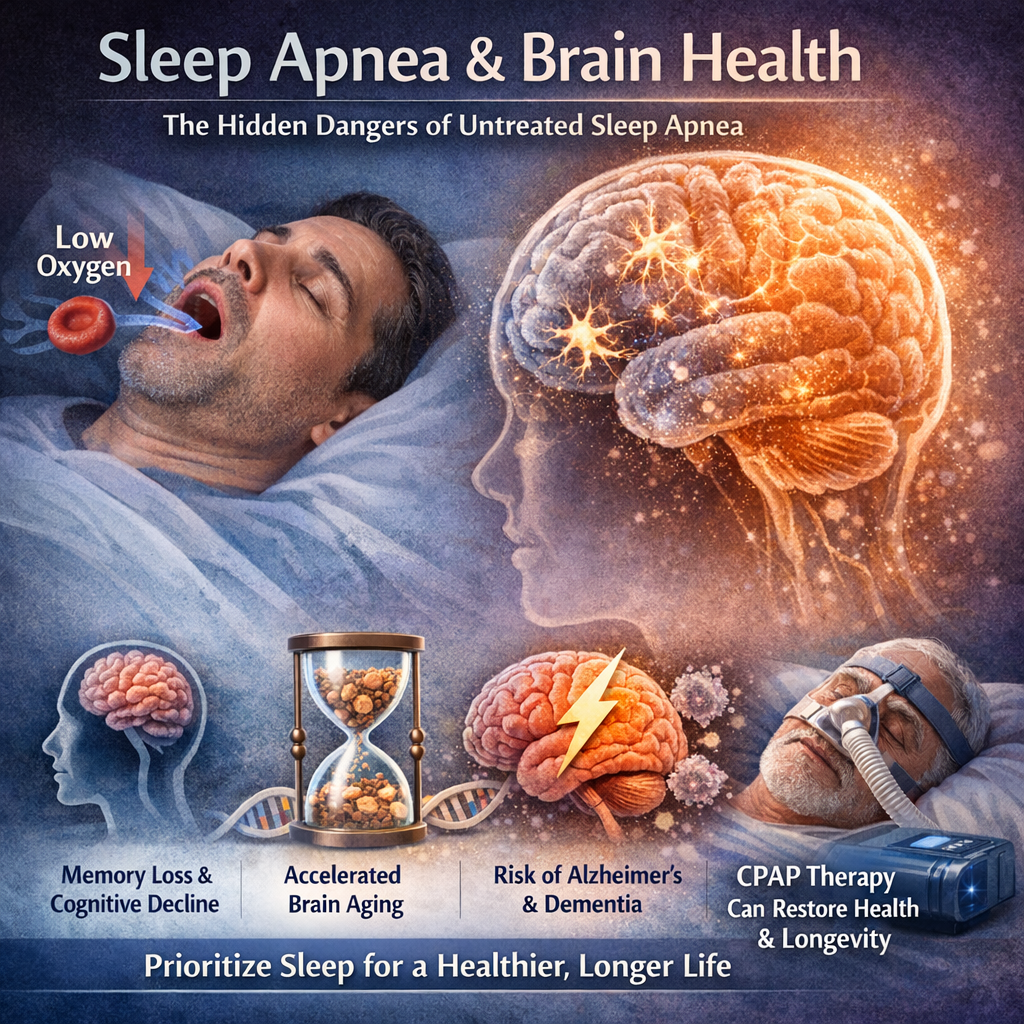
The growing prevalence of sleep apnea, affecting millions globally, raises fundamental questions about its true impact on our lives. While sleep apnea is often associated with **daytime fatigue**, **snoring**, and **cardiovascular risks**, its effect on cognitive function is gaining significant attention. Emerging research indicates that untreated sleep apnea can lead to deficits in attention, memory, and executive function, thereby compromising one’s ability to perform at their cognitive best. This is particularly concerning in a world where cognitive prowess is increasingly mandatory for success in both personal and professional spheres. Furthermore, it has become evident that the risks extend beyond immediate cognitive impairments. Chronic sleep apnea has been linked to accelerated brain aging, raising alarms about its potential implication in neurodegenerative diseases and a shortened lifespan.
The intriguing connection between sleep apnea and longevity is grounded in the body’s systemic response to disrupted sleep. Sleep is a biologically restorative process, and its disruption can trigger **inflammatory pathways**, **oxidative stress**, and **hormonal imbalances** — all of which are known to contribute to aging. Therefore, addressing sleep apnea could be a vital intervention for promoting not only mental acuity but also extending one’s lifespan.
Given these insights, understanding sleep apnea’s role in **cognitive health** and longevity is of utmost importance. Through timely diagnosis and effective treatment options, there is potential to unlock enhanced cognitive performance and greater longevity, ultimately leading to improved quality of life. This article delves into the exploration of groundbreaking studies that uncover the significant impact of sleep apnea on cognitive health and longevity and highlights the urgency of addressing this silent health crisis.
Insights from Medical Research
The intersection of sleep apnea, cognitive performance, and longevity is a burgeoning area of research, shedding light on how seemingly mundane sleep disruptions can lead to profound consequences. A pivotal study conducted by the **American Academy of Sleep Medicine** examined individuals with **obstructive sleep apnea (OSA)** and documented notable cognitive deficits among sufferers. This research highlighted impairments in areas such as attention spans, working memory, and complex problem-solving abilities. Sleep apnea results in insufficient restorative cycles of **REM sleep**, which is crucial for **memory consolidation** and cognitive flexibility. [Source: American Academy of Sleep Medicine](https://aasm.org).
Moreover, a study published in the journal Sleep explored the correlation between sleep apnea and **brain health**, using neuroimaging techniques to illustrate changes in brain structure in those with untreated OSA. The researchers found that chronic sleep disruption led to reduced **gray matter** in brain regions associated with cognitive functions, including the **frontal cortex** and **hippocampus**. These findings were significant as they confirmed physical brain changes linked to cognitive decline and potentially neurodegenerative diseases like Alzheimer’s. [Source: Journal of Sleep](https://academic.oup.com/sleep).
The link between sleep apnea and longevity is further reinforced by research from the **European Respiratory Journal**, which demonstrated increased mortality rates in untreated sleep apnea patients. The study found that the constant physiological stress induced by intermittent hypoxia — low oxygen levels — could accelerate **cellular aging processes**, thereby increasing the risk of **age-related diseases**. These include hypertension, diabetes, and even stroke, all of which contribute to reduced life expectancy. [Source: European Respiratory Journal](https://erj.ersjournals.com).
Medical professionals emphasize that early detection and treatment of sleep apnea can mitigate its adverse effects. Treatments such as **Continuous Positive Airway Pressure (CPAP)** therapy have been shown to not only improve sleep quality but also reverse cognitive impairments and reduce mortality risks. These studies underscore the importance of not dismissing sleep apnea as a trivial condition but recognizing its potential to unlock peak cognitive performance and enhance longevity.
Conclusion
In conclusion, the intricate relationship between sleep apnea, cognitive performance, and longevity invites serious consideration in our quest for holistic health. As scientific research continues to unravel these connections, it becomes increasingly clear that addressing sleep apnea is not merely about improving sleep quality but is pivotal in unlocking one’s cognitive potential and extending overall lifespan. The data underscores the critical role of restorative sleep cycles in maintaining cognitive function and facilitating healthy aging.
As we advance further into an age where knowledge work and technological advancement demand ever-higher cognitive capabilities, maintaining robust mental health becomes invaluable. Advocating for routine sleep assessments and widespread awareness about sleep apnea can lead to groundbreaking changes in how we approach our health. By combining medical intervention with lifestyle adjustments and emphasizing the importance of sleep health, we can collectively strive for a future where cognitive excellence and longevity are attainable for all. Addressing sleep apnea is thus not a negligible endeavor but a key to unlocking a thriving, healthier life.
**Concise Summary:**
This article explores the significant impact of sleep apnea on cognitive performance and longevity, highlighting emerging research on the disorder’s consequences. Sleep apnea disrupts restorative sleep cycles, leading to cognitive impairments and accelerated brain aging, potentially contributing to neurodegenerative diseases. The systemic response to sleep disruption triggers processes that accelerate aging and increase risks of age-related diseases. Effective treatment, such as CPAP therapy, can improve sleep quality, reverse cognitive deficits, and extend lifespan. Addressing sleep apnea is crucial for peak cognitive function and promotes overall well-being and lifespan extension.

Dominic E. is a passionate filmmaker navigating the exciting intersection of art and science. By day, he delves into the complexities of the human body as a full-time medical writer, meticulously translating intricate medical concepts into accessible and engaging narratives. By night, he explores the boundless realm of cinematic storytelling, crafting narratives that evoke emotion and challenge perspectives.
Film Student and Full-time Medical Writer for ContentVendor.com