An Undiagnosed Sleep Issue Could Be the Silent Killer Affecting Your Post-Pandemic Health
Introduction
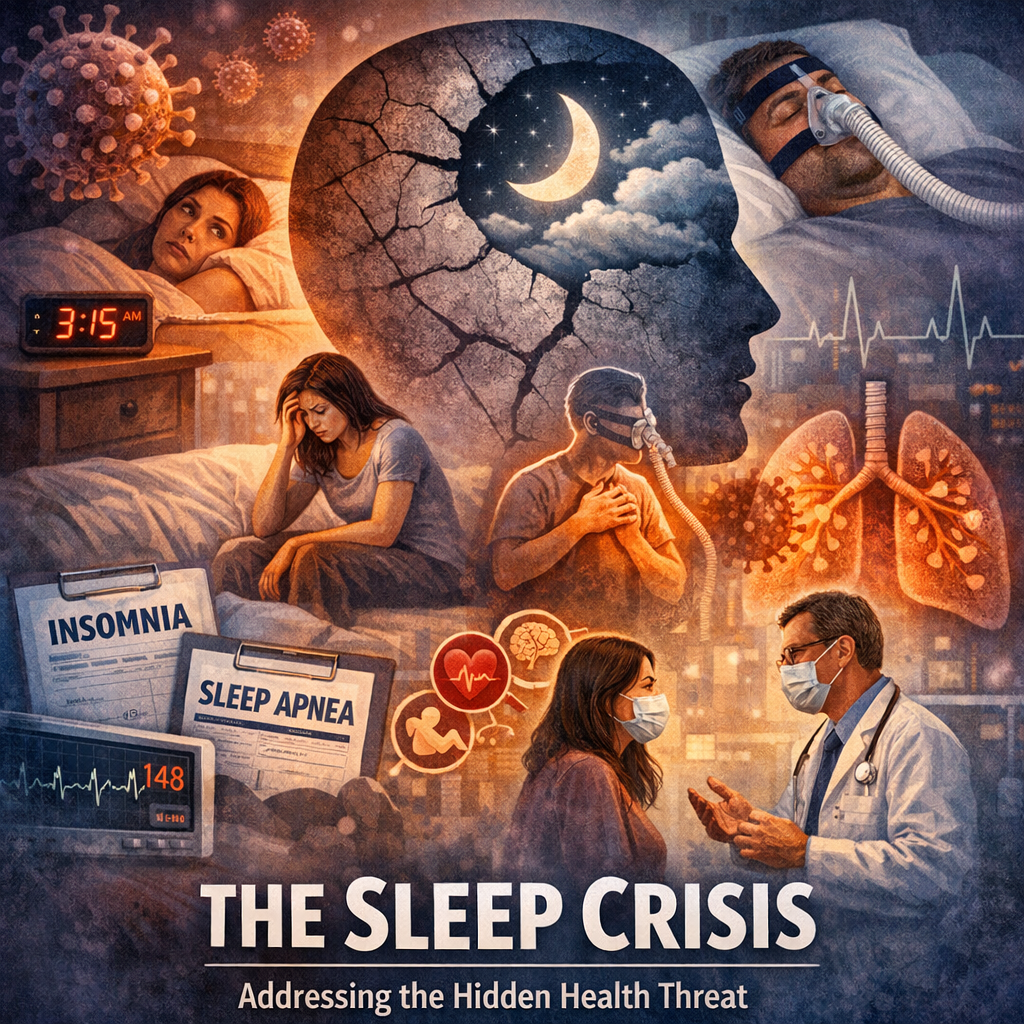
The **COVID-19 pandemic** has drastically transformed our daily lives, reshaping how we work, interact, and even sleep. As the world begins to emerge from this global health crisis, many experts are turning their attention to a previously overlooked issue: the impact on **sleep health**. While we often consider stress, anxiety, and mental health issues as direct results of pandemic-induced lifestyle changes, undiagnosed **sleep disorders** may be a silent killer, silently undermining our overall well-being.
**Sleep** is essential for our physical and mental health, playing a critical role in nearly every basic physiological process. It aids in the repair and rejuvenation of our bodies, supports cognitive function, and helps regulate emotions. Despite its importance, the modern lifestyle, exacerbated by COVID-19, has turned **sleep problems** into a pervasive issue. Increased **screen time**, irregular work schedules, and heightened **stress levels** have disrupted sleep patterns for many, bringing sleep disorders into the spotlight.
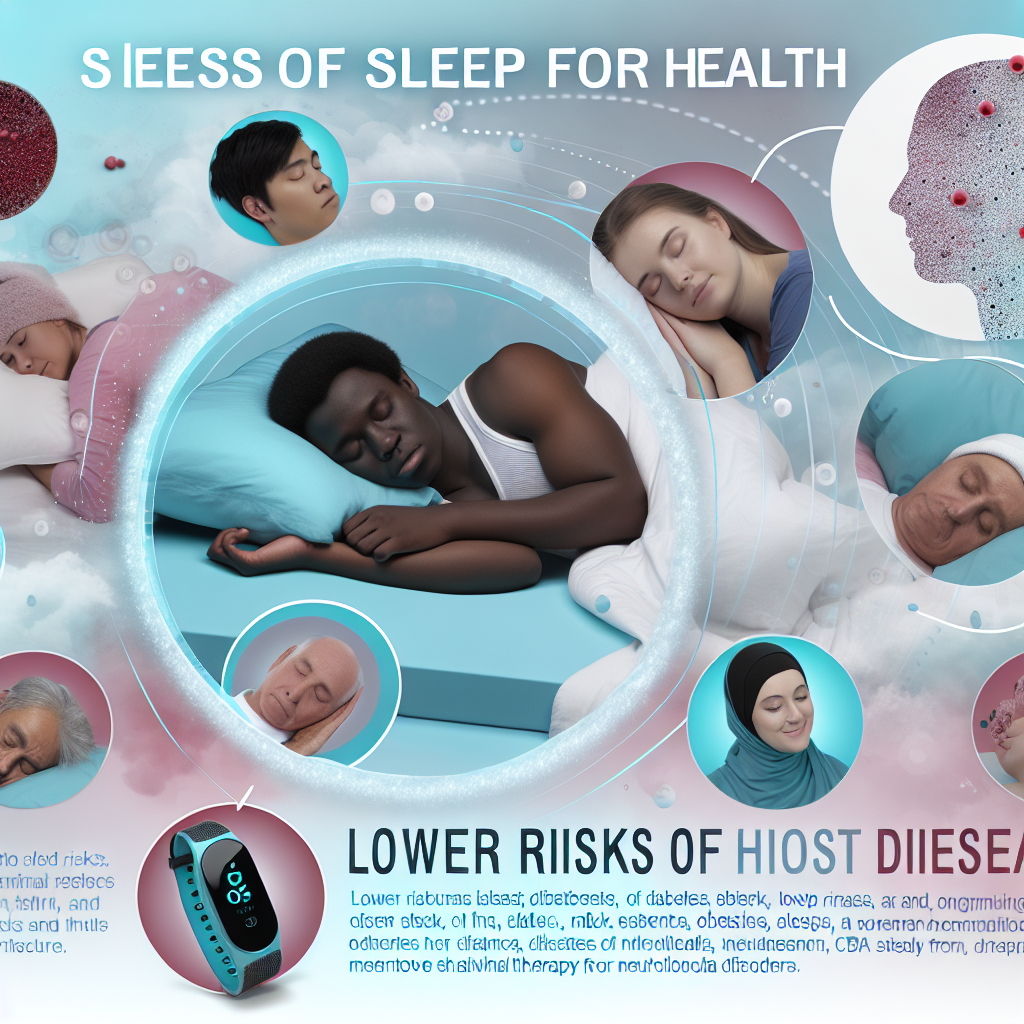
Common sleep disorders such as **insomnia**, **sleep apnea**, and **restless leg syndrome** can go undiagnosed for years, their symptoms mistakenly attributed to everyday stress or aging. However, these disorders are more than just an inconvenience; they can lead to severe health issues if left untreated. Poor sleep is linked to a higher risk of chronic conditions, including **obesity**, **diabetes**, **cardiovascular disease**, and even some forms of **cancer**. In this post-pandemic era, understanding the importance of diagnosing and treating sleep disorders has never been more crucial.
Moreover, the pandemic has altered our **sleep architecture** and **circadian rhythms**. A study published in the [Journal of Clinical Sleep Medicine](https://jcsm.aasm.org/doi/full/10.5664/jcsm.8342) highlights how COVID-19-related stressors have exacerbated existing sleep problems and engendered new ones. This disruption has far-reaching consequences on our health, with sleep acting as an invisible thread tying numerous health issues together. Thus, the discourse around sleep health needs to be prioritized to ensure that we address this silent killer that could be affecting countless individuals in this post-pandemic world.
Features
The significance of sleep health has been underscored by various studies conducted during and post-pandemic. One notable study by the **American Academy of Sleep Medicine** analyzed the impact of the pandemic on sleep patterns and identified a significant rise in cases of **insomnia** and poor sleep quality among the population. This surge serves as a wake-up call for healthcare professionals to consider sleep health as a critical factor in comprehensive healthcare.
Furthermore, research published in **Lancet Respiratory Medicine** explored the correlation between sleep disturbances and long-term COVID-19 symptoms. This study found that those experiencing sleep problems during the pandemic were also more likely to report a range of persisting symptoms associated with “**long COVID**,” such as **fatigue**, **brain fog**, and **mood disturbances**. This finding indicates that a proactive approach to sleep health might not only enhance overall health but also mitigate prolonged COVID-related symptoms.
**Sleep apnea**, a disorder characterized by pauses in breathing during sleep, has also been in the spotlight. The **American Journal of Respiratory and Critical Care Medicine** published a study demonstrating how untreated sleep apnea could worsen COVID-19 outcomes, making it a crucial area for diagnosis and treatment. Sleep apnea leads to fragmented sleep and decreases the quality of rest, which can compound the effects of ongoing health issues.
The interaction between sleep and mental health is also vital. The psychiatric dimension of sleep disorders reveals how poor sleep can exacerbate mental health conditions such as **depression** and **anxiety**, both of which have been exacerbated during the pandemic. An article in the **Journal of Clinical Psychology** links sleep disruption directly with increased levels of anxiety and depressive symptoms, emphasizing the need for targeted interventions.
Given these findings, it is clear that the pandemic has done more than temporarily alter our sleep; it has necessitated an ongoing assessment of sleep issues as a component of holistic health management. Without appropriate diagnosis and treatment, undiagnosed sleep problems could silently detract from quality of life and hinder recovery efforts post-pandemic.
Conclusion
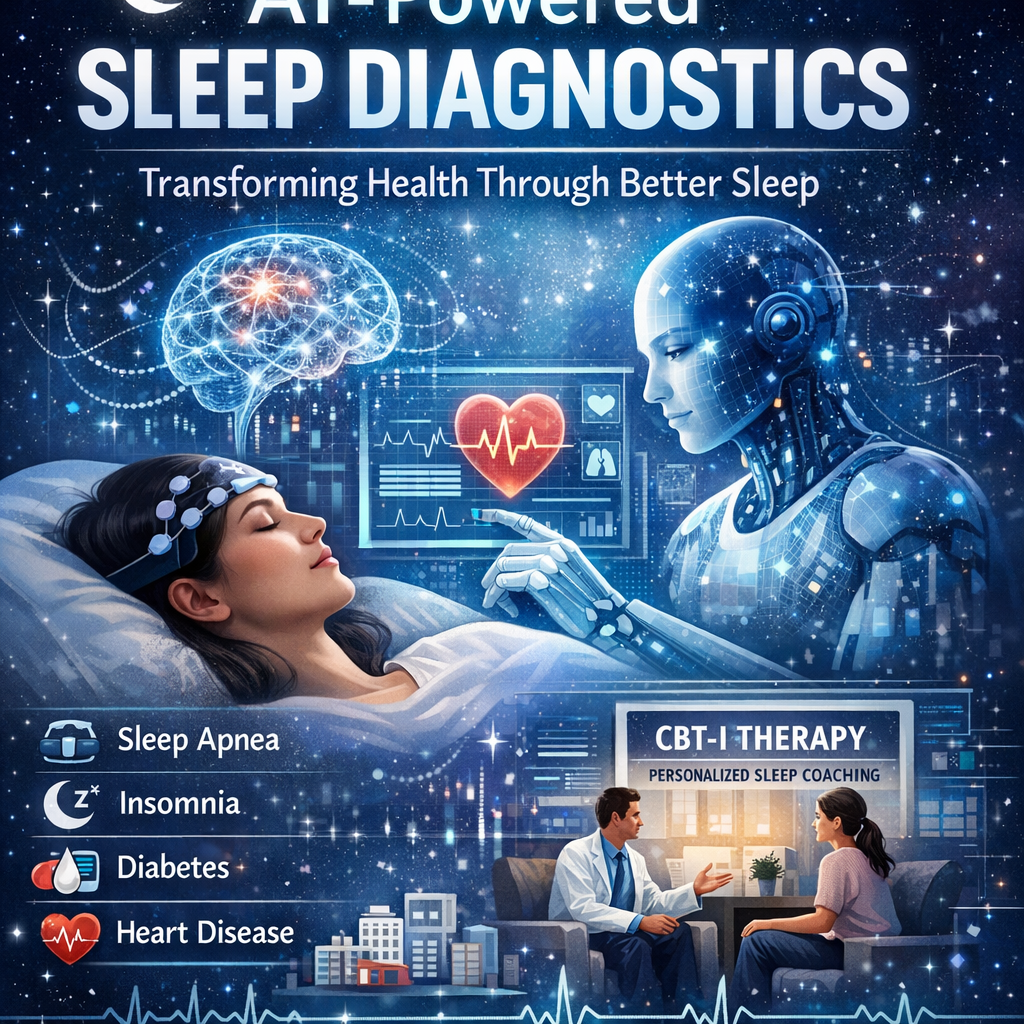
In the wake of the pandemic, focusing on **sleep health** is an urgent necessity. As this silent killer quietly impacts post-pandemic health, acknowledging the pivotal role sleep disorders play in overall well-being is essential. Solutions exist—from clinical interventions such as **Continuous Positive Airway Pressure (CPAP) therapy** for sleep apnea to **cognitive-behavioral therapy** for insomnia. However, the first step is awareness and diagnosis.
As we continue to navigate the aftermath of COVID-19, it’s paramount that sleep health becomes integrated into regular health screenings and discussions. Addressing these undiagnosed sleep issues proactively could prevent the cascade of health complications that might arise from neglect and help foster resilient, healthier post-pandemic communities. Ultimately, by recognizing the profound impact of sleep on health, we can empower individuals to reclaim their well-being and embrace better sleep habits for the future.
References
1. American Academy of Sleep Medicine. (2022). [*COVID-19 pandemic impact on sleep patterns*. Journal of Clinical Sleep Medicine](https://jcsm.aasm.org/doi/full/10.5664/jcsm.8342)
2. The Lancet Respiratory Medicine. (2021). [*Long COVID and sleep health*.](https://www.thelancet.com/journals/lanres/home)
3. American Journal of Respiratory and Critical Care Medicine. [*Sleep apnea and COVID-19 outcomes*.](https://www.atsjournals.org/doi/abs/10.1164/rccm.202009-3681LE)
4. Journal of Clinical Psychology. (2022). [*Sleep disruption and mental health during the pandemic*.](https://onlinelibrary.wiley.com/journal/10974679)
Concise Summary
The COVID-19 pandemic has highlighted the critical concern of undiagnosed sleep disorders, such as insomnia and sleep apnea, that could silently impact overall well-being. These disorders have been exacerbated by increased screen time, irregular schedules, and stress. Studies reveal their link to chronic conditions and prolonged COVID symptoms. Addressing sleep health through awareness, diagnosis, and treatment like CPAP and cognitive-behavioral therapy is essential. Prioritizing sleep health in health screenings can prevent further health issues, making it vital in building healthier post-pandemic communities.

Dominic E. is a passionate filmmaker navigating the exciting intersection of art and science. By day, he delves into the complexities of the human body as a full-time medical writer, meticulously translating intricate medical concepts into accessible and engaging narratives. By night, he explores the boundless realm of cinematic storytelling, crafting narratives that evoke emotion and challenge perspectives.
Film Student and Full-time Medical Writer for ContentVendor.com