Beyond CPAP: Exploring Innovative Sleep Apnea Treatments That Could Transform Clinical Practice in 2024
Introduction
Sleep apnea is a prevalent and potentially serious sleep disorder in which breathing repeatedly stops and starts. It affects millions globally, impacting quality of life and overall health. The most common form, **Obstructive Sleep Apnea (OSA)**, occurs when throat muscles relax excessively, leading to blockage of the airway. While **Continuous Positive Airway Pressure (CPAP)** therapy is widely recognized and used as a standard treatment, many patients struggle with compliance due to discomfort, noise, or inconvenience. This has led researchers and clinicians to seek alternative treatments that can effectively manage or mitigate the symptoms of sleep apnea, driving innovation in the field.
With technological advancements and increased understanding of sleep-related disorders, 2024 promises to be a year where groundbreaking treatments could transform the clinical management of sleep apnea. From implantable devices to novel pharmacological options and lifestyle interventions, the quest for more patient-friendly and effective solutions is gaining momentum. These alternatives not only aim to improve the treatment outcomes but also enhance adherence by addressing the multifaceted needs of patients.
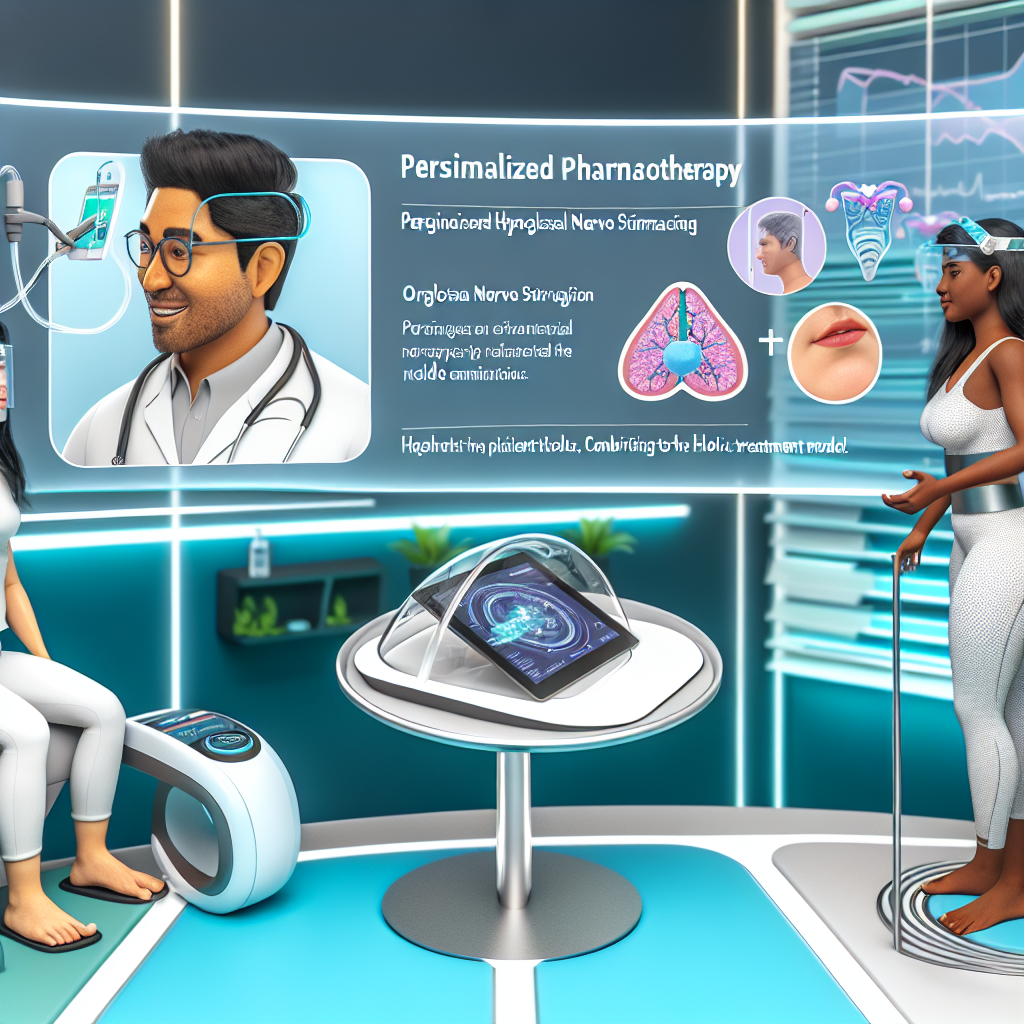
Among the most promising breakthroughs are implantable nerve stimulators, which stimulate the **hypoglossal nerve** to keep the airway open during sleep. Unlike other invasive procedures, these devices involve minimal adjustments from the patient after implantation. Another area of interest is the development of personalized pharmacotherapy tailored to individual genetic profiles, allowing for a more targeted approach to reducing airway inflammation and improving muscle tone.
**Telemedicine** and home monitoring technology are also influencing the treatment landscape by facilitating continuous monitoring and personalized therapy adjustments from the comfort of patients’ homes. Additionally, behavioral techniques like **orofacial therapy**, which strengthens the muscles around the airway, present non-invasive options that could complement traditional therapies. As the understanding of sleep apnea deepens, the integration of lifestyle modifications, such as weight management and **positional therapy**, further highlights the holistic direction of future treatment strategies. This comprehensive approach ensures that every aspect of a patient’s condition is addressed, thereby optimizing outcomes and improving overall sleep health.
Features
In recent years, several professional and medical studies have underscored the potential of these alternative sleep apnea treatments. A study published in the Journal of Clinical Sleep Medicine explores the efficacy of hypoglossal nerve stimulators. This implantable device has shown promising results, with participants experiencing significant reductions in apnea episodes and improved quality of sleep. The study highlights high patient satisfaction rates due to its non-intrusive nature post-implantation and the convenience it offers over traditional CPAP therapy.
Furthermore, research in The American Journal of Respiratory and Critical Care Medicine focuses on personalized medicine approaches. It suggests that pharmacological agents tailored to individual patient profiles could address unique genetic factors contributing to sleep apnea. Such drugs, targeting inflammatory pathways and muscle tone regulation, are currently in clinical trials, indicating promising outcomes in reducing severity and frequency of apnea events.
**Telemedicine** has emerged as a transformative force in chronic disease management, including sleep disorders. A comprehensive study highlighted in Chest Journal evaluates the impact of remote monitoring and virtual consultations in managing sleep apnea. Data shows that telehealth interventions can lead to higher adherence rates and better patient engagement, fundamentally changing the provider-patient interaction model.
Moreover, a trial documented by the American Association of Physiological Medicine & Dentistry emphasizes the role of orofacial myofunctional therapy. Participants undergoing these exercises demonstrated increased muscle tone in the upper airway, contributing to reduced apnea episodes. The study advocates for its inclusion as a supportive treatment for those unable or unwilling to use CPAP.
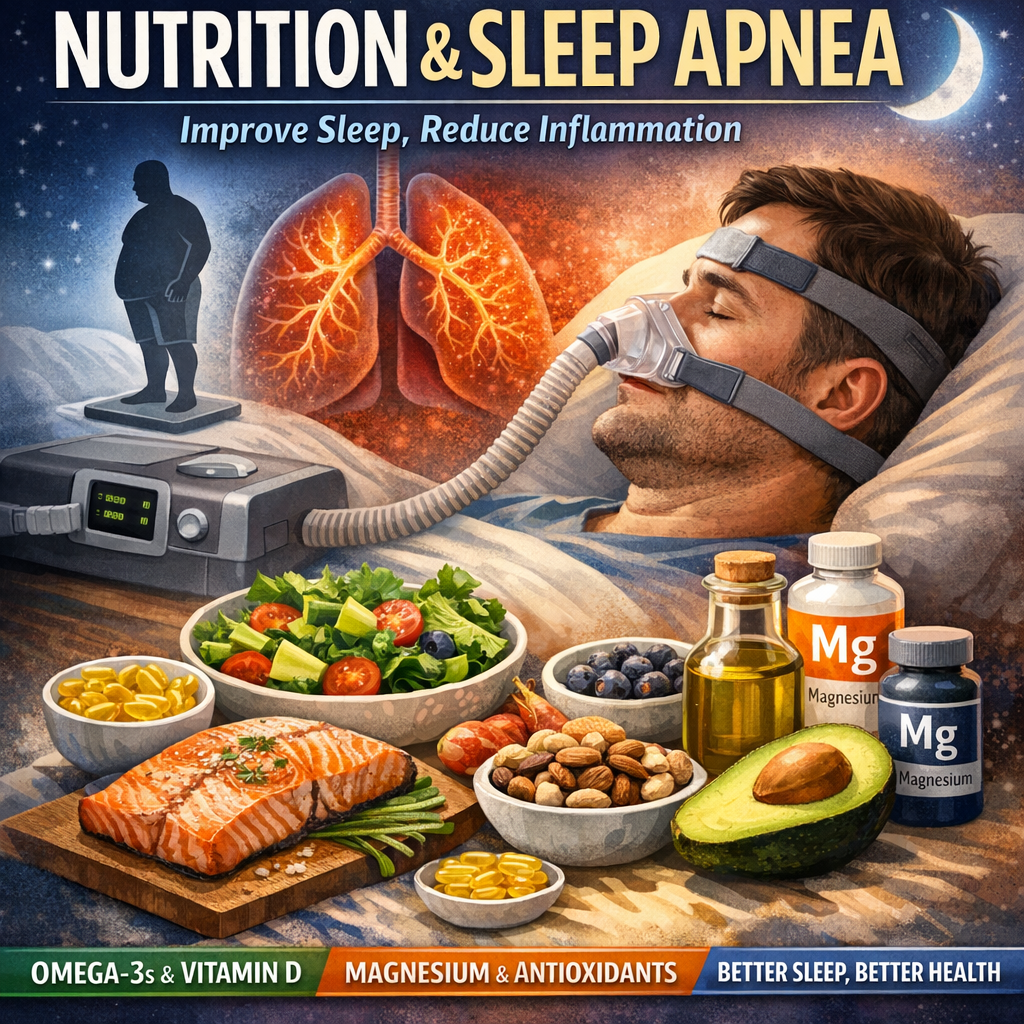
In addition, randomized controlled trials are providing evidence that lifestyle interventions such as weight loss and positional therapy can significantly mitigate the symptoms of sleep apnea, especially in patients with mild to moderate conditions. These interventions, combined with innovative treatments, underscore a shift towards a more integrative and patient-centered treatment model.
Conclusion
As we look toward 2024 and beyond, it is clear that the field of sleep apnea treatment is on the brink of significant transformation. The limitations associated with CPAP therapy have opened the door to alternative solutions that not only promise to advance clinical practice but also align with the needs and preferences of patients. By embracing a combination of mechanical, pharmacological, and lifestyle-based interventions, clinicians can tailor treatment plans that address the unique circumstances of each patient. This holistic approach has the potential to significantly enhance treatment adherence and outcomes.
Advancements in **personalized medicine**, supported by ongoing research and technology, are paving the way for a future where managing sleep apnea is more effective, less intrusive, and better suited to diverse patient needs. As research continues to evolve, it is imperative that healthcare providers remain informed and adaptable to integrate these innovative solutions into practice, fostering better sleep health for all. Emphasizing patient education and engagement will be crucial in making these new treatments successful and ensuring a healthier, more restful future for those affected by sleep apnea.
**Concise Summary:**
In 2024, new sleep apnea treatments, beyond traditional CPAP, are poised to revolutionize patient care. Advances include implantable nerve stimulators, personalized pharmacotherapy, and telemedicine for enhanced monitoring. Behavioral therapies such as orofacial exercises, alongside lifestyle changes like weight management, offer comprehensive, patient-centered solutions. These innovations promise improved adherence and outcomes by addressing individual needs and mitigating treatment barriers. As research progresses, healthcare providers must adapt to integrate these solutions, ensuring a holistic approach to sleep apnea management that prioritizes patient education and engagement.

Dominic E. is a passionate filmmaker navigating the exciting intersection of art and science. By day, he delves into the complexities of the human body as a full-time medical writer, meticulously translating intricate medical concepts into accessible and engaging narratives. By night, he explores the boundless realm of cinematic storytelling, crafting narratives that evoke emotion and challenge perspectives.
Film Student and Full-time Medical Writer for ContentVendor.com