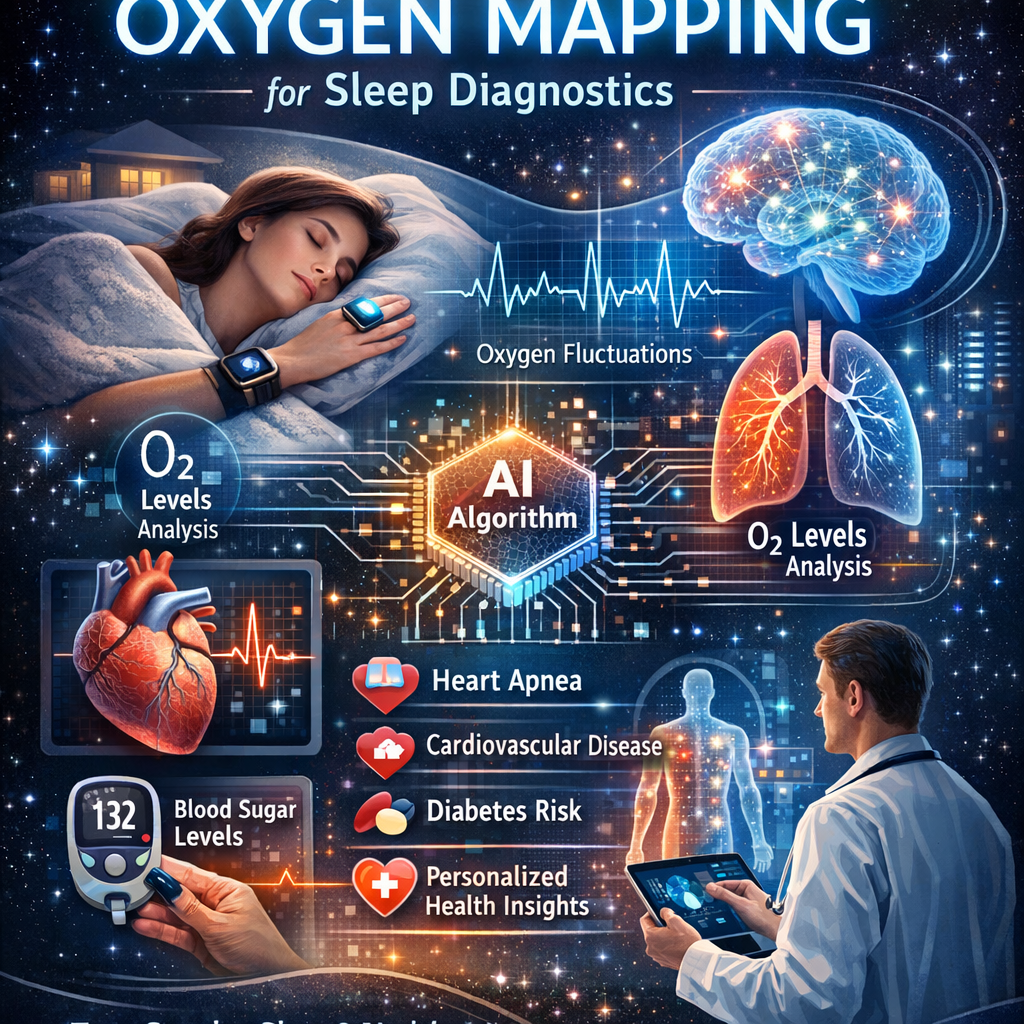
Breakthrough Sleep Diagnostics: Predicting Longevity through AI-Powered Oxygen Mapping
In recent years, the **intersection of artificial intelligence and medical science** has produced groundbreaking advancements in a variety of healthcare fields. One such area benefitting from this technological synergy is **sleep diagnostics**. As we have come to understand, sleep is not just a passive state but a vital physiological process essential for the restoration of both mind and body. Disturbances in sleep can lead to a host of health issues, ranging from **cognitive impairments** to more severe conditions like **cardiovascular diseases**. Now, a cutting-edge approach is revolutionizing sleep medicine: **AI-powered oxygen mapping**.
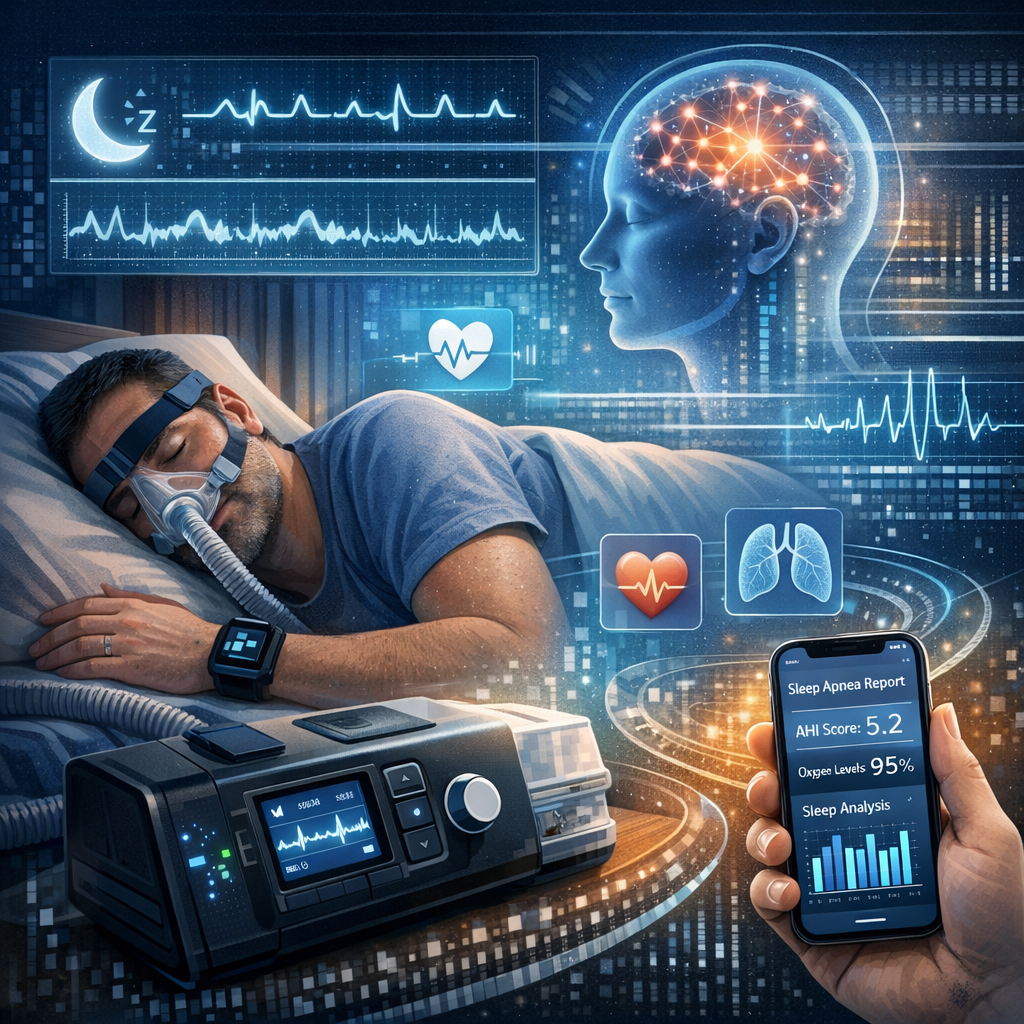
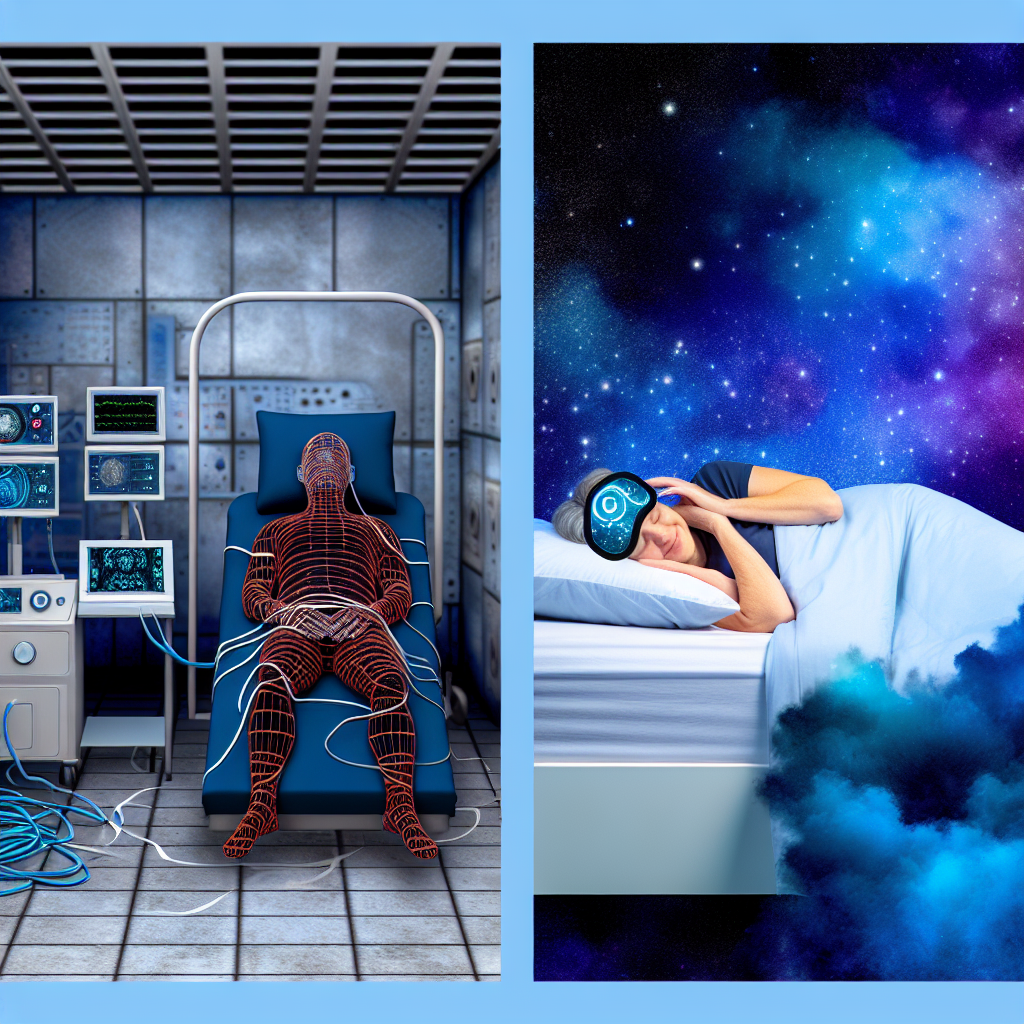
Traditionally, sleep disorders such as **sleep apnea** have been diagnosed through **polysomnography**—a method involving numerous electrodes and sensors attached to the body. While effective, it can be cumbersome and does not easily lend itself to predictive modeling of long-term health outcomes. Enter AI-powered oxygen mapping—this innovative technique goes beyond traditional diagnostics by analyzing the fluctuations and patterns in blood **oxygen levels** during sleep. Using sophisticated **machine learning algorithms**, this method can detect anomalies with a higher degree of precision and potentially predict the risks of certain **chronic conditions** associated with disrupted sleep.
The significance of oxygen mapping lies in its ability to capture detailed snapshots of the body’s **oxygen saturation** over time. Fluctuations in oxygen levels, particularly **desaturation events**, have been linked with **oxidative stress**, a condition that exacerbates aging and the development of diseases. By harnessing advanced algorithms that analyze these oxygen patterns, researchers and clinicians can gain new insights into an individual’s sleep health, potentially offering a predictive window into their overall **longevity**.
Recent studies have illustrated the potential for AI in enhancing sleep diagnostics. For instance, research conducted at institutions like the **University of California** has shown that AI tools can discern patterns in sleep-related data that escape human observation, offering predictions about health issues that might not manifest until much later. The implications of these findings are profound—by identifying sleep disorders more accurately and earlier, we can mitigate their impacts and improve quality of life.
**Features:**
One pivotal study supporting AI’s role in sleep diagnostics is from the [Journal of Clinical Sleep Medicine](https://jcsm.aasm.org/), where researchers explored the efficacy of machine learning algorithms in detecting **obstructive sleep apnea**. The study discovered that AI could match traditional methods in accuracy while offering faster and less intrusive diagnostics. This capability is invaluable for proactively managing sleep health and mitigating related risks.
Additionally, a pioneering project conducted by the medical technology company [ResMed](https://www.resmed.com/) revealed AI’s powerful predictive abilities. Its algorithms were trained to analyze large datasets from patients with various sleep disorders. The results indicated not only an improvement in identifying the severity of these disorders but also suggested potential correlations with other medical conditions like **hypertension** and **diabetes**. These associations further underscore the importance of precise oxygen mapping during sleep as a tool for understanding broader health implications.
Another remarkable study by the [University of Oxford](https://www.ox.ac.uk/research) investigated the potential of oxygen saturation patterns in predicting long-term health risks. Their findings suggest that machine learning models, by evaluating nocturnal oxygen levels, can predict the likelihood of cardiovascular events with considerable accuracy. This kind of insight is transformative; it enables the possibility of preemptive healthcare strategies based on simple, non-invasive sleep tests.
Beyond its diagnostic precision, AI-powered oxygen mapping holds promise in making sleep studies more accessible. Instead of requiring cumbersome and expensive overnight lab stays, this technology paves the way for at-home diagnostic tools that can seamlessly integrate into daily life. Such advancements can democratize sleep health, making it easier for individuals to monitor and manage their conditions.
**Conclusion:**
In conclusion, AI-powered oxygen mapping represents a frontier in **sleep diagnostics** with the potential to transform our understanding of sleep health and its impact on longevity. By leveraging the predictive power of **artificial intelligence**, we can identify and address underlying sleep disorders more efficiently and accurately than ever before. The ability to non-invasively map oxygen levels during sleep and predict potential health risks signifies a profound shift towards personalized and preventative healthcare.
Future research and development in this field could unlock even more applications, ultimately leading to improved outcomes for individuals worldwide. As this technology matures, we can anticipate a world where improved sleep health translates to enhanced quality of life and longevity for countless individuals. Bridging the gap between sleep diagnostics and predictive health, **AI-powered oxygen mapping** will undoubtedly play a crucial role in shaping the future of medicine.
**Concise Summary**
AI-powered oxygen mapping is emerging as a transformative approach in **sleep diagnostics**, offering precise analysis of oxygen levels during sleep. This cutting-edge technique surpasses traditional methods like polysomnography by predicting long-term health risks associated with sleep disorders. Recent studies from renowned institutions highlight AI’s ability to identify patterns in sleep data, correlating with conditions such as **hypertension** and **diabetes**. AI enhances diagnostic precision, making sleep studies more accessible and paving the way for at-home tools. This advancement could revolutionize healthcare by bridging the gap between diagnostics and predictive medicine, ultimately improving quality of life and longevity.

Dominic E. is a passionate filmmaker navigating the exciting intersection of art and science. By day, he delves into the complexities of the human body as a full-time medical writer, meticulously translating intricate medical concepts into accessible and engaging narratives. By night, he explores the boundless realm of cinematic storytelling, crafting narratives that evoke emotion and challenge perspectives.
Film Student and Full-time Medical Writer for ContentVendor.com