Exploring Neural Pathways: How Innovative AI Models Can Revolutionize Sleep Disorder Diagnoses and Treatment
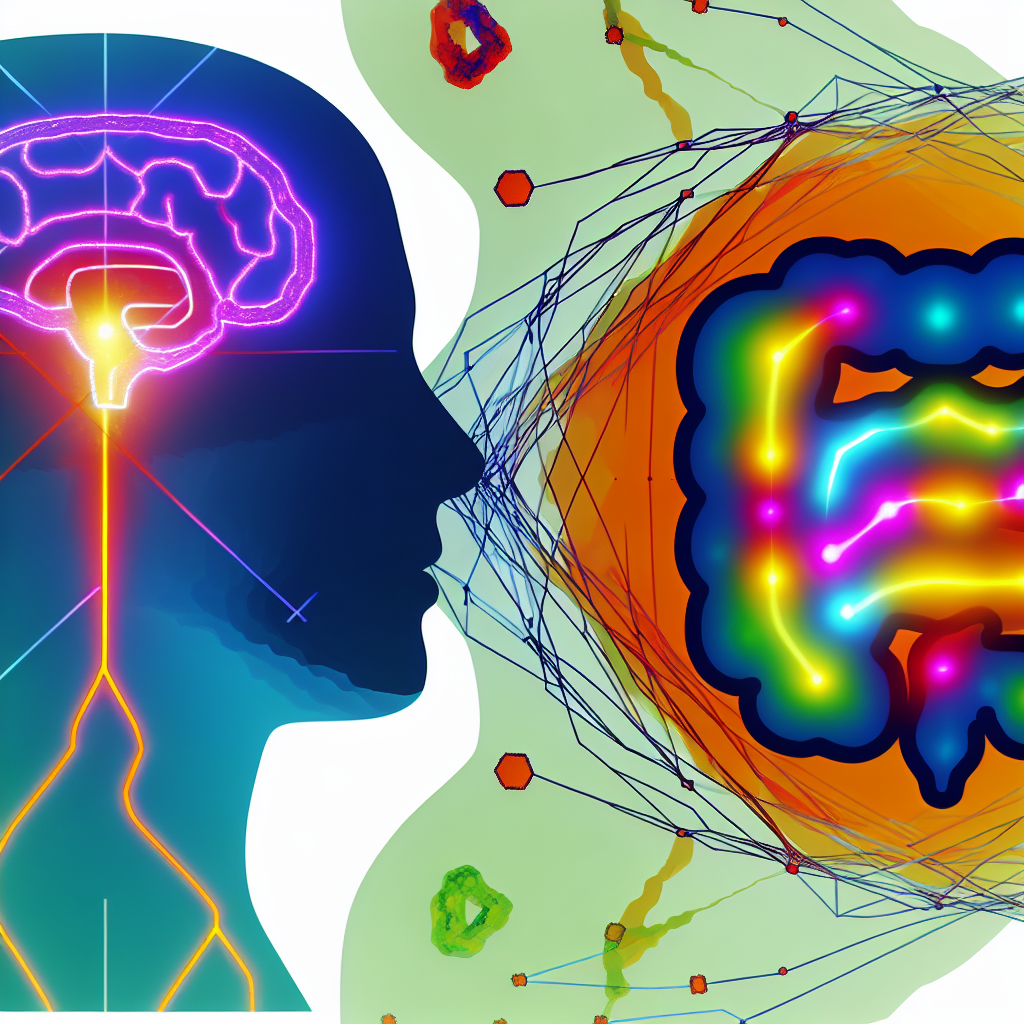
In the increasingly fast-paced world we live in, **sleep disorders** are becoming more prevalent, affecting millions of people across different age groups. These disorders range from **insomnia** and **sleep apnea** to more complex conditions like **narcolepsy** and **restless leg syndrome**. Proper diagnosis and treatment are often challenging due to the intricacies of sleep processes and individual differences. However, recent advancements in **artificial intelligence (AI)** have the potential to revolutionize how we understand and treat sleep disorders. By leveraging **AI models**, medical professionals can develop a deeper insight into the **neural pathways** associated with sleep, leading to more precise diagnoses and personalized treatment plans.
AI models, particularly **machine learning algorithms**, can analyze vast amounts of data far beyond human capability. In **sleep medicine**, these AI systems can be used to assess **sleep patterns** captured from **polysomnography** and other diagnostic tools. The goal is to identify abnormalities that signify specific disorders. Furthermore, AI has proven its worth in **genomic analysis**, where it can identify genetic markers linked to various sleep disorders, contributing to earlier diagnosis and intervention.
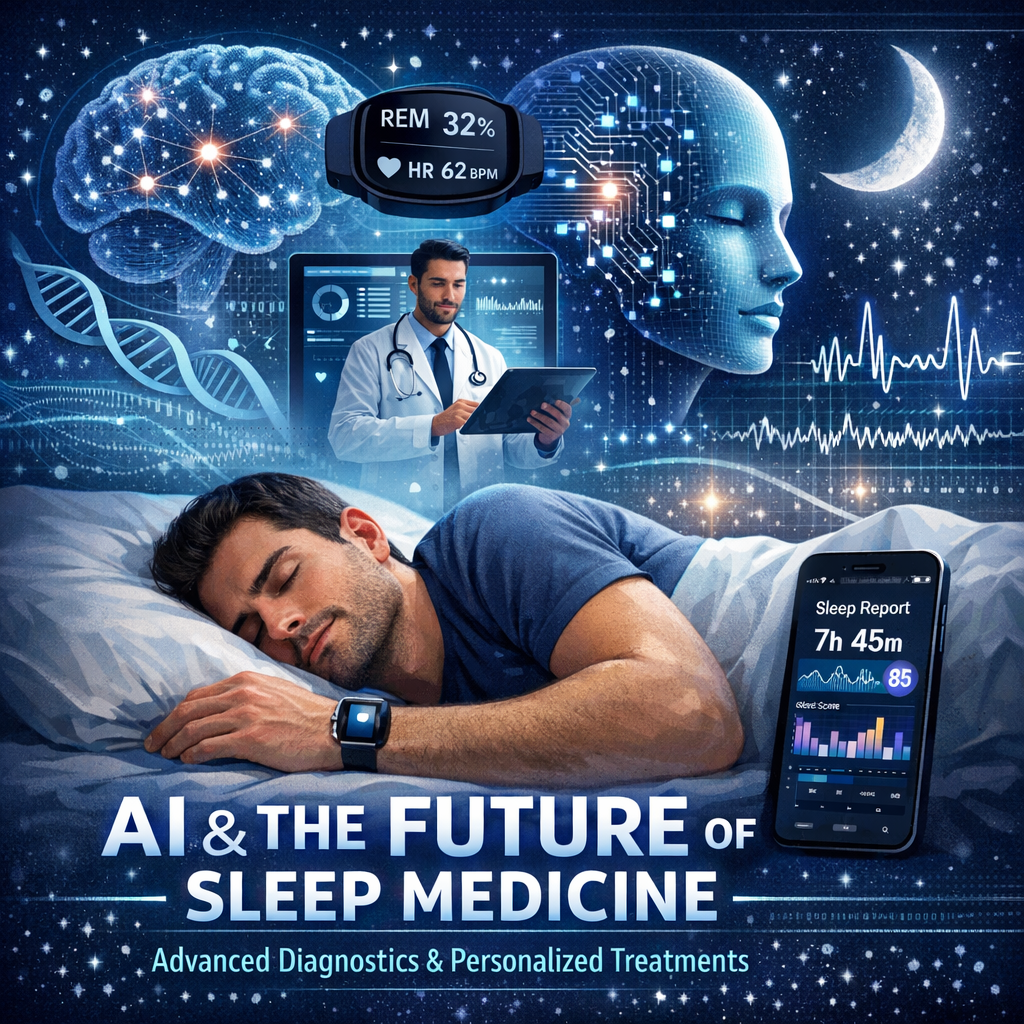
In addition to diagnosis, AI is making strides in treatment innovation. **AI-driven applications** are being developed to provide real-time feedback and therapy adjustments, often using data from **wearable devices**. These applications tailor treatment plans to the individual’s needs, optimizing interventions for better sleep outcomes. AI also enables the analysis of treatment efficacy over time, ensuring continuous improvement and customization of therapeutic strategies.
As we delve deeper into the possibilities AI offers in sleep health, bridging the gap between neurobiological research and practical application becomes essential. It’s about leveraging technology to not only understand the biological intricacies of sleep but also to transform this understanding into actionable and effective treatment options. These advancements could signify a paradigm shift in sleep medicine, offering new hope to those suffering in silence from debilitating sleep disorders. By exploring neural pathways through AI, we stand on the brink of revolutionizing both the diagnostics and treatment landscapes, ultimately improving the quality of life for many individuals around the globe.
Features of AI in Sleep Disorder Diagnosis and Treatment
Recent professional and medical studies highlight the impact AI can have on sleep disorder diagnostics and treatment. One notable area is the application of **deep learning algorithms** in analyzing polysomnographic data. A study published in *Nature Communications* demonstrated that AI could surpass human experts in identifying specific sleep stages and abnormalities within massive datasets [Nature Communications](https://www.nature.com). This capability stems from AI’s proficiency in recognizing patterns and anomalies within complex data, providing a level of precision unattainable by traditional methods.
Additionally, AI models trained on large datasets from sleep studies have shown promise in predicting sleep health outcomes. Research conducted by the **University of Stanford’s Center for Sleep Sciences** revealed that AI algorithms could predict the recurrence of sleep apnea episodes based on initial diagnostic tests with high accuracy [Stanford Sleep Sciences](https://sleep.stanford.edu). This predictive ability allows for proactive treatment adjustments and better long-term management of sleep disorders.
AI’s role in treatment is equally promising. **Personalized treatment plans** are a significant area of focus, with companies developing AI-driven applications that provide **cognitive behavioral therapy for insomnia (CBT-I)**. A study from the *Journal of Clinical Sleep Medicine* highlighted the success of these virtual therapists in enhancing sleep outcomes [JCSM](https://jcsm.aasm.org). The adaptability of AI to monitor users’ progress and adjust therapeutic approaches in real-time presents a significant advancement in personalized medicine.
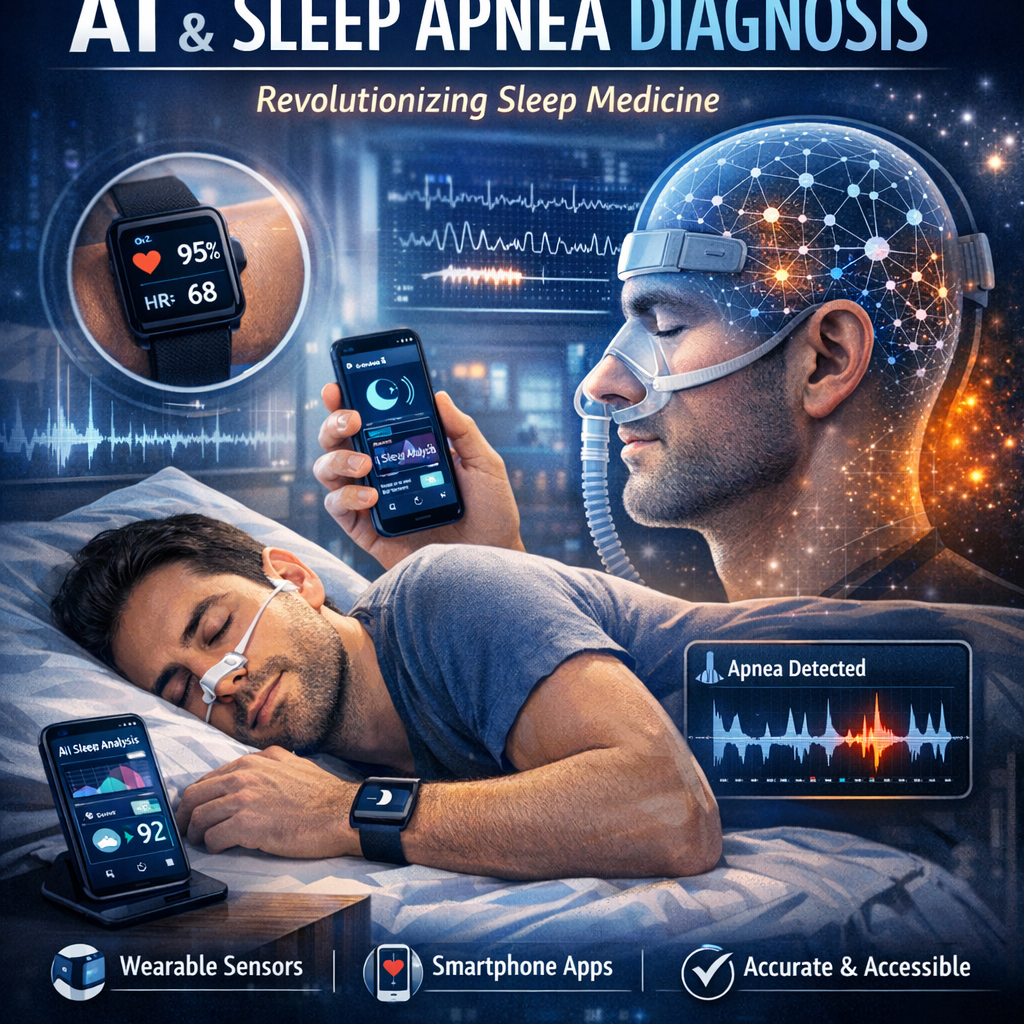
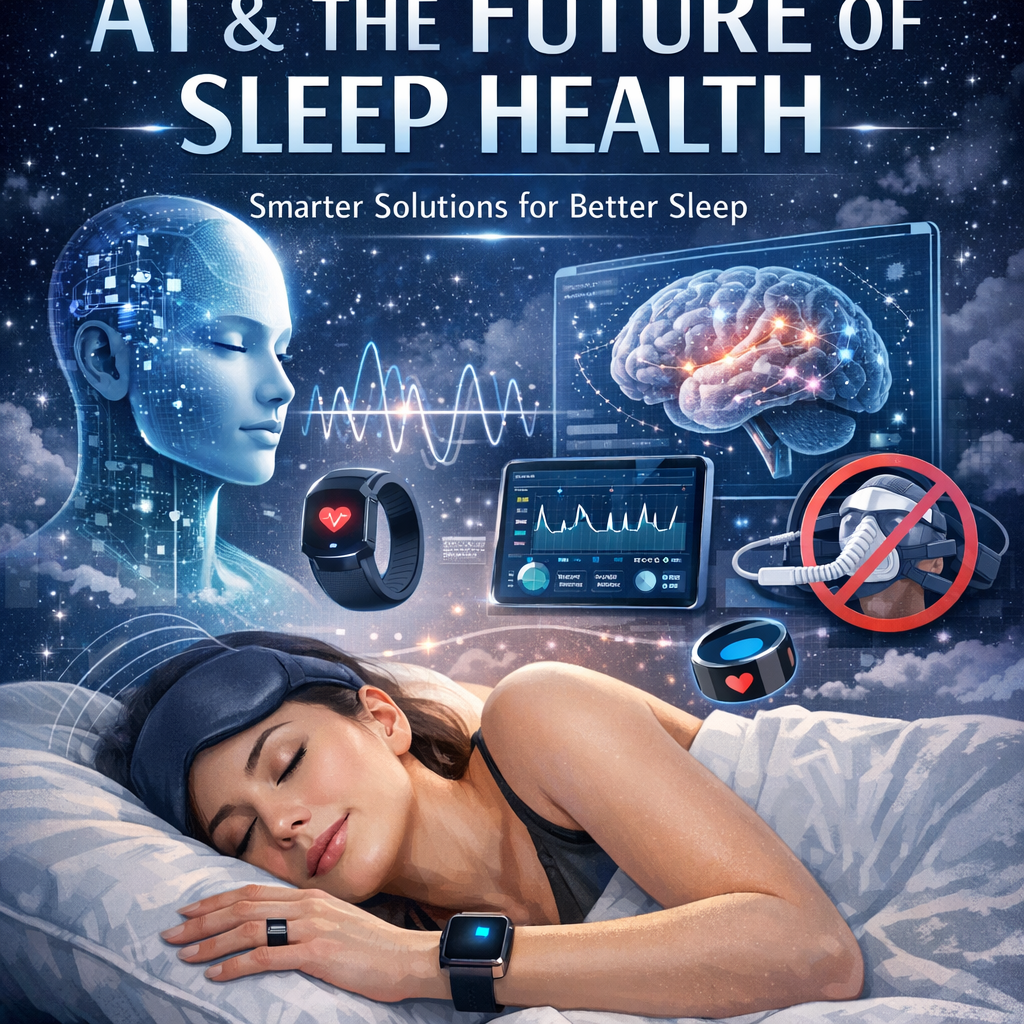
Moreover, **wearable technology** integrated with AI offers a non-invasive means of monitoring sleep patterns continuously. Devices like **smartwatches** and **fitness trackers** equipped with AI can provide a comprehensive overview of sleep quality and duration, helping identify patterns that may indicate a disorder. The analysis of these continuous data streams enables the optimization of treatment modalities, fine-tuning them to the user’s lifestyle and sleep behaviors, something that was scarcely possible before the advent of AI.
As research continues to evolve, the integration of AI into **genomics**, **neuroimaging**, and wearable tech holds the potential to produce a highly detail-oriented map of sleep health. This synergy stands to transform the future of sleep disorder treatment, paving the way for more efficient and accessible healthcare solutions.
Conclusion
In conclusion, the integration of innovative **AI models** into the field of sleep medicine offers transformative potential in diagnosing and treating sleep disorders. By precisely analyzing complex datasets and providing personalized therapy options, AI stands to overcome many traditional barriers in sleep disorder management. As research in this discipline continues to advance, we can expect further breakthroughs that will refine our understanding of sleep’s neural pathways and their disruption in disorders. These advancements herald a new era of personalized and precision medicine in sleep health, underscoring the promise of AI in delivering effective solutions tailored to individual patients’ needs.
Through the exploration of neural pathways guided by AI, the future of sleep medicine seems poised for a significant shift. By embracing these technological changes, healthcare providers can better address the mounting challenges presented by sleep disorders, ultimately enhancing the quality of life for countless individuals worldwide. As the field progresses, continuous collaboration between AI specialists, medical professionals, and researchers will be essential in realizing the full potential of AI-driven sleep disorder diagnostics and therapeutics.
**Concise Summary:**
Advancements in **artificial intelligence (AI)** are transforming the diagnosis and treatment of **sleep disorders** like insomnia and sleep apnea. AI models can analyze extensive **sleep pattern** data from tools like polysomnography to identify disorders with precision. AI predicts sleep health outcomes and customizes treatments using data from wearable devices, aligning therapy to personal needs. Integrating AI with genomics and neuroimaging could revolutionize sleep health, aiding early diagnosis and enhancing therapy. This growing field promises a new era in sleep medicine, emphasizing AI’s potential in enabling precise, personalized healthcare solutions.

Dominic E. is a passionate filmmaker navigating the exciting intersection of art and science. By day, he delves into the complexities of the human body as a full-time medical writer, meticulously translating intricate medical concepts into accessible and engaging narratives. By night, he explores the boundless realm of cinematic storytelling, crafting narratives that evoke emotion and challenge perspectives.
Film Student and Full-time Medical Writer for ContentVendor.com