Is Sleep Culture Killing Your Health? A New Medical View on Sleep Discipline
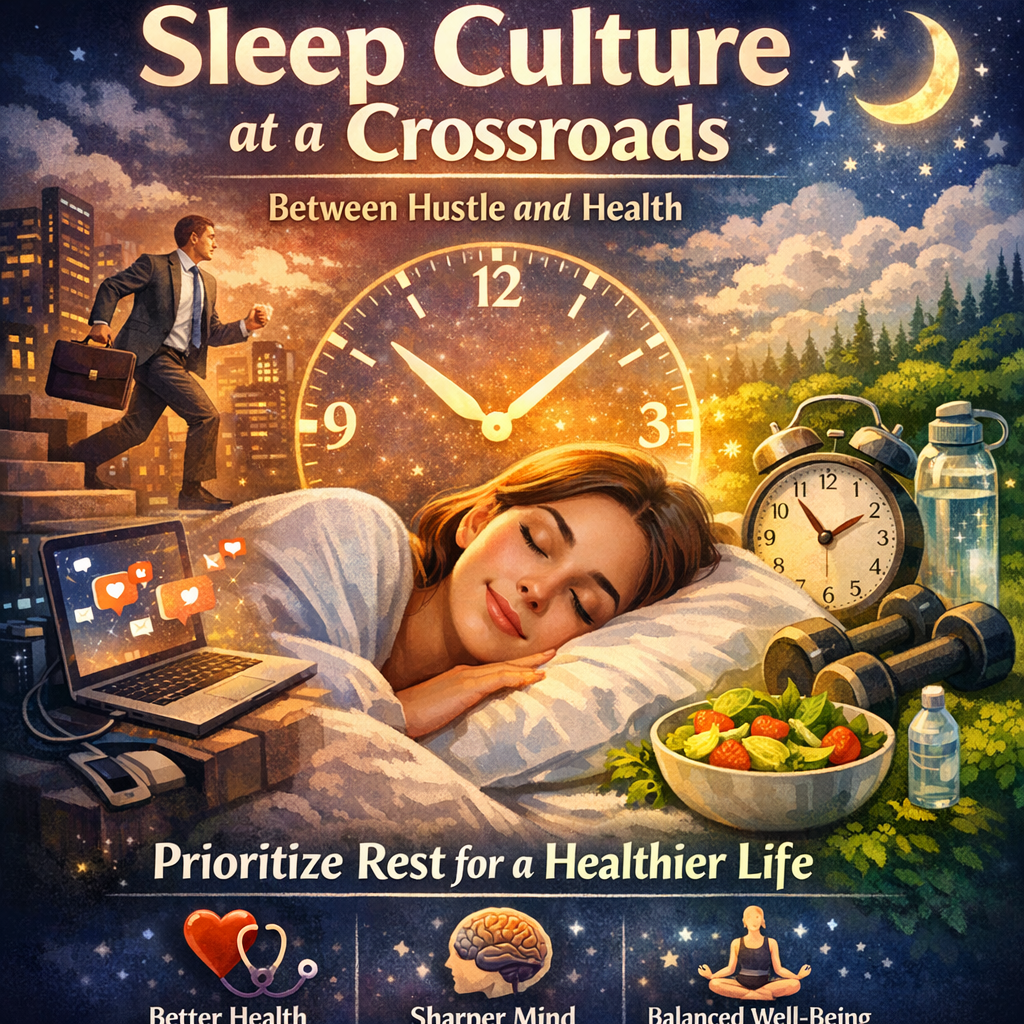
In recent decades, the broader **cultural attitudes towards sleep** have morphed significantly, with both positive and negative ramifications. The concept of “**sleep culture**” encapsulates how societal norms and values shape our sleep habits, and currently, this culture appears to be at a crossroads. On one hand, the rise of awareness around **sleep health**—supported by **sleep trackers**, apps, and a myriad of studies promoting the virtues of restful sleep—primarily preaches the undeniable benefits of a **good night’s sleep**. On the other hand, modern life pressures, technological distractions, and a perpetual cycle of **hustle culture** have palpably degraded the quality and quantity of sleep that many individuals achieve. The balance between promoting healthy sleep and succumbing to deleterious sleep-related behaviors poses an essential question: is our contemporary sleep culture, with its inherent contradictions, undermining our health?
Historically, sleep was viewed as a natural and unchangeable aspect of human existence, influenced only by natural light cycles. However, the last century has witnessed a radical departure. With the infiltration of **electric light** and screen time into our daily lives, bedtime has been consistently postponed, encroaching on our traditional sleep schedules. Modern mantras such as “I’ll sleep when I’m dead” reflect and perpetuate a cultural undervaluation of sleep, positing it as secondary to productivity and achievement. However, scientists and health professionals are increasingly advocating for a disciplined approach to sleep, equivalent to **exercise** and **diet**, as essential to holistic health.
Sleep discipline encompasses intentionally prioritizing sleep, regulating sleep environments, and adhering to consistent sleep-wake patterns. The shifting attitude towards **sleep discipline** is spearheaded by professionals who emphasize the wide-ranging implications of sleep on physical, emotional, and cognitive health. Inadequate sleep is linked to an increased risk of chronic conditions, including **obesity**, **heart disease**, **depression**, and weakened **immune responses**. Moreover, sleep deprivation has been shown to impair cognitive function and emotional regulation, further underscoring its importance.
Medical studies substantiate these claims, positing that disciplined sleep patterns can considerably improve health outcomes. The [Sleep Health Foundation](https://www.sleephealthfoundation.org.au/how-much-sleep-do-you-really-need.html) recommends that adults aim for 7-9 hours of uninterrupted sleep per night, stressing consistency in sleep and wake-up times to establish a stable **circadian rhythm**. A pioneering study conducted by the [University of California, Berkeley](https://www.berkeley.edu/news/media/releases/2009/02/10_sleepstudy.shtml) linked poor sleep patterns to diminished academic and professional performance, affirming that the detriments of neglecting sleep extend beyond immediate health but infiltrate almost all facets of life.
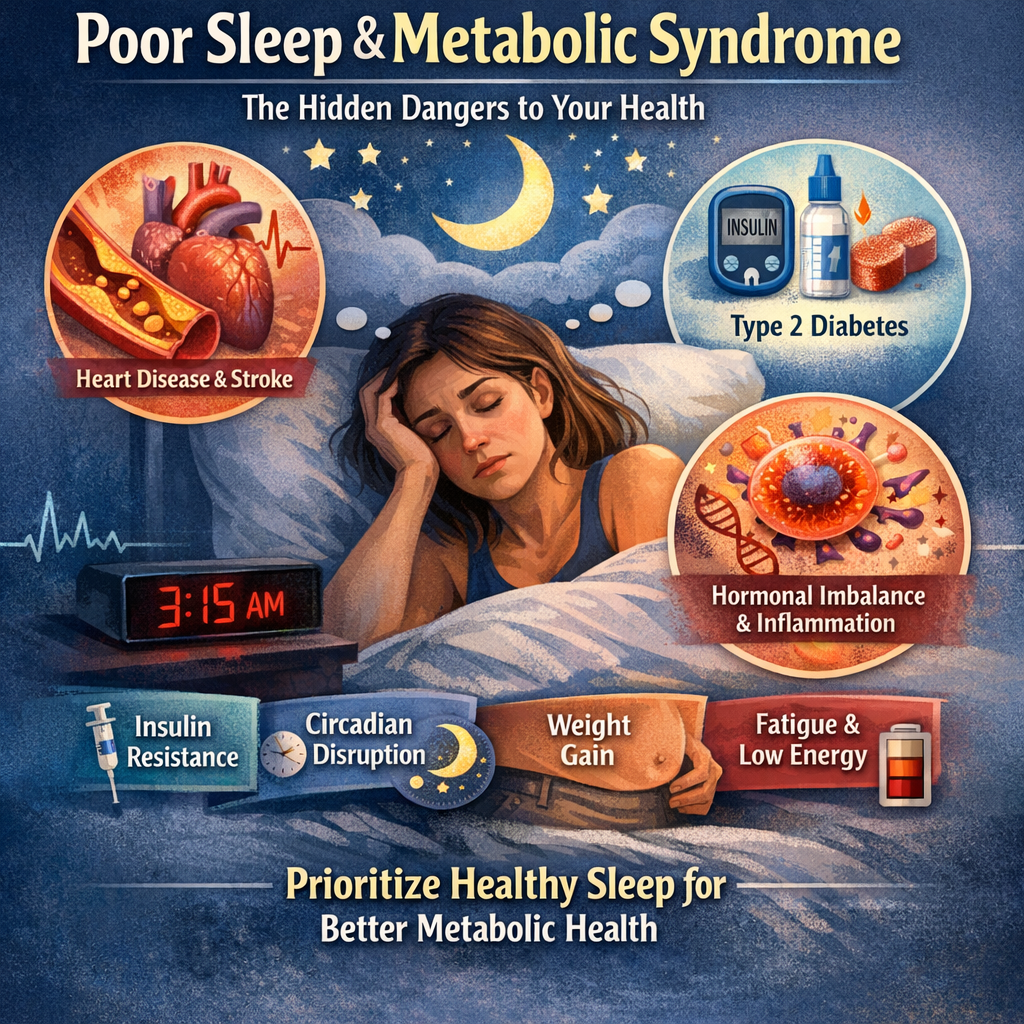
Recent professional studies have expanded our understanding of sleep health and its profound influences. A landmark study published in the journal “[Sleep](https://academic.oup.com/sleep)” investigated the repercussions of erratic sleep patterns, concluding that irregular sleep schedules correlate with heightened rates of **cardiovascular** conditions and **metabolic issues**. This research emphasizes the profound effect of sleep timing and regularity on physiological processes.
Moreover, a comprehensive investigation by [Harvard Medical School](https://www.health.harvard.edu/press_releases/importance_of_sleep_and_brain_function) highlighted the cognitive detriments associated with sleep inertia and deprivation. This study brought to light how sleep restriction compromises reaction times, decision-making, and overall **cognitive performance**. Equally important, it reveals that chronic sleep deprivation can lead to sustained cognitive decline, demonstrating the non-negligible role sleep discipline plays in mental acuity.
Perhaps most compelling is a study from the [Journal of Clinical Sleep Medicine](https://jcsm.aasm.org) which found that improved **sleep hygiene** directly correlates with better mental health outcomes. Purposely cultivating an environment conducive to sleep—encompassing factors like ambient temperature, noise levels, and light exposure—was shown to enhance both sleep quality and mental health indicators, such as reduced anxiety and depressive symptoms.
Ultimately, embracing a culture of sleep discipline is not just about logging adequate hours; it’s about fostering a nuanced understanding of sleep’s integral role in maintaining holistic health. Practicing good sleep hygiene, including establishing a regular sleep schedule, creating a restful environment, and avoiding stimulants close to bedtime, are all advisable strategies for optimal health. Importantly, this holistic approach encourages society to redefine its sleep narrative—one where sleep is not a luxury, but a foundational pillar of a healthy lifestyle.
In conclusion, while certain aspects of contemporary sleep culture may indeed pose threats to overall health, a collective shift towards disciplined, health-centered sleep practices holds the potential to mitigate these dangers. By understanding and leveraging the profound impact of sleep on physical, mental, and emotional health, individuals and societies can enhance their well-being. The evidence is clear: disciplined sleep should claim its rightful place in the triumvirate of health priorities, alongside diet and exercise. While undeniably challenging for a culture that glorifies constant busyness, prioritizing sleep promises tangible benefits that are too compelling to ignore.
**Concise Summary**
Contemporary sleep culture, influenced by technology and societal pressures, threatens health by undermining sleep quality and quantity. Studies assert that disciplined sleep—consisting of regular schedules, conducive environments, and adequate hours—improves physical and mental health outcomes. Prioritizing **sleep discipline** affords benefits akin to those from diet and exercise, influencing overall well-being. Encouraging a shift from seeing sleep as a luxury to a health necessity can mitigate the adverse impacts of modern life and enhance productivity, cognitive performance, and emotional stability. Embracing healthy sleep habits, despite societal glorification of busyness, is essential for holistic health.

Dominic E. is a passionate filmmaker navigating the exciting intersection of art and science. By day, he delves into the complexities of the human body as a full-time medical writer, meticulously translating intricate medical concepts into accessible and engaging narratives. By night, he explores the boundless realm of cinematic storytelling, crafting narratives that evoke emotion and challenge perspectives.
Film Student and Full-time Medical Writer for ContentVendor.com