Sleep Apnea: The Silent Pandemic Threatening Your Brain Health and What You Can Do About It
Introduction:
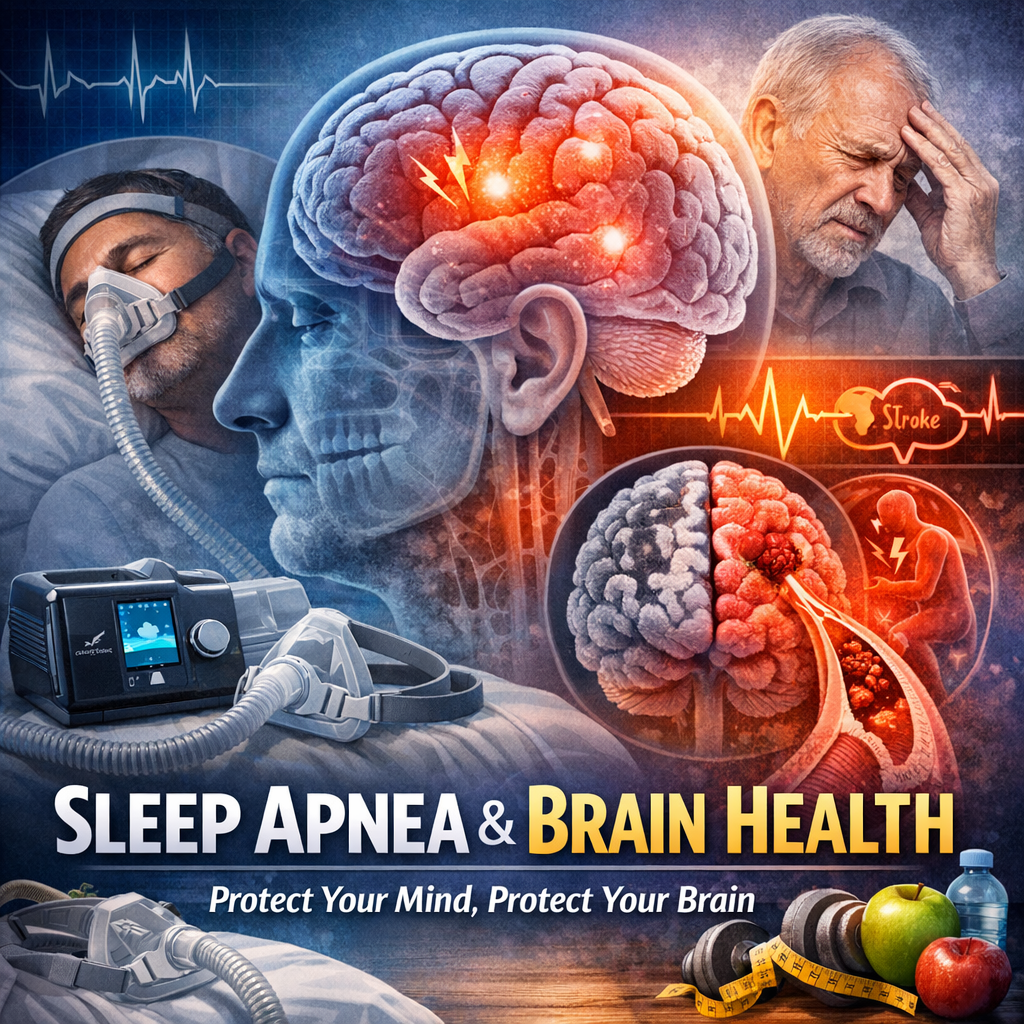
**Sleep apnea** is a widespread **sleep disorder** often going undiagnosed. Characterized by repeated interruptions in breathing during sleep, it significantly impacts overall well-being. While associated with loud snoring and restless nights, its more insidious effects harm **brain health**, making it crucial to address this “silent pandemic.”
**Obstructive sleep apnea (OSA)** occurs when throat muscles intermittently relax, causing airway blockage. Conversely, **central sleep apnea** originates in the brain when it fails to send proper signals to the breathing muscles. Mixed sleep apnea is a combination of both types.
Sleep apnea’s repercussions extend beyond disturbed sleep. Repeated interruptions in oxygen supply to the brain can lead to **cognitive decline**, memory lapses, and increased risk of conditions like **Alzheimer’s disease**. A study published in [Neurology](https://n.neurology.org/) highlights a correlation between sleep apnea and decreased gray matter in brain regions responsible for cognitive functions. No age group is immune to these effects.
Widely underdiagnosed, sleep apnea affects an estimated 22 million Americans, with 80% of moderate and severe OSA cases undetected. Understanding sleep apnea’s risks is critical to safeguarding your **cognitive health**.
Features:
Research underscores sleep apnea’s impact on brain health. The [American Academy of Sleep Medicine](https://aasm.org) found untreated individuals exhibited significant cognitive deficits compared to those without the disorder. Functions such as attention, episodic memory, and executive functioning were notably impaired.
Advanced imaging at the University of California, Los Angeles, showed sleep apnea patients had reduced brain gray matter volume, particularly in areas associated with cognition. This underscores the degenerative effect of chronic oxygen deprivation on the brain.
Sleep apnea also affects the brain’s vascular system. Research published in [The Lancet Neurology](https://thelancet.com/neurology) indicated intermittent hypoxia and sleep fragmentation led to altered blood flow dynamics, increasing the risk of stroke and other cerebrovascular diseases.
Public health initiatives emphasize broader screening measures in high-risk populations, such as older adults and those overweight. Continuous Positive Airway Pressure (CPAP) therapy, lifestyle modifications involving weight management, and specialized dental appliances are essential management strategies, as highlighted by the [Journal of Clinical Sleep Medicine](https://jcsm.aasm.org).
Conclusion:
Sleep apnea isn’t merely a nighttime nuisance; it’s a serious condition with profound implications for brain health. The repeated interruptions in breathing deplete oxygen, potentially causing lasting cognitive damage, increased stroke risk, and a significant reduction in life quality. Prioritizing timely diagnosis and treatment is vital.
Lifestyle changes, structured CPAP therapy, and personalized healthcare management can significantly mitigate the disorder’s impact. Raising awareness and encouraging proactive health screenings are crucial to addressing this silent pandemic. By taking sleep apnea seriously and working together, we can ensure a healthier, brain-conscious future for all.
Concise Summary
Sleep apnea is a common yet underdiagnosed sleep disorder characterized by breathing interruptions during sleep, profoundly impacting brain health. Associated risks include cognitive decline and increased stroke risk, emphasizing the need for timely diagnosis and management. Treatment includes CPAP therapy and lifestyle changes. Public health efforts focus on raising awareness and promoting screenings to mitigate these risks and improve quality of life. By understanding and addressing sleep apnea, we can protect cognitive health and ensure a healthier future across age groups.

Dominic E. is a passionate filmmaker navigating the exciting intersection of art and science. By day, he delves into the complexities of the human body as a full-time medical writer, meticulously translating intricate medical concepts into accessible and engaging narratives. By night, he explores the boundless realm of cinematic storytelling, crafting narratives that evoke emotion and challenge perspectives.
Film Student and Full-time Medical Writer for ContentVendor.com