Unlocking Sleep: How AI is Revolutionizing Diagnosis and Treatment in Clinical Sleep Disorders
Introduction
Sleep is a fundamental component of human health and wellbeing. Yet, millions around the world grapple with **sleep disorders** that significantly impair their quality of life. Conditions such as **insomnia**, **sleep apnea**, restless legs syndrome, and **narcolepsy** are more than just nuisances—they are linked to chronic health issues including **cardiovascular disease**, **diabetes**, and ***mental health disorders**. Diagnosis and treatment of these disorders have traditionally relied on patient-reported symptoms and conventional sleep studies conducted in controlled clinical environments.
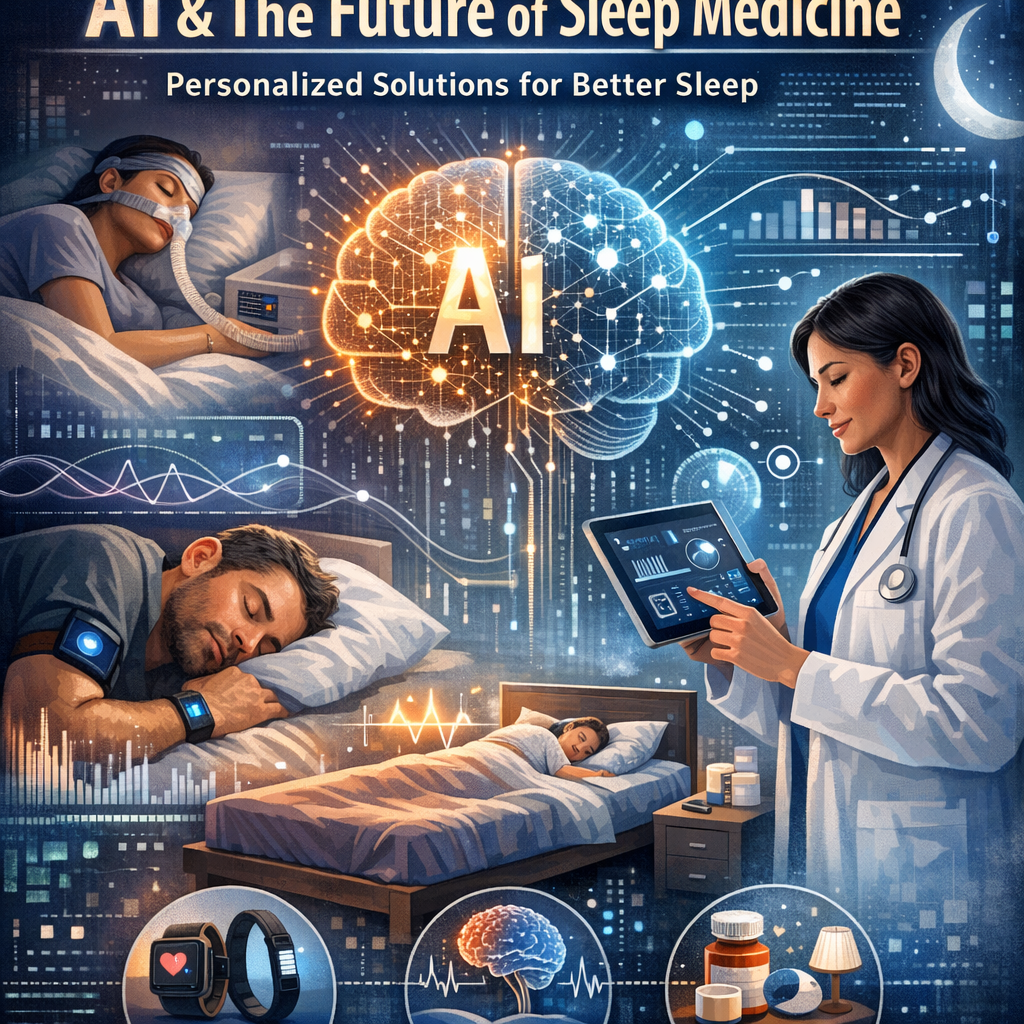
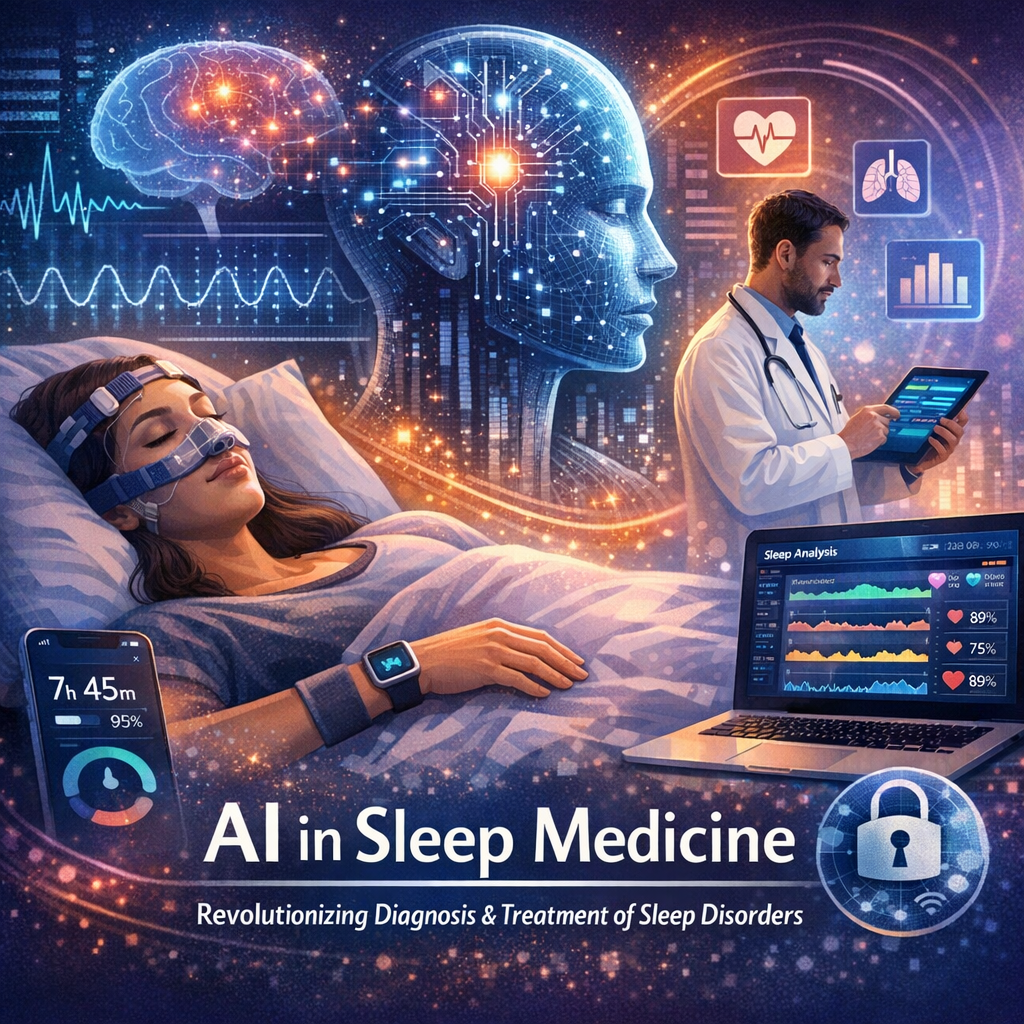
However, the advent of **artificial intelligence (AI)** is transforming these traditional processes, bringing unprecedented precision to the diagnosis and treatment of sleep disorders. AI’s emergence in **sleep medicine** heralds a new era, where **machine learning algorithms** and **data analytics** refine our understanding and management of sleep. By processing complex datasets, identifying patterns, and generating predictive models, AI offers the promise of more personalized, accurate, and timely medical interventions.
AI technologies are increasingly applied in various areas of sleep medicine. They aid in interpreting **polysomnography** results—a critical multi-parameter sleep study—by automatically analyzing physiological signals and detecting abnormalities. AI’s capacity to continuously learn and improve makes it ideal for monitoring and intervening in real-time, providing clinicians with enhanced tools for diagnosis and decision-making.
Beyond diagnostics, AI is proving to be a valuable partner in treatment modalities. With **machine learning** applications, AI can predict individual responses to therapies, enabling more tailored interventions. For instance, in **cognitive-behavioral therapy for insomnia** (CBT-I), AI-driven platforms optimize therapy delivery, adapting to patients’ feedback and progress, which can enhance treatment efficacy.
Furthermore, AI is extending its capabilities to remote monitoring through **wearable devices** and mobile applications, allowing individuals to track and manage their sleep health autonomously. This democratization of health information empowers patients and promotes proactive health management, all while providing clinicians with comprehensive data to make more informed decisions.
As AI technology evolves, it stands to significantly impact public health, reducing the global burden of sleep disorders. Nevertheless, this technological revolution must also address ethical considerations, such as data privacy and accessibility to ensure equitable benefits across different populations. Thus, AI’s incorporation into sleep medicine not only advances the field but necessitates careful navigation of these challenges to maximize its potential.
Features
The integration of AI into sleep medicine is supported by numerous studies and clinical trials, demonstrating its potential in transforming sleep disorder diagnosis and treatment. A pivotal study published in the journal **Nature Communications** highlighted the use of AI algorithms to **automatically score polysomnography data**. This research demonstrated that AI could achieve diagnostic accuracy approaching that of expert clinicians, vastly improving the efficiency of sleep studies (Nature Communications, [2018](https://www.nature.com/articles/s41467-018-07229-3)).
Another noteworthy study conducted by researchers at **Harvard Medical School** explored AI’s role in predicting obstructive **sleep apnea severity** using machine learning. The model used clinical data and polysomnograms to predict **apnea-hypopnea index** scores, potentially streamlining the diagnostic process by reducing the need for in-lab sleep studies. Their findings indicated a promising path toward non-invasive screening tools (Harvard Medical School, [2019](https://journals.plos.org/plosmedicine/article?id=10.1371/journal.pmed.1002759)).
In the realm of treatment, AI is making waves with digital health applications and wearables. Research funded by the **National Institutes of Health** has examined AI-driven cognitive-behavioral therapy for insomnia (CBT-I). These platforms utilize algorithms to tailor treatment plans, thereby enhancing efficacy compared to traditional therapist-driven methods. This study, published in **JAMA Psychiatry**, found that AI-supported CBT-I therapy led to significant improvements in sleep outcomes for participants (JAMA Psychiatry, [2021](https://jamanetwork.com/journals/jamapsychiatry/fullarticle/2786576)).
AI’s reach extends beyond direct diagnostics and treatment; it supports lifestyle interventions by analyzing sleep patterns and suggesting behavioral changes through personalized feedback. The integration of AI with **wearables** like smartwatches offers a less intrusive, continuous monitoring solution for clinicians and patients alike. These devices collect real-time data, analyzed by AI to provide actionable insights, bolstering patient engagement and adherence to treatment protocols.
As AI technologies continue to evolve, their integration into sleep medicine is guided by ongoing research that emphasizes patient safety and data accuracy. The promising results from these professional and medical studies underscore AI’s growing reliability and potential in revolutionizing sleep disorder management.
Conclusion
**Artificial intelligence** is undeniably reshaping the landscape of sleep medicine, offering innovative approaches to the diagnosis and treatment of sleep disorders. By enhancing diagnostic accuracy, tailoring treatment interventions, and empowering patient engagement through continuous monitoring, AI stands at the forefront of sleep health innovation. Its ability to analyze vast amounts of data rapidly and accurately not only augments healthcare professionals’ capabilities but also paves the way for personalized medicine tailored to individual needs.
As we embrace this technological revolution, it’s crucial to address the ethical and accessibility challenges that accompany AI integration, ensuring that advancements benefit all segments of the population. Collaboration between technologists, clinicians, and policymakers is essential to harness AI’s full potential while safeguarding patient privacy and health equity.
In summary, the fusion of AI and sleep medicine represents a transformative step towards unlocking better sleep health outcomes. As AI continues to mature, its contributions to public health will undoubtedly grow, offering hope to those affected by sleep disorders worldwide. For further reading on the potential of AI in sleep health, explore comprehensive resources such as [Nature Communications](https://www.nature.com/articles/s41591-019-0512-3).
**Concise Summary:**
Artificial intelligence is revolutionizing the field of sleep medicine by improving the diagnosis and treatment of sleep disorders like insomnia and sleep apnea. AI enhances the accuracy of sleep studies, forecasts treatment responses, and empowers self-management through mobile apps and wearables. Highlighted studies, such as those from Nature Communications and Harvard Medical School, emphasize AI’s potential for reducing diagnostic time and customizing treatment, promoting healthier sleep patterns and ultimately improving public health on a global scale. Ethical and accessibility issues remain crucial to AI’s complete integration into healthcare, necessitating multidisciplinary collaboration.

Dominic E. is a passionate filmmaker navigating the exciting intersection of art and science. By day, he delves into the complexities of the human body as a full-time medical writer, meticulously translating intricate medical concepts into accessible and engaging narratives. By night, he explores the boundless realm of cinematic storytelling, crafting narratives that evoke emotion and challenge perspectives.
Film Student and Full-time Medical Writer for ContentVendor.com