Unlocking the Sleep Code: How AI and Genomics Are Revolutionizing Sleep Apnea Diagnosis
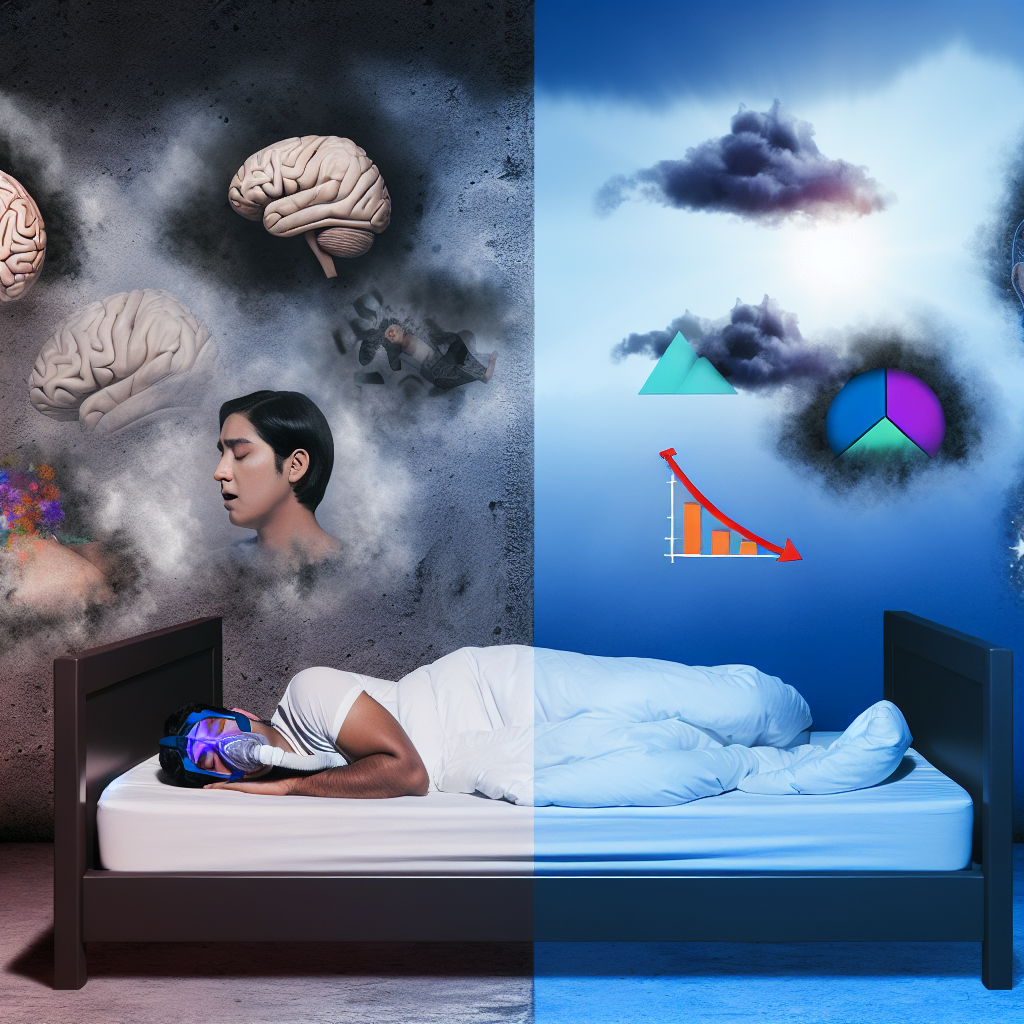
**Sleep** is a fundamental pillar of health, yet millions worldwide suffer from **sleep disorders**, impairing their quality of life. Of these disorders, **obstructive sleep apnea (OSA)** is notably prevalent, affecting an estimated 1 in 5 adults to varying degrees. OSA involves repeated interruptions in breathing during sleep, leading to restless nights and detrimental health effects. Fortunately, advancements in **technology** and **science** are providing new avenues for diagnosing and managing OSA. Specifically, the fields of **artificial intelligence (AI)** and **genomics** are making groundbreaking contributions that promise to transform how we understand and address this condition.
Sleep apnea’s traditional diagnosis primarily involves overnight **polysomnography**, a comprehensive recording of biophysiological changes during sleep. While effective, this method is costly and often inaccessible. Here, **AI** enters the scene with the potential to revolutionize diagnosis and treatment personalization.
AI and Sleep Apnea
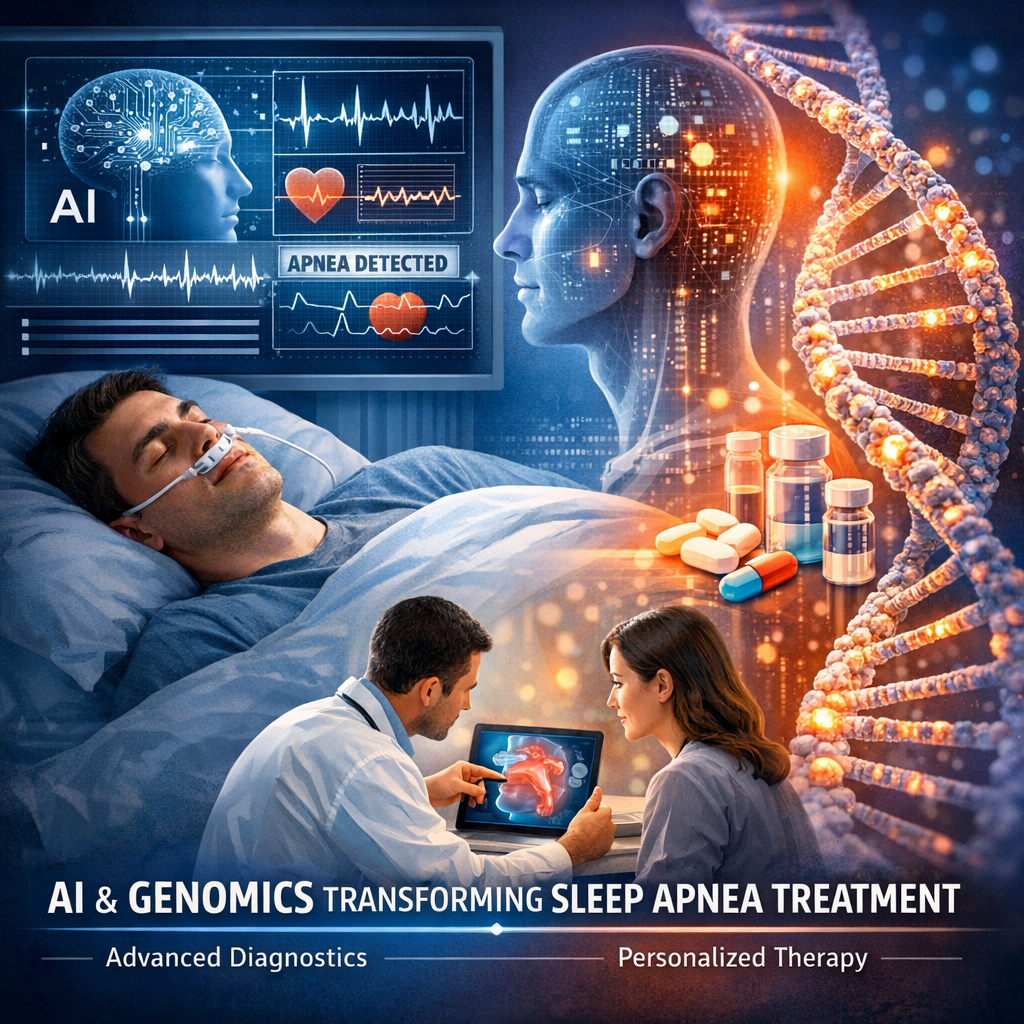
AI-driven solutions, particularly **machine learning algorithms**, are increasingly being utilized in sleep medicine. These intelligent systems can analyze vast quantities of sleep data with precision and speed unattainable by traditional methods. By parsing through patterns in respiratory, cardiac, and neurological data, AI can assist in identifying **apnea events** and predicting risk profiles for patients. This technology holds the promise of making sleep studies more accessible, portable, and affordable.
Genomics and Personalized Medicine
Parallel to AI, **genomic research** is delving into the hereditary elements of OSA, offering insights into why some individuals are more predisposed to the condition than others. The Human Genome Project has catalyzed our understanding of genetic markers associated with sleep apnea. Researchers are identifying specific genes that affect airway structure, muscle tone, and respiratory control, essential for developing personalized treatment strategies.
Together, AI and genomics do not just promise improvements in diagnosing sleep apnea; they herald a new era of **precision medicine**. By integrating digital technology and genetic information, healthcare providers can develop targeted interventions tailored to an individual’s biological profile, improving patient outcomes and quality of life.
Recent Studies and Developments
Recent studies underscore the revolutionary impact of AI in diagnosing and managing sleep apnea. A 2017 study in the *Journal of Clinical Sleep Medicine* demonstrated how machine learning algorithms could effectively screen for sleep apnea using data from wearable devices, such as pulse oximeters and smartwatches. These algorithms showcased a high degree of accuracy, indicating their potential as a convenient and non-invasive diagnostic tool ([source](https://jcsm.aasm.org/doi/full/10.5664/jcsm.6228)).
Another crucial development is AI’s role in **predictive modeling**. By utilizing vast datasets, AI can recognize patterns indicative of sleep apnea risk factors, aiding clinicians in earlier detection and intervention. A study featured in *Nature* explored AI’s capability to predict health outcomes, including those related to sleep disorders ([source](https://www.nature.com/articles/s41591-019-0368-7)).
The study of genes associated with sleep apnea is also progressing significantly. A 2020 research paper in *Chest* discussed genome-wide association studies (GWAS) identifying multiple genetic variants linked to sleep apnea, highlighting the role of genetics in bespoke therapy development ([source](https://journal.chestnet.org/article/S0012-3692(20)32781-X/fulltext)).
Furthermore, collaborations between **AI** specialists and **geneticists** foster comprehensive approaches to OSA, paving the way for innovative solutions for various sleep-related disorders.
Conclusion
The convergence of **AI** and **genomics** is revolutionizing the sleep medicine landscape, offering hope for millions suffering from sleep apnea. By enhancing diagnostic accuracy and enabling personalized treatments, these advancements promise to mitigate sleep apnea’s impact on public health significantly. As technology evolves, the ambition is to create a seamless healthcare experience that is efficient, personalized, and proactive.
The future of **sleep apnea diagnosis** and treatment lies in the synthesis of cutting-edge technology and genetic research. Embracing these advances not only promises to improve patient outcomes but also elevates our understanding of **sleep health** within medical science’s broader spectrum. With continued research and innovative progress, we stand on the brink of a new era where quality sleep is achievable and accessible for all.
**References:**
– [JCSM AI Study](https://jcsm.aasm.org/doi/full/10.5664/jcsm.6228)
– [Nature AI Study](https://www.nature.com/articles/s41591-019-0368-7)
– [Chest GWAS Study](https://journal.chestnet.org/article/S0012-3692(20)32781-X/fulltext)
**Concise Summary**
Advancements in AI and genomics are transforming the diagnosis and management of obstructive sleep apnea, a prevalent sleep disorder. While traditional methods are effective but inaccessible, AI offers more accessible solutions that analyze vast sleep data to identify apnea events and predict risks. Concurrently, genomic research explores genetic predispositions to tailor personalized treatments. These innovations herald a new era of precision medicine, integrating technology and genetics to enhance patient outcomes and elevate our understanding of sleep health. Continued progress promises a future where quality sleep is more widely attainable.

Dominic E. is a passionate filmmaker navigating the exciting intersection of art and science. By day, he delves into the complexities of the human body as a full-time medical writer, meticulously translating intricate medical concepts into accessible and engaging narratives. By night, he explores the boundless realm of cinematic storytelling, crafting narratives that evoke emotion and challenge perspectives.
Film Student and Full-time Medical Writer for ContentVendor.com