Unlocking Oxygen Optimization: The Next Frontier in Sleep Health and Chronic Disease Prevention
Introduction
In the realm of human health, **sleep** is often seen as the battleground where our bodies restore and rejuvenate themselves. We tend to equate a good night’s rest with **comfort** and **peace**, but there’s a deeper layer to this nightly ritual that holds key insights into our overall well-being: **oxygen optimization**. **Oxygen** is a silent yet potent force driving numerous **physiological processes** within the body, from **energy production** to **immune function**. During sleep, the body’s **oxygen needs** are different than when we’re awake. Optimizing these needs might be the next frontier in enhancing **sleep health** and preventing **chronic diseases**.
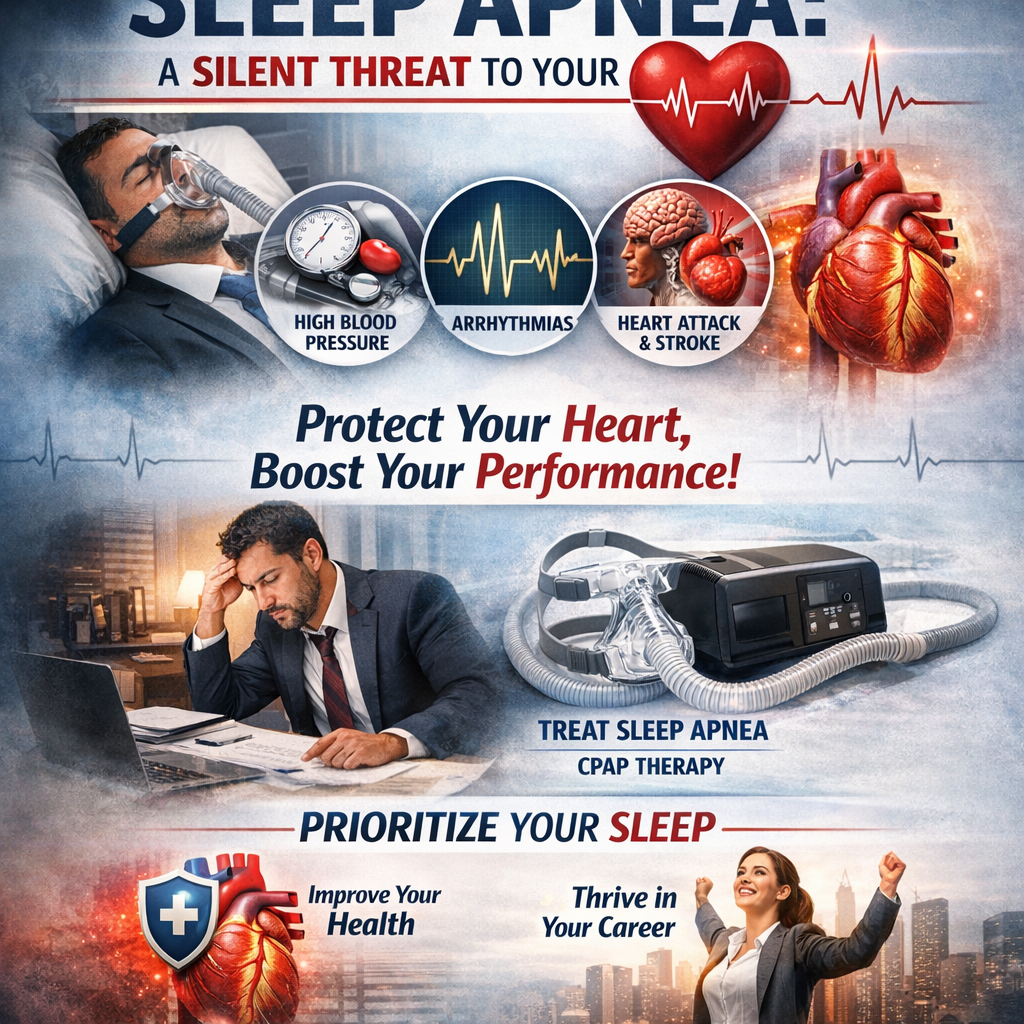
Our bedtime environments are crafted to promote relaxation: dimmed lights, cozy bedding, and a serene ambiance. However, these settings can obscure our awareness of the vital **respiratory processes** occurring while we slumber. **Sleep disorders** like **sleep apnea** disrupt oxygen intake, leading to fragmented sleep and increased risk of chronic conditions such as **cardiovascular disease**, **diabetes**, and even **cognitive decline**.
Many people remain blissfully unaware of these potential health pitfalls, often attributing daytime fatigue solely to stress or external obligations. But by the time these symptoms become apparent, the underlying oxygen-related issues may have already set the stage for more serious conditions. A pivotal piece of the health puzzle involves understanding how our nocturnal oxygen needs change with age, lifestyle, and existing health conditions. Young children, for instance, have different respiratory patterns from older adults. Similarly, those with allergies or respiratory illnesses require tailored approaches to maintain optimal blood oxygen levels during sleep.
Recent technological advancements have spurred the development of devices designed to monitor and improve oxygen intake during sleep. **Smart pillows**, **adaptive CPAP machines**, and advanced **wearable trackers** are just the beginning. These innovations provide a unique opportunity to personalize sleep health interventions, thereby potentially reducing the prevalence of sleep-related chronic conditions. In the grand tapestry of health, focusing on **oxygen optimization** presents itself as a promising avenue for enhancing sleep quality and, by extension, overall health.
Features
Emerging research underscores the critical role of optimized oxygen during sleep in preventing diseases and promoting optimal health. A landmark study published in the *Journal of Clinical Sleep Medicine* [provides](https://jcsm.aasm.org/) a comprehensive analysis of the relationship between **oxygen saturation** levels and sleep apnea. Findings show that patients experiencing sleep apnea have significantly lower blood oxygen levels throughout the night, leading to heightened stress responses in the body and a predisposition to **cardiovascular diseases**. The respiratory patterns, if left unchecked, can slowly erode cardiovascular health, making it one of the most compelling arguments for incorporating oxygen optimization into sleep health routines.
Moreover, a comprehensive study in *The Lancet Respiratory Medicine* explored how seamless oxygen intake during deep sleep stages is linked with improved **cognitive functions** [source](https://www.thelancet.com/journals/lanres/home). Neutralizing oxygen disturbances not only fortifies the brain’s detoxification processes but also enhances memory retention and cognitive performance. These revelations suggest a tangible method for delaying the onset of cognitive ailments, such as **Alzheimer’s**.
Health professionals and researchers have been particularly attentive to the role nocturnal oxygen levels play in **diabetes management**. A study highlighted in *Diabetes Care* presented the direct correlation between disrupted oxygen intake and **insulin sensitivity** [source](https://diabetesjournals.org/care). The delicate balance of oxygen during sleep can directly impact glucose metabolism, posing substantial implications for diabetes management and prevention strategies.
Not just limited to medical research, technological advancements are burgeoning in this space. Innovations like **oximetry-integrated sleep masks** and **oxygen-detecting sleep apps** have been under rigorous examination and show promise. The ability to monitor and react to oxygen fluctuations in real-time has the potential to revolutionize how we approach sleep health.
Furthermore, *Frontiers in Psychology* detailed an experimental setup where ambient oxygen levels were enhanced in controlled sleep environments [source](https://www.frontiersin.org/journals/psychology). Results illustrated not only improved sleep quality but also quantified the benefits of consistent, high-quality rest on daytime alertness and overall wellness. These studies are drawing a detailed map for health professionals interested in integrating oxygen optimization protocols for holistic sleep health.
Conclusion
**Oxygen optimization** during sleep is a nascent field with profound implications for enhancing sleep quality and preventing chronic health conditions. As recent studies suggest, maintaining stable oxygen levels can be pivotal in preventing **cardiovascular** and **cognitive diseases**, supporting **metabolic processes**, and enhancing overall well-being. The convergence of science, technology, and healthcare provides fertile ground for further innovation in this space. Moving forward, the key challenge will be translating clinical research and technological advancements into tangible, everyday applications that the global population can access. With a growing emphasis on personalized health strategies, we stand at the cusp of a unique opportunity to redefine sleep health through the lens of oxygen optimization. As we continue to embrace cutting-edge research and applications, the potential to transform millions of lives for the better lies within our collective reach.
**Concise Summary**
Oxygen optimization during sleep is emerging as a key factor in enhancing sleep quality and preventing chronic diseases such as cardiovascular issues, diabetes, and cognitive decline. Recent studies reveal that maintaining stable oxygen levels can improve metabolic processes and cognitive functions, thus enhancing overall well-being. Technological advancements like smart pillows and wearable devices offer personalized health interventions, potentially revolutionizing sleep health. As this field progresses, translating research into accessible, everyday solutions remains a significant challenge. Embracing oxygen optimization can redefine sleep health and transform lives globally through improved well-being and disease prevention.

Dominic E. is a passionate filmmaker navigating the exciting intersection of art and science. By day, he delves into the complexities of the human body as a full-time medical writer, meticulously translating intricate medical concepts into accessible and engaging narratives. By night, he explores the boundless realm of cinematic storytelling, crafting narratives that evoke emotion and challenge perspectives.
Film Student and Full-time Medical Writer for ContentVendor.com