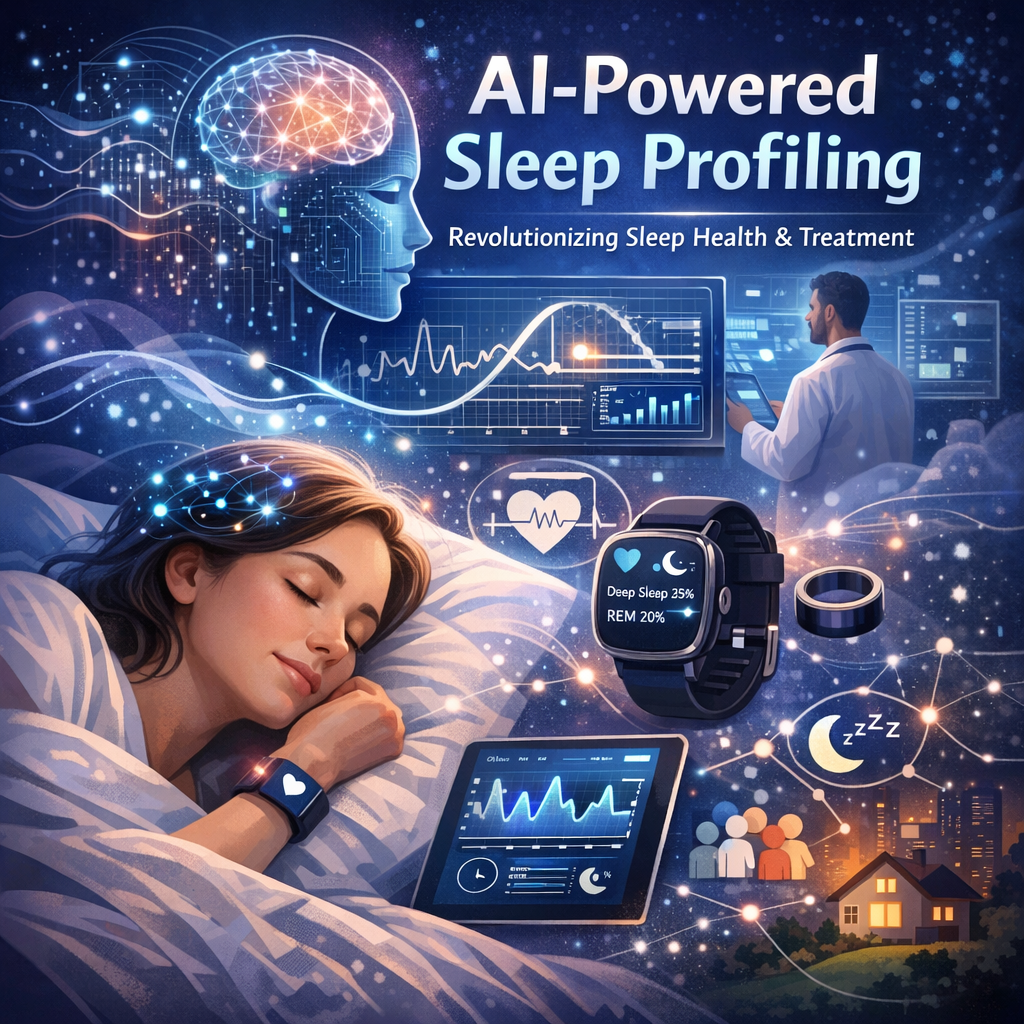
AI-Powered Sleep Profiling Revolutionizing How We Diagnose and Treat Sleep Disorders
In recent years, the intersection of technology and healthcare has unleashed a plethora of innovations, with **Artificial Intelligence (AI)** leading the charge in transforming the landscape of diagnostics and treatment protocols. **Sleep disorders**, a prevalent issue affecting millions worldwide, have not been left behind in this technological revolution. Traditionally, diagnosing sleep disorders relied heavily on **polysomnography**—a comprehensive recording of the biophysiological changes that occur during sleep. While effective, this method is often cumbersome, expensive, and inaccessible to many. Enter **AI-powered sleep profiling**, an innovative approach that promises to revolutionize how we diagnose and treat sleep disorders by providing more accessible, personalized, and efficient solutions.
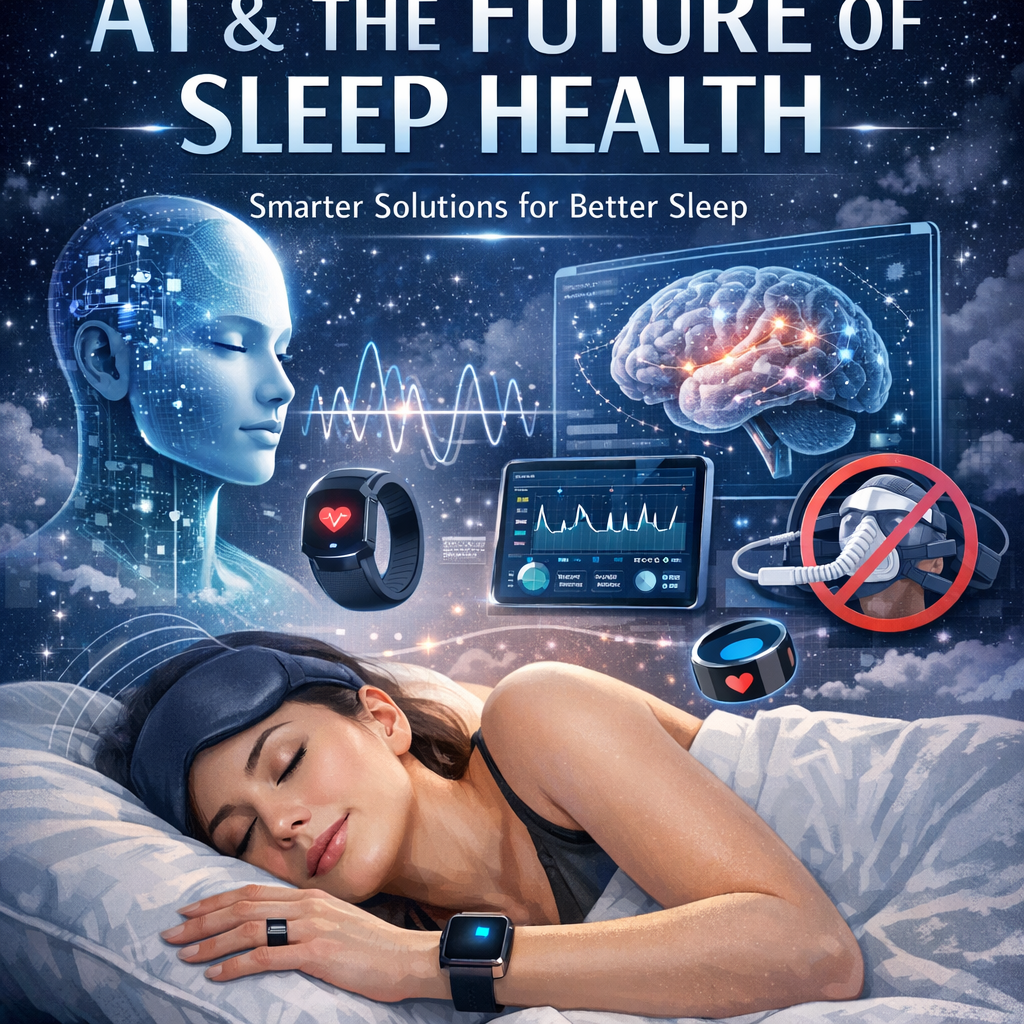
AI-based systems can analyze vast amounts of **sleep-related data** more rapidly and accurately than traditional methods. By utilizing **machine learning algorithms**, these systems can identify patterns and anomalies in sleep behaviors that might be missed by human practitioners. This is particularly beneficial for diagnosing conditions such as **sleep apnea**, **insomnia**, **restless leg syndrome**, and **narcolepsy**, among others. AI’s ability to gather data from various sources, including **wearable technology**, **smart home devices**, and even **smartphones**, empowers it to provide a holistic view of an individual’s sleep patterns and quality.
One of the key advantages of AI-powered sleep profiling is its ability to offer **personalized treatment plans**. Unlike traditional methods that often apply a one-size-fits-all approach, AI can take into account the unique lifestyle and physiological characteristics of an individual, tailoring interventions that align with personal needs. This not only enhances treatment efficacy but also boosts patient adherence to prescribed regimes, as the solutions feel more relevant and attainable.
Furthermore, AI has the potential to democratize access to **sleep disorder diagnostics**. With the widespread adoption of smartphones and wearable technology, AI-driven sleep profiling tools can reach a larger segment of the population, including those in remote and underserved areas. By providing real-time insights and recommendations, these tools empower users to take proactive measures in managing their sleep health, potentially reducing the incidence of chronic sleep disorders and their associated health risks.
Features:
The growing body of research supporting AI’s role in sleep health is compelling. A landmark study published in the [*Journal of Clinical Sleep Medicine*](http://jcsm.aasm.org/) highlighted the efficacy of AI in diagnosing obstructive sleep apnea, one of the most common sleep disorders. Researchers applied machine learning algorithms to a dataset consisting of thousands of patient records, achieving diagnostic accuracy comparable to traditional polysomnography, but with greater speed and at a fraction of the cost.
Another pivotal study conducted by the **University of California** integrated AI technology with wearable devices to monitor sleep patterns over an extended period. The researchers focused on individuals with insomnia and found that AI could accurately predict episodes of sleep disruption and suggest personalized **cognitive behavioral therapy (CBT)** interventions. These AI-driven interventions resulted in significant improvements in sleep quality among participants, demonstrating AI’s potential in enhancing therapeutic outcomes for sleep disorders.
Furthermore, AI’s ability to continuously learn and adapt makes it a formidable tool in sleep research. By analyzing **longitudinal sleep data**, AI systems can identify trends and predict the onset of sleep-related issues before they manifest clinically. This predictive capability holds immense promise for early intervention and prevention strategies, fundamentally altering the trajectory of sleep disorder management.
AI’s integration in sleep health is not just confined to academic research. Companies like **SleepScore Labs** and **Eight Sleep** are pioneering consumer-ready AI solutions that provide users with actionable insights into their sleep patterns. These platforms employ sophisticated sensors and algorithms to analyze sleep data and provide optimization strategies tailored to individual users’ needs. This merging of AI technology with practical, everyday applications signifies a paradigm shift in how consumers engage with their sleep health.
Conclusion:
As AI continues to advance, its implications for sleep disorder diagnosis and treatment are manifold. **AI-powered sleep profiling** not only represents a significant leap in scientific understanding and capability but also opens new avenues for personalized and accessible healthcare solutions. By leveraging AI, we are closer to a future where sleep disorders can be effectively managed, and everyone has the opportunity to achieve better sleep health.
Embracing AI in healthcare, particularly in the realm of sleep medicine, requires a concerted effort from researchers, practitioners, and technology developers to ensure that these tools are used ethically and effectively. As these technologies become more integrated into clinical practice, continuous evaluation, and adaptation will be key to unlocking their full potential, ultimately leading to a healthier, well-rested world.
Concise Summary:
**AI-powered sleep profiling** is transforming the diagnosis and treatment of sleep disorders by providing more accessible, personalized, and efficient solutions. By utilizing **machine learning algorithms**, AI can rapidly and accurately analyze vast amounts of **sleep-related data** from various sources. This approach offers **personalized treatment plans**, democratizes access to **sleep disorder diagnostics**, and allows for early intervention and prevention strategies. Pioneering companies like **SleepScore Labs** and **Eight Sleep** are already offering consumer-ready AI solutions that merge advanced technology with everyday use, marking a significant shift in how people manage and improve their sleep health.

Dominic E. is a passionate filmmaker navigating the exciting intersection of art and science. By day, he delves into the complexities of the human body as a full-time medical writer, meticulously translating intricate medical concepts into accessible and engaging narratives. By night, he explores the boundless realm of cinematic storytelling, crafting narratives that evoke emotion and challenge perspectives.
Film Student and Full-time Medical Writer for ContentVendor.com