Rethinking Sleep Apnea: The Undiagnosed Epidemic Fueling Chronic Disease
Introduction
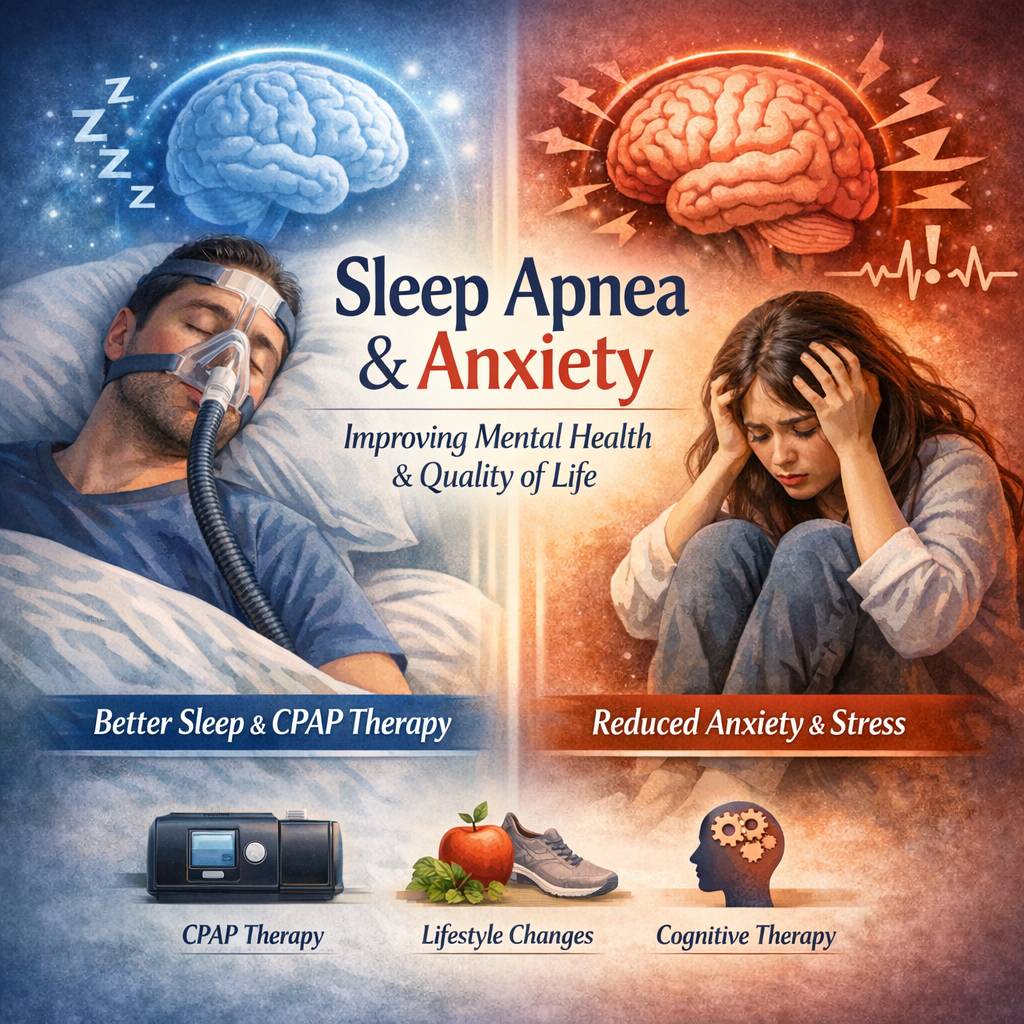
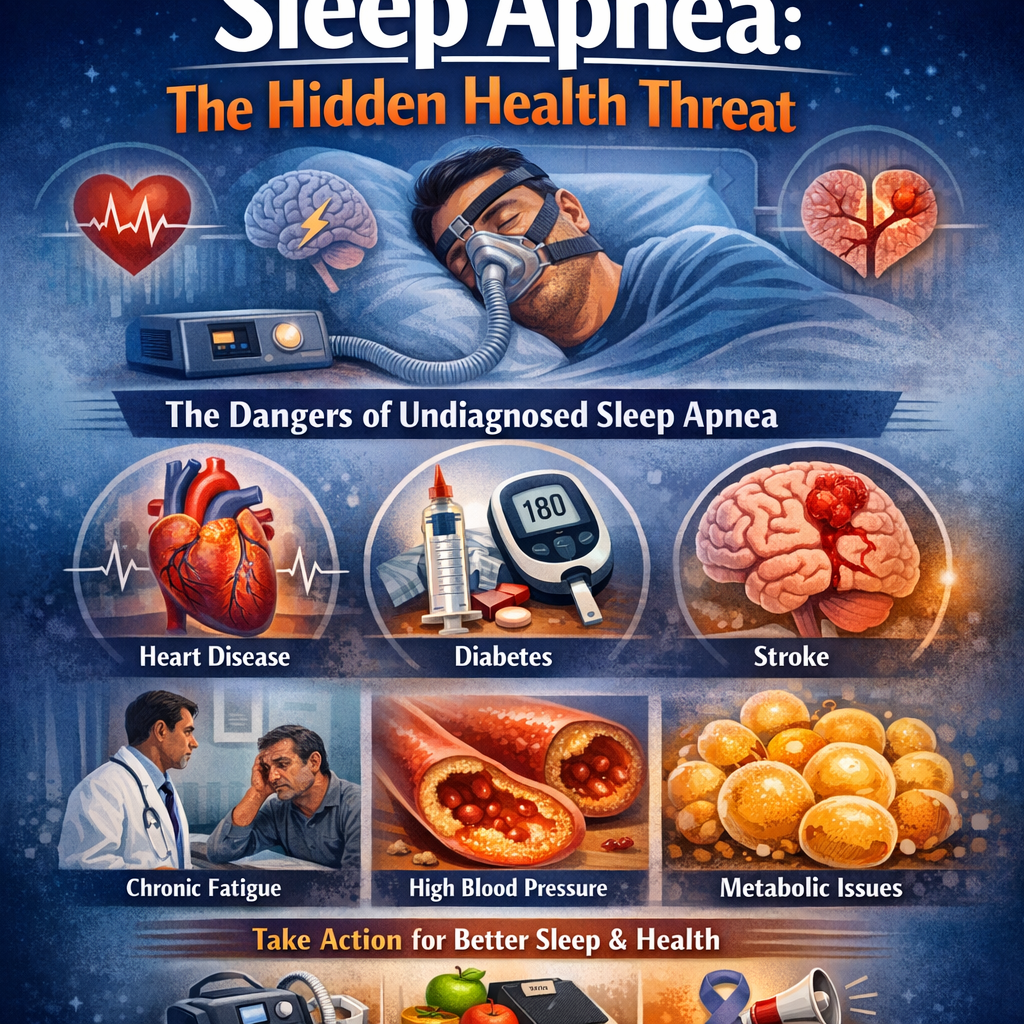
**Sleep apnea**, a common yet largely underdiagnosed **sleep disorder**, has been increasingly associated with a range of **chronic diseases**. Characterized by repeated interruptions in breathing during sleep, sleep apnea not only disrupts rest but also contributes significantly to chronic health conditions such as **hypertension**, **heart disease**, **stroke**, and **diabetes**. Recent estimates suggest that approximately 25 million adults in the United States suffer from sleep apnea, yet many remain undiagnosed. This underdiagnosis stems from a lack of awareness, insufficient screening, and misattribution of symptoms to other health issues.
**Obstructive sleep apnea** (OSA), the most prevalent form, occurs when throat muscles involuntarily relax, narrowing or obstructing the airway during sleep. **Central sleep apnea**, although less common, happens when the **brain** fails to send proper signals to the muscles controlling breathing. As a result of these disruptions, individuals with sleep apnea experience episodes of paused breathing and frequent awakenings throughout the night, often without full awareness. These interruptions lead to fragmented sleep, leaving sufferers with persistent **daytime sleepiness**, impaired **cognitive function**, and mood disturbances.
Despite sleep apnea’s pervasive nature, it often goes unnoticed and untreated. Symptoms such as loud snoring, gasping for air during sleep, and excessive daytime fatigue are frequently overlooked or attributed to lifestyle factors, resulting in delayed diagnosis. Moreover, its insidious nature means that many affected individuals become accustomed to their symptoms, considering them as just part of normal sleep patterns.
Emerging studies highlight the far-reaching implications of untreated sleep apnea beyond the realm of sleep. Untreated sleep apnea increases the risk of **cardiovascular problems** such as hypertension and **atrial fibrillation** by elevating blood pressure during sleep due to intermittent hypoxia (oxygen deficiency). Furthermore, there is a growing body of evidence linking sleep apnea to **metabolic dysfunctions**, particularly **insulin resistance**, which is a precursor to type 2 diabetes. Amplified by modern lifestyles that often overlook the vital role of quality sleep, sleep apnea represents a silent epidemic that necessitates increased awareness, timely diagnosis, and effective management to mitigate its detrimental health effects.
Features
Scientific research underscores the link between untreated sleep apnea and an increased risk of chronic diseases, urging healthcare professionals to reconsider its impact on long-term health. A pivotal study published in the Journal of the American College of Cardiology examined the relationship between sleep apnea and cardiovascular disease, concluding that individuals with severe OSA had a two- to fourfold increase in the risk of cardiovascular events compared to those without apnea. The study emphasized that recurrent episodes of oxygen deficiency during sleep could lead to systemic inflammation, oxidative stress, and autonomic imbalance, contributing to vascular damage and increasing cardiovascular risk.
Another significant investigation published in the American Journal of Respiratory and Critical Care Medicine focused on the connection between sleep apnea and metabolic disorders. Researchers found that OSA patients frequently exhibited markers of insulin resistance and glucose intolerance, independent of obesity, suggesting that sleep apnea itself could be an independent risk factor for developing type 2 diabetes. This relationship was posited to result from disrupted sleep architecture and hypoxia-driven metabolic dysregulation, which interfere with glucose homeostasis.
A comprehensive study also published in The Lancet reinforced the link between sleep apnea and cerebrovascular diseases by demonstrating a higher prevalence of stroke and transient ischemic attacks (TIAs) in individuals with untreated apnea. The researchers attributed this to the elevated sympathetic nervous activity and blood pressure surges commonly observed in sleep apnea patients, which contribute to the increased risk of cerebrovascular accidents.
These studies collectively highlight the critical need to integrate sleep assessments into routine medical examinations and advocate for multidisciplinary approaches to manage sleep apnea effectively. As the overlap between sleep disorders and chronic diseases becomes increasingly apparent, healthcare systems worldwide must prioritize sleep health as integral to overall well-being.
Conclusion
In conclusion, rethinking sleep apnea as not merely a sleep disorder, but a significant contributor to chronic diseases, is essential for enhancing public health. The pervasive nature and underdiagnosis of sleep apnea call for increased vigilance among healthcare providers and individuals alike. By fostering greater awareness and implementing routine screenings, particularly for high-risk populations, early diagnosis and intervention can be facilitated. Treatment options, such as **continuous positive airway pressure** (CPAP) therapy, have proven effective in mitigating the adverse effects of sleep apnea. Lifestyle modifications, including **weight management** and positional therapy, further complement these interventions, reducing symptom severity. Ultimately, addressing sleep apnea comprehensively, within the broader context of chronic disease prevention, can contribute significantly to reducing the burden of non-communicable diseases, improve quality of life, and foster healthier communities. Through collective efforts, prioritizing sleep health can transform the landscape of chronic disease management and pave the way for a healthier future.
Concise Summary
Sleep apnea is a prevalent but often undiagnosed disorder that disrupts breathing during sleep, increasing the risk of chronic diseases such as cardiovascular and metabolic disorders. Studies emphasize its significant impact on long-term health, highlighting a need for increased vigilance and routine sleep assessments. Effective management, including **CPAP therapy** and lifestyle changes, can mitigate these risks. Strengthening awareness and timely diagnosis is essential for public health improvement.
References
1. [“Sleep Apnea and Cardiovascular Disease.” *Journal of the American College of Cardiology*](https://www.jacc.org)
2. [“Sleep Apnea and Metabolic Dysfunction.” *American Journal of Respiratory and Critical Care Medicine*](https://www.atsjournals.org)
3. [“The Relationship Between Sleep Apnea and Stroke.” *The Lancet*](https://www.thelancet.com)

Dominic E. is a passionate filmmaker navigating the exciting intersection of art and science. By day, he delves into the complexities of the human body as a full-time medical writer, meticulously translating intricate medical concepts into accessible and engaging narratives. By night, he explores the boundless realm of cinematic storytelling, crafting narratives that evoke emotion and challenge perspectives.
Film Student and Full-time Medical Writer for ContentVendor.com