How Understanding Oxygen Desaturation During Sleep Could Redefine Personal Risk Assessment in Chronic Health Management
**Introduction**
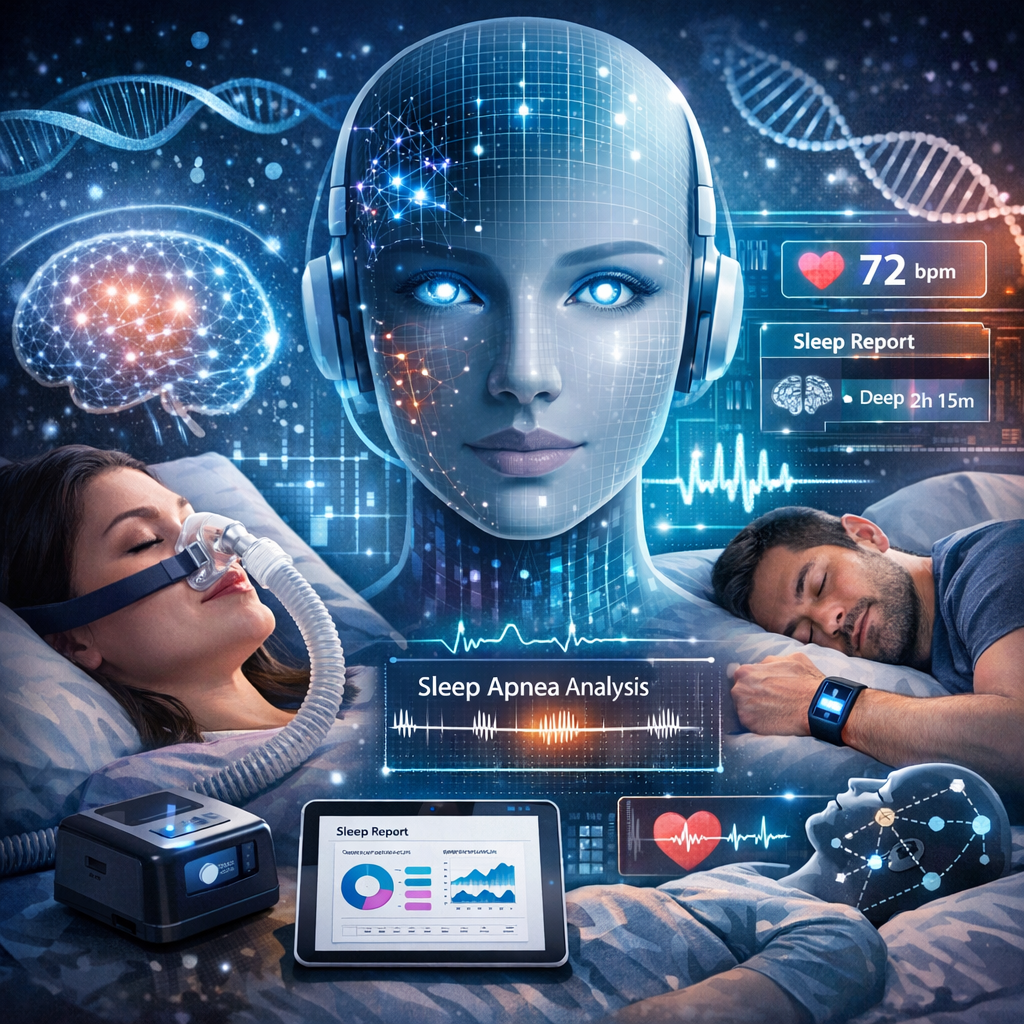
In the realm of **health management**, **sleep** is often deemed an important yet underestimated aspect of overall wellness. While the quantity of sleep receives much attention, the **quality**, particularly the physiological changes that occur during sleep, tends not to be discussed as frequently. One such critical factor that influences sleep quality is **oxygen desaturation**, an indicator of how much an individual’s blood oxygen levels drop during sleep. This can occur due to various reasons, most notably through conditions like **sleep apnea**.
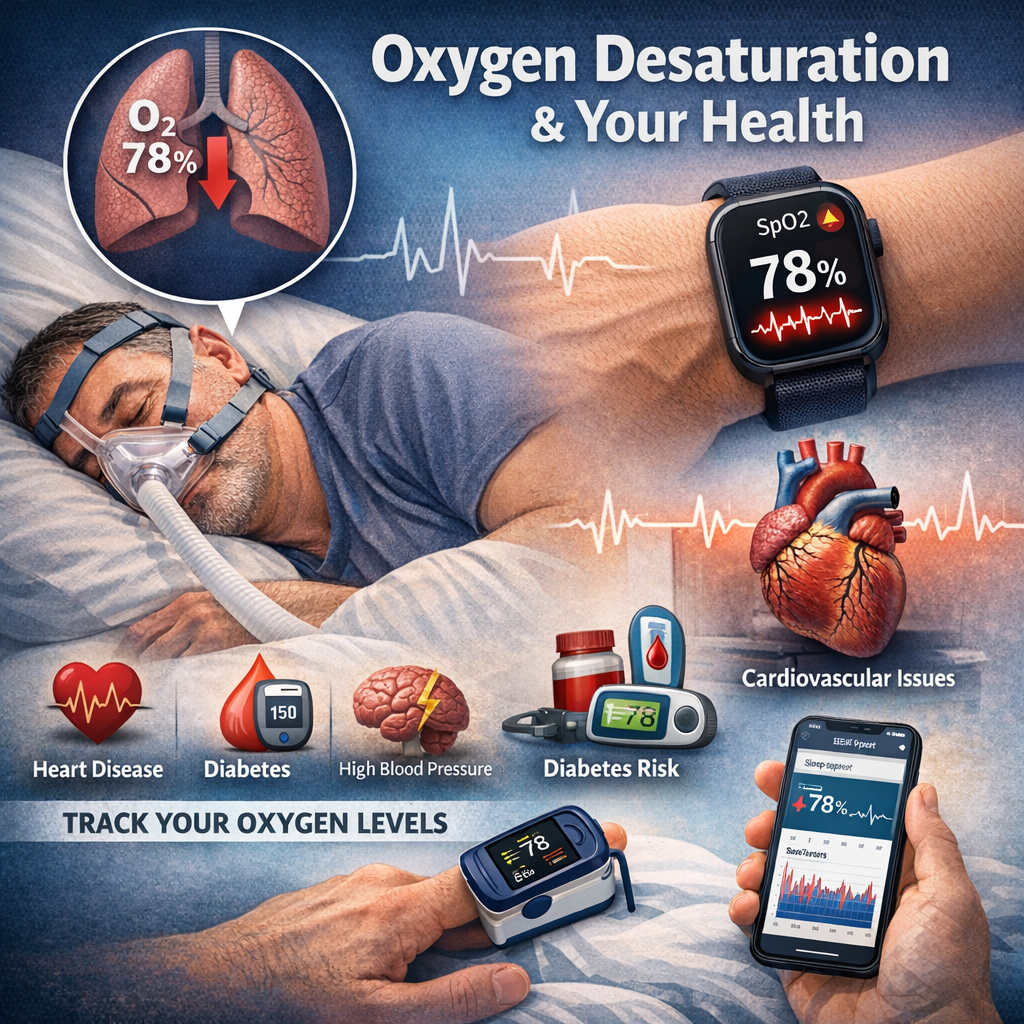
**Oxygen desaturation** during sleep can significantly impact people’s health by contributing to, or exacerbating, chronic conditions such as **cardiovascular diseases**, **diabetes**, and even impaired **cognitive function**. Understanding the role of oxygen saturation levels in sleep could thus revolutionize personal risk assessments and chronic health management strategies.
The implications of oxygen desaturation extend far beyond poor sleep quality. The intermittent drops in blood oxygen levels can lead to systemic responses, including heightened **blood pressure**, increased heart workload, and the release of stress-related hormones. Over time, these reactions can lead to chronic health issues or heighten existing health risks.
With emerging technology and increasing research, individuals now have the tools to monitor oxygen levels through devices like **pulse oximeters** and wearable fitness trackers. The growing body of research suggests that incorporating oxygen desaturation tracking can complement existing health assessments, aiding healthcare providers in devising comprehensive care and risk management strategies. By redefining chronic disease management through the lens of sleep and oxygen desaturation, patients and healthcare providers can collaborate towards more personalized and effective preventive health measures.
**Features**
Numerous studies have highlighted the pivotal role that **oxygen desaturation during sleep** plays in health management. A significant study published in the *American Journal of Respiratory and Critical Care Medicine* explored how the severity of oxygen desaturation in patients with **obstructive sleep apnea (OSA)** could predict cardiovascular diseases. [Link to study](https://www.atsjournals.org/doi/full/10.1164/ajrccm.164.5.2011048). The researchers found that those with severe desaturation were at a greater risk of developing **hypertension**, **heart attacks**, and strokes compared to their counterparts with milder forms of desaturation.
Another pivotal study published by the *Journal of Clinical Sleep Medicine* looked into non-invasive measurements of oxygen saturation, particularly focusing on their reliability and accuracy. The study suggested that **home-monitoring devices** that track oxygen desaturation are nearly as accurate as clinical assessments, a significant development for people wishing to monitor their sleep quality at home. [Link to study](https://jcsm.aasm.org/doi/full/10.5664/jcsm.7790).
Research in the *European Respiratory Journal* also demonstrates the relationship between nocturnal **hypoxemia**, or reduced blood oxygen levels during sleep, and **diabetes** control. The results indicated that addressing oxygen desaturation issues could improve glycemic control among diabetic patients. [Link to study](https://erj.ersjournals.com/content/early/2023/09/14/09031936.00162423).
As these studies illustrate, oxygen desaturation hasn’t just emerged as a talking point in sleep health; it positions itself at the core of chronic health risk assessments. Interventions that target sleep-disordered breathing, such as the use of **Continuous Positive Airway Pressure (CPAP)** devices, while controlling for lifestyle factors, are proving effective in mitigating the adverse impacts of oxygen desaturation.
**Conclusion**
Understanding **oxygen desaturation** during sleep is no longer just the domain of sleep specialists—it’s becoming an essential component of general healthcare, deeply intertwined with chronic disease management. By recognizing the profound implications of desaturation, individuals can make informed decisions about their health management, potentially preventing the initiation or progression of chronic illnesses. Medical professionals are now empowered to offer more personalized and responsive treatments by integrating **sleep studies** and oxygen desaturation measurements into routine health assessments.
Monitoring and addressing sleep-related oxygen shortages can fundamentally change the landscape of personal and preventive healthcare. The enhanced ability to predict and manage chronic diseases by examining patterns of oxygen desaturation during sleep holds promise as a critical shift in health strategy, ultimately leading to healthier, more balanced lives for patients of all ages. As research continues, further innovations and insights into oxygen desaturation promise to redefine preventive health practices and chronic disease management.
**References**
1. *American Journal of Respiratory and Critical Care Medicine*. “Severe Obstructive Sleep Apnea and Cardiovascular Disease Risk.” Retrieved from [American Thoracic Society](https://www.atsjournals.org/doi/full/10.1164/ajrccm.164.5.2011048).
2. *Journal of Clinical Sleep Medicine*. “Accuracy of Home-Monitoring Devices in Measuring Sleep-Related Oxygen Desaturation.” Retrieved from [American Academy of Sleep Medicine](https://jcsm.aasm.org/doi/full/10.5664/jcsm.7790).
3. *European Respiratory Journal*. “Nocturnal Hypoxemia and Diabetes Control.” Retrieved from [European Respiratory Society](https://erj.ersjournals.com/content/early/2023/09/14/09031936.00162423).
**Concise Summary**
Oxygen desaturation during sleep, often seen with conditions like sleep apnea, is a critical yet under-discussed aspect of health management. It can worsen chronic illnesses such as cardiovascular diseases, diabetes, and cognitive impairments. Tracking oxygen levels through devices like pulse oximeters can enhance personal risk assessments and chronic health management. Studies show severe desaturation predicts higher risks of cardiovascular events, while non-invasive home-monitoring devices prove almost as accurate as clinical assessments. Addressing desaturation can fundamentally enhance health strategies, enabling more personalized and effective preventive measures for chronic diseases.

Dominic E. is a passionate filmmaker navigating the exciting intersection of art and science. By day, he delves into the complexities of the human body as a full-time medical writer, meticulously translating intricate medical concepts into accessible and engaging narratives. By night, he explores the boundless realm of cinematic storytelling, crafting narratives that evoke emotion and challenge perspectives.
Film Student and Full-time Medical Writer for ContentVendor.com